UICN - Union internationale pour la conservation de la nature


  • English
  • Français
  • Español

  • À propos de l’UICN
    • Qui sommes-nous
    • Notre Union
       
      • Le Conseil
      • Les Membres
      • Les Commissions
      • Le Secrétariat
      • Donateurs & Partenaires
      • Rapports annuels et financiers
    • Notre Travail
       
      • Programme Global
      • Programmes
      • Initiatives
    • Prix de la conservation UICN
       
      • Médaille John C. Phillips
      • Médaille H J Coolidge
      • Membres d’honneur de l‘UICN
    • Congrès mondial de la nature
  • Que faisons-nous
    • Notre travail
    • Biodiversité
       
      • À propos de la biodiversité
      • Les solutions de l’UICN
      • Principaux thèmes
    • Changement Climatique
       
      • À propos du changement climatique
      • Les solutions de l’UICN
      • Principaux thèmes
    • Energie
       
      • À propos de l’énergie
      • Les solutions de l’UICN
    • Moyens de Subsistance
    • Economie Verte
  • Où nous intervenons
    • Afrique centrale et de l’ouest
    • East and Southern Africa
    • Mesoamérica
    • América del Sur
    • USA
    • Asia
    • West Asia
    • Europe
    • Mediterranean
    • Oceania
  • Nouvelles
    • Nouvelles par région
       
      • Amérique Centrale
      • Asie
      • Afrique de l'Est et du Sud
      • Europe
      • Méditerranée
      • Océanie
      • Amérique du Sud
      • États-Unis
      • Afrique centrale et de l'ouest
      • Asie de l'Ouest
    • Nouvelles par thème
       
      • Affaires
      • Économie
      • Écosystèmes
      • Droit environnemental
      • Forêts
      • Genre
      • Politique mondiale
      • Océans
      • Aires protégées
      • Connaissances
      • Politique sociale
      • Espèces
      • Eau
      • Patrimoine mondial
    • Nouvelles par date
       
      • 2012
      • 2011
      • 2010
      • 2009
      • 2008
      • 2007
      • Années précédentes
    • Nouvelles d'événements mondiaux
    • Médias sociaux
    • Participer au débat
    • Blog
  • Ressources
    • Publications
       
      • Catalogue des publications
      • Bibliothèques
      • Magazine Planète Conservation
    • Focus
       
      • Faire bouger les choses à Rio
      • La nature pour tous
      • Les défis de l'eau
      • Europe naturellement
      • La biodiversité au premier plan
      • Changement climatique
      • Célébrer les forêts
      • Zones arides
      • Congrès Mondial de la Nature
      • Du Karakorum à Kalimantan
      • De Beyrouth à Bahreïn
      • Tout simplement le meilleur?
      • Héros par nature
      • Temps houleux pour les océans
      • De l’Amazonie à la Patagonie
      • Année Internationale des Forêts
      • Focus antérieurs
    • Outils pour la conservation
       
      • Bases de données sur la conservation
      • Outils pour agir dans la conservation
    • Multimedia
    • Documents légaux et institutionnels
  • S’impliquer
    • Emplois
    • Adhérer à l’UICN
    • Soutenir l’UICN
    • S'informer
    • Participer au débat
    • Participer au congrès
  • Presse
    • Communiqués de presse
    • Annonces média
    • Fiches d'informations
    • Entretiens
    • Éditoriaux
    • Calendrier média
    • Prix pour les médias
  • Contact
    • Centre de la Conservation
    • Bureaux de l'UICN

  • Accueil
  • L’Année internationale de la biodiversité
  • À propos de la biodiversité
  • Espèces menacées

Espèces menacées

Check here for our latest news related to species extinction.


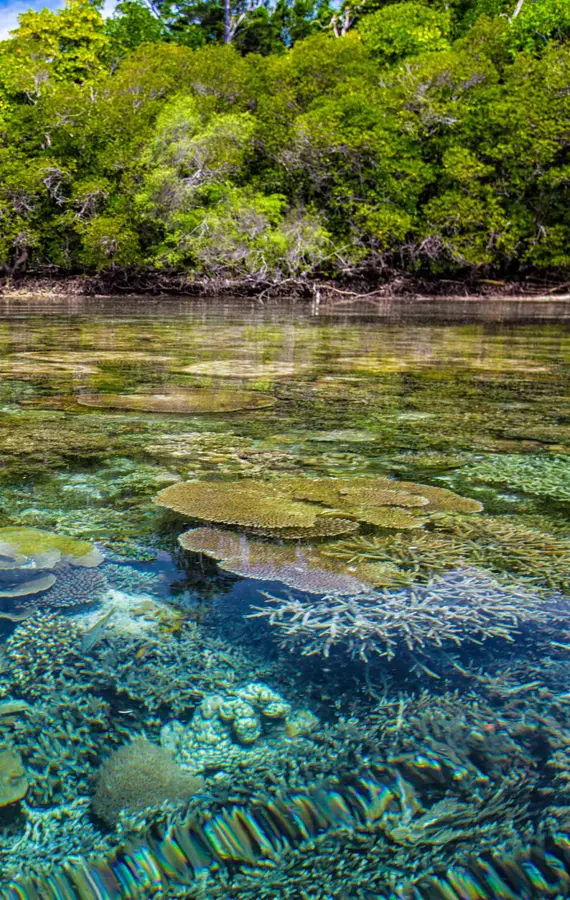
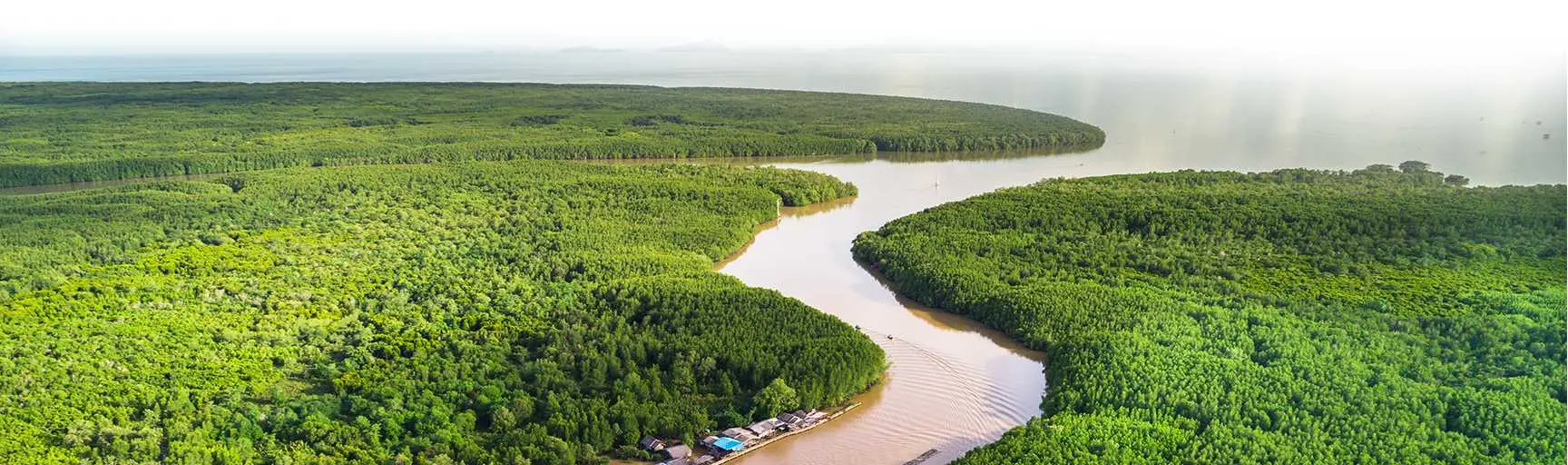
Mangrove forests in worldwide decline

More than one in six mangrove species worldwide are in danger of extinction due to coastal development and other factors, including climate change, logging and agriculture, according to the first-ever global assessment on the conservation status of mangroves for the IUCN Red List of Threatened Species™. …  

09 Apr 2010 | International news release

Information similaire
  • Photo gallery
  • The mangroves assessment
  • About Conservation International
  • About Mangroves for the Future

Scientists call for biodiversity barometer

For the first time scientists have put a figure on how much it would cost to learn about the conservation status of millions of species, some of which have yet to be identified. The price tag is US$60 million, according to a team of scientists, including those from IUCN and Conservation International, who presented their case in this week’s Science magazine in an article called “The Barometer of Life.” …   | Spanish

08 Apr 2010 | International news release

Information similaire
  • Links to Science article

Sturgeon more critically endangered than any other group of species

Eighty five percent of sturgeon, one of the oldest families of fishes in existence, valued around the world for their precious roe, are at risk of extinction, making them the most threatened group of animals on the IUCN Red List of Threatened Species™. The latest update of the Red List assessed the status of 18 species of sturgeon from all over Europe and Asia and found that all were threatened.  …  

18 Mar 2010 | International news release

Information similaire
  • Learn more about the status and population trends of sturgeon on IUCN Red List of Threatened Species™

La destruction des habitats entraîne le déclin d’un nombre croissant d’espèces

En Europe, la destruction des habitats a des conséquences graves pour les papillons, les coléoptères et les libellules. La publication de la Liste rouge européenne, à la demande de la Commission européenne, montre que 9% des papillons, 11% des coléoptères saproxyliques (qui dépendent de la décomposition du bois) et 14% des libellules sont menacés d’extinction en Europe. Pour certaines de ces espèces, la gravité des menaces est telle qu’elles pourraient s’éteindre à l’échelle mondiale et figurent maintenant dans la dernière mise à jour de la Liste rouge des espèces menacées™ de l’UICN. …   | English | Spanish

16 Mar 2010 | International news release

Information similaire
  • European Red List Butterflies 2.37MB
  • European Red List of Saproxylic Beetles 2.07MB
  • European Red List of Dragonflies 1.78MB
  • En savoir plus

Bringing bison back to North America

The next 10 to 20 years could be extremely significant for restoring wild populations of American bison to their original roaming grounds. But for this to happen, more land must be made available for herds to roam free, government policies must be updated and the public must change its attitude towards bison. …  

02 Mar 2010 | International news release

Information similaire
  • American bison report 3.56MB
  • American Bison photo gallery
  • About University of Calgary Faculty of Environmental Design
  • About World Wildlife Fund

World's most endangered primates revealed

Mankind’s closest living relatives – the world’s apes, monkeys, lemurs and other primates – are on the brink of extinction and in need of urgent conservation measures according to Primates in Peril: The World’s 25 Most Endangered Primates, 2008–2010. …   | Spanish

18 Feb 2010 | News story

Information similaire
  • Threats to the world's 25 most endangered primates 69KB
  • Full report (90 page PDF)
  • Photo gallery
  • Artistic illustrations

Beating back biofuel crop invasions

The risk of biofuel crops becoming invasive and outcompeting native species is increasing as more advanced crops are planted. This can be managed to reduce the impact on local livelihoods and the environment, according to a report by IUCN. …  

18 Feb 2010 | News story

Information similaire
  • IUCN Guidelines on Biofuels and Invasive Species 3.05MB
L’Année internationale de la biodiversité
  • À propos de la biodiversité
    • L'importance de la biodiversité
    • La biodiversité en crise
    • Protection de la biodiversité
    • Espèces menacées
      • Espèces et changement climatique
    • Biocuriosités
  • Actions de l'UICN
  • La participation de l’UICN
  • Ressources
  • Presse
  • Nous contacter
Learn more
  • Species and climate change
Services
Abonnement
  • Repères sociaux |
  • Page last updated: May 13, 2010. © Tous les photos/graphiques sont la prioriété de UICN

// Concept, design et technologie getunik.com