Gianna Minton started her career in the field of education, but became so inspired by Oman’s marine environment during her 8 years there, that she started a new career in marine mammal research and ...
GROUPE DE COMMISSION DE L'UICN
Groupe de spécialistes des cétacés de la CSE de l'UICN
Leadership de groupe
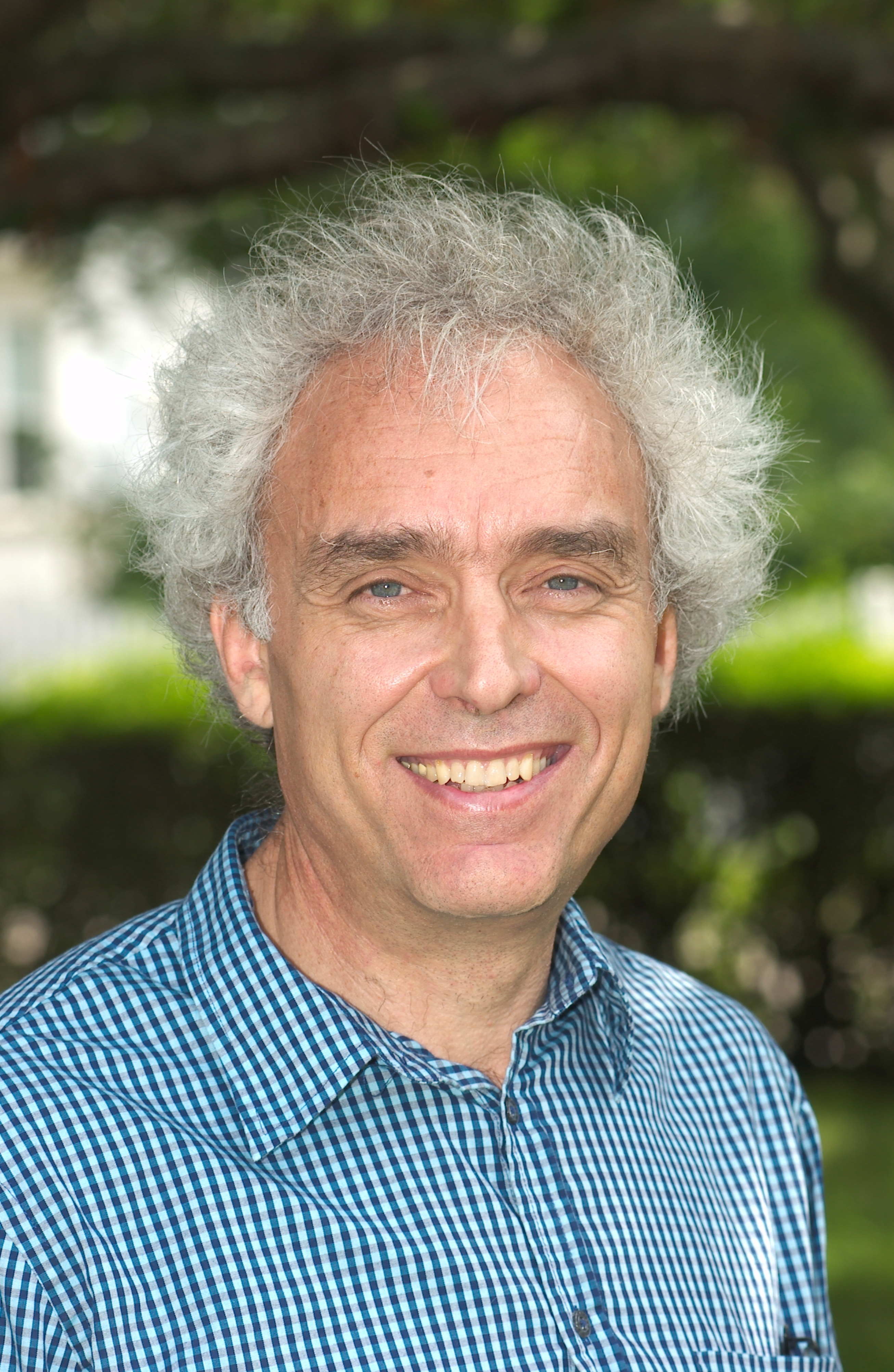
Dr Randall REEVES

Dr Gianna MINTON
Co-Chair
Gianna Minton started her career in the field of education, but became so inspired by Oman’s marine environment during her 8 years there, that she started a new career in marine mammal research and conservation. Gianna has a PhD focusing on the Endangered population of humpback whales of the Arabian Sea, and has conducted field-based cetacean research in Oman, Malaysia and Gabon. Gianna is a Co-Chair of the UCN SSC Cetacean Specialist Group and a member of the IUCN SSC Marine Conservation Committee and the Marine Mammal Protected Area Task Force. She has also worked on turtle and fisheries monitoring, and is now based in the Netherlands, working on cetacean conservaiton issues with a focus on Endangered species and populations in Africa, Asia and the Indian Ocean, as well as Important Marine Mammal Areas (IMMAs).
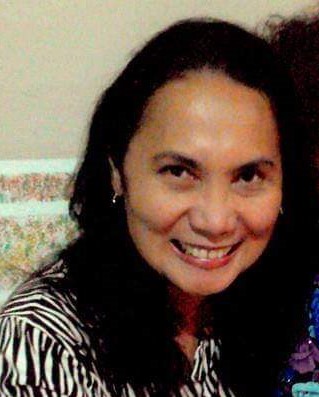
Dr Louella DOLAR
Co-Chair
I was born and grew up in the Philippines. I got my B.Sc. Biology from Silliman University in the Philippines obtained my M.Sc. in zoology from James Cook University in Australia and my Ph.D. in marine biology from Scripps Institution of Oceanography at the University of California, San Diego. I taught, did research, and did administrative work at Silliman for 12 years before going to the U.S. for graduate studies. Among the research and conservation work I have done, work on marine mammals was the closest to my heart. Doing pioneering work on cetaceans in the late 1980s was extremely exciting (but sometimes scary), even without formal funding. Using my meager salary as a teacher and some resourcefulness, like hitching rides in grain trucks to get to remote fishing villages, boarding tuna boats and driftnet boats, and volunteering in other projects at the lab to get the chance to visit remote islands, I was able to get data on species present and direct and indirect cetacean catches. On two of the islands visited, I found that fishers were hunting Omura's whales (then identified as Bryde's whales). With the help of friends and colleagues, I managed to collect data and gather skulls and skeletons of Omura's whale, which are now housed at Silliman University and constitute what is probably the most extensive collection of Omura's whale skulls and skeletons in the world. Initial data I gathered helped draft the law to protect cetaceans in the Philippines, which eventually stopped whaling, dolphin hunting, and selling cetacean meat at the markets. To help whalers who lost their livelihoods, our group worked with WWF-Phil. to replace whale hunting with whale- and dolphin-watching tours. Once results were available, funding began, and I conducted formal surveys and helped share the expertise with other enthusiasts and students. The surveys conducted for my dissertation resulted in the establishment of the Tañon Strait Sea Scape in 1998. I continue to work on marine mammals part-time, and would love to go back to it full-time someday. Through all these, I have obtained support, encouragement, and inspiration from wonderful people, friends, and colleagues, to whom I am forever grateful. (You know who you are. THANK YOU!)
I was born and grew up in the Philippines. I got my B.Sc. Biology from Silliman University in the Philippines obtained my M.Sc. in zoology from James Cook University in Australia and my Ph.D. in ...