Aller au contenu principal

México, América Central y el Caribe

En México, Centroamérica y el Caribe, vastos bosques tropicales, cordilleras, arrecifes de coral y corredores biológicos sostienen una de las mayores concentraciones de biodiversidad del planeta y conectan ecosistemas que trascienden fronteras. En esta región interdependiente y compleja, los tres pilares de la Unión—Miembros, Comisiones y Secretaría—combinan sus capacidades, conocimientos y acción territorial, traduciendo la visión global de la UICN en acciones a nivel regional y local.

banner image

Mexico, Central America and the Caribbean: Living Expression of Global Biodiversity

This region brings together three critical dimensions for global conservation: exceptional biodiversity, profound cultural richness and high vulnerability to climate change

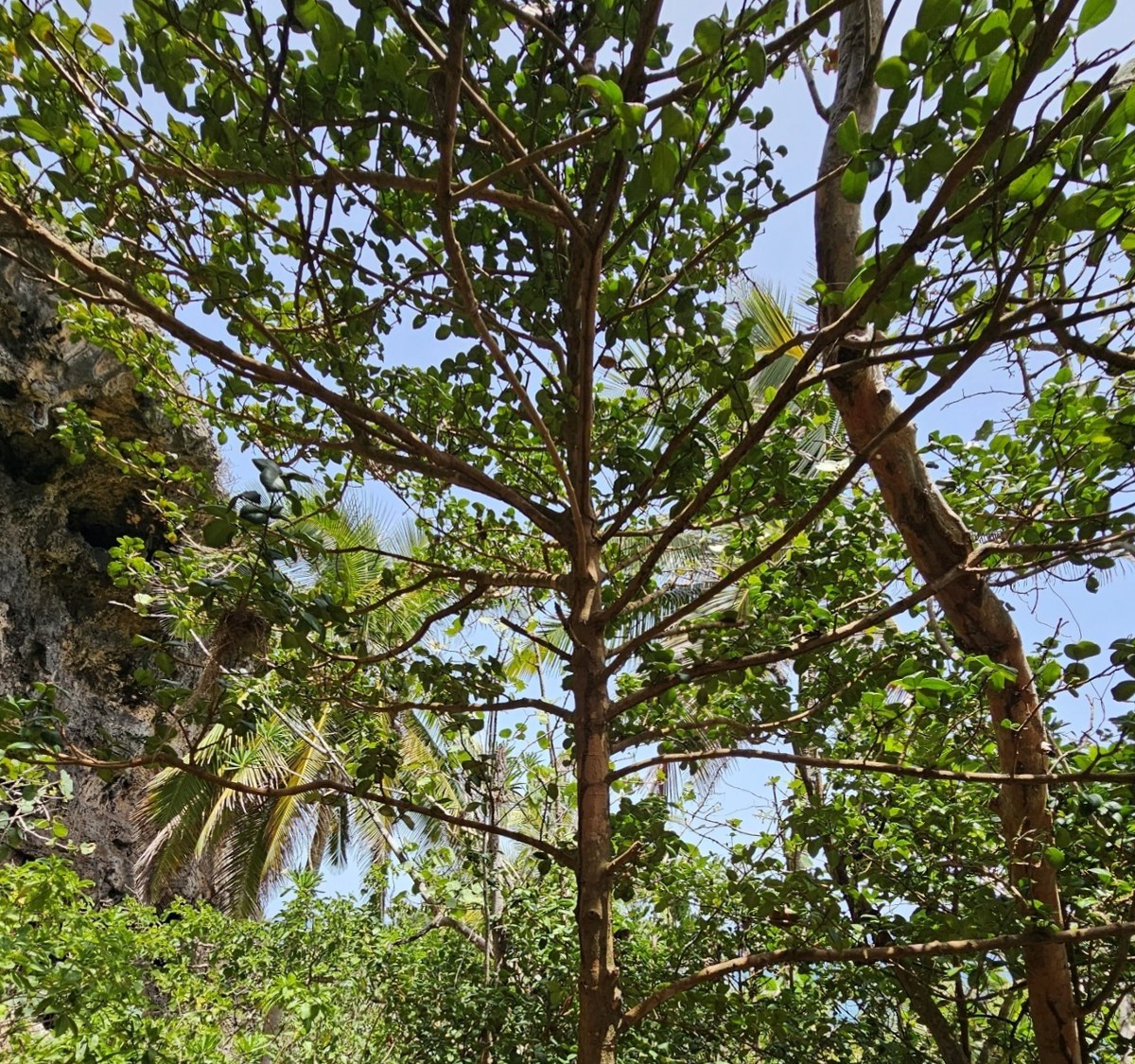
Within less than 2% of the Earth’s land area, the region is home to some of the world’s most diverse, fragile, and globally significant ecosystems, ranging from tropical forests and mountain systems to coral reefs and island landscapes with high levels of endemism.

In Mesoamerica and the Caribbean, Indigenous Peoples, Afro-descendant communities and local communities inhabit and manage nearly 40% of forested areas, sustaining knowledge systems that have enabled the conservation of nature across generations. Biological and cultural diversity coexist and reinforce one another.
Between 7% and 12%

Description

of the planet’s biodiversity 

3 out of 36

Description

global biodiversity hotspots

Second-longest

Description

barrier reef in the world 

Catalyzing Nature-based Solutions

Nature-based Solutions (NbS) aim to protect, sustainably manage, and restore ecosystems to address societal challenges, simultaneously providing human well-being and biodiversity benefits. As climate change impacts increasingly affect people and livelihoods, nature is a powerful ally in proving adaptation solutions through Ecosystem-based Adaptation (EbA) strategies. NbS also include strategies to prevent climate disasters and mitigate their impact.

Our Work in ORMACC

For 35 years, the IUCN’s Regional Office for Mexico, Central America and the Caribbean (ORMACC) implements and executes projects alongside Members and allies mostly from countries in the region, either in specific local communities and indigenous peoples or in work areas that include more than one country or even terrestrial, coastal or marine zones.

ORMACC demonstrates a consolidated trajectory in terms of biodiversity, forest governance, water governance, institutional strengthening, skills development and empowerment of peasant, indigenous and local organizations, political advocacy within the national and regional biodiversity framework, climate change, water resources, disaster risk reduction and protected areas, local environmental management and local development, coastal management, adaptation to climate change based on ecosystems, small donations management, and productive environment-friendly initiatives (for example, forest management, eco- and ethno-tourism, community restoration works,  water management,  agrosilvopastoral practices, etc.).

IUCN’s work in this region covers 7 countries in Central America (Belize, Guatemala, Honduras, El Salvador, Nicaragua, Costa Rica and Panama) together with Mexico, in addition to the Caribbean, which spans insular states and European overseas territories.

IUCN Regional Office for Mexico, Central America and the Caribbean works jointly with 112 Members and strategic allies in the region, to build together a fair world that values ​​and conserves nature through the implementation of projects related to biodiversity conservation, management of protected areas, community forestry, enforcement of rights, climate change, and water.

Meet our Members: A regional force in service of global goals

IUCN membership in Mexico, Central America and the Caribbean serves as a regional platform for collective action that brings together territories, countries and decision-making levels in order to contribute to the achievement of global conservation goals.

The 118 Members in the region operate as an interdependent network that combines political authority, technical knowledge and territorial leadership, with the aim of translating IUCN’s global frameworks, including Nature 2030, into concrete results.

jpm_biopama_day3-69-1-1-1.jpg
News

Legacy and Impact: Conservation Actors from across the Caribbean build on…

Saint Lucia. October 04, 2024 – BIOPAMA grantees joined with regional conservation policy makers and leaders in a four-day Legacy event, to reflect on the impact of BIOPAMA and to collaborate on needs and priorities for the region’s nature and…