Erik Meijaard is a conservation scientist best known for his work on orangutans, tropical land-use, and the sustainability of vegetable oils. He is Managing Director of Borneo Futures, a science ...
Grupo de Comisión de la UICN
Grupo de Trabajo sobre Cultivos Oleaginosos de la CSE de la UICN

Resumen y descripción
Descripción:
Los cultivos de aceites vegetales, el principal objetivo del Grupo de Trabajo sobre Cultivos Oleaginosos, cubren unas 425 mha de tierras agrícolas. Cultivos como la palma aceitera se consideran una ...
Liderazgo de grupo

Prof Erik MEIJAARD
Co-Chair
Erik Meijaard is a conservation scientist best known for his work on orangutans, tropical land-use, and the sustainability of vegetable oils. He is Managing Director of Borneo Futures, a science-driven consultancy he co-founded to improve conservation outcomes in Southeast Asia, and he serves as an Honorary Professor with the University of Kent’s Durrell Institute of Conservation & Ecology.
Since the early 1990s Meijaard has lived and worked across Borneo and wider Indonesia, combining field ecology with policy and private-sector advising. He helped shape debate on palm oil and other oil crops as co-chair (and earlier, chair) of the IUCN Oil Crops (formerly Oil Palm) Task Force, which assesses cross-crop sustainability trade-offs and routes to better production.
Meijaard’s research spans wildlife ecology, forestry, and conservation planning, with influential studies on great-ape declines. He co-authored the landmark 2018 Current Biology analysis showing that more than 100,000 Bornean orangutans were lost from 1999–2015, work that reframed how hunting, logging, and land conversion interact to drive population change. He has also published on the historical range and drivers of decline for the Tapanuli orangutan.
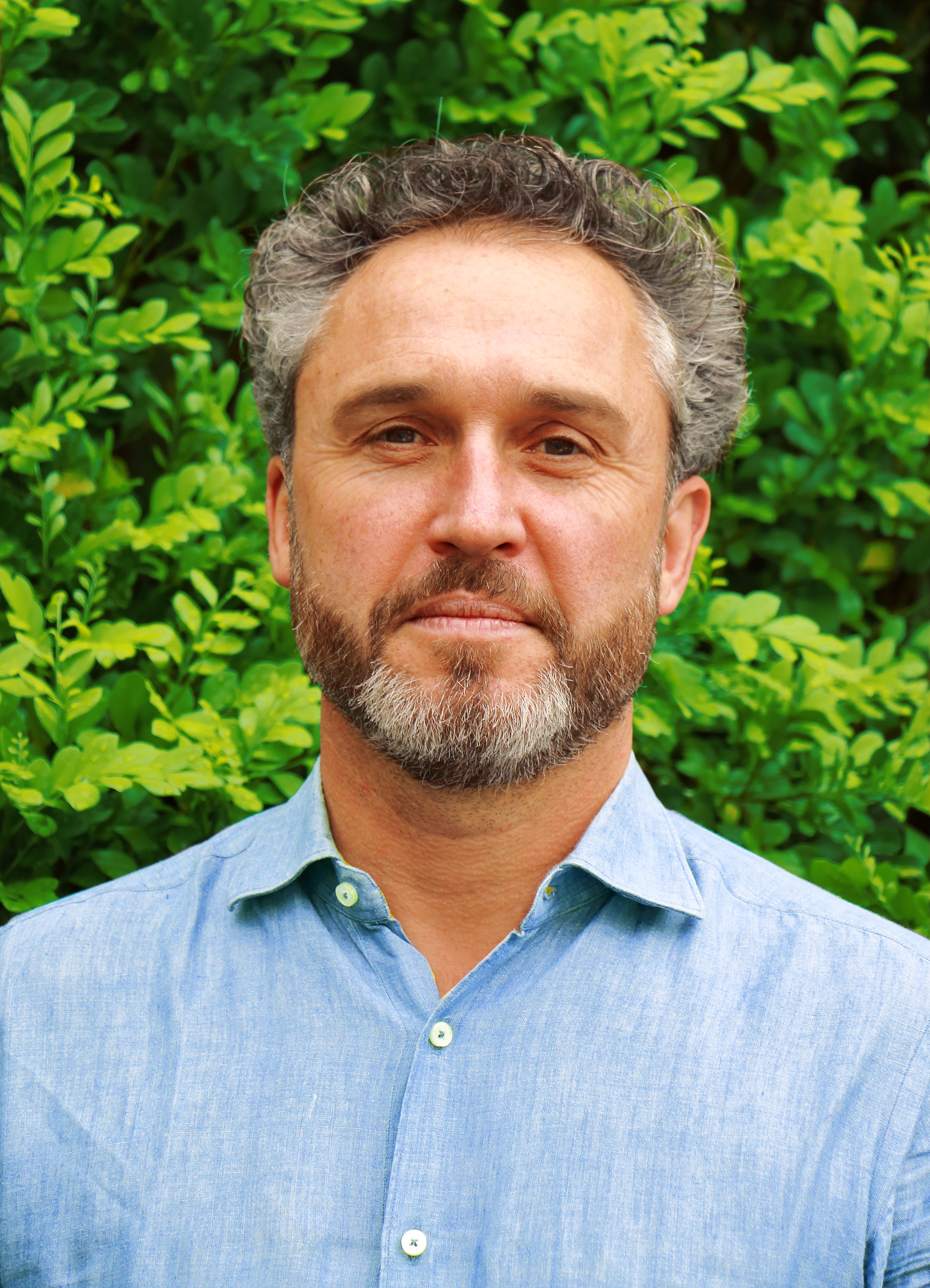
Mr James ALLEN
Co-Chair
James Allen is director and co-founder of Olab, a Brazilian organization seeking to address climate challenges linked to forests and food systems. Olab has been leading the facilitation of multi-stakeholder solutions for addressing commodity-driven deforestation, and the development of public policies for forest restoration and the bioeconomy.
In addition, James holds the position of co-chair of the Global Task Force on Vegetable Oils and has previously worked as the Brazil country representative for Fauna & Flora International, and has worked for both the Brazilian and UK governments in Africa.
James has a political science degree from the London School of Economics, and an MPhil. in Development Studies from the University of Sussex.
James Allen is director and co-founder of Olab, a Brazilian organization seeking to address climate challenges linked to forests and food systems. Olab has been leading the facilitation of multi ...