Women at the Heart of TREPA’s Land Restoration in Rwanda’s Eastern Province
In Rwanda’s Eastern Province, women and girls were limited to contributing to landscape restoration and environmental conservation, while men often took on roles such as nursery management, trench digging, terrace construction, tree planting, and making most decisions.
However, the Government of Rwanda, in collaboration with its affiliated institutions and organisations such as the International Union for Conservation of Nature (IUCN), is pioneering a shift towards gender-inclusive practices in climate action.
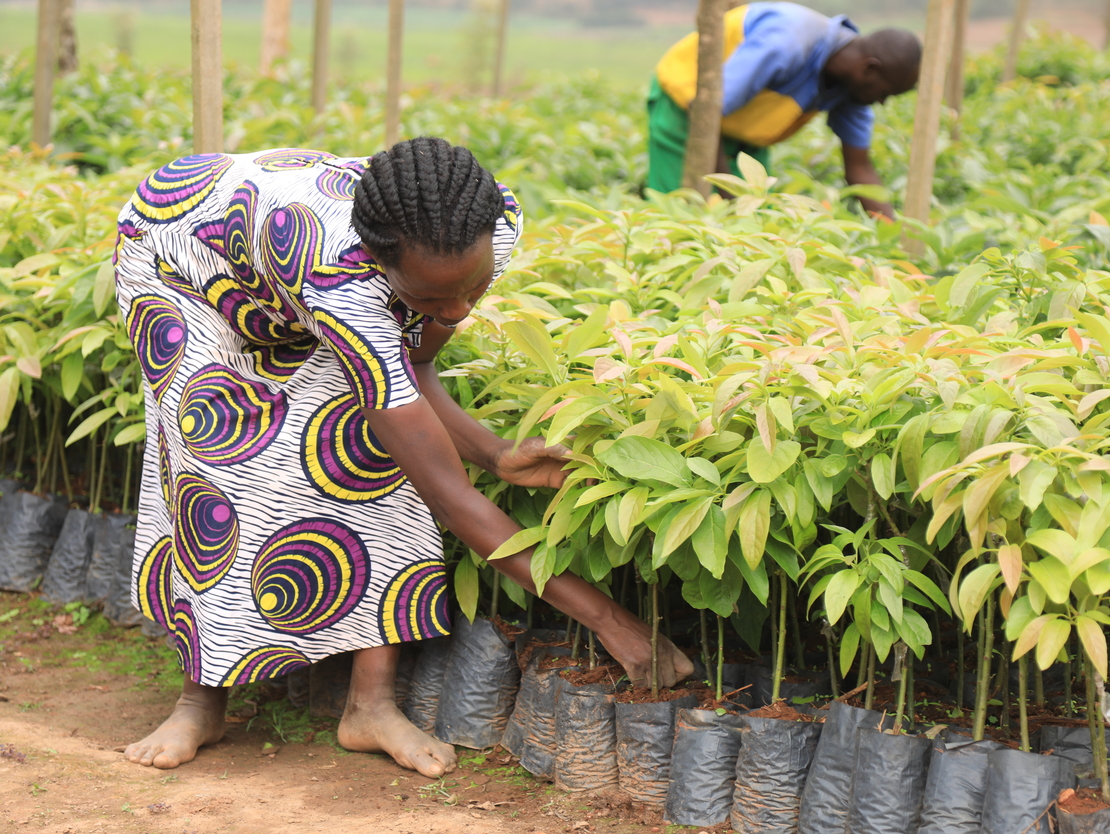
Initiatives like the Green Climate Fund-funded project, known as the Transforming Eastern Province Through Adaptation (TREPA), are actively empowering women to take leadership roles in restoring degraded landscapes and establishing a new paradigm of gender-responsive while deploying gender mainstreaming in all activities of TREPA on the ground.
Women Leading Change
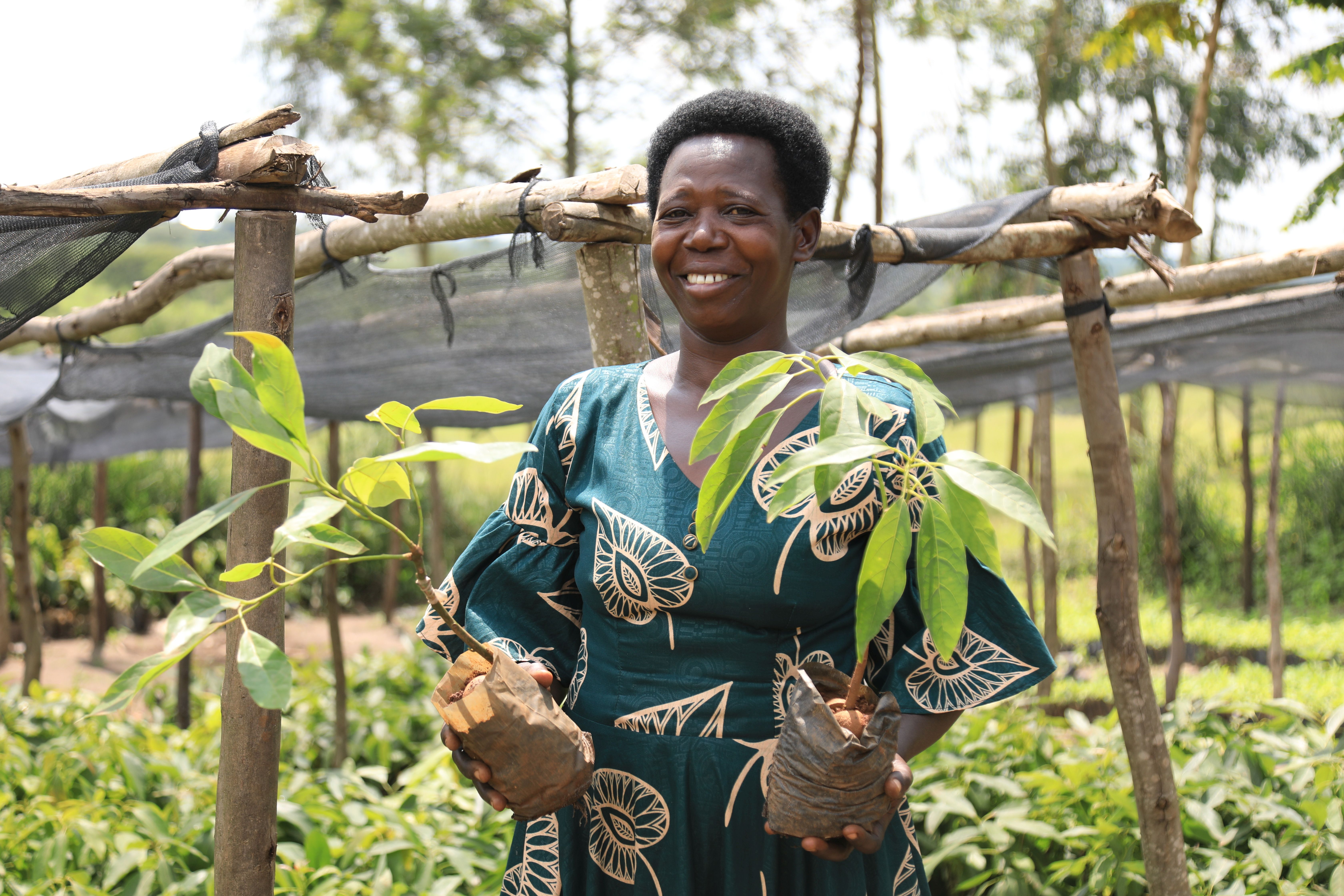
Nyirabakwiye Denise, a 38-year-old mother of two from Munyaga Sector, Rwamagana District, exemplifies this shift. For the past three years, Denise has been championing environmental conservation practices, helping more than 100 small-scale farmers adopt sustainable land restoration methods. Every morning, she joins other women to organise activities such as nursery preparation, fruit tree planting, soil management, and fruit distribution. She also encourages fellow female farmers to take leadership roles, strengthening the cooperative, which is composed mostly of women.
Through initiatives like planting avocados, women in Denise’s cooperative have improved nutrition for their families, reduced household expenditure on fruits, and generated additional income through selling their avocados to the Rwanda National Agricultural Export Board- NAEB. The benefits of land restoration extend beyond finances. Access to improved cooking stoves has reduced the time women and children spend collecting fuel, freeing them for more productive work.
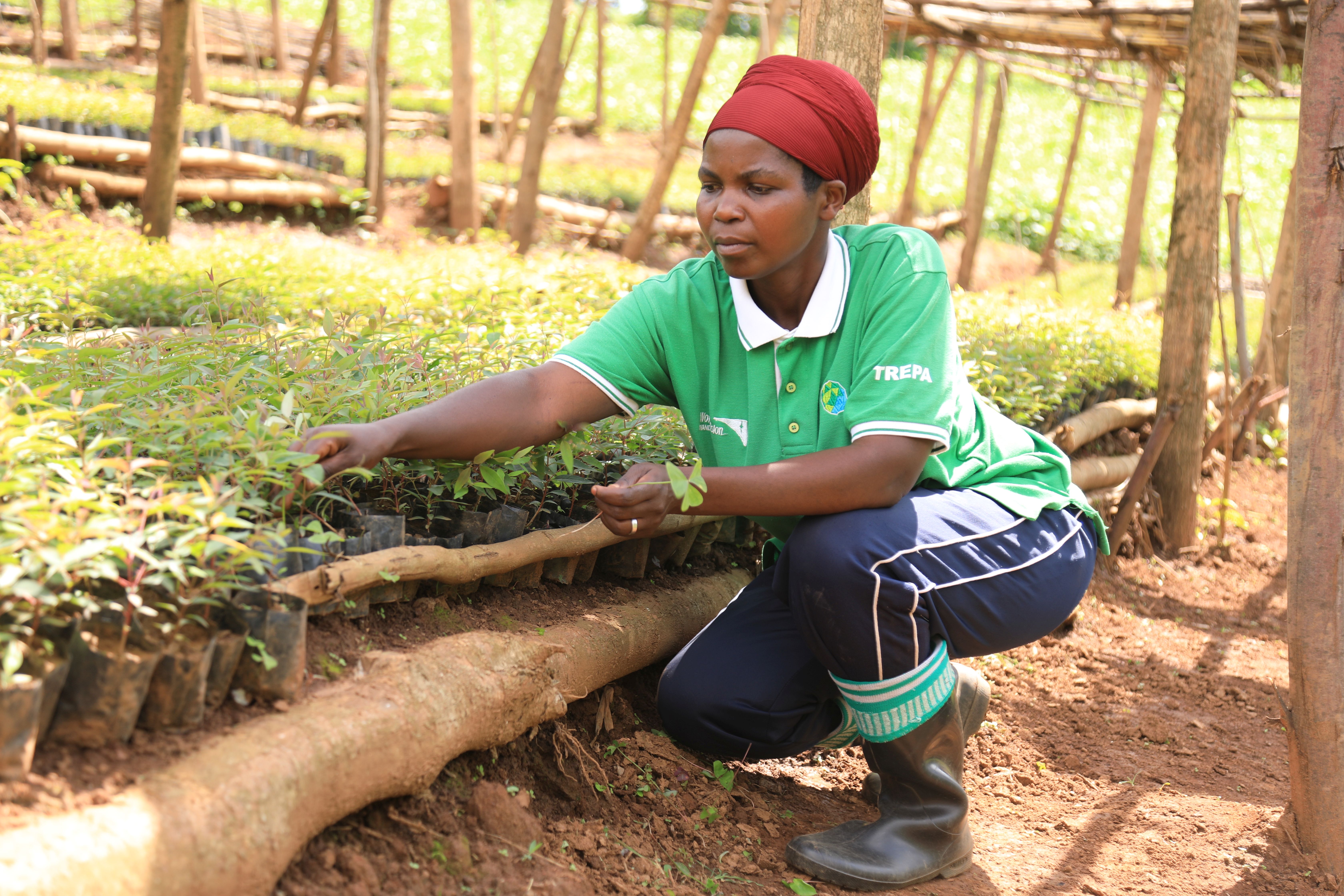
Cyiza Angelique, another farmer in Rwamagana, reflects on the impact: “The time we spent collecting firewood is now spent on other productive activities.”
TREPA’s Gender-Responsive Approach
From the outset, TREPA recognised that women are not only extremely affected by environmental degradation but are also vital agents of restoration. Across districts, including Nyagatare, Gatsibo, Kayonza, Rwamagana, Kirehe, Ngoma, and Bugesera, the project immerses itself in community realities, declining soil fertility, erratic rainfall, and mounting pressure on natural resources. Women who manage household fields, collect water and firewood, and ensure food security, bring firsthand knowledge of land vulnerabilities.
TREPA places gender responsiveness at the centre of its design. It intentionally includes women in decision-making, leadership, and technical activities.
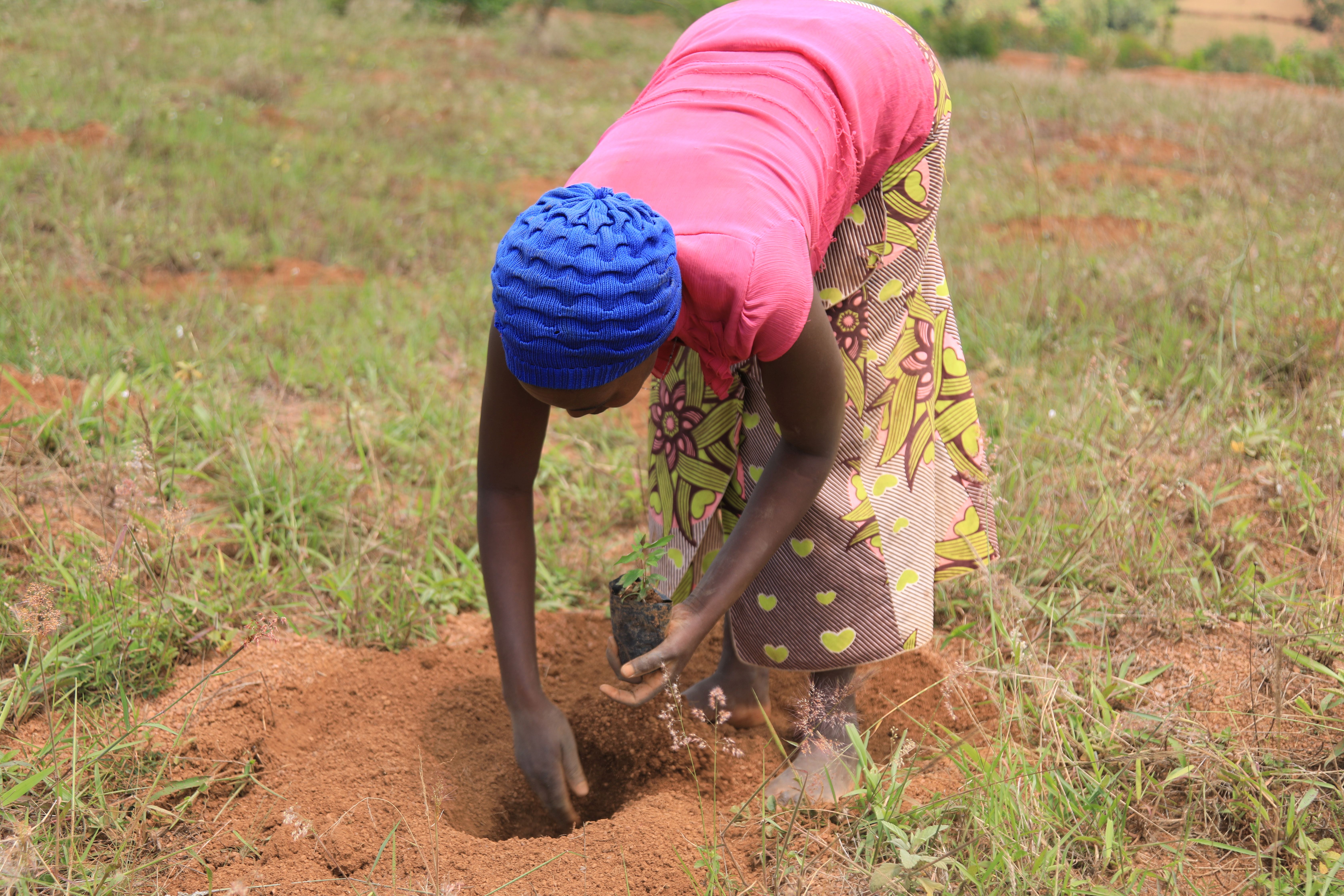
“Before TREPA, we only dreamed of seeing trees grow on our land,” says Jolly Mukangarambe from Nyagatare. “Now, I plant trees with my own hands, care for them, and watch them grow. I never thought a woman like me could make the land revive again.”
Building Skills and Economic Empowerment
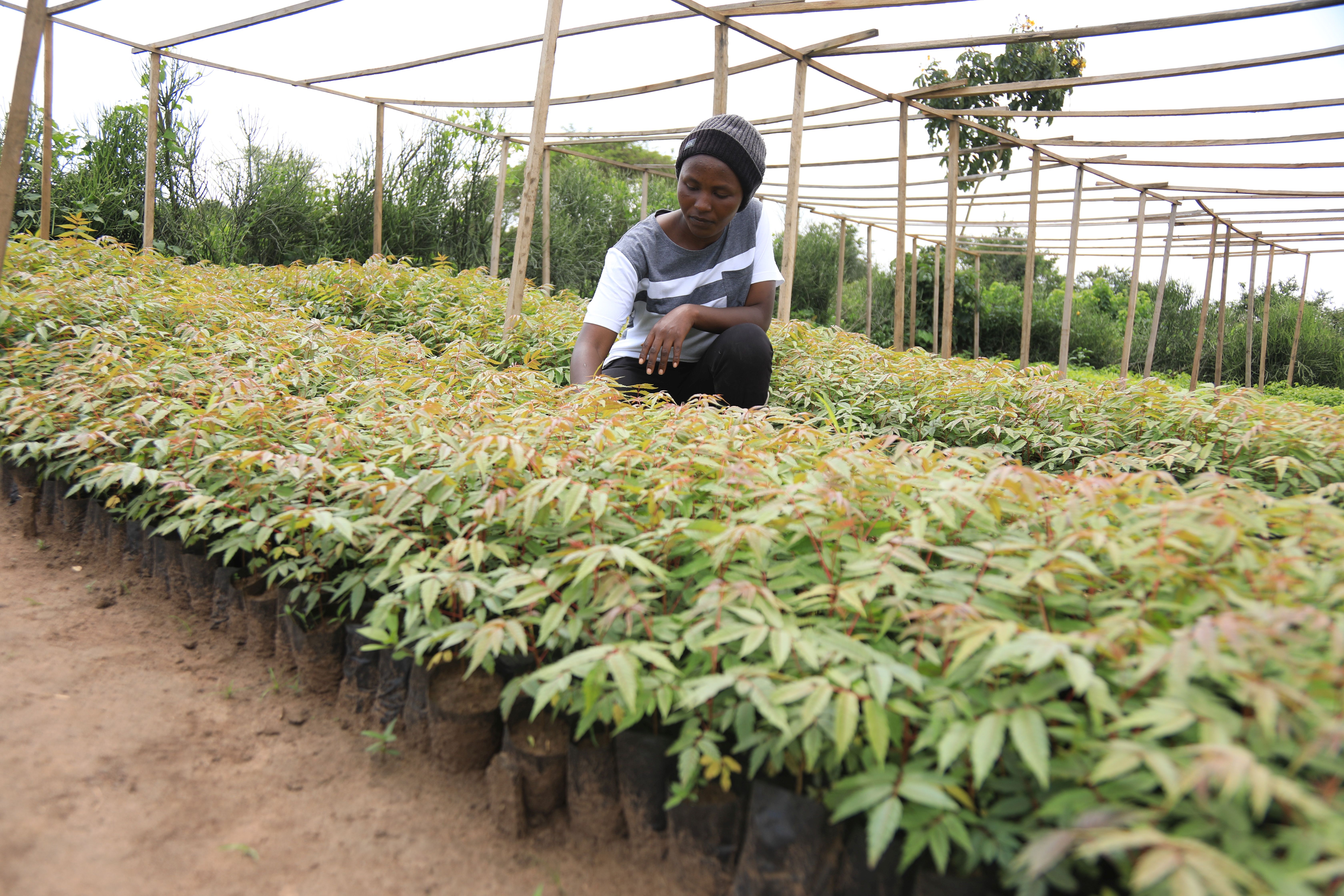
Women’s cooperatives have become the cornerstone of TREPA’s restoration economy. Though cooperatives are not founded based on gender, there are some cooperatives which were born with the initiative of women. These groups manage nurseries that produce seedlings for hillsides, riverbanks, and community woodlots. Through TREPA training, women acquire nursery preparation, management and agroforestry skills, ensuring seedlings are healthy and resilient.
This technical training quickly translates into economic opportunity. Women now earn a steady income from seedling sales, land preparation services, and restoration contracts. This new financial independence allows them to contribute to household needs, pay school fees, improve nutrition, and diversify livelihoods.
Jolly Mukangarambe reflects: “TREPA taught us that our voice counts. I now lead in our village in restoring the land. Both men, women and youth listen to me, and I help decide where to plant, how to protect and grow the trees planted, and how to use the land well. I feel strong, respected, and hopeful, thanks to the TREPA project”.
Leadership and Decision-Making
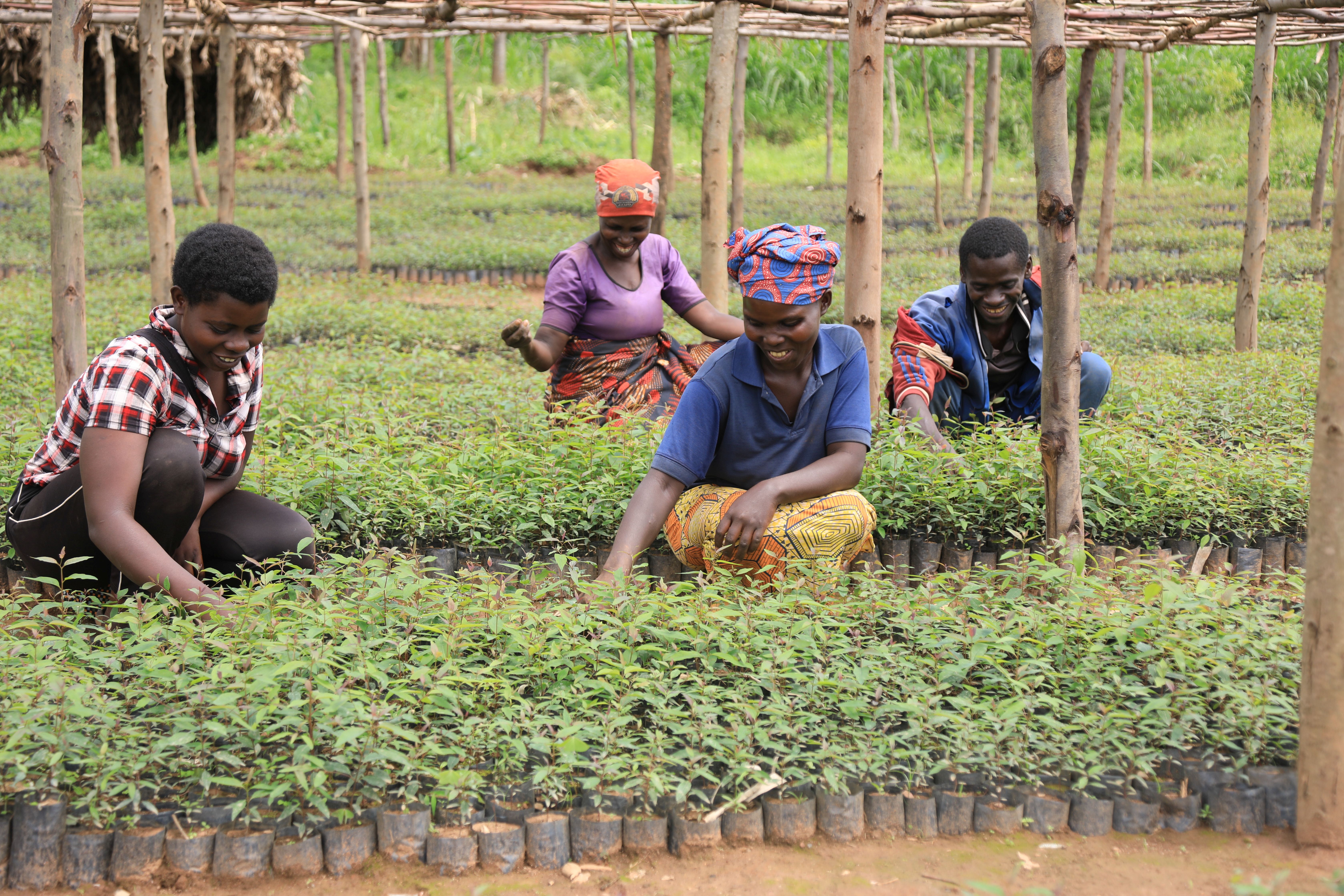
TREPA’s gender-responsive practices extend beyond economic participation. Women step into leadership roles within landscape committees, farmer field schools, and community resource management structures. They influence where trees are planted, which sites to restore, how water-harvesting structures are maintained, and how restored areas are protected.
Where women’s voices were once silenced in community meetings, TREPA strengthens their confidence and leadership skills. They now facilitate learning sessions, organise community mobilisations, lead monitoring visits, and advocate for restoration priorities. Restoration planning becomes inclusive, governance becomes more gendered, and shared responsibility strengthens community cohesion.
Nyirasikubwabo Donathalie from Nyagatare shares: “I used to think forests and land were only for men to manage, but TREPA showed me we women can do it too. Today I plant, protect, and manage the land with my neighbours. I feel proud because I am leaving something for my children.”
Environmental and Social Transformation
The environmental impact of women-led restoration is visible. Hillsides once ravaged by erosion are stabilising under agroforestry and private forest management unit practices. Degraded hills are healing as vegetation retains soil, water remains longer in fields, and crop yields improve. Fruit trees planted near homesteads enhance nutrition and provide additional income.
Beyond the environment, women are redefining social norms. Their leadership demonstrates that restoration projects become more locally rooted, responsive, and sustainable when women guide them. Cooperatives, self-help groups, and peer learning circles strengthen social cohesion, motivation, and collective responsibility, ensuring the long-term sustainability of restoration efforts.
Conclusion
TREPA project’s work shows that land restoration thrives when women lead. Women restore soils while restoring their confidence, protect the environment while achieving economic independence, and heal degraded landscapes while reshaping community perceptions of gender roles. Across Rwanda’s Eastern Province, women who once bore the harshest consequences of environmental degradation are now driving a regional movement of ecological and social regeneration. Through their leadership, landscapes are turning green again, communities are becoming more resilient, and a new model of inclusive, gender-responsive climate action is evolving.
The six-year investment is being jointly executed by IUCN in collaboration with the Government of Rwanda through the Rwanda Forestry Authority (RFA), CIFOR- ICRAF, Cordaid, and World Vision.
For media inquiries, please contact:
Habimana Jean Claude
Communications and Membership Officer – IUCN Rwanda


Disclaimer
Opinions expressed in posts featured on any Crossroads or other blogs are those of the authors and do not necessarily reflect the opinions of IUCN or a consensus of its Member organisations.
In Kashkadarya, Khorezm and the Republic of Karakalpakstan, local communities are helping turn…
The third in a five-part series, this webinar brought together speakers from across West and…

This week, the Yerevan Municipality hosted the inaugural ceremony marking the establishment of the…