Mediterranean Monk Seal: Too Blessed to be Stressed
On International Day of the Seal, we shine a light on one of the Mediterranean’s most emblematic and threatened marine mammals. As part of our #SpeciesoftheMonth series, we highlight the Mediterranean monk seal (Monachus monachus), a symbol of both vulnerability and recovery in the Mediterranean Sea.
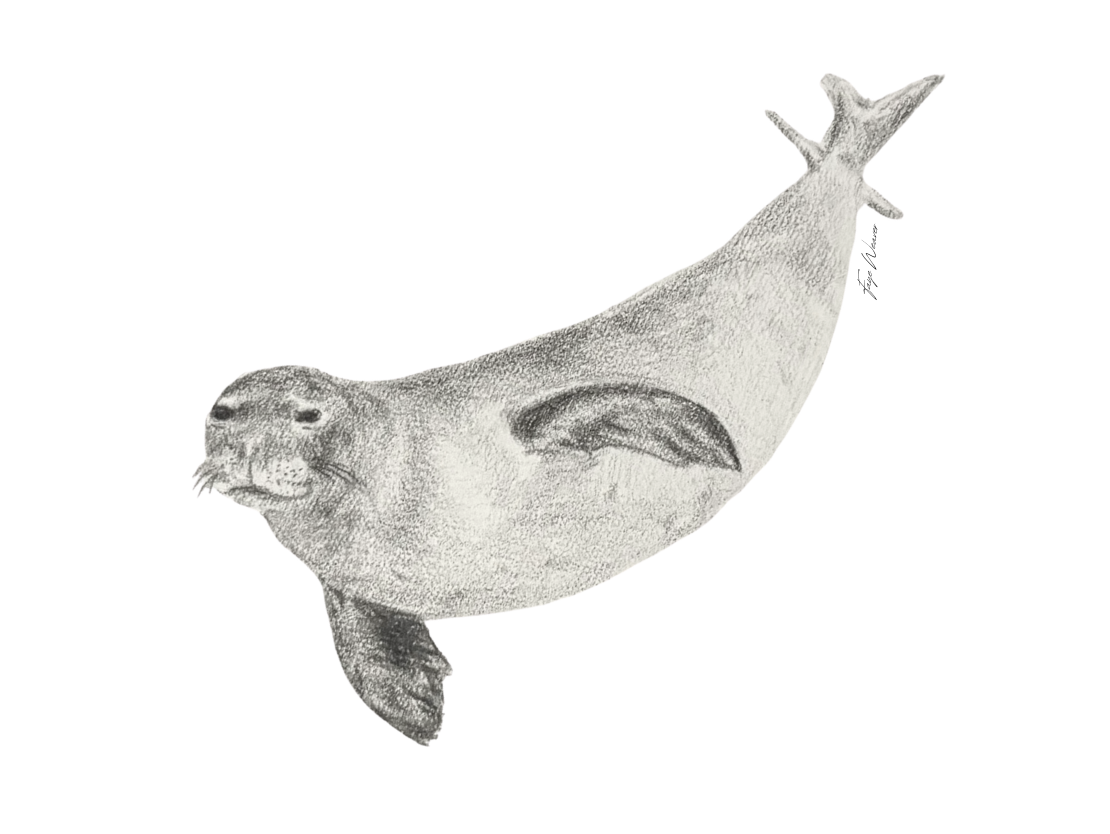
The Mediterranean monk seal is the only seal species resident in the Mediterranean, making it one of the rarest mammals on Earth. Today, its population is estimated at around 800 to 1,000 individuals, distributed across a few key regions including Greece, Türkiye, Cyprus, in the Mediterranean, Madeira and Cabo Blanco in the Atlantic.
Hidden along remote coastlines and often sheltering inside marine caves shaped by waves and time, this elusive species remains one of the least seen animals in the region. Its presence tells a powerful story, not only about survival, but about the health of our seas.
Fascinating facts about the Mediterranean monk seal:
Did you know? The name “monk seal” comes from the folds of skin around its head and neck, which resemble a monk’s hood when the animal is on land.
A unique signature from birth, Mediterranean monk seals show distinct differences across life stages and exhibit sexual dimorphism. Pups are born with a dark coat and a distinctive white or yellowish belly patch, unique to each individual. As they grow, adults vary in colour, with males typically darker and females lighter. These features help researchers identify and monitor individuals over time.

These amazing seals are opportunistic predators, feeding on fish, crustaceans, and cephalopods. Among their preferred prey is octopus, a rich source of energy. An adult can consume between 5% and 10% of its body weight each day.
Mediterranean monk seals are true masters of the “siesta”. They can rest both on land and in the water, floating at the surface or briefly settling on the seabed, conserving energy between dives.
Why protect the Mediterranean monk seal?
By protecting the seal, we can protect larger ecosystems that are essential to maintaining a healthy and functioning sea that supports both wildlife and human well-being. How can you help protect this emblematic species? Individual and collective actions can make a measurable difference:
Reduce plastic consumption
Plastic has found its way into the Mediterranean monk seal’s diet and habitat. Limiting plastic waste helps prevent pollution in marine and coastal environments, reducing risks such as ingestion and entanglement for many species.
Support protected areas
Habitat loss is an issue facing the Mediterranean monk seal. Effectively managed protected areas help conserve habitats, sustain biodiversity, and allow ecosystems to recover and function properly.
Promote informed awareness
Understanding begins with reliable, science-based knowledge. Be curious, ask questions, about the Mediterranean monk seal or about other species. Turning to trusted sources helps us see nature more clearly and care for it more responsibly.
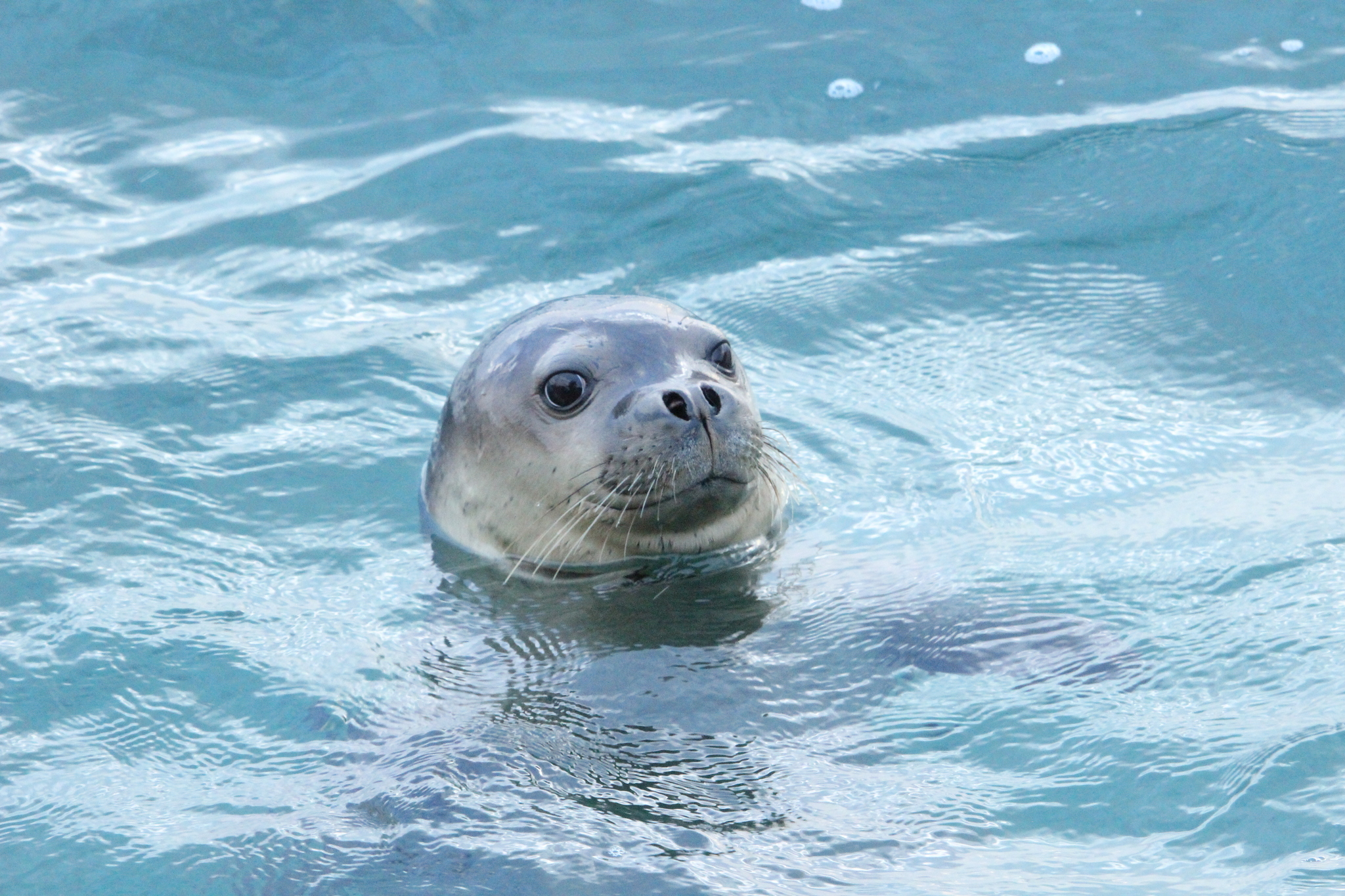
The future of the Mediterranean will be shaped by what we choose to protect today.
With passion for the life of our seas,
Marina Gómez Valderrama.
-------------------------------------------------------------------------------------------------------------------------------
Bibliography:

Disclaimer
Opinions expressed in posts featured on any Crossroads or other blogs are those of the authors and do not necessarily reflect the opinions of IUCN or a consensus of its Member organisations.
In Kashkadarya, Khorezm and the Republic of Karakalpakstan, local communities are helping turn…
The third in a five-part series, this webinar brought together speakers from across West and…

This week, the Yerevan Municipality hosted the inaugural ceremony marking the establishment of the…