Communities and Marine Protected Areas Advance IUCN Green List Progress Across the Coral Triangle
Across the Coral Triangle, communities, marine protected area managers, governments, and conservation partners are working together to strengthen the effectiveness of marine protected and conserved areas under the SOMACORE programme. Supported by the German Federal Ministry for the Environment, Climate Action, Nature Conservation, and Nuclear Safety (BMUKN) through the International Climate Initiative (IKI), SOMACORE is implemented by a regional consortium coordinated by GIZ in partnership with the Coral Triangle Center (CTC), IUCN, and other national, regional, and international organizations across the six Coral Triangle countries to strengthen marine conservation, coastal resilience, and community-based stewardship.
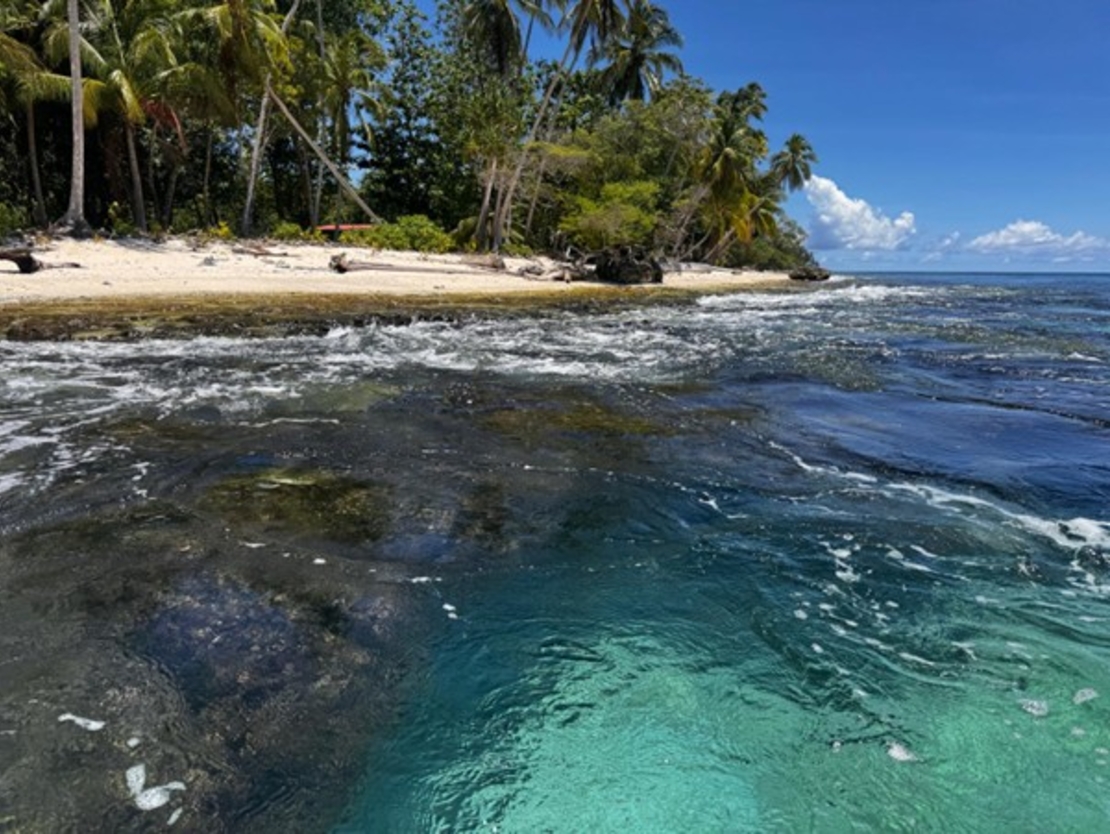
Over the past months, from late 2025 to mid-2026, activities supported by IUCN Asia and Oceania Regional Offices and SOMACORE partners (CTI-CFF Regional Secretariat, Coral Triangle Center, and other partners) have highlighted how marine protected and conserved areas, including MPAs, LMMAs, and OECMs, remain closely connected to the communities that depend on them. From the Solomon Islands and Papua New Guinea to Indonesia and the Philippines, these exchanges have brought together local knowledge, conservation practice, and regional cooperation around a shared objective: healthier and more resilient marine ecosystems.
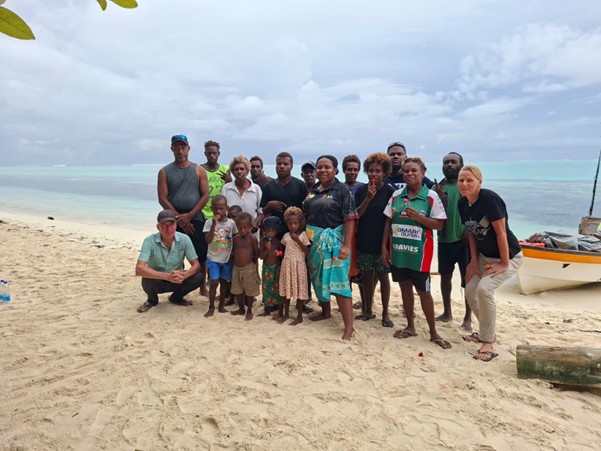
In the Solomon Islands, the Arnavon Community Marine Park (ACMP) advanced its Green List process through participatory training, self-assessment, and roadmap workshops organised under SOMACORE with support from TNC. Community representatives, women’s groups, government agencies, and conservation partners gathered to reflect on conservation priorities and governance systems grounded in customary marine stewardship. Representatives from Wagina, Kia, and Katupika communities, together with the KAWAKI Women’s Network, contributed directly to discussions on fisheries management, conservation planning, and long-term sustainability. The assessment confirmed the important role community leadership and co-management already play within the Arnavons.
In Papua New Guinea, national Green List orientation workshops and field assessments were carried out for the Lovongai and Murat Marine Protected Areas in New Ireland Province with WCS PNG. Indigenous communities, local governments, national agencies, and conservation organisations came together to identify management strengths and areas requiring additional support. The discussions highlighted the importance of customary marine tenure systems and locally managed marine areas (LMMAs) in sustaining biodiversity, fisheries, and cultural values across coastal communities. Participants also reflected openly on challenges faced by many remote MPAs, including limited operational resources, gaps in ecological monitoring systems, and the need for long-term financing.
Previously in Bali, Indonesia, marine conservation experts from across the six Coral Triangle countries gathered for a regional training on the IUCN Green List Standard and assessment process in February 2026. Organised by IUCN and the Coral Triangle Center under SOMACORE, the workshop strengthened the capacity of the newly established Coral Triangle Expert Assessment Group for the Green List (EAGL). The regional network will support future assessments of marine protected and conserved areas across the Coral Triangle and help strengthen transparent, science-based evaluations linked to governance, management effectiveness, and conservation outcomes.
Momentum also continued in the Philippines, where Apo Reef Natural Park hosted a subregional IUCN Green List orientation and participatory self-assessment workshop involving MPA managers, local government representatives, national authorities, and conservation partners. Discussions at Apo Reef highlighted strong governance structures, operational management systems, and conservation outcomes linked to coral reef protection and fisheries habitats. The process also identified opportunities to strengthen climate adaptation planning and long-term monitoring systems as the site progresses toward potential Green Listing.

Together, these activities reflect a broader shift taking place across the Coral Triangle. Expanding marine protected area coverage remains important, but increasing attention is now being given to management quality, governance systems, community participation, and long-term conservation outcomes.
This regional collaboration continued during the CTI-CFF Marine Protected Area Technical Working Group (MPA TWG) meeting held in Malaysia in May 2026. During the meeting, the IUCN team provided technical assistance and training on the Green List Self-Assessment Tool (GL-SAT) as a complementary mechanism for assessing management effectiveness within the Coral Triangle Marine Protected Area System (CTMPAS).
The CT6 countries also agreed on draft policy recommendations for the upcoming Senior Officials Meeting (SOM-21). These included recognition of the GL-SAT as a complementary tool for CTMPAS, acknowledgement of the self-assessment progress from nine of the twelve nominated Green List pilot sites, and support for the future revised CTMPAS framework aligned with the CTI-CFF Regional Plan of Action, global biodiversity targets, and the IUCN Green List framework for MPAs, LMMAs, and OECMs. Countries further agreed to request support from the Coral Triangle Expert Assessment Group for the Green List (EAGL) as part of the external review process for CTMPAS.
While the context differs from one country to another, many of the discussions shared similar priorities: community stewardship, traditional knowledge, stronger regional cooperation, and the need for long-term support systems for marine conservation.
Across the Coral Triangle, these exchanges continue to strengthen connections between local experiences and regional policy discussions. They also reflect a growing recognition that resilient marine ecosystems depend on strong community stewardship and sustained collaboration across the region.


Disclaimer
Opinions expressed in posts featured on any Crossroads or other blogs are those of the authors and do not necessarily reflect the opinions of IUCN or a consensus of its Member organisations.

The Bangladesh Forest Department (BFD) and IUCN Bangladesh, with support from Agence Française de…

Each year, International Women's Day is an opportunity to recognise the women advancing change in…

On 14 January 2026, in Dhaka, the Bangladesh Forest Department and IUCN Bangladesh formally signed…