Coral Triangle stories: Local Stewardship Is Strengthening the Lesser Sunda Seascape
As the tide slowly retreated along the coast of Alor Island in eastern Indonesia, a group of women stepped carefully through the mud carrying young mangrove seedlings in their hands. For Mama Martha and the women of Kelompok Cinta Persahabatan, restoring mangroves has become part of daily life, shaped by years of living closely with the sea and witnessing changes along their coastline.
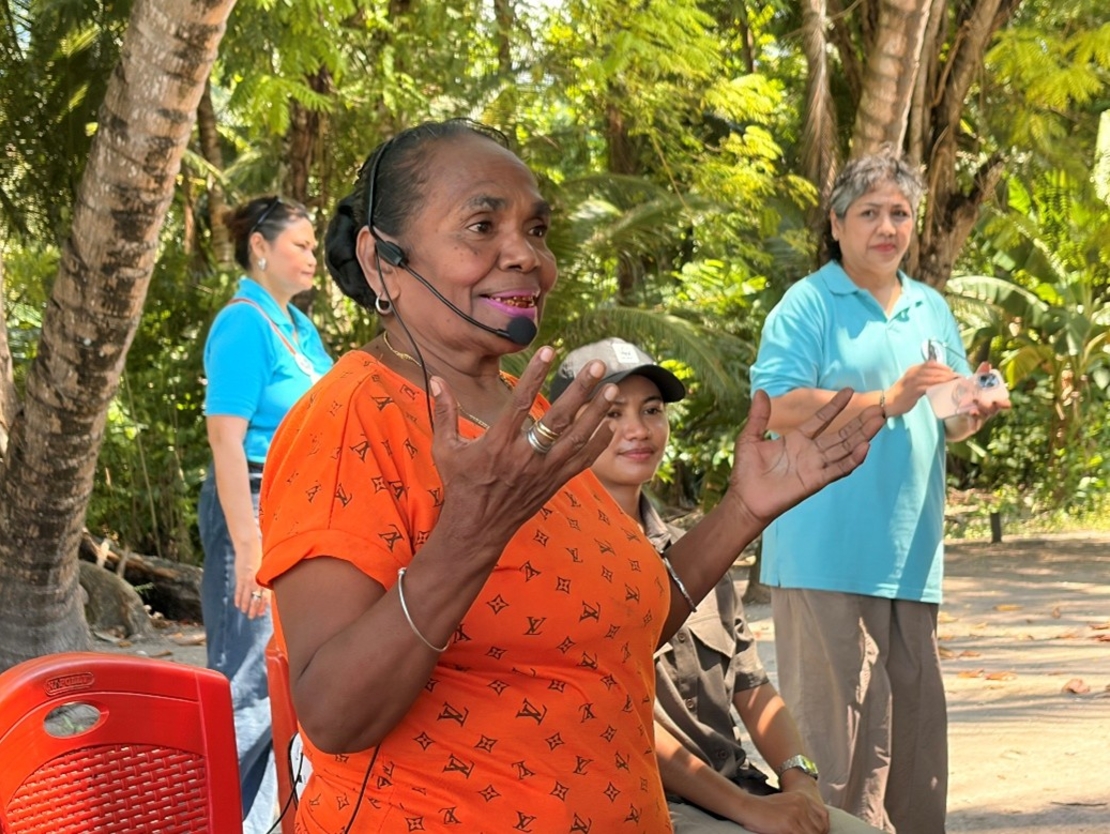
Mama Martha spoke passionately about her mangrove restoration work together with fellow local women conservationists through the KCP women-led mangrove restoration initiative during the Alor MPA site visit.
Founded by Mama Martha and twelve of her friends, the group has spent years rehabilitating degraded mangrove areas in Alor. The work is physically demanding, but deeply personal. Mangroves protect their villages from erosion, support fisheries, and provide a source of security for future generations.
In March 2026, their efforts became part of a wider regional discussion when partners from across the Coral Triangle gathered in Alor for the SOMACORE Steering Committee Meeting and field visits under the “Solutions for Marine and Coastal Resilience in the Coral Triangle” programme.
The visit to Alor Marine Protected Area (MPA), located within the Lesser Sunda Seascape, brought together conservation organisations, universities, local authorities, and community representatives to reflect on how marine conservation is evolving across the region.
One of the strongest impressions from the visit came from conversations with local communities themselves. Discussions moved easily between science, traditional knowledge, fisheries, and the realities communities face every day along the coast.
“Center of Excellence recognises the traditional scientific knowledge of communities as an important resource and expertise,” said Dr. Jahved Ferianto Maro, Vice Rector at Universitas Tribuana Kalabahi and manager of the University’s Center of Excellence.
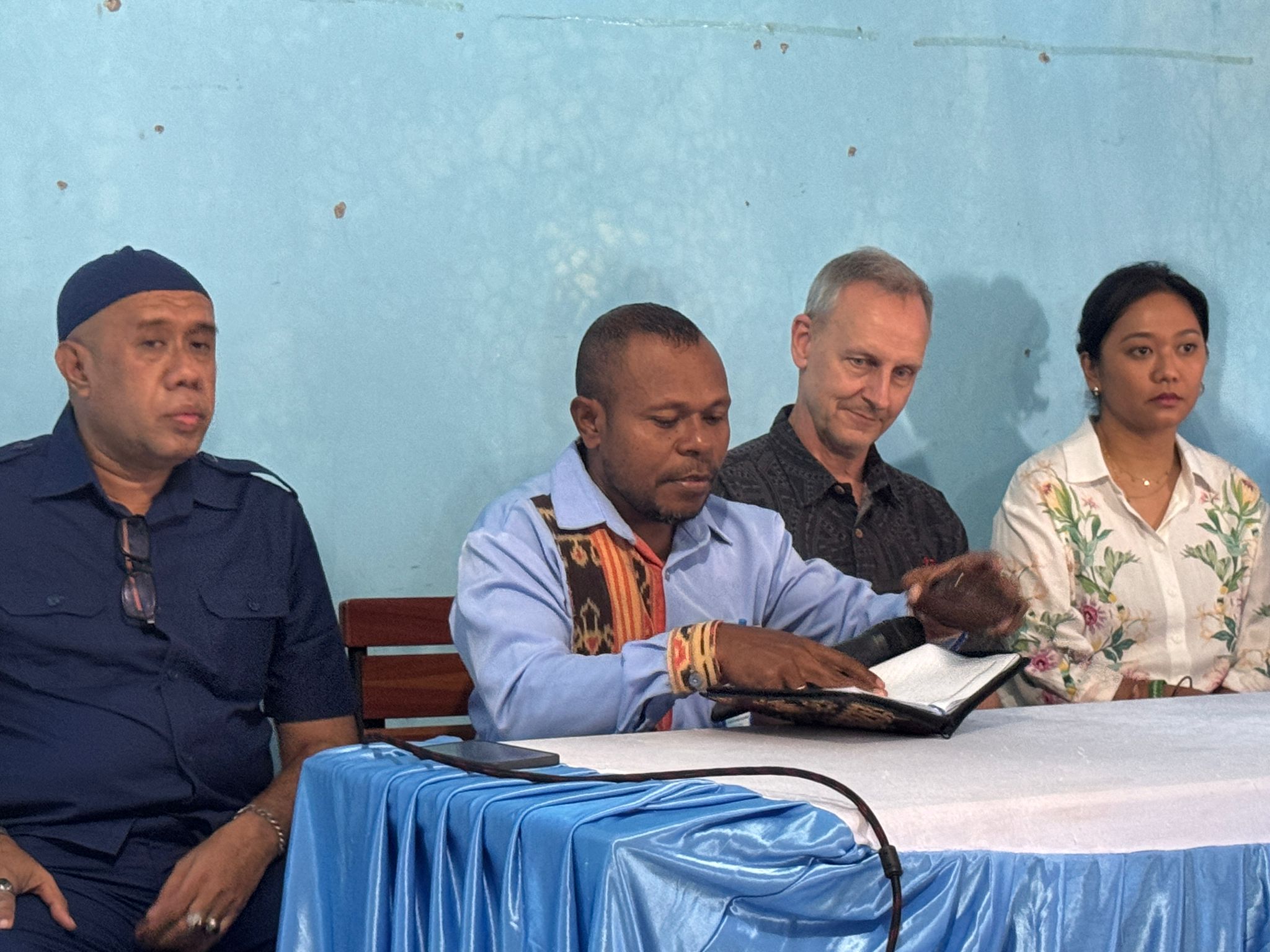
The Center of Excellence has become an important meeting point between universities, local government, conservation organisations, and coastal communities in Alor. During the visit, partners discussed mangrove restoration, marine stewardship, dugong conservation, waste management initiatives, and opportunities for strengthening long-term resilience in the area.
The Alor discussions also reflected something larger happening across the Coral Triangle over the past months.
With support from the German Federal Ministry for the Environment, Climate Action, Nature Conservation, and Nuclear Safety (BMUKN) through the International Climate Initiative (IKI), the SOMACORE programme works with CTI-CFF partners, governments, and communities to strengthen resilience, governance, and sustainable marine conservation across priority seascapes in the Coral Triangle.
Under the SOMACORE programme, IUCN and partners have been working with communities, governments, and marine protected area managers to strengthen conservation effectiveness across the region. In the Solomon Islands, communities from the Arnavon Community Marine Park participated in Green List self-assessments grounded in customary governance and community stewardship. In Papua New Guinea, field assessments in Lovongai and Murat MPAs highlighted the importance of Indigenous marine tenure systems and locally managed marine areas.
Together, these activities are helping shift the regional conversation from simply expanding MPAs or Locally Managed Marine Area (LMMAs) toward improving how they are governed, managed, and sustained over time.
In Alor Island, discussions also explored future opportunities linked to sustainable financing. Alor MPA is currently one of the pilot sites under the proposed Coral Reef Bond Indonesia initiative. As part of this process, the Alor MPA management team has already received preliminary orientation on the IUCN Green Listing process, as one of the proposed indicators for measuring conservation effectiveness.
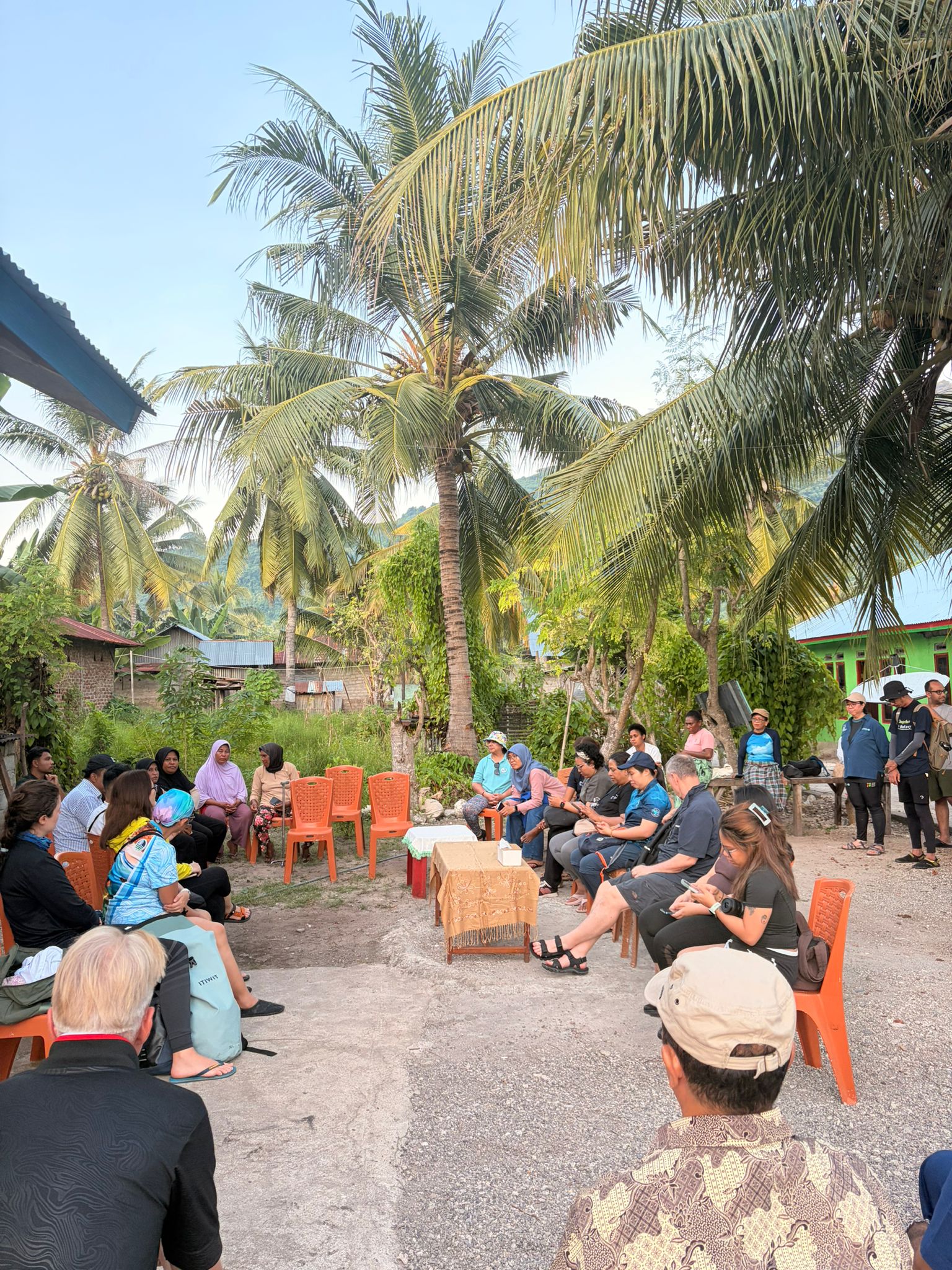
The visit to Alor formed part of the 2026 SOMACORE Steering Committee meeting led by GIZ, bringing together partners from across the Coral Triangle to exchange experiences, strengthen collaboration, and reflect on the growing momentum for marine conservation across the region. Discussions in Alor also reflected the island’s growing importance within the Lesser Sunda Seascape, where local conservation initiatives are increasingly helping connect communities, institutions, and regional collaboration across the Coral Triangle.
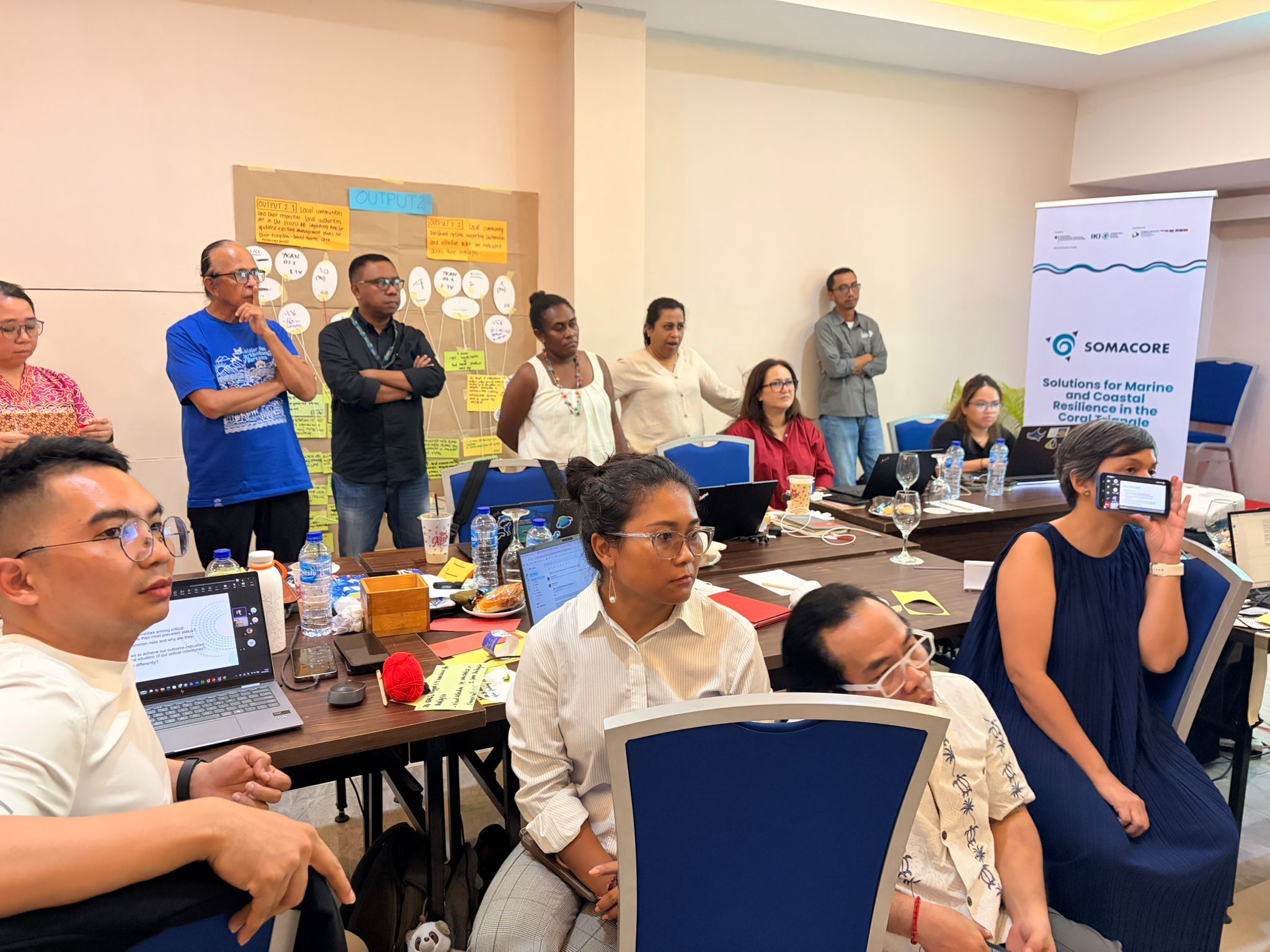
Particular attention was also given to PANORAMA Solutions, a CBD-recognised global platform that documents and shares conservation solutions and lessons learned from different countries and regions. Under SOMACORE, partners are working towards documenting and promoting 30 to 50 conservation solutions from across the Coral Triangle, including nominated sites for the IUCN Green List, which will contribute to the upcoming Solutions in Focus: Coral Triangle publication
Alongside the field visits, SOMACORE Partners also discussed how local experiences can better inform regional cooperation through the Coral Triangle Initiative on Coral Reefs, Fisheries and Food Security (CTI-CFF).
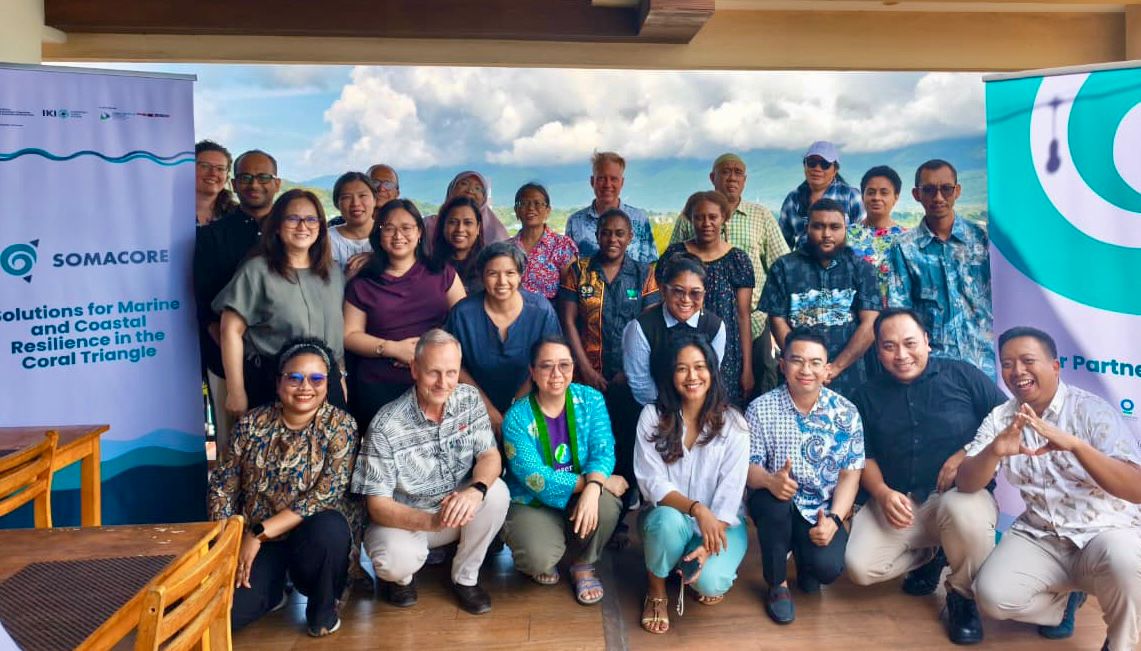
This regional collaboration continued during the CTI-CFF Marine Protected Area Technical Working Group (MPA TWG) meeting held in Malaysia in May 2026. During the meeting, IUCN colleagues provided technical assistance and training on the Green List Self-Assessment Tool (GL-SAT) as a complementary mechanism for assessing management effectiveness within the Coral Triangle Marine Protected Area System (CTMPAS). CT6 countries also agreed on draft policy recommendations for the upcoming Senior Officials Meeting (SOM-21), including recognition of the GL-SAT as a complementary tool for CTMPAS, acknowledgement of the self-assessment progress from nine of the twelve nominated Green List pilot sites, and support for the future revised CTMPAS framework aligned with the CTI-CFF Regional Plan of Action, global biodiversity targets, and the IUCN Green List framework for MPAs, LMMAs, and OECMs. Countries further agreed to request support from the Coral Triangle Expert Assessment Group for the Green List (EAGL) as part of the external review process for CTMPAS.
For many coastal communities across the Coral Triangle, these regional discussions may seem distant from everyday life. Yet in places like Alor, the connection is becoming more visible. Experiences from communities, site managers, and local institutions are increasingly helping inform regional discussions on marine conservation, management effectiveness, and long-term resilience across the region and globally.


Disclaimer
Opinions expressed in posts featured on any Crossroads or other blogs are those of the authors and do not necessarily reflect the opinions of IUCN or a consensus of its Member organisations.

The Bangladesh Forest Department (BFD) and IUCN Bangladesh, with support from Agence Française de…

Each year, International Women's Day is an opportunity to recognise the women advancing change in…

On 14 January 2026, in Dhaka, the Bangladesh Forest Department and IUCN Bangladesh formally signed…