World Conservation Day: Restoring Nature to Build Resilience, Cooperation and Lasting Peace
As climate change intensifies pressures on people and ecosystems, IUCN’s Global EbA Fund projects demonstrate how Ecosystem-based Adaptation (EbA) can advance climate resilience while fostering social cohesion, strengthening inclusive governance, and contributing to lasting peace outcomes.
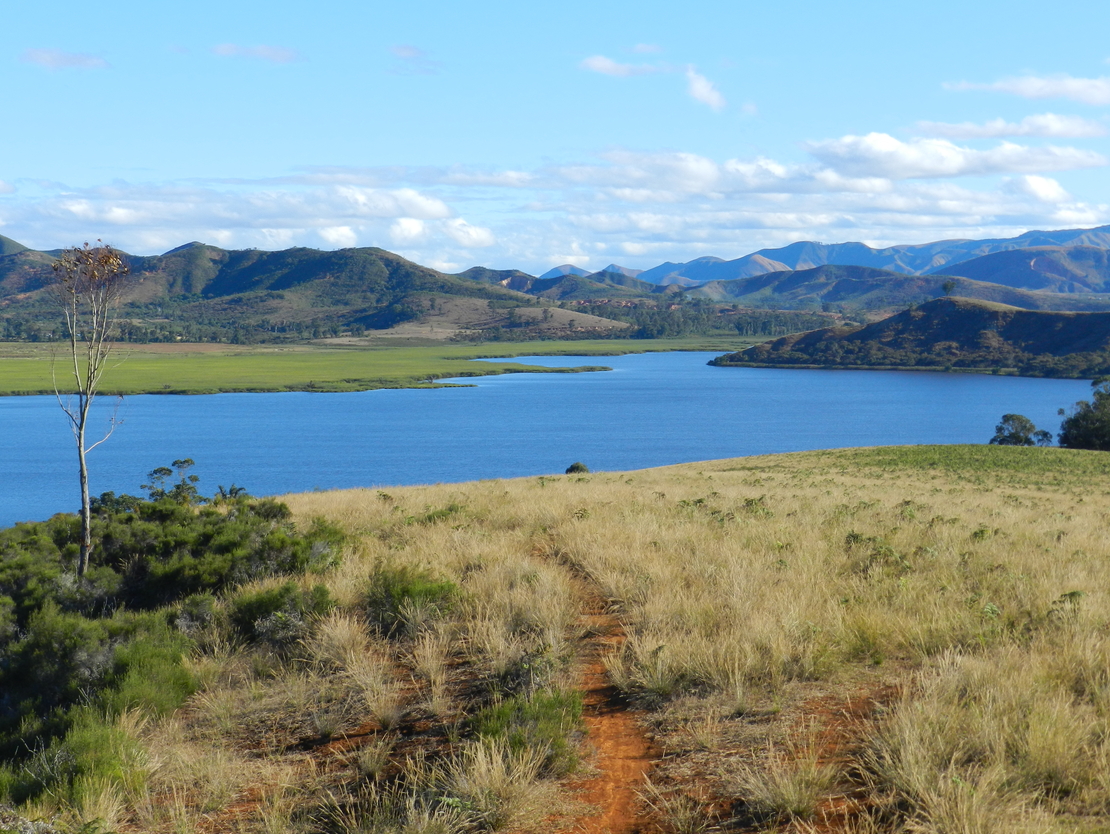
The world is currently facing the converging and escalating crises of climate change, biodiversity loss, and land degradation. At the same time, conflicts are globally on the rise, with 65 active conflicts recorded across 35 countries in 2025 – the highest number recorded since 1946. These environmental crises and conflicts are deeply interconnected, forming a feedback loop that exacerbates vulnerabilities and existing inequalities. Climate change can act as a threat multiplier, intensifying competition for scarce natural resources, disrupting livelihoods, and driving migration, ultimately increasing the risk of conflict. In turn, conflict and instability can severely hinder conservation efforts and undermine the resilience of ecosystems, further exacerbating climate vulnerabilities.
Against this backdrop, the Global EbA Fund provides support for catalytic, innovative, and inclusive projects that aim to create an enabling environment for the implementation of EbA, leveraging the power of nature to enhance resilience to climate change and offering a unique opportunity to address these interconnected challenges holistically. Through the sustainable management, conservation and restoration of ecosystems, EbA not only reduces climate risks but strengthens the links between climate resilience and social cohesion through inclusive and participatory natural resource governance and use, informed by environmental peacebuilding approaches, gender-responsive and conflict-sensitive project design. In doing so, nature-based solutions (NbS), such as EbA, can contribute to more effective climate adaptation while fostering more peace, generating benefits for both people and nature through the preservation of ecosystem services that underpin long-term well-being, sustainable development, and adaptive capacity.
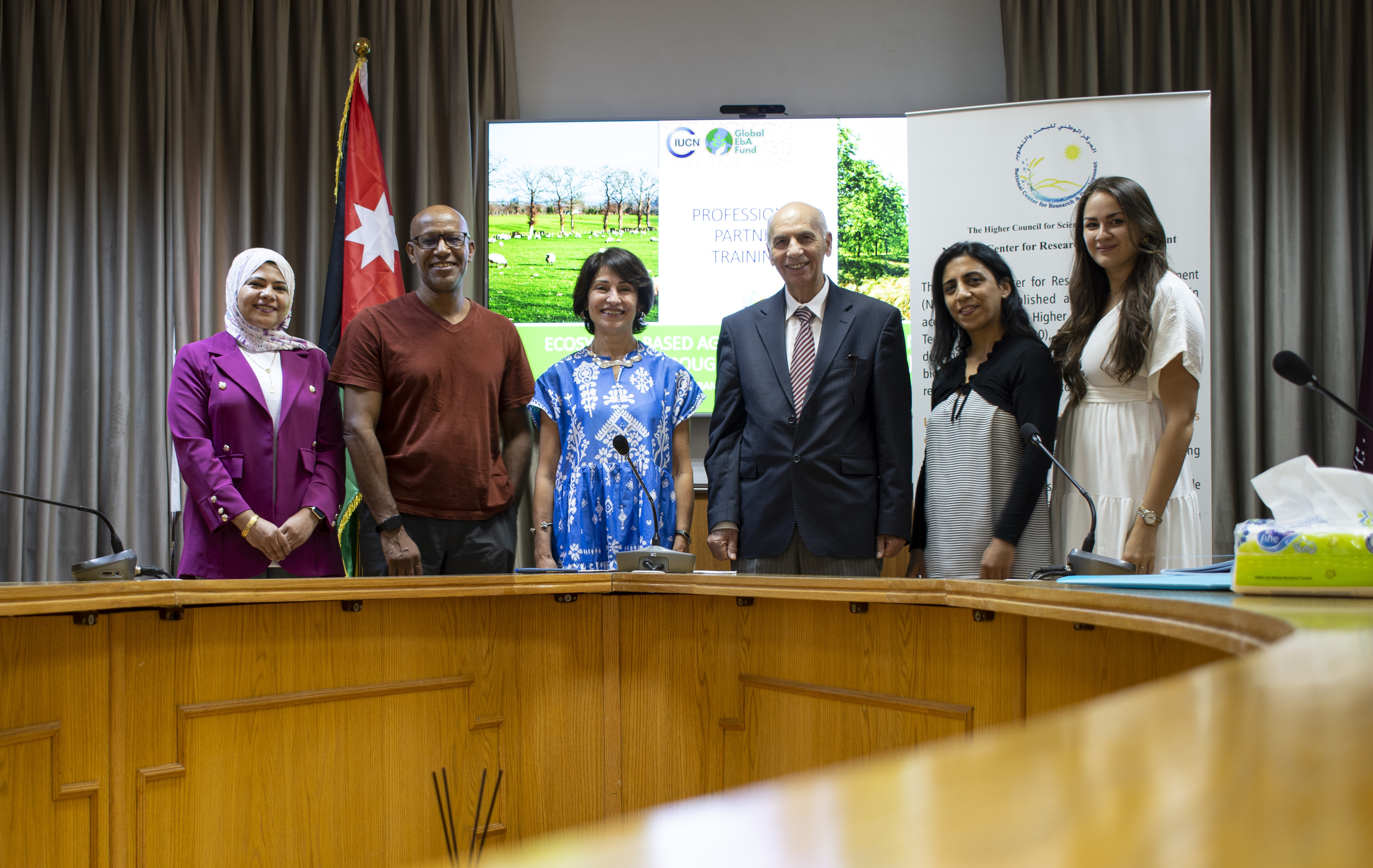
Lebanon, Jordan and Syria
Friends of Nature (FON), in partnership with the National Centre for Research & Development (NCRD) and the Syrian Society for the Conservation of Wildlife (SSCW), demonstrated how EbA can simultaneously strengthen climate resilience and social cohesion by addressing the underlying resource pressures that often contribute to local tensions. Through ecosystem-based agriculture approaches such as agroforestry, farmers reduced their dependence on increasingly scarce and contested water resources by improving soil moisture retention, enhancing biodiversity, and increasing the resilience of farming systems to drought and rising temperatures. These measures helped lower competition over natural resources while supporting more sustainable livelihoods for vulnerable rural communities. At the same time, the project applied a gender-responsive and conflict-sensitive approach, engaging women, smallholders, local authorities, cooperatives, NGOs, and community leaders to ensure equitable access to opportunities and avoid reinforcing existing inequalities. Regional collaboration among communities in Lebanon, Jordan, and Syria further fostered knowledge exchange, collective problem-solving, and shared stewardship of natural resources, helping build trust despite wider political and social divisions.
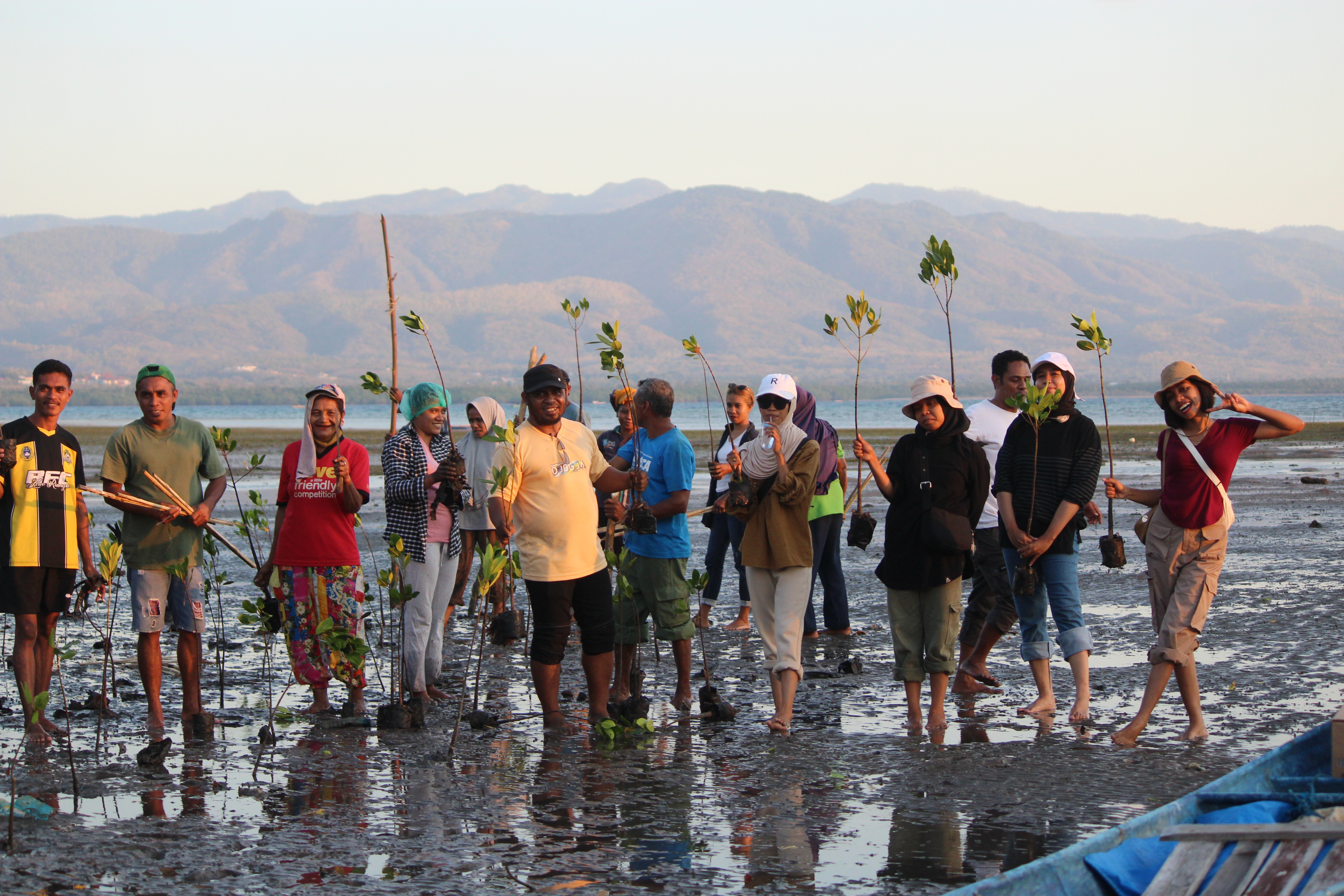
Indonesia
The PANTAI (Pengelolaan Adaptasi untuk Tata Kelola Integratif) project, implemented by Yayasan Plan International Indonesia, in partnership with Yayasan Bina Sejahtera Baru, demonstrates how EbA can support the revitalisation of the traditional Muro marine conservation system, focused on restoring and sustainably managing ecosystems while preventing overexploitation and delivering biodiversity, climate adaptation, and social benefits. Rather than treating youth and women as beneficiaries, the project positions them as leaders and decision-makers within customary governance structures, with youth comprising 43% of Muro committee members and playing a central role in conservation monitoring, compliance, and innovation. Through youth-led initiatives such as the Mangrove Lab, Pondok Perubahan (a digital knowledge platform), and environmentally conscious local enterprises, the project connects traditional ecological knowledge with climate action, digital innovation, and sustainable livelihoods. Muro’s participatory governance system, grounded in customary law and intergenerational knowledge-sharing, creates inclusive platforms for dialogue, joint decision-making, and conflict resolution. The experience highlights that effective climate adaptation is not solely a technical challenge; it is also a social process that can strengthen trust, cooperation, and stability when rooted in local culture, youth leadership, gender equality, and strong links between customary and formal governance systems. By restoring mangroves, promoting sustainable fisheries management, and strengthening community stewardship, the project enhances the capacity of coastal communities to adapt to climate-related risks such as coastal erosion, heat waves, and declining marine resources.
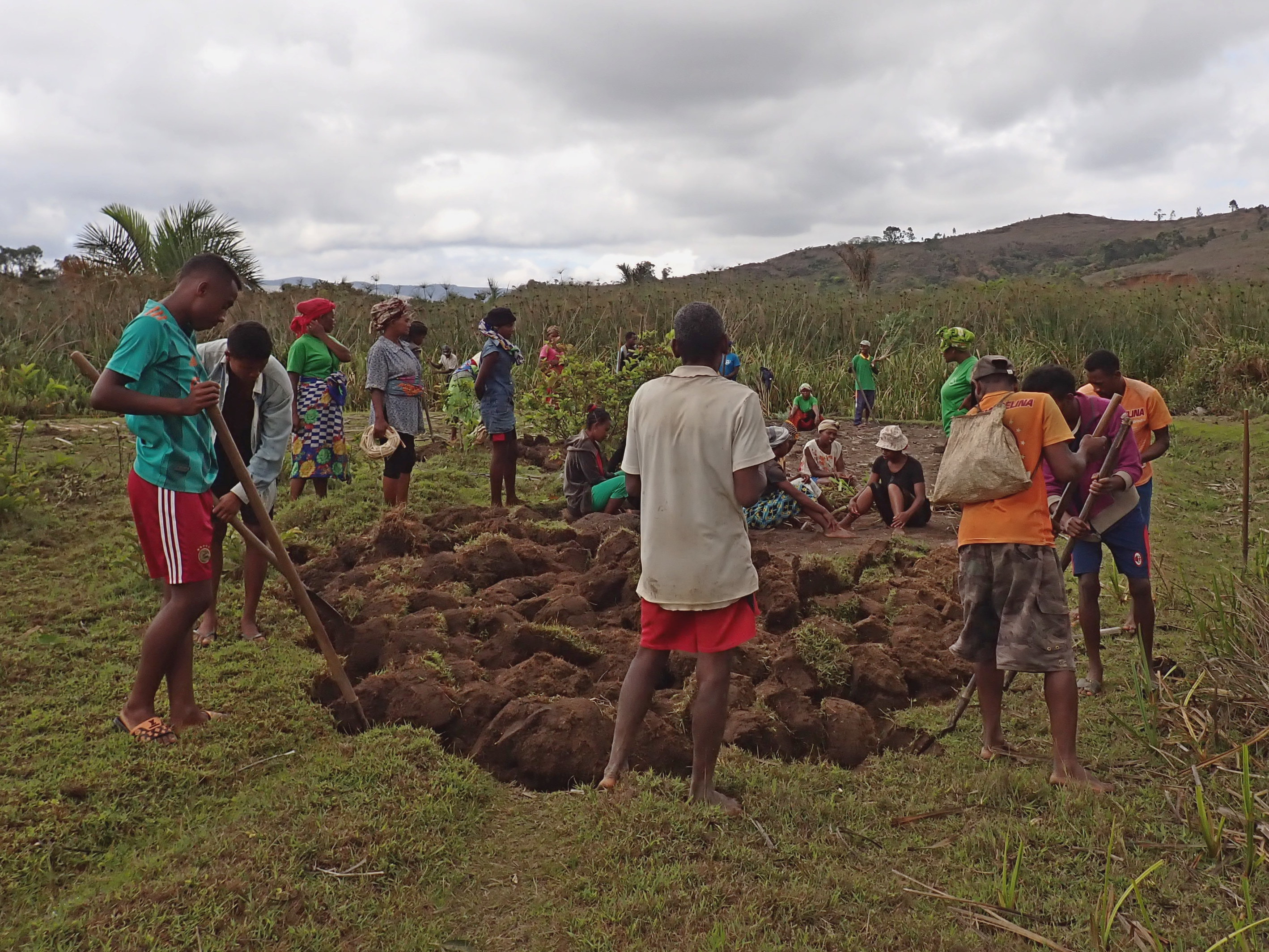
Madagascar
The Wildfowl & Wetlands Trust is demonstrating how community-led EbA can build climate resilience while strengthening inclusive governance and collective action. By providing direct, small-scale grants to community wetland management groups (VOIs), coupled with mentoring, peer learning, and capacity development, the initiative has empowered communities to identify climate and ecosystem threats, define their own priorities, and implement locally appropriate solutions. The project’s emphasis on gender-responsive and conflict-sensitive approaches – including elevating the voices of women, youth, and other marginalised groups, establishing anonymous grievance mechanisms, and applying environmental and social safeguards – has strengthened trust, accountability, and conflict prevention. At the same time, support for both wetland restoration activities and alternative livelihoods that reduce pressure on natural resources has enhanced environmental sustainability while creating tangible socio-economic benefits. Collective activities such as reforestation and participatory reviews have further reinforced community ownership, cooperation, and shared decision-making. By combining practical skills development, peer-to-peer learning, access to resources, and more inclusive governance structures, the project has strengthened local capacity not only to sustain EbA interventions but also to foster stronger social relationships, greater resilience, and more cohesive communities in the face of climate and environmental change.
Looking ahead
Collectively, these projects demonstrate that EbA can do more than help communities adapt to climate change – it can also contribute to peacebuilding and enhanced social cohesion. By reducing pressures on natural resources, strengthening sustainable livelihoods, promoting inclusive and participatory governance, and ensuring that women, youth, and marginalised groups have a meaningful voice in decision-making, Global EbA Fund projects help address some of the underlying drivers of vulnerability and conflict. Whether through fostering cross-border collaboration, revitalising customary governance systems, or empowering communities to restore and manage their ecosystems while sustaining local livelihoods, these initiatives show that investing in nature can also be an investment in trust, cooperation, and stability. As climate and conflict risks continue to converge, EbA offers a powerful pathway to build healthier ecosystems, more resilient communities, and more peaceful societies.
About the Global EbA Fund
Implemented by IUCN and UNEP, the Global EbA Fund is supported by the International Climate Initiative (IKI) of the German Federal Ministry for the Environment, Climate Action, Nature Conservation and Nuclear Safety (BMUKN). Learn more about it here.

Disclaimer
Opinions expressed in posts featured on any Crossroads or other blogs are those of the authors and do not necessarily reflect the opinions of IUCN or a consensus of its Member organisations.
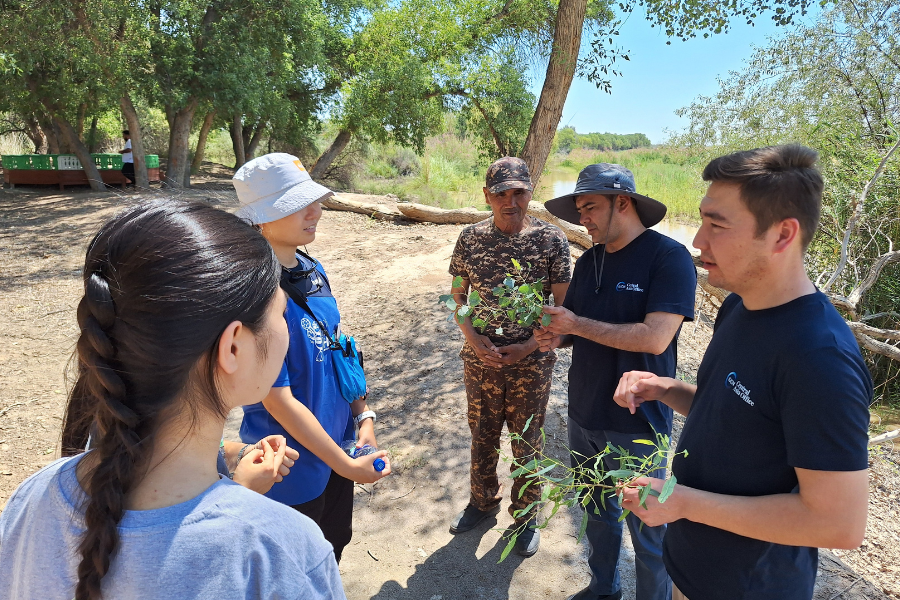
In Kashkadarya, Khorezm and the Republic of Karakalpakstan, local communities are helping turn…
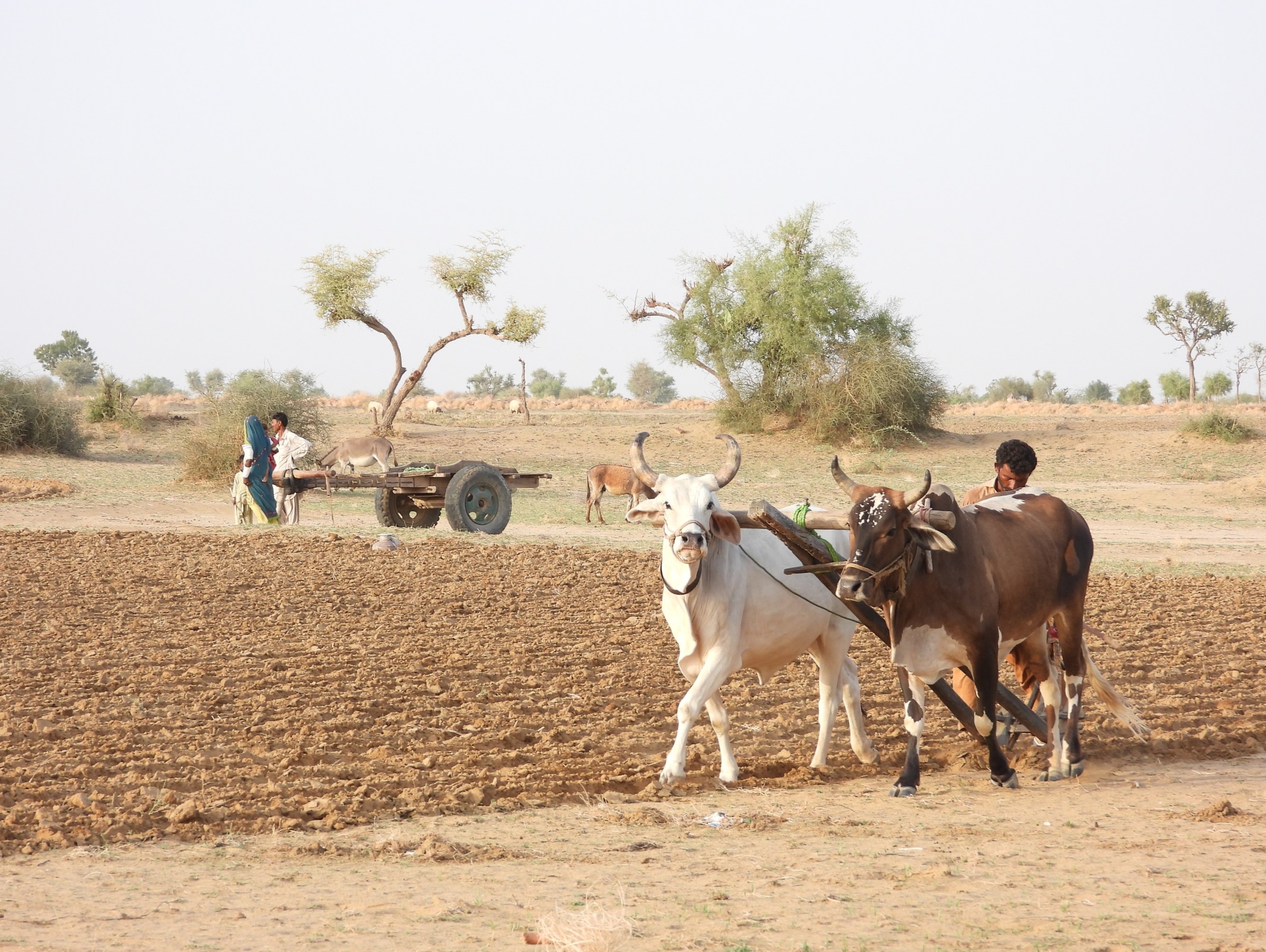
The third in a five-part series, this webinar brought together speakers from across West and…

This week, the Yerevan Municipality hosted the inaugural ceremony marking the establishment of the…