48th Antarctic Treaty Consultative Meeting
The 48th Antarctic Treaty Consultative Meeting (ATCM) and the 28th Meeting of the Committee for Environmental Protection will take place from 11th May to 21st May 2026 in Hiroshima, Japan.

Q&A: IUCN engagement with the Antarctic Treaty Consultative Meeting (ATCM)
What is the Antarctic Treaty?
The Antarctic Treaty, signed in Washington on 1 December 1959 by twelve nations active during the International Geophysical Year, established Antarctica as a zone dedicated to peace and science, entering into force in 1961 and now including 58 Parties. Its core provisions ensure that the continent is used for peaceful purposes, guarantee freedom of scientific investigation and international cooperation, and require that scientific observations and results be freely shared. Environmental protection has become a central pillar of the treaty system, beginning with early conservation measures in 1964 to protect Antarctic fauna, flora, and specially designated areas, and evolving through additional regulations adopted by the Antarctic Treaty Consultative Meeting. A major advancement came with the 1991 Protocol on Environmental Protection to the Antarctic Treaty, which designates Antarctica as a natural reserve devoted to peace and science, commits countries to comprehensive environmental protection, and bans mineral resource activities except for research. Ongoing scientific input—particularly from the Scientific Committee on Antarctic Research—has strengthened understanding of climate change impacts, reinforcing the treaty system’s emphasis on safeguarding the Antarctic environment through cooperative, science-based governance.
What is the Antarctic Treaty Consultative Meeting (ATCM)?
The Antarctic Treaty Consultative Meeting (ATCM) is the annual decision-making forum of the Antarctic Treaty System, the international framework that governs activities in Antarctica and ensures the continent is used for peaceful purposes, scientific research, and environmental protection.
As part of this broader system, the Commission for the Conservation of Antarctic Marine Living Resources (CCAMLR) works in coordination with the ATCM to support the conservation and sustainable management of Antarctic marine ecosystems.
The 48th ATCM will take place in Hiroshima, Japan, from 11–21 May 2026. The meeting brings together countries that are parties to the Antarctic Treaty, as well as observers, scientific experts and international organizations.
Participants exchange scientific information, discuss environmental and governance issues, and consider proposals to strengthen Antarctic conservation and protection of the continent’s unique ecosystems.
What is IUCN’s role at the ATCM?
The International Union for Conservation of Nature (IUCN) participates in the ATCM as an invited expert organisation.
As a global Union of governments, civil society organisations and expert commissions, IUCN brings together thousands of scientists and policy specialists working on nature conservation around the world. This global expertise helps ensure that international environmental decisions are informed by the best available science.
How does the Antarctic Treaty meeting process work?
Environmental matters discussed at the ATCM are first reviewed by the Committee for Environmental Protection (CEP).
The CEP brings together scientific experts and government representatives to evaluate environmental information and make recommendations to the ATCM.
The CEP can recommend:
• Measures – binding decisions adopted by Treaty Parties
• Resolutions – non-binding guidance
• Management plans for protected areas or species
The ATCM then considers these recommendations and decides whether to adopt new conservation measures or policies.
What is IUCN contributing to the ATCM this year?
At the ATCM, IUCN will submit guidance on several Red Listed species affected by climate change, guidance on climate change and protected areas, and tourism in remote and pristine areas.
IUCN’s contributions are scientific and advisory, supporting informed discussions among Antarctic Treaty Parties.
Why does this engagement matter for Antarctic species?
IUCN’s engagement helps ensure that scientific evidence on species and ecosystems informs international decisions about Antarctica.
Bringing global conservation assessments into Antarctic Treaty discussions can help:
• Strengthen evidence-based conservation measures
• Support species protection proposals, including designations such as Antarctic Specially Protected Species
• Improve coordination between science and international environmental policy
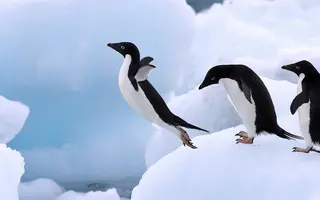
For example, research shows that species such as the Emperor penguin depend heavily on Antarctic Sea ice for breeding and survival. Climate change and sea-ice loss pose significant risks to these populations.
By providing up-to-date scientific information on species status and threats, IUCN helps support decisions that protect Antarctic wildlife, ecosystems and biodiversity for the future.
What topics will be discussed at the 2026 ATCM?
The 48th Antarctic Treaty Consultative Meeting will address several key environmental and governance issues, including:
• Implementation of the Protocol on Environmental Protection to the Antarctic Treaty
• Antarctic species and habitat conservation
• The impacts of climate change on Antarctic ecosystems
• The development of a Tourism Framework
• Environmental monitoring and management obligations
• Proposals submitted by Treaty Parties
These discussions help shape international policies that guide how Antarctica is managed and protected.
What is Commission for the Conservation of Antarctic Marine Living Resources and how does it relate to the ATCM?
The Commission for the Conservation of Antarctic Marine Living Resources (CCAMLR) is another international body within the broader Antarctic governance system.
While the ATCM focuses on environmental protection and governance across the continent, CCAMLR is responsible for conserving Antarctic marine ecosystems and managing fisheries in the Southern Ocean.
Some conservation issues move between these institutions. For example:
• Species protection proposals may begin in the ATCM or CEP
• Marine ecosystem implications may later be considered by CCAMLR
Because these organisations meet separately, conservation discussions can develop over several years across different international forums.