Multistakeholder collaboration for a nature positive renewable energy transition
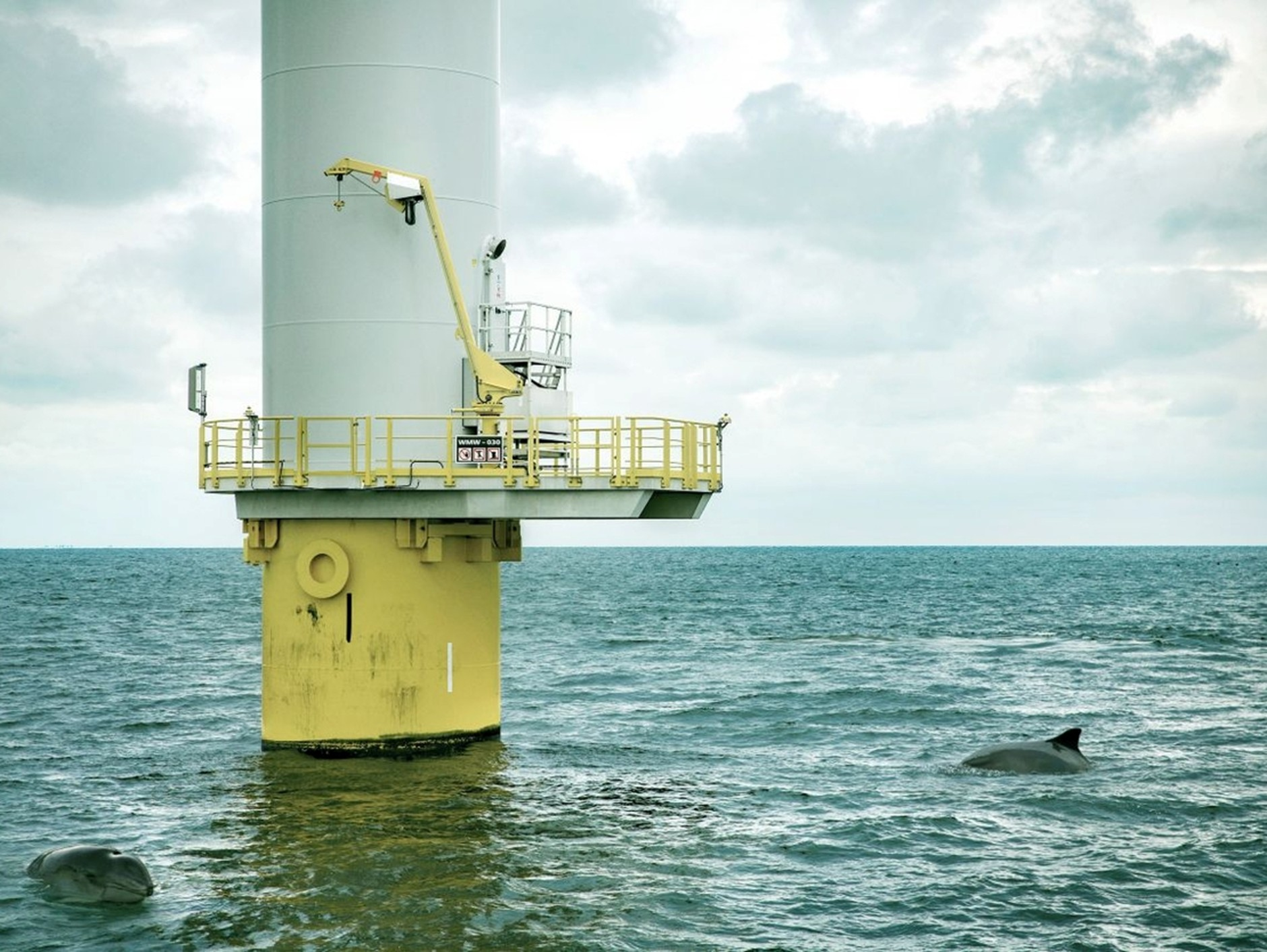
A rapid renewable energy transition is critical for a nature-positive and net-zero future, in line with the Global Biodiversity Framework and the Paris Agreement. However, if not planned, designed, sited, installed and operated properly, renewable energy projects, particularly wind energy, can pose significant adverse and lasting threats to biodiversity, including migratory species, during construction, operation and decommissioning, at the project site and beyond.
This side event will highlight the work of the Energy Task Force (ETF), established in 2015 under the UN Convention on the Conservation of Migratory Species of Wild Animals (CMS). As a multi-stakeholder platform, the ETF fosters cooperation among governments, multilateral environmental agreements, international organisations, civil society, and financial institutions. Members of the ETF, including the CMS Secretariat, East Asian-Australasia Flyway Partnership (EAAFP), IUCN, BirdLife International, Asian Development Bank (ADB), US Development Finance Corporation (US DFC), European Bank for Reconstruction and Development (EBRD), Bat Conservation International and other partners, have contributed to the development of the ETF Workplan 2025–2032.
The ETF facilitates knowledge-sharing, the development of science-based best practices, and the promotion of responsible and innovative solutions to reconcile renewable energy infrastructure with conservation of aerial, marine and terrestrial species.
Bringing together experts and key stakeholders from the Americas, this event aims not only to explore how the ETF platform has been instrumental in driving sustainable energy development while mitigating impacts on migratory species, but also to support CMS Parties in the Americas in delivering on the Convention’s goals of preventing and minimising obstacles to migration of wild animals potentially posed by renewable energy infrastructure. In the light of the rapid expansion of renewable energy infrastructure in the Americas, panellists will discuss how they can leverage ETF guidance, tools, and collaborations to implement practical conservation measures in renewable energy planning and operations.
The session will:
- Showcase leading publications that have emerged from ETF collaborations, including Post-construction Bird and Bat Fatality Monitoring for Onshore Wind Energy Facilities in Emerging Market Countries by IFC – World Bank, KfW and European Bank for Reconstruction and Development (EBRD); Mitigating biodiversity impacts associated with solar and wind energy development by the International Union for Conservation of Nature (IUCN); and Factsheets of Migratory Bats and Wind Energy by the ETF,
- Feature insights into the Avian Sensitivity Tool for Energy Planning (AVISTEP), a free online mapping tool developed by BirdLife International with support from the Asian Development Bank (ADB),
- Showcase IUCN’s collaboration with Ecowende to review progress of the company’s biodiversity goals and targets, and
- Share what are the plans and priorities outlined by ETF members ETF for this region.
The participants will gain a deeper understanding of how the ETF fosters collaboration and drives progress toward a nature-safe renewable energy transition, as well as opportunities for interested stakeholders in the region to engage in the ETF and its activities.