Strengthening cooperation for coastal connectivity to conserve the world’s migratory species
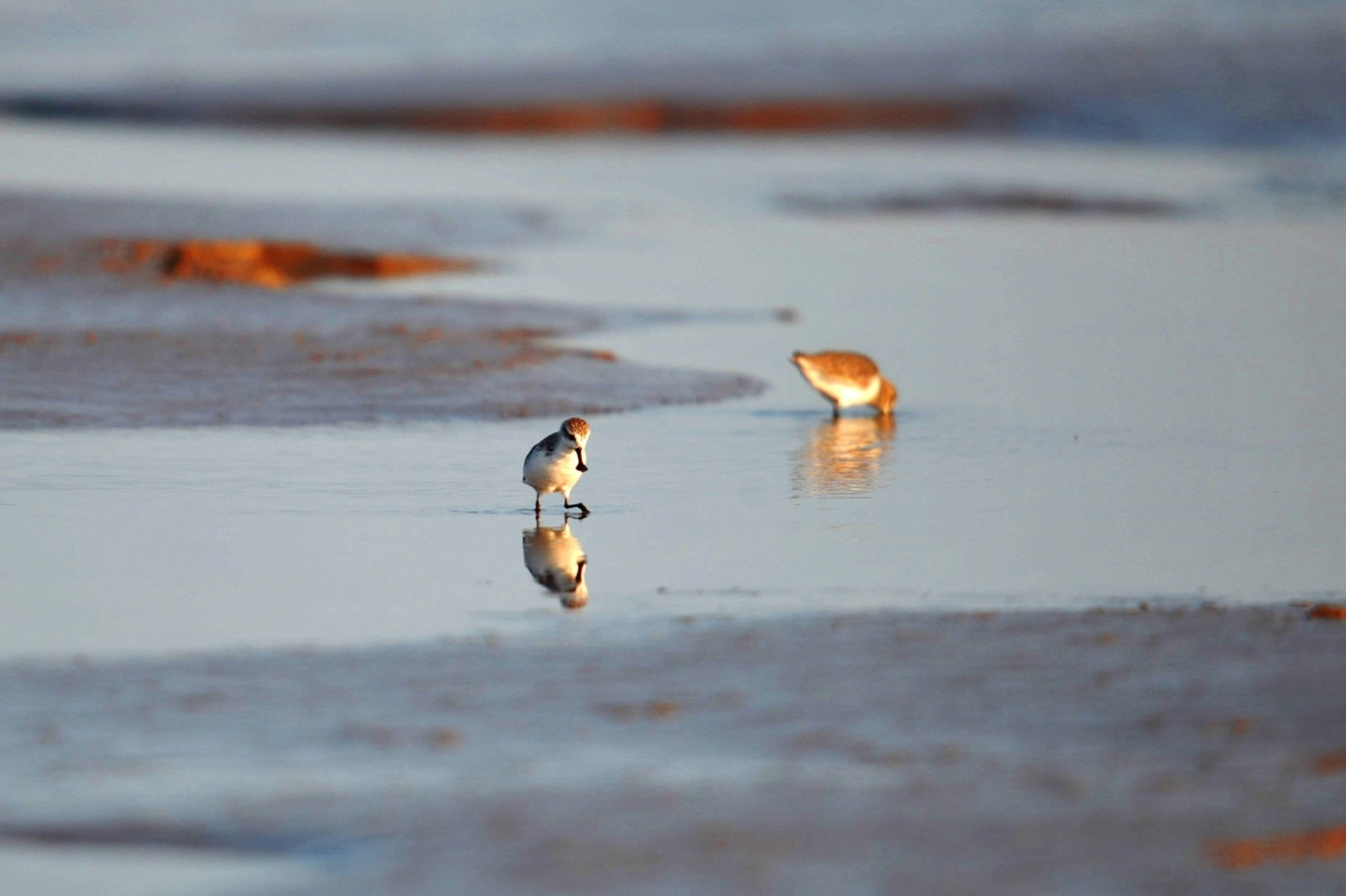
Coastal ecosystems are among the most interconnected environments on the planet, linking terrestrial, aquatic, and marine realms and supporting ecological processes essential to the survival of migratory species throughout their life cycles. From seagrass meadows sustaining dugongs, to mangroves serving as nurseries for sharks and rays, to estuaries and intertidal wetlands that host millions of migratory birds, coasts play an irreplaceable role in maintaining ecological connectivity. These ecosystems feature prominently in CMS priorities and programmes, yet they are also among the most threatened globally facing pressures from habitat conversion, climate impacts, pollution, and poorly planned renewable energy development.
The World Coastal Forum (WCF), a partnership of 24 organisations, was created to address these urgent challenges by strengthening cooperation, developing shared knowledge, and supporting evidence based best practices. Through initiatives such as the State of the World’s Coastal Ecosystems and practical toolkits for coastal management and restoration, the WCF provides guidance to governments and practitioners working to conserve and restore coastal systems worldwide.
This side event at CMS COP15 will highlight the vital importance of coastal ecosystems in protecting migratory species and safeguarding ecological connectivity across flyways, drawing on the WCF’s work and showcasing experiences from governments, international organisations, and the private sector. Speakers will examine threats—including from linear infrastructure, renewable energy expansion, and pollution—and will outline opportunities to better integrate migratory species considerations into coastal planning and management.
The event contributes directly to CMS COP15 agenda items on Flyways and Ecological Connectivity, supporting Parties’ discussions on coordinated conservation action along migratory routes and the strengthening of ecological networks across regions. It also aligns closely with IUCN Resolutions on coastal and marine conservation, nature positive renewable energy, and ecosystem restoration; as well as with the IUCN Nature 2030 Programme and the IUCN 20 Year Vision, which call for transformative, nature positive action to secure a thriving future for species, ecosystems, and people. By bringing diverse partners together, the session positions coastal ecosystems as a cornerstone of global efforts to reverse biodiversity loss and sustain the world’s migratory species.