I am a senior marine researcher with experience leading award-granted projects and applied research. My work focuses on aquaculture sustainability, bridging natural and social sciences for support of ...
Grupo de Comisión de la UICN
IUCN CEM Ecosystem Governance Thematic Group

Resumen y descripción
Descripción:
The main objective of the Ecosystem Governance Thematic Group (EGTG) is to examine what are the strategies that can promote ecosystem governance and lead to more sustainable use of the natural ...
Liderazgo de grupo
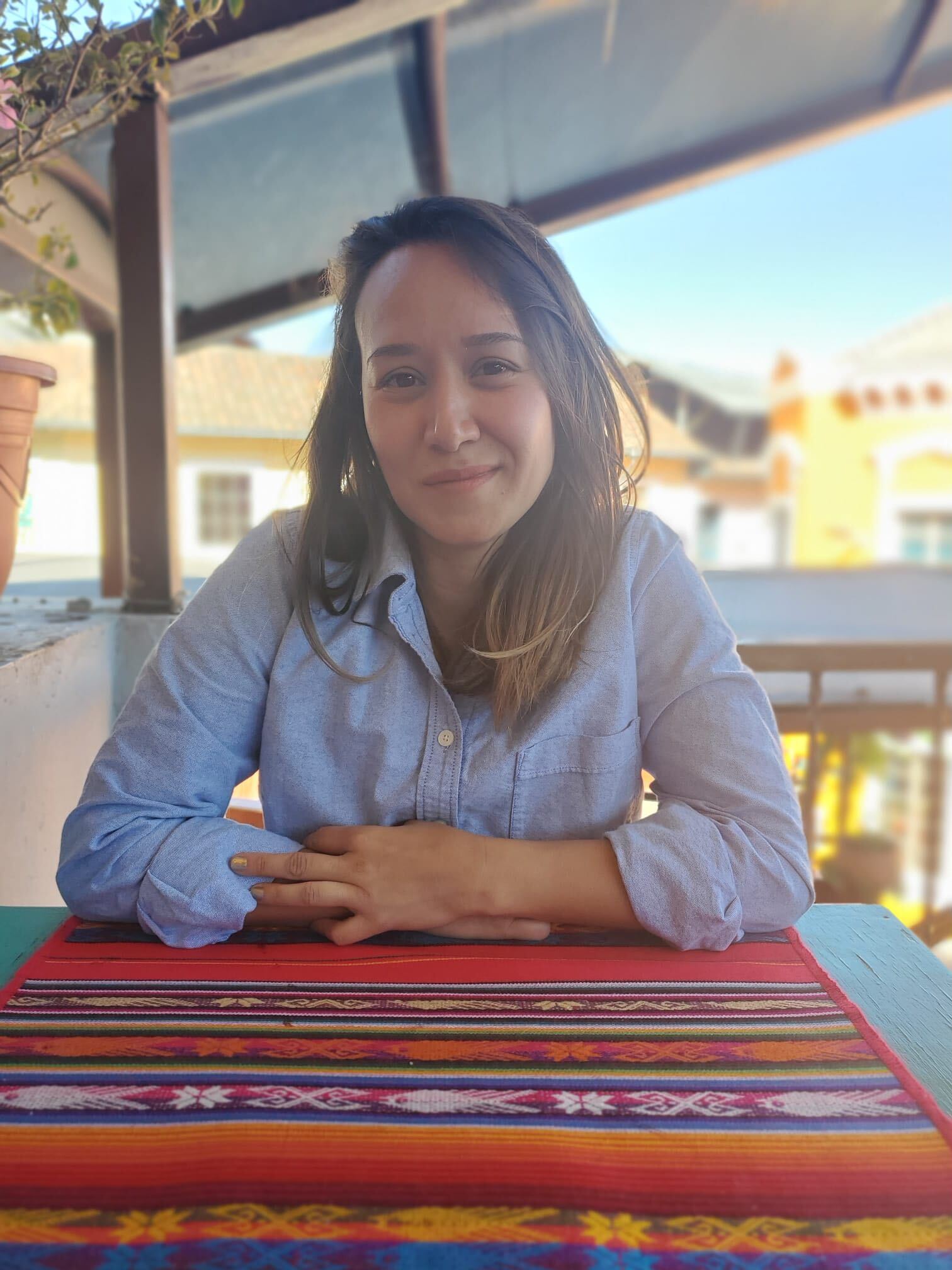
Dr Darien MIZUTA
I am a senior marine researcher with experience leading award-granted projects and applied research. My work focuses on aquaculture sustainability, bridging natural and social sciences for support of policy development and practical use of international frameworks. I hold both a BSc. in Oceanography and a MSc. in Biological Oceanography from the University of Sao Paulo (Brazil), and a Ph.D. in Agriculture - Fisheries and Environmental Oceanography from Kyoto University (Japan). I have diverse professional experience, previously working for a wide range of institutions, such as NGOs, governmental agencies, and academic institutes, and within international geographies in North and South Americas and Asia. Throughout my professional career, I received several research awards and funding, including the NEFSC-NOAA leadership recognition.

Dr Livia ZAPPONI
I am an ecologist and I work as a researcher for the National Research Council of Italy. I am essentially interested in conservation biology and how it could be feasibly integrated into the management actions that affect ecosystems and species, mainly forests & insects respectively. In the past few years, I have been involved in several projects focused on monitoring wildlife populations to explore the effect of forest management and land use alteration on animal communities. I also had the opportunity to investigate the sustainable management of insect pest species.
I am an ecologist and I work as a researcher for the National Research Council of Italy. I am essentially interested in conservation biology and how it could be feasibly integrated into the management ...

Mr Isaac MUREITHI
I aim to contribute robust analytical insights that foster sustainable human-environment interactions. Effective altruist.
What is Ecosystem Governance and why does it matter?
‘Ecosystem Governance’ is an alternative to environmental governance and is important for ecosystem management and Nature-based Solutions (Criterion 5), as it is not only concerned with managing natural resources or the environment but also recognizes that the connections between people and ecosystems are essential for survival, and that without sustainable healthy ecosystems there can be no sustainable healthy communities.
Ecosystem Governance is defined as “an approach that integrates the social and ecological components for improved sustainability and includes principles such as adaptive ecosystem co-management, subsidiarity, and telecoupling framework, as well as principles of democracy and accountability” (Vasseur et al. 2017).
Who are we?
We are a group of over 450 (and counting!) global academics and specialists from different backgrounds working on the environmental field (in different ecosystems) to foster knowledge sharing for better understanding and practical application of EG, as well as support the development of better policy related to environmental and social challenges. Our group is part of the IUCN’s Commission of Ecosystem Management (CEM), and because governance is a concept that is intrinsically interdisciplinary and cross-cutting, the group is one of the few that can overlap in topics with every other group within the Commission.
Objectives of this group:
1. Help to integrate the thematic EG worldwide, enabling the mainstream and understanding of the concept; 2. Create visibility around ongoing efforts and successes of EG within the EGTG, CEM and IUCN Network; 3. Provide strategic and technical leadership and science-based guidance to initiatives, assisting stakeholders and policy makers; 4. Encourage sustainable EG, giving voice and recognition to valuable ongoing initiatives that are not supported by IUCN.
Why should you join us?
Stay up-to-date with the EG discussions within the IUCN and directly contribute with your voice and knowledge in our discussions. Commission members are exposed to a vast network of specialists worldwide, can participate in a range of activities (open calls, target surveys, webinars, publications, etc), get recent community news through a bimonthly Newsletter, and access to our group at IUCN’s Engage platform. Ready to join? Head to the IUCN Commission Member page for information on how to apply by following this link.
Selected publications of the group:
Vasseur, L. & Medouar, S. (Eds.) (2026) Urban-rural linkage: an ecosystem governance perspective. IUCN. DOI: 10.2305/VXHT9208.
Vasseur et al. (2017) Complex problems and unchallenged solutions: bringing ecosystem governance to the forefront of the UN Sustainable Development Goals. Ambio 46: 731-742. DOI: 10.1007/s13280-017-0918-6.
What CEM can do:
Ecosystem governance is not optional but essential to ensure continued access to vital ecosystem services and increased human wellbeing. CEM, and therefore also EGTG, should consider ways and means to:
- Promote capacity building at ALL levels, from local to international,
- Improve interdisciplinarity in its work on ecosystem governance, and
- Ensure that there is embedded in all work on ecosystem governance an appreciation for the importance of ecosystem services and recognition of the evolution and dynamics of systems and needs for change.
EGTG goals:
Further examine how to refine the definition of ecosystem governance and extract principles that can be tested in the future through case studies. This work was initiated in 2020 and should be completed in the coming year. Promote a network of global scientific specialists and practitioners that constantly exchange knowledge virtually, and during in-person events.
Call for Case Studies:
In order to continue developing the concept of ecosystem governance and its properties/principles, we invited members to develop case studies that they believe can present issues related to ecosystem governance. We invite all types of case studies that are:
- How can ecosystem governance contribute to NbS (especially considering criteria 5 and 6)
- Successful and unsuccessful
- Local to national
- Long or short term
- From different ecosystems
- From developing and developed countries