Local species, global signals: what biodiversity in the Western Balkans tells us about climate resilience
World Environment Day, marked every year on 5 June, encourages awareness and action for the protection of the environment. In 2026, the campaign focuses on climate change: the urgent signals the Earth is sending, and the signals we choose to send back. Among these signals are the wild species responding to a changing climate; their decline, recovery or ability to adapt depends on our climate response today.
In the Western Balkans, those signals are visible in mountain meadows, rivers, wetlands, forests, grasslands and karst landscapes rich in endemic and threatened species. Some are well known; others remain hidden in springs, caves or high-altitude habitats. Their presence, decline or recovery tells us something important about the health of the ecosystems that sustain clean water, food, livelihoods and climate resilience.
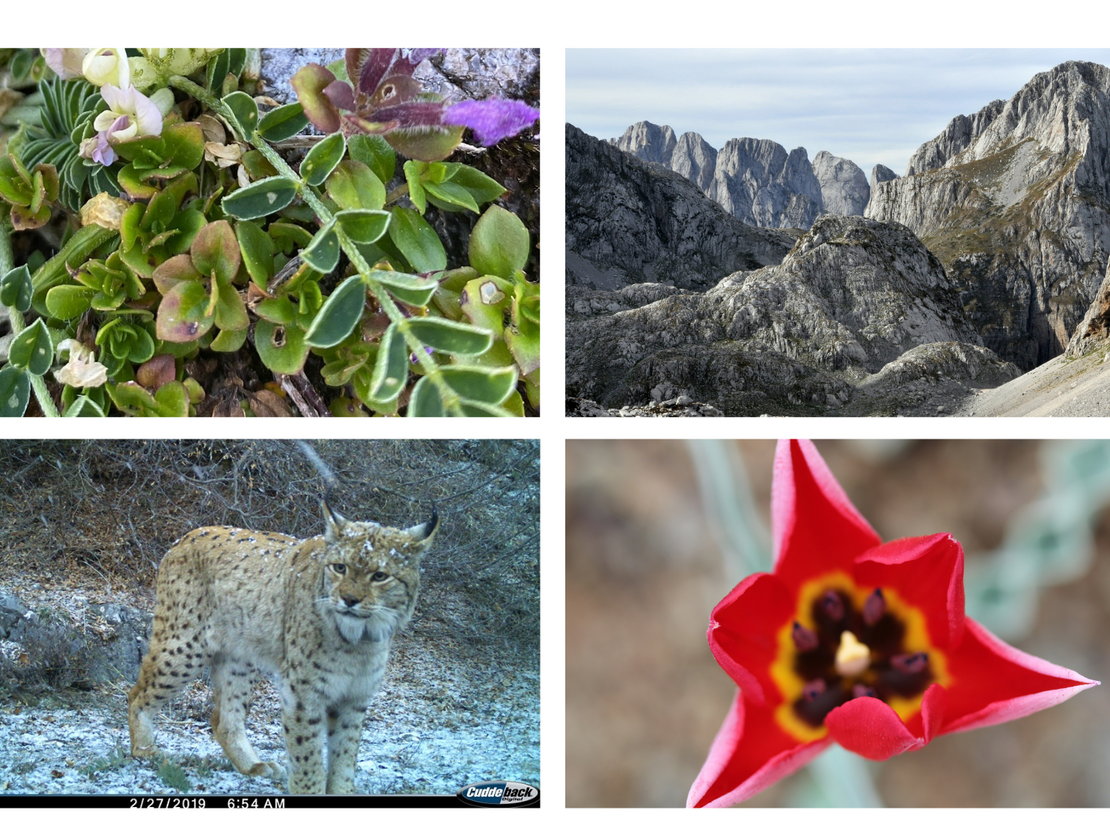
From local knowledge to conservation action
Species knowledge is essential for effective conservation. National Red Lists, Red Data Books and the IUCN Red List of Threatened Species™ help identify which species are at risk, where action is most needed, and how progress can be tracked over time. They also give visibility to lesser-known species that may not yet be fully reflected in global assessments but are highly important at national or regional level. This is why recent regional efforts, from IUCN Red List training in Sjenica to cooperation under the Nature and Biodiversity Pillar of the Green Agenda, are important steps towards stronger monitoring, better planning and more coordinated conservation action across the Western Balkans.
Species as signals of ecosystem health
Across the Western Balkans, local species can help tell a wider story about the state of nature and the need for action. Some, such as the Balkan lynx, depend on large, connected forest landscapes and show why regional cooperation is essential. Others, such as Fiala’s milk-vetch, Serbian bittercress, the Kablar bellflower and Scardica tulip, point to the importance of specialised mountain, rocky and grassland habitats that are often home to rare and highly localised plants. Recently discovered freshwater species such as Potamophylax kosovaensis, remind us how closely biodiversity is tied to clean and healthy water systems. Reptiles such as the Prokletije rock lizard show how mountain landscapes support species found only in a very limited part of the region.
Together, these species show that biodiversity is not only about iconic wildlife. It is also about the plants, insects, and reptiles that may be less visible, but are essential for ecosystem health, climate resilience and the natural identity of the Western Balkans. While they represent only a small selection of the region’s rich biodiversity, we wish to shine a light on their unique stories and conservation importance. The first two species featured below, the Balkan lynx and Fiala’s milk-vetch, open this series of local biodiversity stories, with further species to follow.
The Balkan lynx, a rare inhabitant of the connected forests
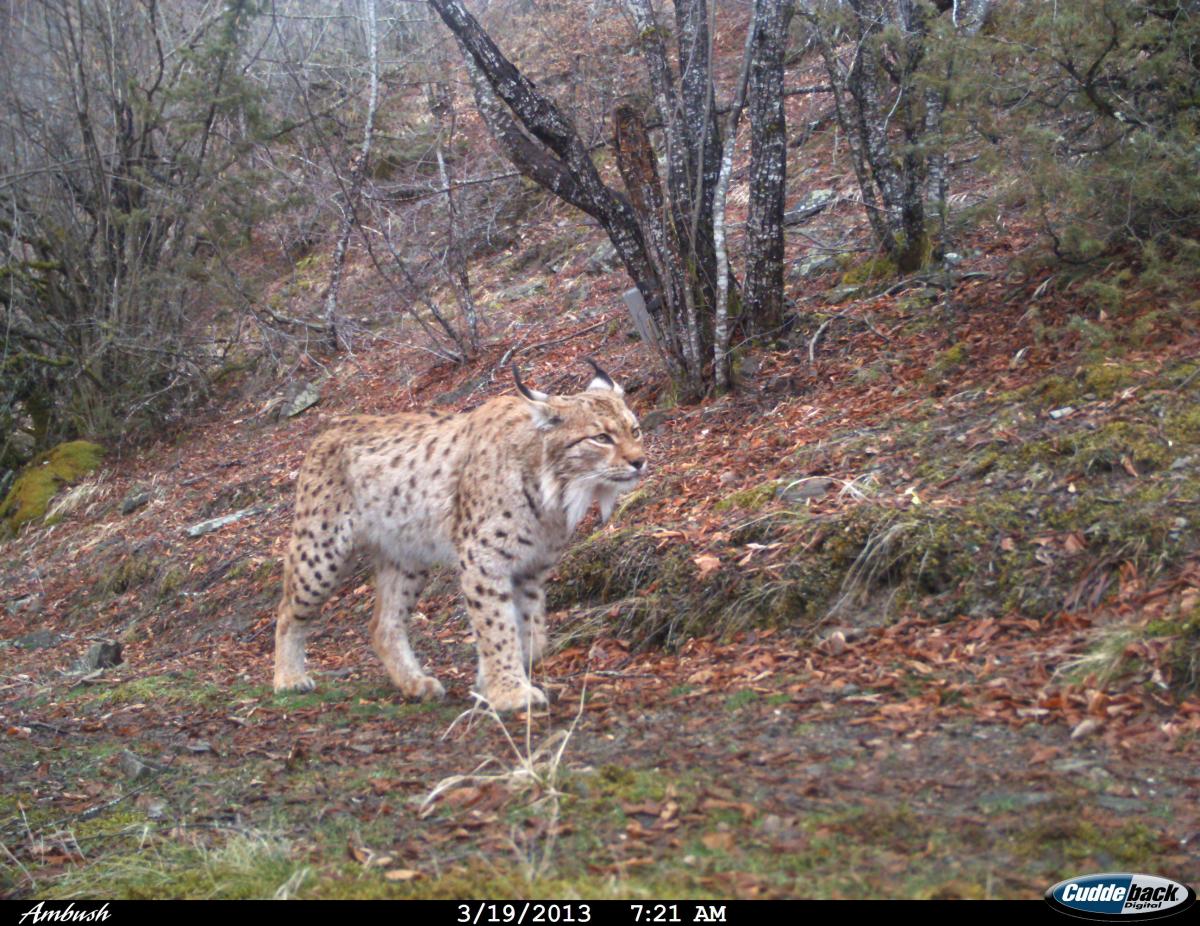
The Balkan lynx (Lynx lynx ssp. balcanicus) is one of the rarest large carnivores in Europe and a powerful symbol of the region’s shared natural heritage. Surviving mainly in parts of North Macedonia and Albania, with occasional records from neighbouring areas, it depends on large, connected forest landscapes and healthy prey populations. The Balkan lynx is assessed as Critically Endangered (CR) globally, and on the National Red List of North Macedonia, with its very small population making urgent conservation action essential. Its status reflects the combined impact of small population size, habitat degradation and fragmentation, limited prey availability and poaching.
This regional approach builds on nearly two decades of work under the Balkan Lynx Recovery Programme, whose implementation is supported also by two IUCN Members, the Macedonian Ecological Society (MES) and Protection and Preservation of Natural Environment in Albania (PPNEA).
Recent regional efforts have strengthened the framework for its conservation. The Range-wide Strategy for the Rescue and Conservation of the Balkan Lynx 2026−2035 was officially adopted at CMS COP15 in Brazil, setting a common direction for developing national action plans, connecting habitats and improving genetic diversity. Large carnivores are signs of healthier, better-connected forests, which provide clean water, carbon storage, climate resilience and space for nature-based tourism. Saving the Balkan lynx is therefore not only about one species - it is about keeping the region’s forest landscapes alive, connected and resilient.
Fiala’s milk-vetch, a Dinaric endemic of rocky mountain pastures
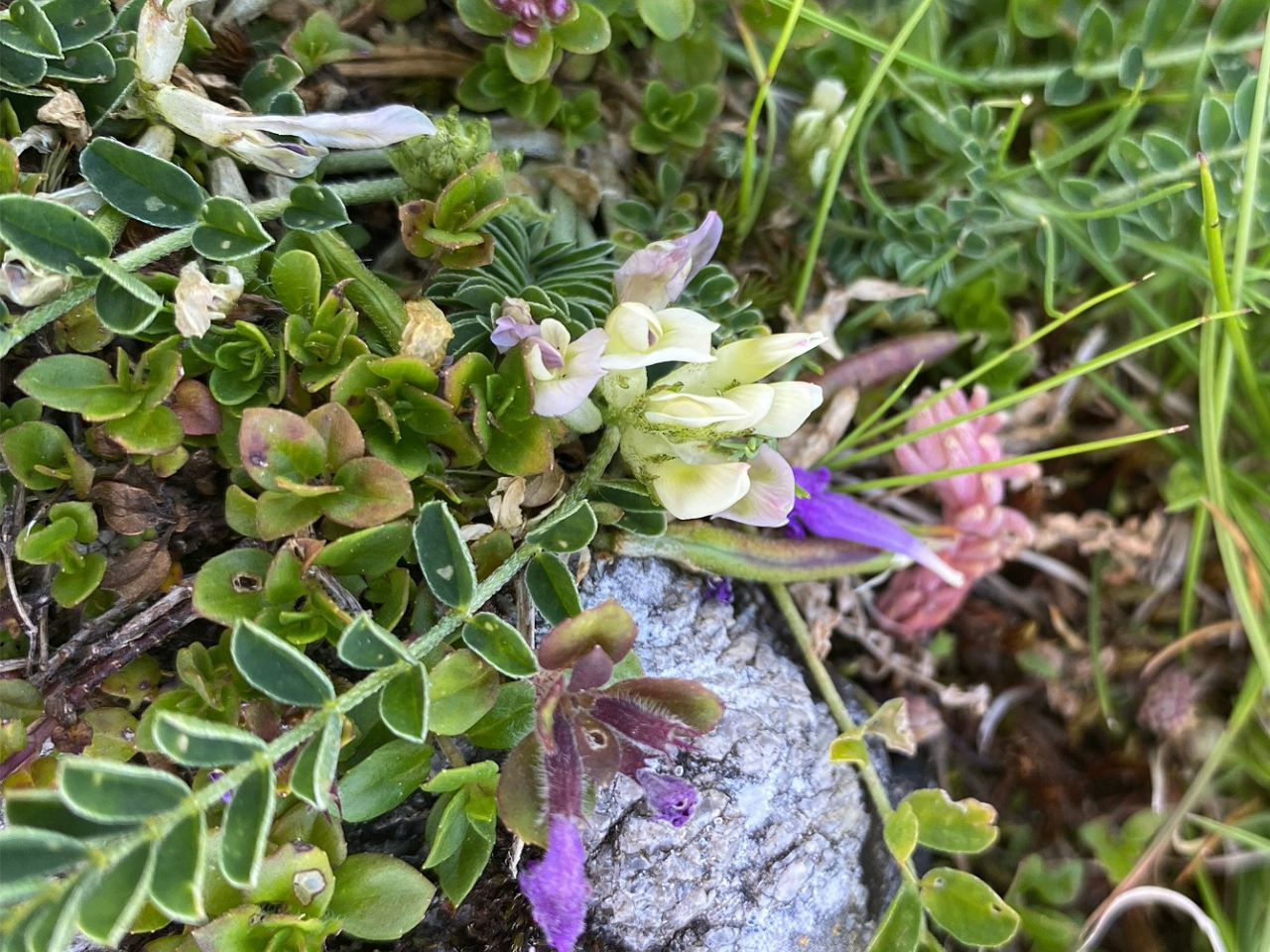
Fiala’s milk-vetch (Astragalus fialae) is a Dinaric endemic plant found in southern parts of the Western Balkans in alpine and subalpine zones. It is linked to rocky pastures, where it depends on open mountain habitats and specific ecological conditions. In Bosnia and Herzegovina, it is known from Treskavica, its classical locality, and Visočica. The species is assessed as Critically Endangered (CR) on the Red List of the Federation of Bosnia and Herzegovina, while in Albania it is listed as Data Deficient (DD), showing how much further field knowledge is still needed across its range. As a rare mountain plant with a limited distribution, Astragalus fialae highlights the importance of national Red Lists, expert field research and long-term monitoring for understanding biodiversity that may otherwise remain invisible to the wider public. Protecting species like Fiala’s milk-vetch also means protecting high-mountain grasslands and rocky pastures that support pollinators, store water, reduce erosion and help mountain landscapes remain resilient in a changing climate.
Local species, global signals
On World Environment Day, and every day, let us look closer at the species of the Western Balkans and the habitats that sustain them. A rare plant in a mountain meadow, an aquatic insect in a clean spring, a lizard in a rocky landscape or a large carnivore moving through connected forests can all tell a bigger story: nature is already sending signals, and our response matters.
Listening to these signals means investing in knowledge, monitoring and cooperation, and using this evidence to guide our decisions. The signals are clear: protecting biodiversity is part of climate action, and the choices made today will shape the resilience of nature and people across the Western Balkans.
*
The stories featured above were developed under the Greening the Western Balkans project, supported by International Partnerships Austria, with contributions from experts from the region, including the members of the Western Balkans Thematic Group on Biodiversity Conservation, namely:
Fiala’s milk-vetch (Astragalus fialae): contribution from Džana Bordanić Kobilica, Head of the scientific living collection of the Botanical Garden, The National Museum of Bosnia and Herzegovina and Sabina Trakić, Associate Professor, Faculty of Science, University of Sarajevo, Bosnia and Herzegovina
Read more


The Bangladesh Forest Department (BFD) and IUCN Bangladesh, with support from Agence Française de…

Each year, International Women's Day is an opportunity to recognise the women advancing change in…

On 14 January 2026, in Dhaka, the Bangladesh Forest Department and IUCN Bangladesh formally signed…