Duan is the Olajos-Goslow Chair at Northern Arizona University in the USA. He is a conservation scientist with over 20 years experience globally in community-based conservation, sustainable tourism ...
IUCN COMMISSION GROUP
IUCN WCPA Integrating Human Wildlife Co-existence into PCA Standards Task Force

Group leadership
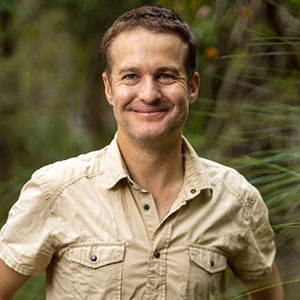
Mr Duan BIGGS
Co-Chair
Duan is the Olajos-Goslow Chair at Northern Arizona University in the USA. He is a conservation scientist with over 20 years experience globally in community-based conservation, sustainable tourism development, wildlife trade, and human-wildlife conflict and co-existence. Apart from co-chairing this task force, is also a member of the IUCN’s Sustainable Use and Livelihood’s Specialist Group and the World Commission for Protected Areas. Duan is the founder and Lead of Resilientconservation.org has extensive global experience. He has live and worked in southern Africa, Australia, and Chile prior to his current role.
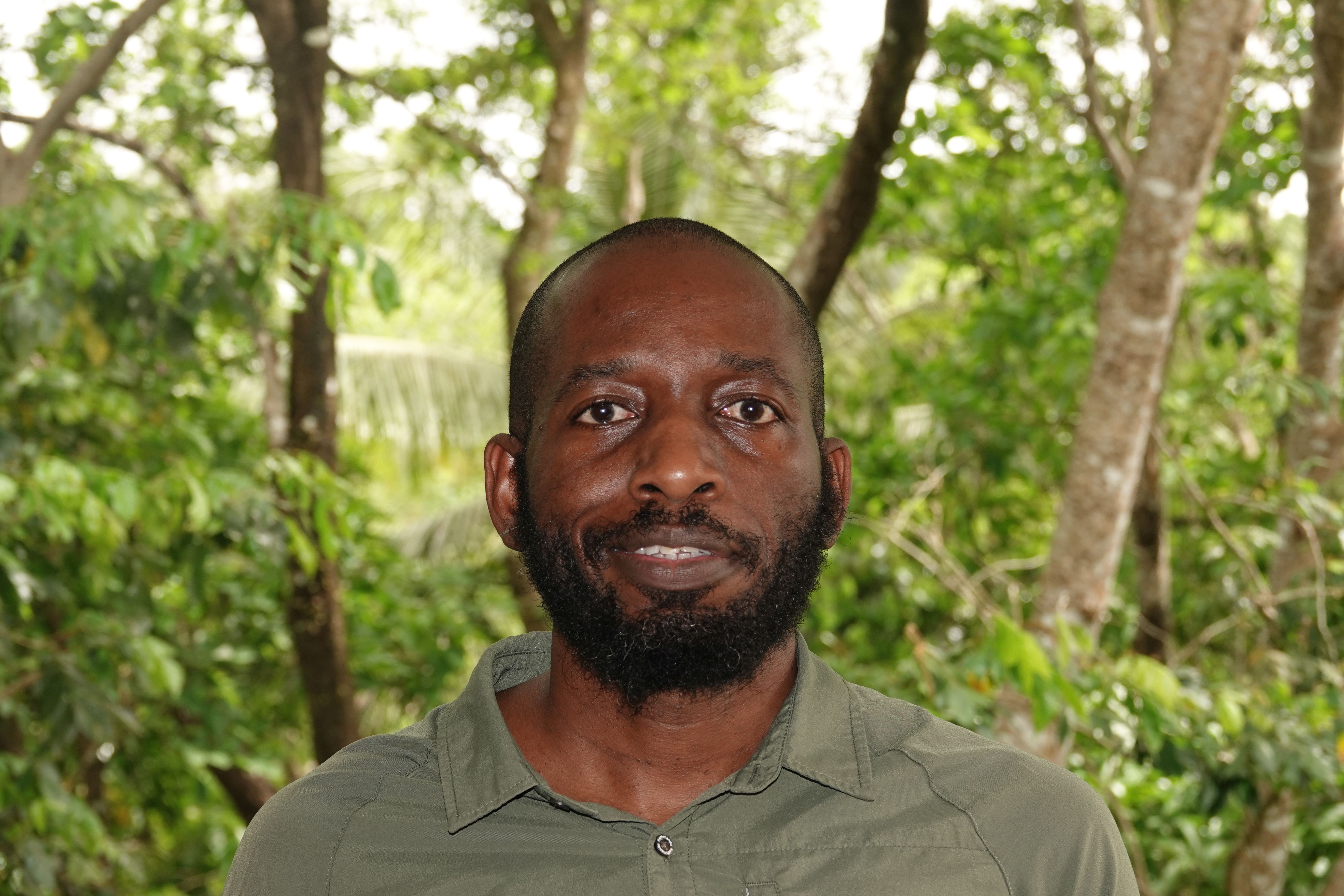
Dr Lenn ISIDORE
Co-Chair
Lenn Isidore is a conservation biologist and data scientist from Saint Lucia with a focus on human–wildlife conflict, snake conservation, and biodiversity data integration. He has contributed to national species management strategies for several threatened Caribbean reptiles, including the Saint Lucia Fer-de-Lance (Bothrops caribbaeus) and the Saint Vincent Blacksnake (Chironius vincenti), and has supported conservation planning with an emphasis on community engagement.
With qualifications in both computer science and conservation biology, Lenn brings a rare combination of field-based ecological expertise and advanced technical capability. He has led or contributed to biodiversity monitoring using traditional survey methods, bioacoustics, and camera traps, alongside work in data curation, ecological analysis, and applied programming. His recent projects explore biodiversity knowledge structuring, interactive dashboards, and AI-assisted synthesis of conservation information.
An educator and facilitator by experience, Lenn is passionate about building inclusive and evidence-based approaches to conservation governance, linking ecological insight, local knowledge, and emerging technologies to improve coexistence between people and wildlife.
Lenn Isidore is a conservation biologist and data scientist from Saint Lucia with a focus on human–wildlife conflict, snake conservation, and biodiversity data integration. He has contributed to ...
The Task Force works to achieve several key goals to facilitate human-wildlife coexistence through integrating Human Wildlife Co-existence considerations into standards for Protected and Conserved Areas including:
- Evaluate the existing IUCN Green List Criteria, and other relevant standards, and whether they are adequate for dealing with the challenges of achieving sustainable Human Wildlife Co-Existence.
- Determine the key gaps in the existing Criteria, Indicators, Means of Verification, and Guidance notes in the IUCN Green List for the governance and management of Human Wildlife Co-Existence.
- Develop additional Guidance notes, and if need be, Indicators and Means of Verification, for PCAs where Human Wildlife Co-Existence is a key identified concern, which can be piloted and tested, as part of the expansion and further development of the Green List.
- Align additionally developed Guidance notes etc. with existing guidelines on human wildlife co-existence such as those being developed by the IUCN SSC Human Wildlife Conflict Specialist Group (https://www.hwctf.org/).
- Incorporate feedback from local Expert Assessment Groups (EAGLs), after the piloting of the proposed additional elements of the Green List, including considerations for the time and resource requirements necessary for implementation.
- Identify additional expertise and experience needed on EAGLs to account for Human Wildlife Coexistence concerns.
- Identify the types of expertise and experience needed on site for the effective and sustainable implementation of the standard and explore sustainable financing options.
- Explore whether the core components of a standard for Human Wildlife Coexistence could potentially also feed into other standards for area-based conservation, e.g., standards for sustainability, carbon etc. and how to develop these further.