IUCN secures nearly US$5 Million in GEF funding for groundbreaking projects in Southern Africa
The Global Environment Facility (GEF) has approved nearly US$5 million in funding for two projects to be implemented by the International Union for Conservation of Nature (IUCN) in Southern Africa. The investments will strengthen climate-resilient coastal planning in Mauritius through a blue carbon framework and catalyse transboundary investment for ecosystem restoration and water security in the Orange–Senqu River Basin across Botswana, Lesotho, Namibia, and South Africa.
Photo: Orange Senqu River. Photo: JJ van Wyk
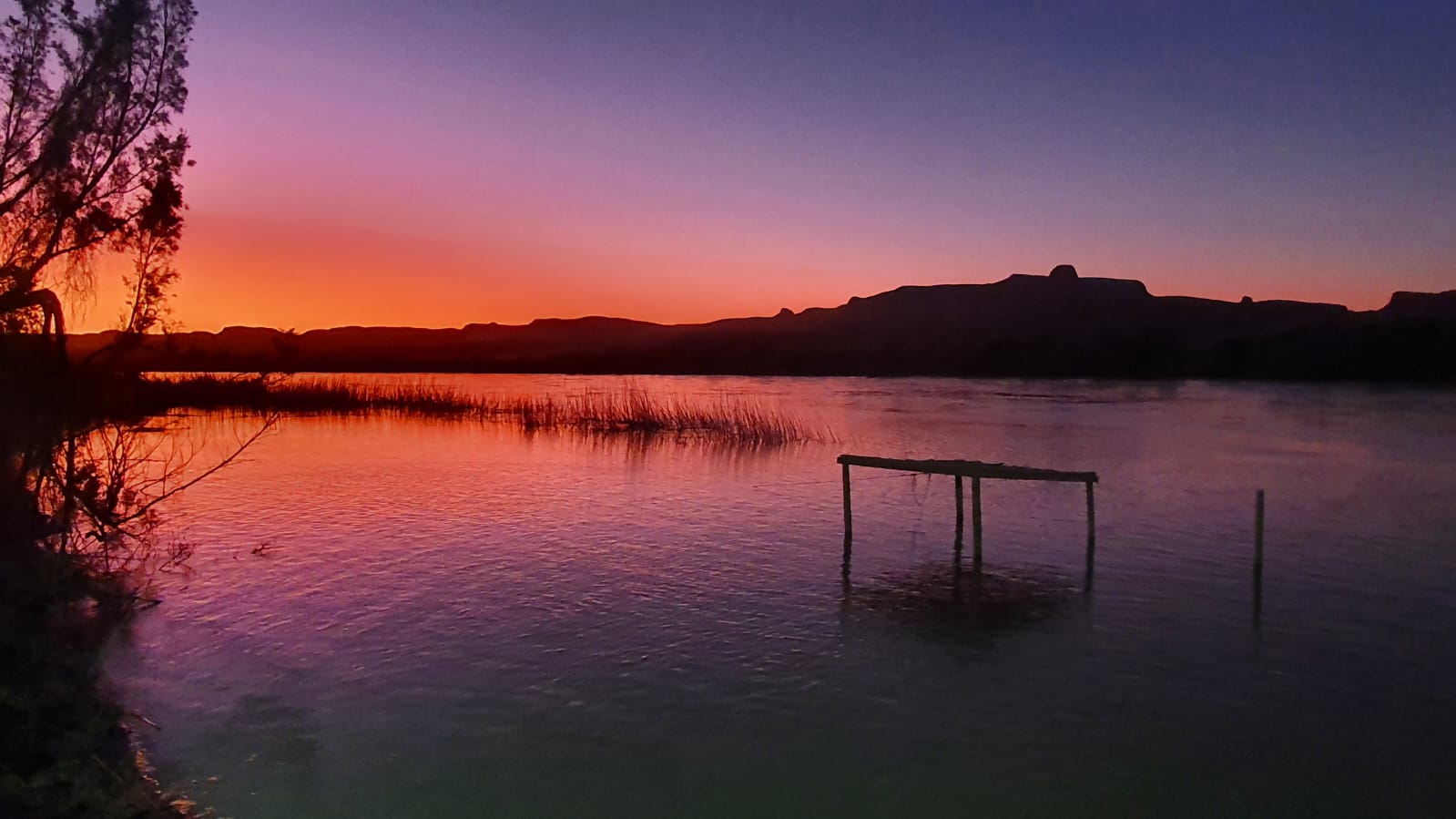
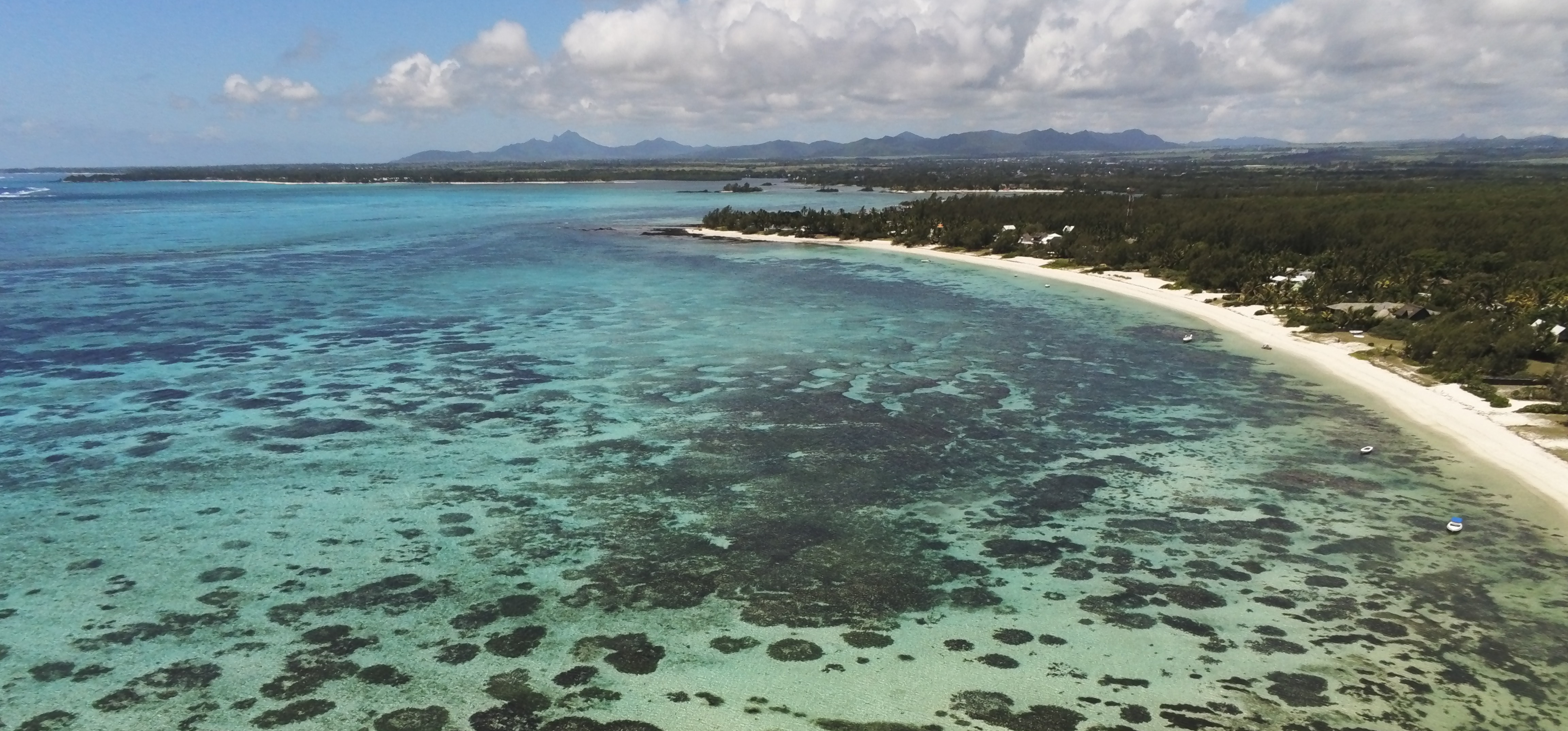
Photo: Seagrass in Post Lafayette. Photo: Sundy Ramah
The approvals came through following the conclusion of the 8th GEF Assembly meetings in Samarkand, Uzbekistan, held from 30 May to 6 June 2026, and wraps up IUCN’s GEF-8 portfolio at USD 237.3M.
Luther Bois Anukur, IUCN Regional Director for Eastern and Southern Africa noted, "The Blue Carbon Horizons project in Mauritius will harness the power of coastal ecosystems to protect communities and livelihoods, while the Orange–Senqu Water Fund will establish a lasting financial mechanism to secure water resources for millions of people across Botswana, Lesotho, Namibia, and South Africa. These projects exemplify how IUCN works with governments, local communities, and partners to turn global ambition into tangible action on the ground."
The two projects respond to urgent environmental challenges in the region, where coastal ecosystems are under threat from climate change and development pressures, and transboundary water resources face growing competition and degradation.
About the approved projects
Blue Carbon Horizons: Strengthening climate-resilient coastal planning in Mauritius through blue carbon for ecosystem-based adaptation
This initiative will strengthen climate resilience for Mauritius’ coastal communities and ocean-dependent sectors by embedding ecosystem-based adaptation within a blue carbon framework. It will build a high-integrity blue carbon knowledge base and integrate mangroves, seagrasses, and other coastal ecosystems as natural infrastructure into national adaptation planning, coastal zone management, and marine spatial planning.
The project addresses the interconnected challenges of climate change, coastal ecosystem degradation, and the persistent undervaluation of natural capital in decision-making. By assigning value to the carbon sequestration and coastal protection services these ecosystems deliver, the effort will sharpen Mauritius’ climate resilience planning while advancing global climate goals.
"Blue Carbon Horizons is more than a project, it is Mauritius’ commitment to safeguarding our coastal ecosystems as natural infrastructure for resilience. By valuing blue carbon ecosystems, not only as biodiversity treasures but as shields against climate risks, we are investing in the future of our communities, our economy, and our shared ocean heritage,” said Dr. the Hon Arvin Boolell, G.O.S.K, Minister of Agro-Industry, Food Security, Blue Economy and Fisheries, Republic of Mauritius
This 4-year project will receive US$2.9 million in GEF funding and will be implemented by IUCN and executed by the Ministry of Agro-Industry, Food Security, Blue Economy and Fisheries (Blue Economy & Fisheries Division).
Catalysing transboundary investment for ecosystem restoration and water security in the Orange–Senqu River Basin
This project will establish the Orange–Senqu Water Fund, under Orange-Senqu River Commission (ORASECOM), as a long‑term financing mechanism to drive investment in ecosystem restoration, pollution control, water conservation, and climate‑resilient water security across Botswana, Lesotho, Namibia, and South Africa. This approval marks IUCN ESARO's second International Water (IW) project in the region under GEF-8, building on the momentum of the Ruvuma River Basin project, our first, which is already underway.
Despite strong transboundary cooperation, technical analysis, and planning achieved through previous GEF and partner support, including an Integrated Water Resource Management (IWRM) plan, joint basin surveys, and environmental flow assessments, a persistent implementation gap remains. Priorities such as operationalising environmental flows and financing pollution control have not been translated into sustained action due to competing demands, infrastructure and institutional constraints, and limited resources.
"The Orange-Senqu Water Fund represents a transformative opportunity for ORASECOM and its Member States to move from planning to sustained action by mobilising long-term investments for ecosystem restoration, water security and climate resilience. It will strengthen regional cooperation while creating lasting benefits for the people, economies and ecosystems that depend on the basin," noted Comfort Molosiwa, ORASECOM Secretary.
The Water Fund will bridge this gap by providing dedicated, long‑term finance to turn agreed plans into on‑the‑ground action, securing water resources and building climate resilience for the basin’s ecosystems and communities. Unlike conventional funding mechanisms, the Water Fund is specifically designed to blend different sources of finance within a single coordinated structure. Private sector players that depend on a healthy river basin have a direct stake in its resilience and the Fund gives them a meaningful way to invest in it alongside governments and donors.
This project will be implemented by IUCN and executed by Orange-Senqu River Commission Secretariat (ORASECOM) with US$2 million GEF investment over 4 years.
"With these two projects, IUCN is working with countries in Southern Africa move from planning to implementation, from ambition to action," added Anukur. "The Blue Carbon Horizons initiative in Mauritius will create a replicable model for integrating coastal ecosystems into national planning, while the Orange–Senqu Water Fund showcases how regional cooperation can strengthen long-term water security. We are grateful to the GEF and our partners for their trust and support in making these projects a reality."

The Bangladesh Forest Department (BFD) and IUCN Bangladesh, with support from Agence Française de…

Each year, International Women's Day is an opportunity to recognise the women advancing change in…

On 14 January 2026, in Dhaka, the Bangladesh Forest Department and IUCN Bangladesh formally signed…