I am a forensic scientist, a herpetologist and a conservation geneticist, currently working as an Assistant Professor of Forensic Science at Graphic Era (Deemed to be) University in Dehradun, India. I ...
IUCN COMMISSION GROUP
IUCN SSC Monitor Lizard Specialist Group

Group leadership
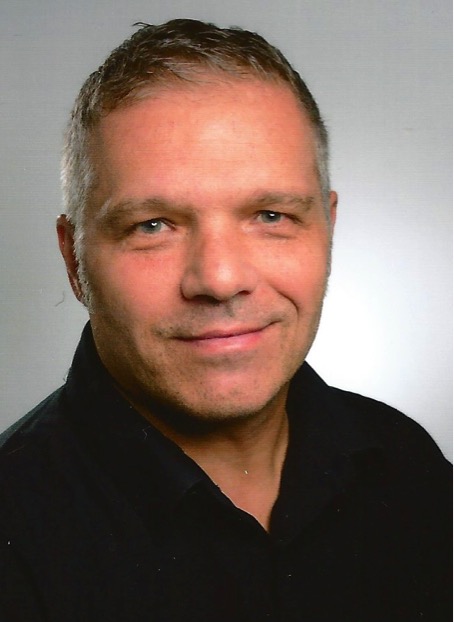
Dr Mark AULIYA
Co-Chair

Dr KUMUDANI GAUTAM
Co-Chair
I am a forensic scientist, a herpetologist and a conservation geneticist, currently working as an Assistant Professor of Forensic Science at Graphic Era (Deemed to be) University in Dehradun, India. I specializes in wildlife crime investigation, forensic DNA analysis, and species conservation, with a strong focus on mitigating the illegal trade and genetic diversity of monitor lizards. During my Ph.D. at the Wildlife Institute of India, I worked on the population genetic structure of Bengal monitor lizards (Varanus bengalensis) which supports conservation strategies and trade monitoring. My phylogenetic and biogeographic work in the Himalayas unveil the two distinct lineages within Bengal monitor lizard is extremely helpful in the development of conservation plans by policy-makers. I have also been awarded the international conservation grant from The Rufford Foundation (United Kingdom) and published the findings of her research into high-impact international scientific journals.
Recognizing the threats posed by the illegal wildlife trade, I have been actively conducting capacity building and outreach programs over the past four years, engaging local communities, stakeholders, forest officials, and enforcement agencies in India to highlight the ecological importance of monitor lizards. I am committed to work towards curbing the illegal trade of monitor lizard hemipenes, commonly sold as "Hatha Jodi," by launching petitions and advocacy campaigns to discourage both buyers and sellers. I follow interdisciplinary expertise and leadership. I will continue to contribute to the conservation of monitor lizards, their forensic science, and global efforts to curb illegal wildlife trade.
More about the Specialist Group
Planning and implementation of current projects are based on need and importance, i.e. of threatened species and species for which little information is available. To gain knowledge of the conservation status of monitor lizards is essential to also protect the relevant ecosystems. Making this knowledge available is elementary to maintaining viable population sustainability of all species. For this reason, an essential condition is to create a collaborative ...

MISSION
Knowledge of the conservation status of monitor lizards (Varanus spp.) is essential for the formulation of appropriate conservation measures that would also support the protection of demarcated ecosystems. In gaining this knowledge it is elementary to work hand in hand with national authorities and local communities.
Specialist Group work
Understanding threats to monitor lizards
The conservation status of many species bears still multiple uncertainties; many range-restricted species are threatened; interdisciplinary research and multi-stakeholder efforts are essential to halt the threatened status.
Monitor lizards on the IUCN Red List

MLSG assesses species for the IUCN Red List of Threatened Species to inform conservation efforts.
Annual Report
Learn about MLSG’s work and results in 2024 and 2025.
Previous reports:
2023 MLSG Annual Report
2022 MLSG Annual Report
2021 MLSG Annual Report
2019 MLSG Annual Report
2018 MLSG Annual Report
2016-2017 MLSG Annual Report
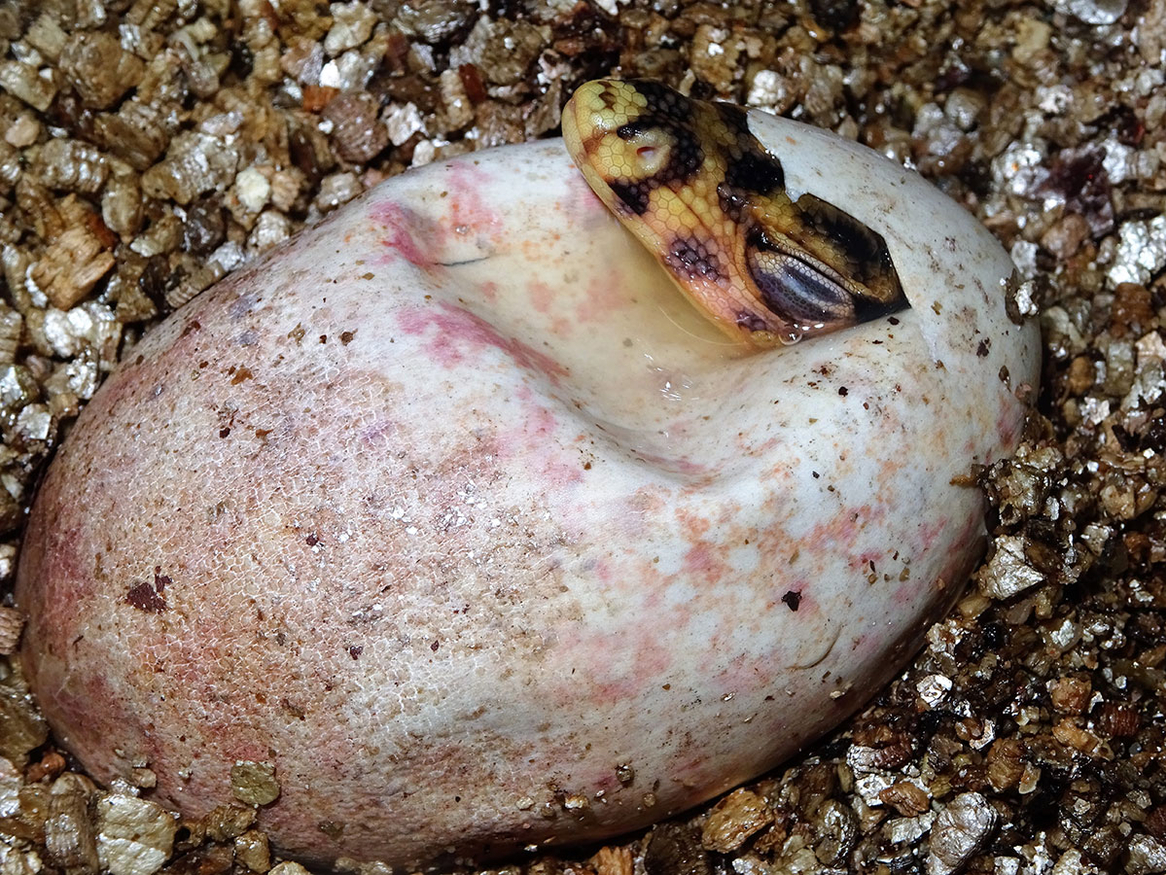
Cuming's water monitor, Varanus cumingi, LC. Captive bred at the Cologne Zoo, Germany. Photo by Thomas Ziegler
Photo: Thomas Ziegler
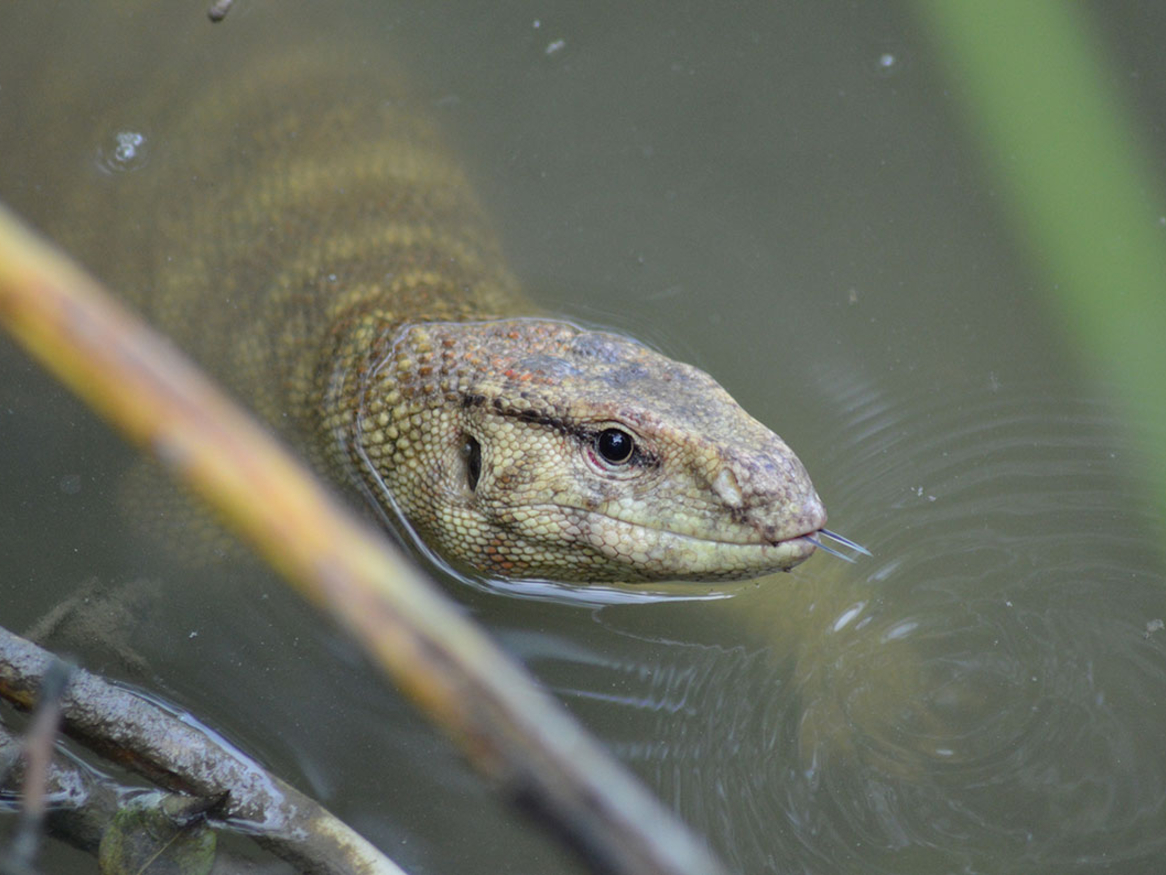
Foraging activity of an adult yellow monitor (Varanus flavescens) in the Chalan Beel area of Natore district, Bangladesh; 16 August 2016. Photo by Mijanur Rahman (as part of his PhD).
Photo: Mijanur Rahman
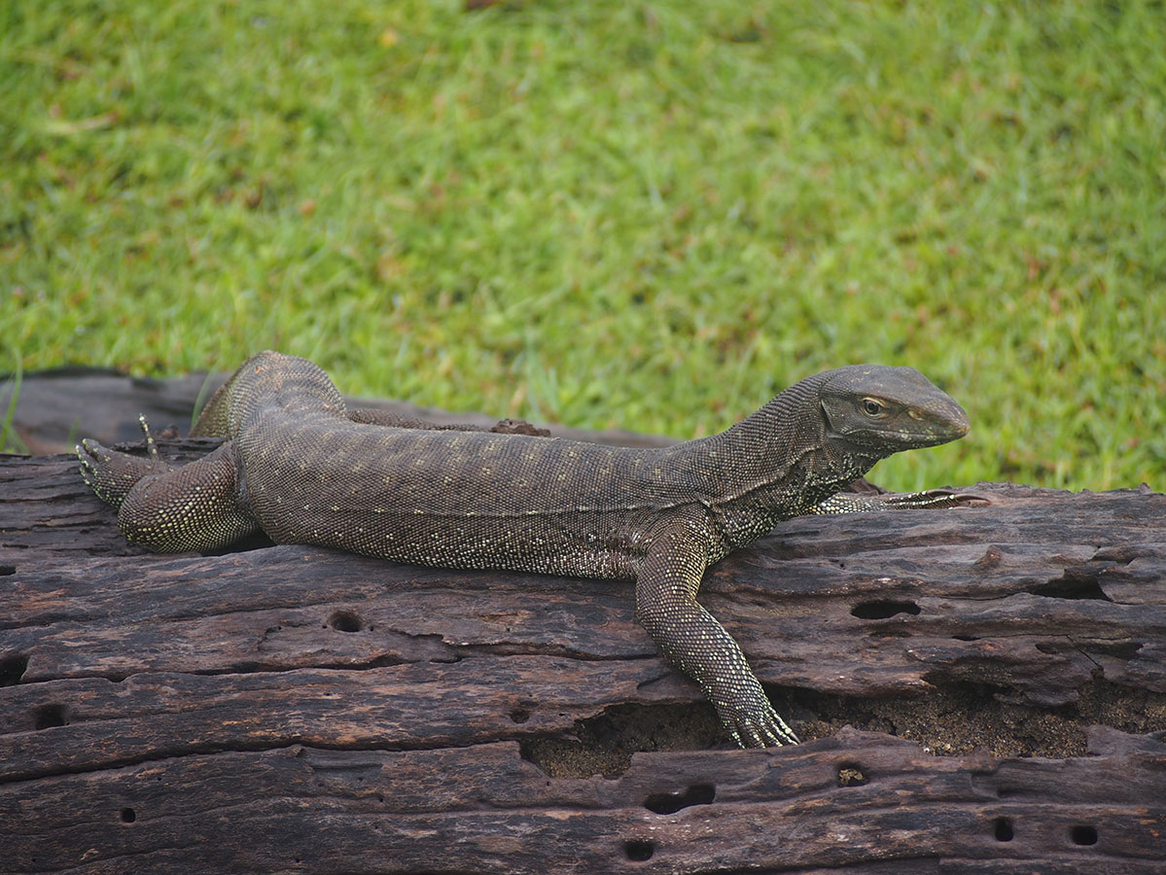
Bengal Monitor Lizard, Varanus bengalensis, from Sri Lanka. Photo by Simon Arming and Patrick Müller
Photo: Simon Arming and Patrick Müller