Jordan marks the implementation phase of the Jordan Integrated Landscape Management Initiative with Green Climate Fund support to strengthen climate resilience and water security
Amman, Jordan | 8 July 2026 (IUCN) – The Government of the Hashemite Kingdom of Jordan, in collaboration with the International Union for Conservation of Nature (IUCN), the United Nations Environment Programme (UNEP), and the Green Climate Fund (GCF), hosted the Inception Workshop for the Jordan Integrated Landscape Management Initiative (JILMI), marking an important milestone in the country's efforts to strengthen climate resilience, improve water security, and restore ecosystems across the Jordan Valley.
Photo: JIMLI Inception Workshop - IUCN ROWA
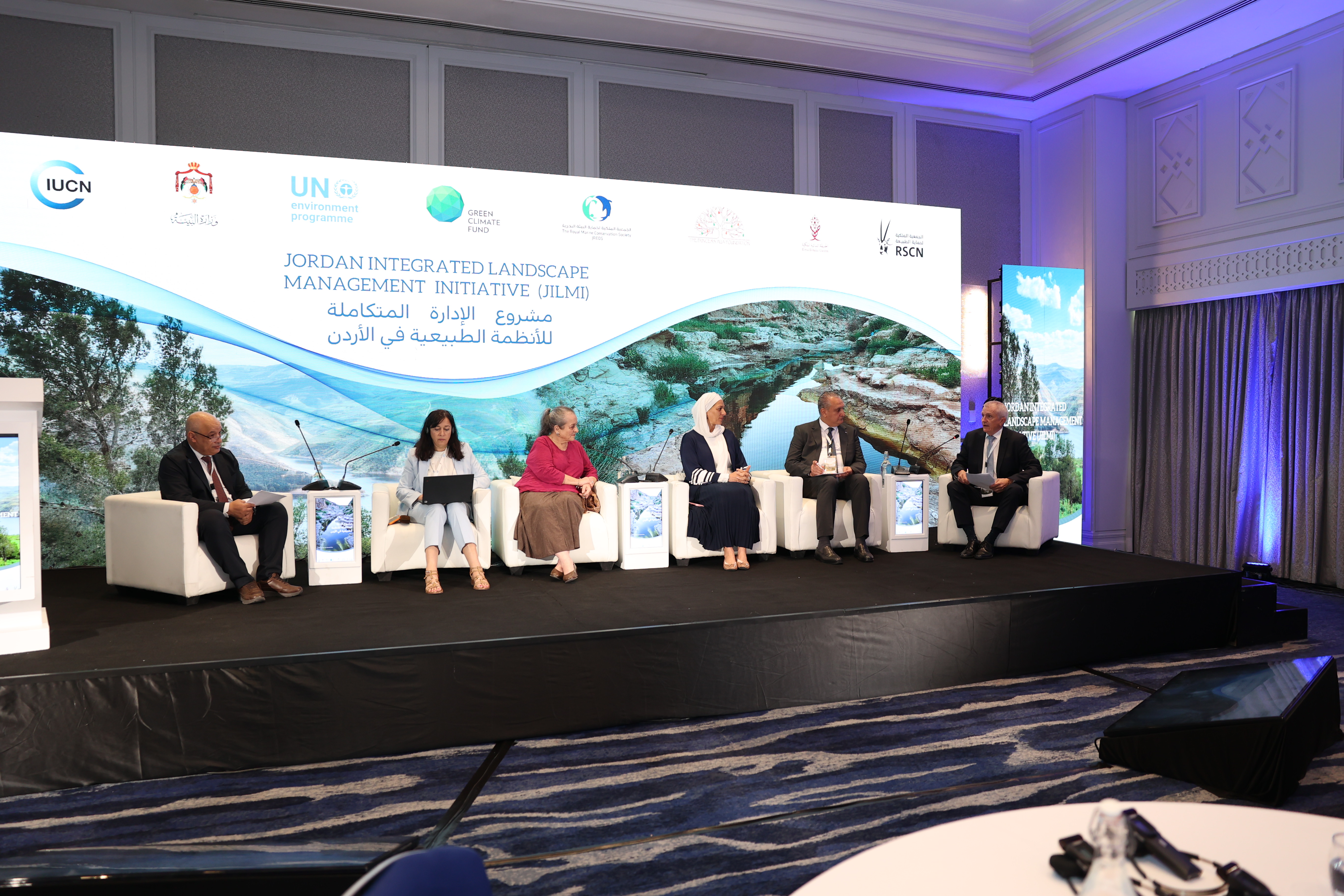
Photo: JIMLI Inception Workshop - IUCN ROWA
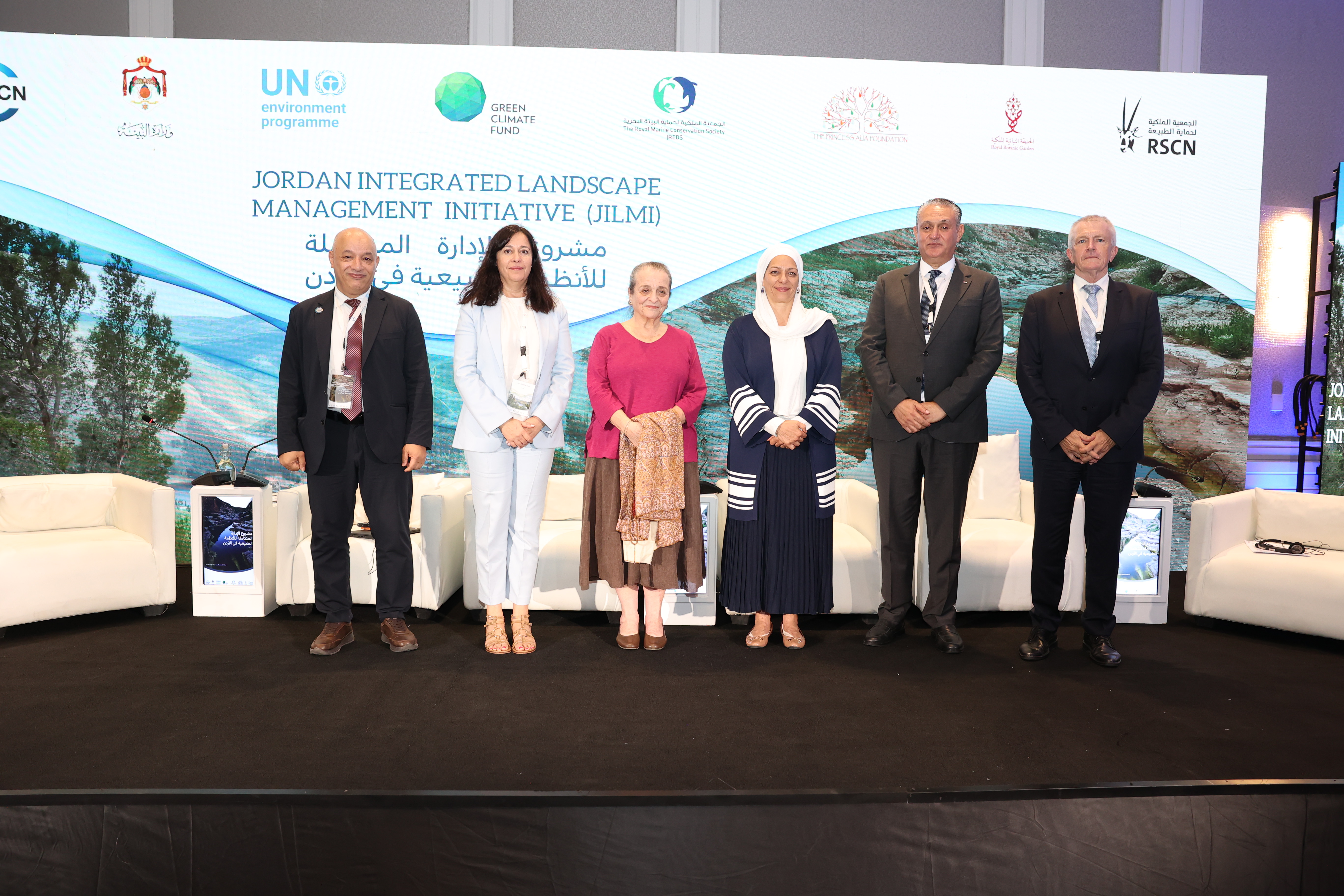
Photo: JIMLI Inception Workshop - IUCN ROWA
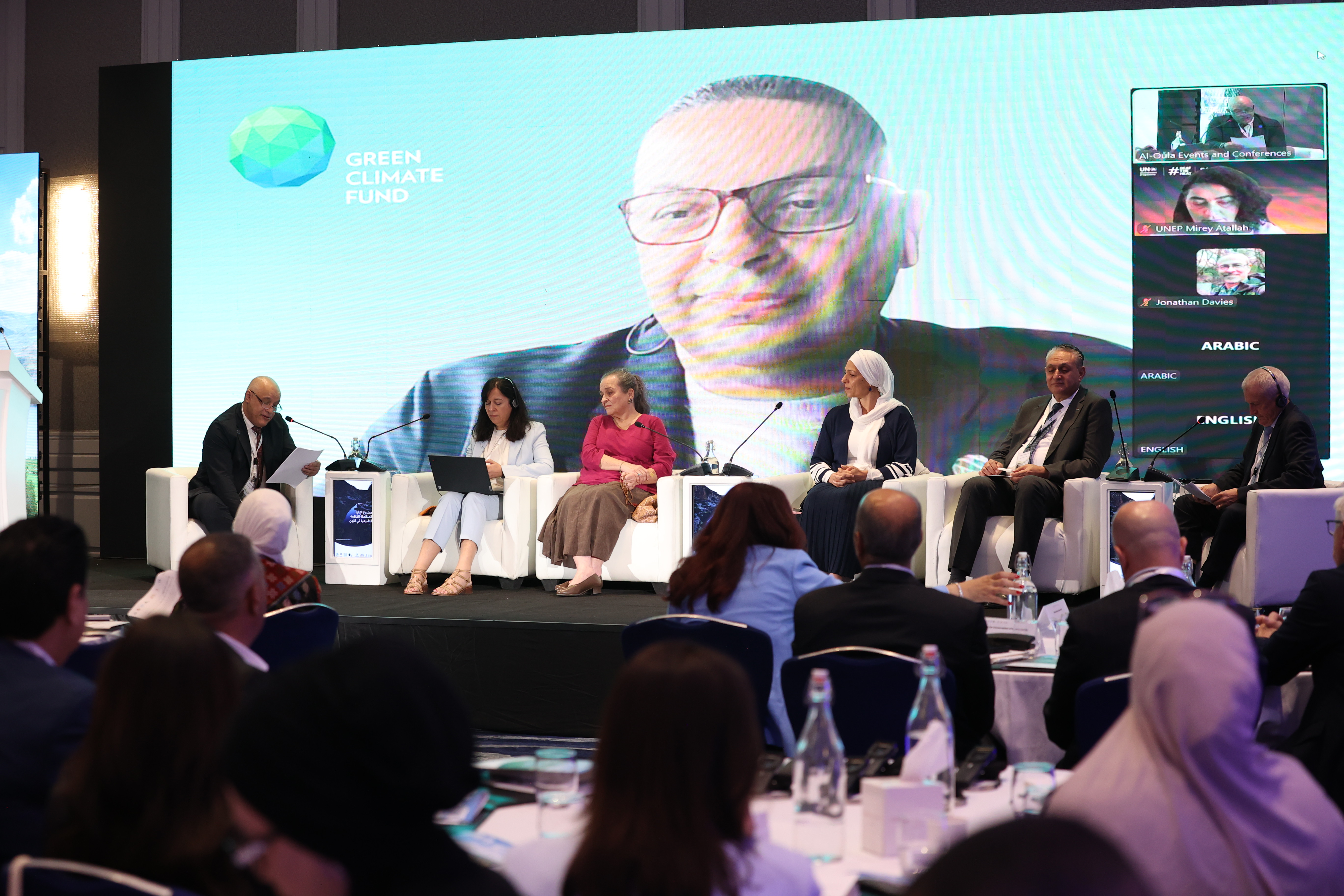
Photo: JIMLI Inception Workshop - IUCN ROWA
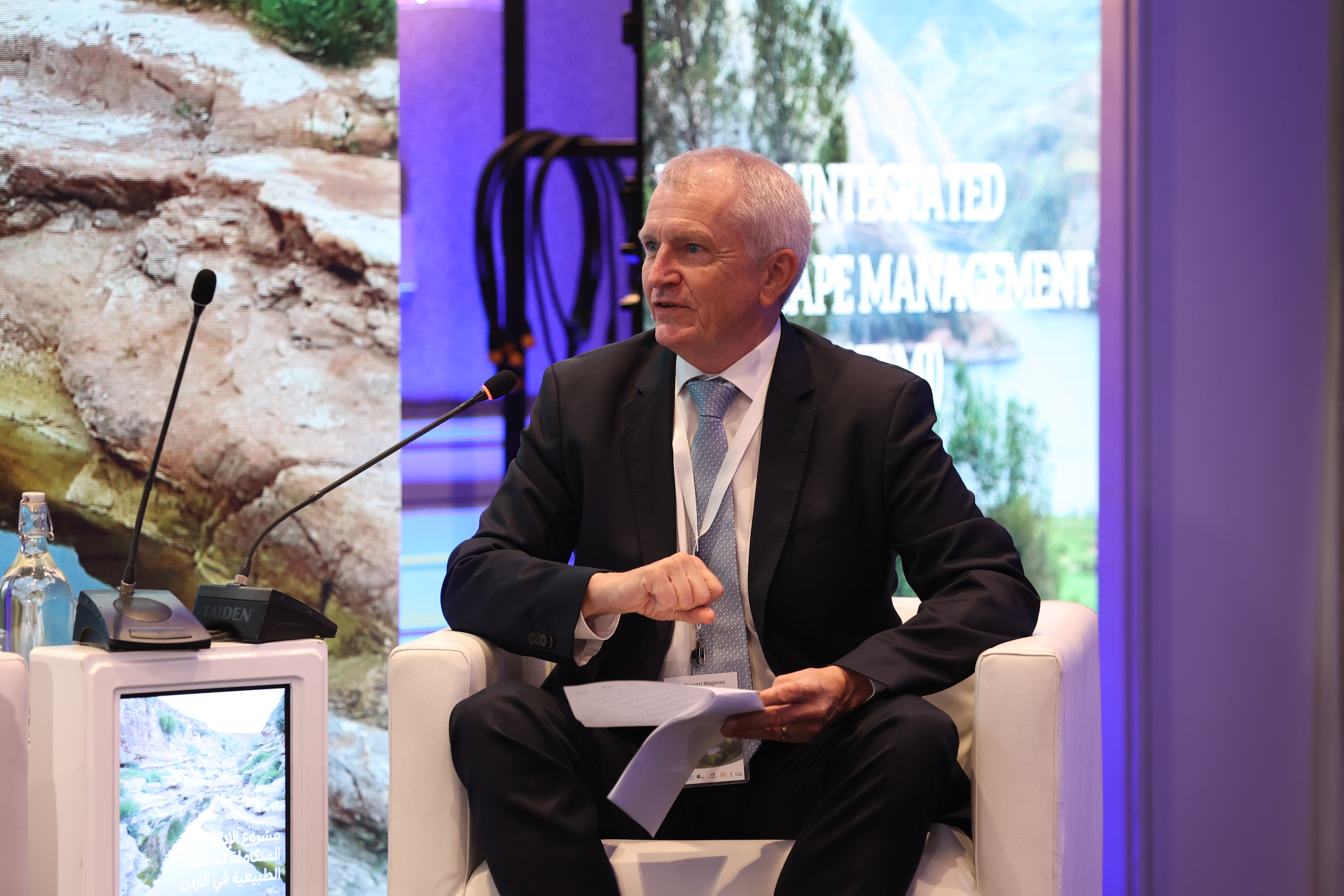
Photo: JIMLI Inception Workshop - IUCN ROWA
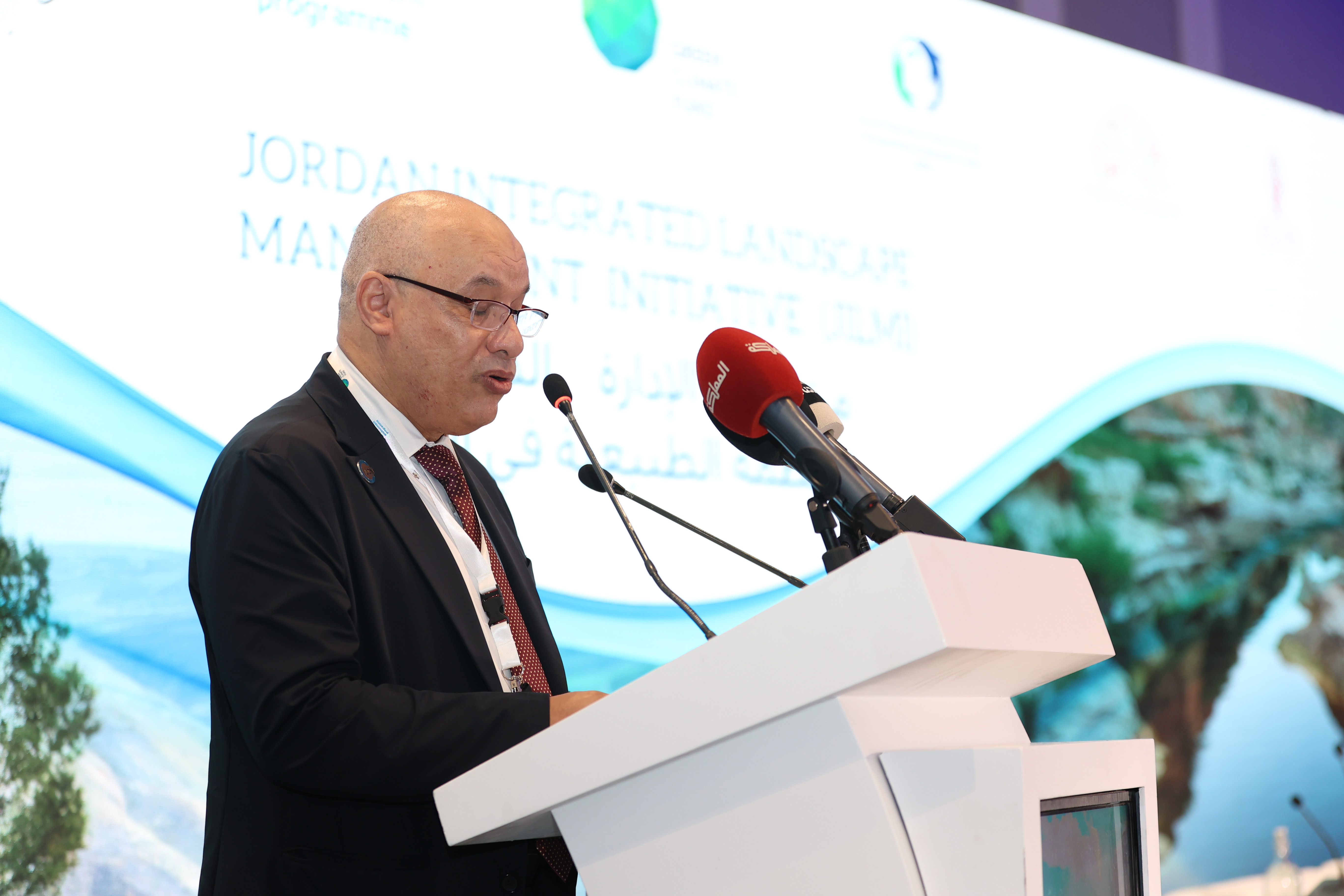
Photo: JIMLI Inception Workshop - IUCN ROWA
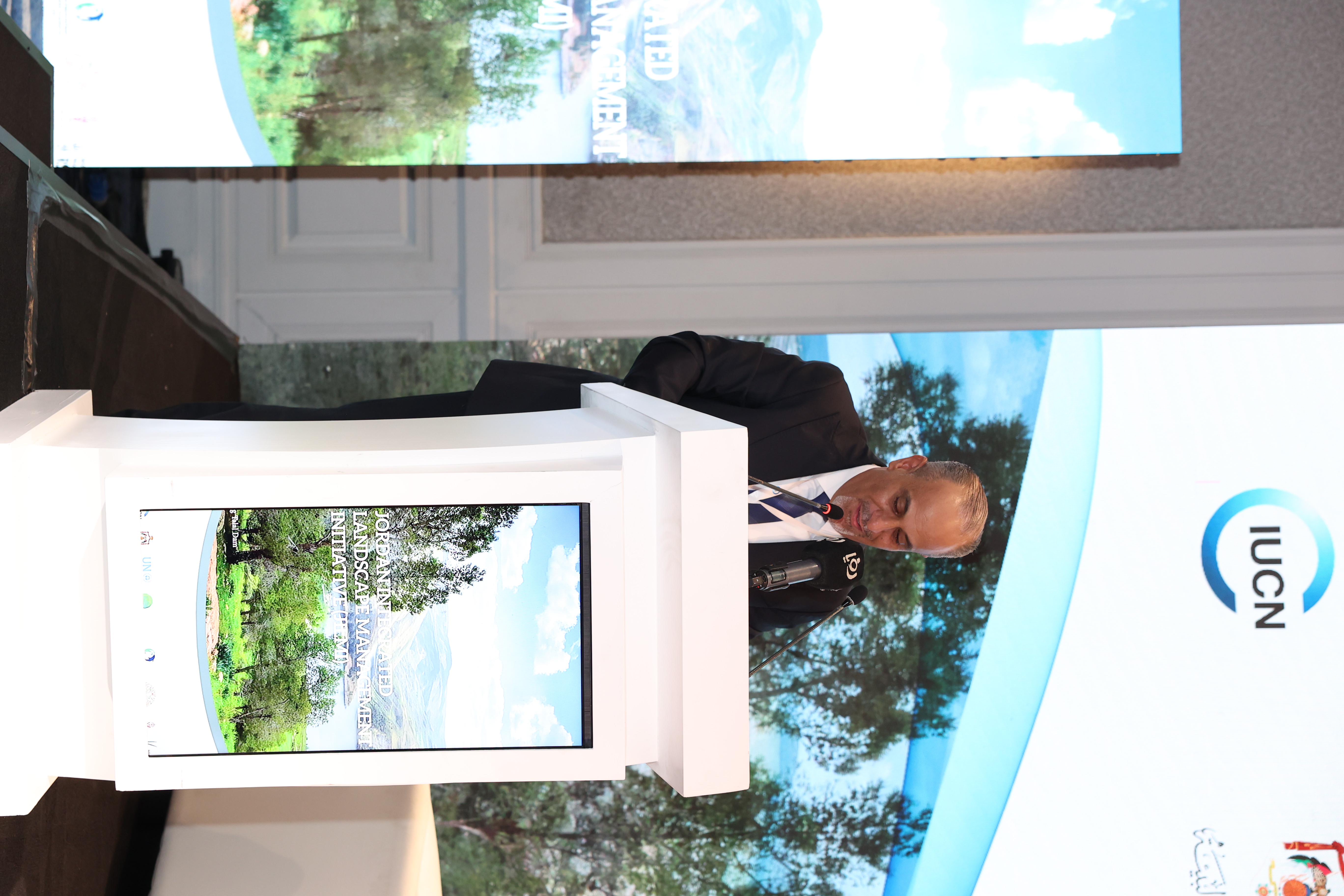
The workshop brought together Her Royal Highness Princess Alia bint Al Hussein, Her Royal Highness Princess Basma bint Ali, H.E. Dr. Ayman Suleiman, Minister of Environment, representatives of the Government of Jordan, international organisations, development partners, technical experts, civil society organisations, academia, local authorities and representatives of local communities from across the Jordan Valley to align on the project's implementation approach, governance framework and long-term vision.
Jordan is among the world's most water-scarce countries, with climate change placing increasing pressure on water resources, agricultural production, ecosystems and rural livelihoods. Through an integrated landscape management approach, JILMI seeks to address these interconnected challenges across the Yarmouk, King Talal Dam and Kafrain watersheds.
Her Royal Highness Princess Alia bint Al Hussein stressed that the Jordan Integrated Landscape Management Initiative demonstrates that investing in nature is ultimately an investment in people and future generations. She added that conserving biodiversity and protecting natural ecosystems are fundamental to building a more sustainable future, and that stronger partnerships, science-based action and collective commitment are essential to restoring ecosystems and safeguarding Jordan's natural heritage.
Financed by the Green Climate Fund, JILMI is implemented by UNEP as the Accredited Entity, with the Ministry of Environment and the IUCN Regional Office for West Asia serving as Executing Entities. The Ministry of Environment leads the project's climate adaptation governance component, while IUCN leads implementation of the remaining technical components in close collaboration with national partners and local stakeholders.
The initiative adopts an integrated approach to land and water resources management, combining ecosystem restoration, managed aquifer recharge, rainwater harvesting, evaporation reduction measures, sustainable agricultural practices and strengthened governance. The project is expected to directly benefit nearly 247,000 people, while generating indirect benefits for approximately 756,000 people through improved water management, stronger institutions and enhanced climate resilience across the Jordan Valley.
A key innovation of JILMI is the establishment of a Water Fund—a long-term financing mechanism based on payments for ecosystem services that aims to mobilise public and private investment to sustain and scale ecosystem restoration and integrated water management interventions beyond the project's lifetime.
Her Royal Highness Princess Basma bint Ali highlighted that the Jordan Integrated Landscape Management Initiative demonstrates the importance of adopting an integrated approach to biodiversity conservation and ecosystem protection as a cornerstone of sustainable development. She added that the initiative reflects a nationally led partnership bringing together the Ministry of Environment and Jordan's environmental organisations.
The Inception Workshop provided a platform to present the project's objectives, implementation approach, governance arrangements and expected outcomes, while strengthening coordination among implementing partners and reaffirming their commitment to delivering climate adaptation solutions that benefit both people and nature. Discussions also focused on environmental and social safeguards, gender-responsive implementation, institutional coordination, monitoring requirements and the project's long-term sustainability.
H.E. Dr. Ayman Suleiman, Minister of Environment, stated that JILMI represents a strategic step towards strengthening Jordan's resilience to climate change through sustainable natural resource management, ecosystem restoration and stronger partnerships across sectors. He added that the initiative is fully aligned with Jordan's national climate and environmental priorities and reflects the Kingdom's commitment to implementing its international environmental obligations. He emphasised that the project's success depends on close collaboration between government institutions, international partners and local communities to deliver lasting environmental and development outcomes.
Mr. Stewart Maginnis, Deputy Director General of IUCN, noted that Jordan is demonstrating how nature can be placed at the centre of climate resilience and sustainable development. He added that JILMI provides a practical example of how integrating ecosystem restoration, sustainable water management and community priorities within a single framework can deliver lasting benefits for both people and nature.
Dr. Hany El Shaer, Regional Director of the IUCN Regional Office for West Asia, said that JILMI reflects a shared vision that brings together government institutions, technical partners, local communities and international organisations around an integrated approach to natural resource management and climate adaptation. He added that the initiative will strengthen water security, restore ecosystems and improve livelihoods, reaffirming that investing in nature is an investment in Jordan's future resilience.
JILMI contributes directly to the Green Climate Fund's adaptation priorities by strengthening the resilience of vulnerable communities, improving food and water security, and enhancing the resilience of ecosystems and the services they provide. The project also supports Jordan's national climate adaptation priorities while demonstrating an innovative integrated landscape management model that can be replicated and scaled nationally and across the region.
Dr. Amgad El-Mahdi, Regional Manager for the Middle East and North Africa at the Green Climate Fund, noted that the initiative reflects GCF's commitment to supporting Jordan's national climate adaptation priorities through integrated solutions that strengthen sustainable natural resource management. He added that the project will reinforce sustainable water management and innovative financing mechanisms, including the Water Fund, helping strengthen community resilience while delivering sustainable development outcomes.
Mirey Attallah, Head of the Nature for Climate Branch at the United Nations Environment Programme (UNEP), stated that the Jordan Integrated Landscape Management Initiative is the result of years of collaboration between UNEP, the Government of Jordan, the International Union for Conservation of Nature, and national partners. She added that the project presents an integrated model that combines nature-based solutions, integrated water resources management, and innovative financing mechanisms to strengthen water security, build climate resilience, and improve the lives of local communities.
The workshop also highlighted the contributions of JILMI's technical partners—including the Royal Society for the Conservation of Nature (RSCN), the Royal Botanic Garden (RBG), the Princess Alia Foundation (PAF) and the Royal Marine Conservation Society of Jordan (JREDS)—whose expertise will support ecosystem restoration, sustainable water infrastructure, climate adaptation outreach and integrated water resources management, helping maximise the project's long-term impact on communities and ecosystems alike.
JILMI represents a landmark partnership between national institutions, international organisations, the private sector and local communities. By advancing nature-based solutions that respond to Jordan's national priorities, the initiative will strengthen climate resilience, promote the sustainable management of natural resources and safeguard ecosystems for future generations.
About the Jordan Integrated Landscape Management Initiative (JILMI)
The Jordan Integrated Landscape Management Initiative (JILMI) is a Green Climate Fund-financed climate adaptation project that aims to reduce the impacts of climate change on Jordan's water resources through an integrated landscape management approach. Implemented across the Yarmouk, King Talal Dam and Kafrain watersheds, the project combines ecosystem restoration, sustainable water resources management, climate-resilient agricultural practices, strengthened governance and knowledge management to enhance the resilience of people, nature and the economy.
About IUCN
The International Union for Conservation of Nature (IUCN) is a membership Union uniquely composed of both government and civil society organisations. It provides public, private and non-governmental organisations with the knowledge and tools needed to ensure that human progress, economic development and nature conservation advance together.
Founded in 1948, IUCN has grown into the world's largest and most diverse environmental network, bringing together more than 1,500 Member organisations and over 19,000 experts. Its work is supported by thousands of staff and volunteers through its Commissions, working in more than 50 countries around the world.
About IUCN Regional Office for West Asia
The IUCN Regional Office for West Asia (ROWA), based in Amman, Jordan, supports IUCN Members and partners across West Asia by strengthening environmental governance, improving the effective management of protected and conserved areas, promoting nature-based solutions, and advancing inclusive, science-based approaches to biodiversity conservation and sustainable development.
The Regional Office works closely with governments, regional institutions, international organisations, the private sector and local communities to address the region's unique environmental challenges and implement initiatives that strengthen climate resilience, conserve natural resources and support sustainable development.
About the Ministry of Environment
The Ministry of Environment is Jordan's national authority responsible for environmental protection, sustainable development, and climate change policy. As the National Executing Entity for the Jordan Integrated Landscape Management Initiative, the Ministry leads the project's climate adaptation governance component and works closely with national institutions and development partners to strengthen Jordan's resilience to climate change and promote the sustainable management of natural resources.
About the Green Climate Fund (GCF)
The Green Climate Fund (GCF) is the world's largest dedicated climate fund, established to support developing countries in reducing greenhouse gas emissions and strengthening their resilience to climate change. GCF finances transformative climate projects that promote low-emission, climate-resilient development and contribute to achieving the goals of the Paris Agreement and the Sustainable Development Goals.
About the United Nations Environment Programme (UNEP)
The United Nations Environment Programme (UNEP) is the leading global environmental authority that sets the global environmental agenda, promotes the coherent implementation of the environmental dimension of sustainable development across the United Nations system, and serves as an authoritative advocate for the global environment.
UNEP serves as the Accredited Entity for the Jordan Integrated Landscape Management Initiative on behalf of the Green Climate Fund and works with national and international partners to deliver integrated solutions that strengthen climate adaptation, promote the sustainable management of natural resources, and build more resilient communities.
For media inquiries:


The Bangladesh Forest Department (BFD) and IUCN Bangladesh, with support from Agence Française de…

Each year, International Women's Day is an opportunity to recognise the women advancing change in…

On 14 January 2026, in Dhaka, the Bangladesh Forest Department and IUCN Bangladesh formally signed…