Climate-resilient reefs, ancient fish fossils and vast wetlands – IUCN supports five World Heritage nominations
From some of the world’s most heat-resilient coral reefs to one of the planet’s largest intact subtropical freshwater peatlands, the International Union for Conservation of Nature (IUCN) has recommended five natural sites and extensions for World Heritage recognition ahead of the UNESCO World Heritage Committee’s meeting in Busan, Republic of Korea, from 19 to 29 July 2026.
Jordan’s Aqaba Marine Reserve is located at the northernmost tip of the Red Sea
Photo: Royal Marine Conservation Society (JREDS)

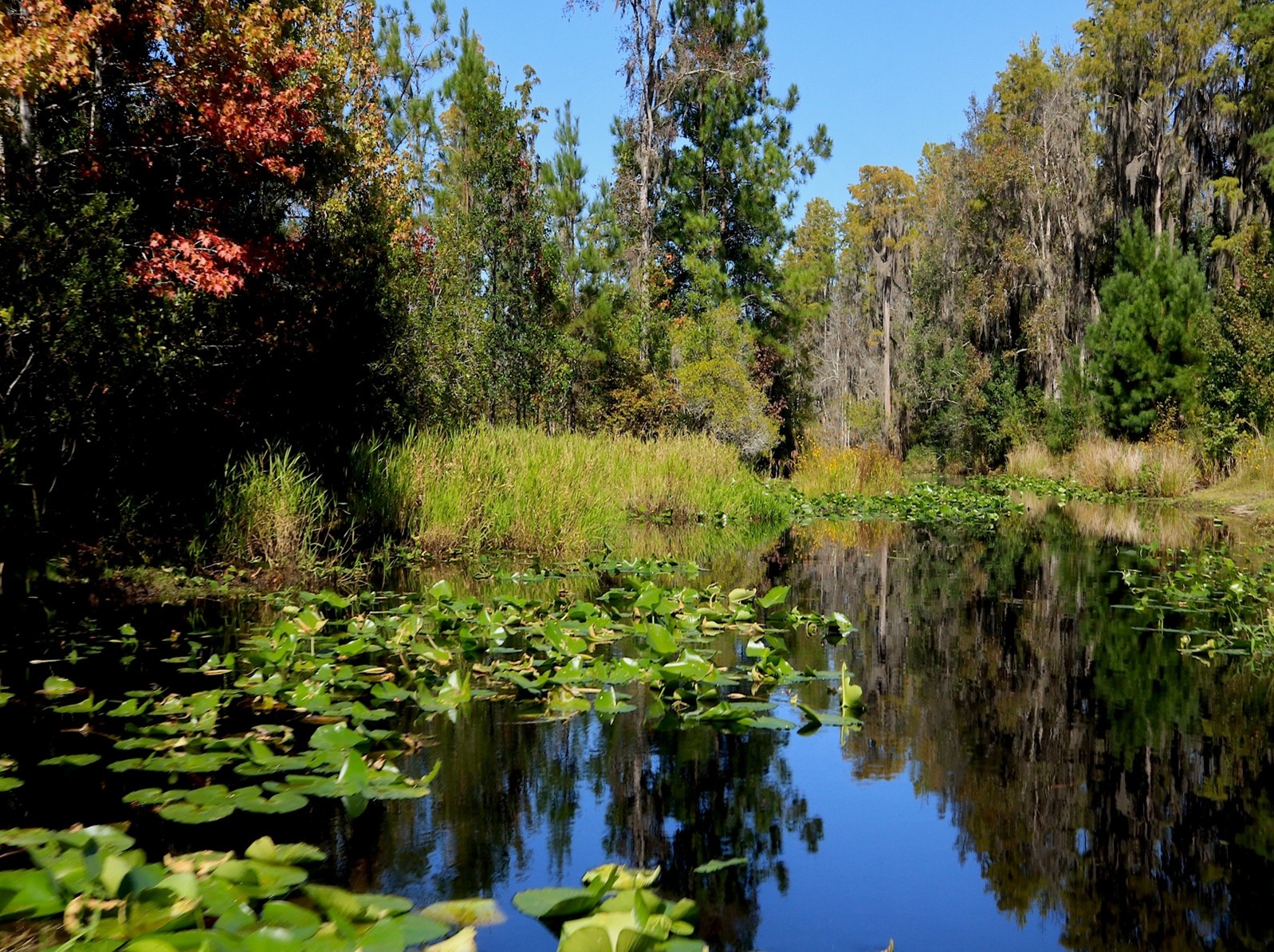
Okefenokee National Wildlife Refuge
Photo: © UICN / Tobias Salathé
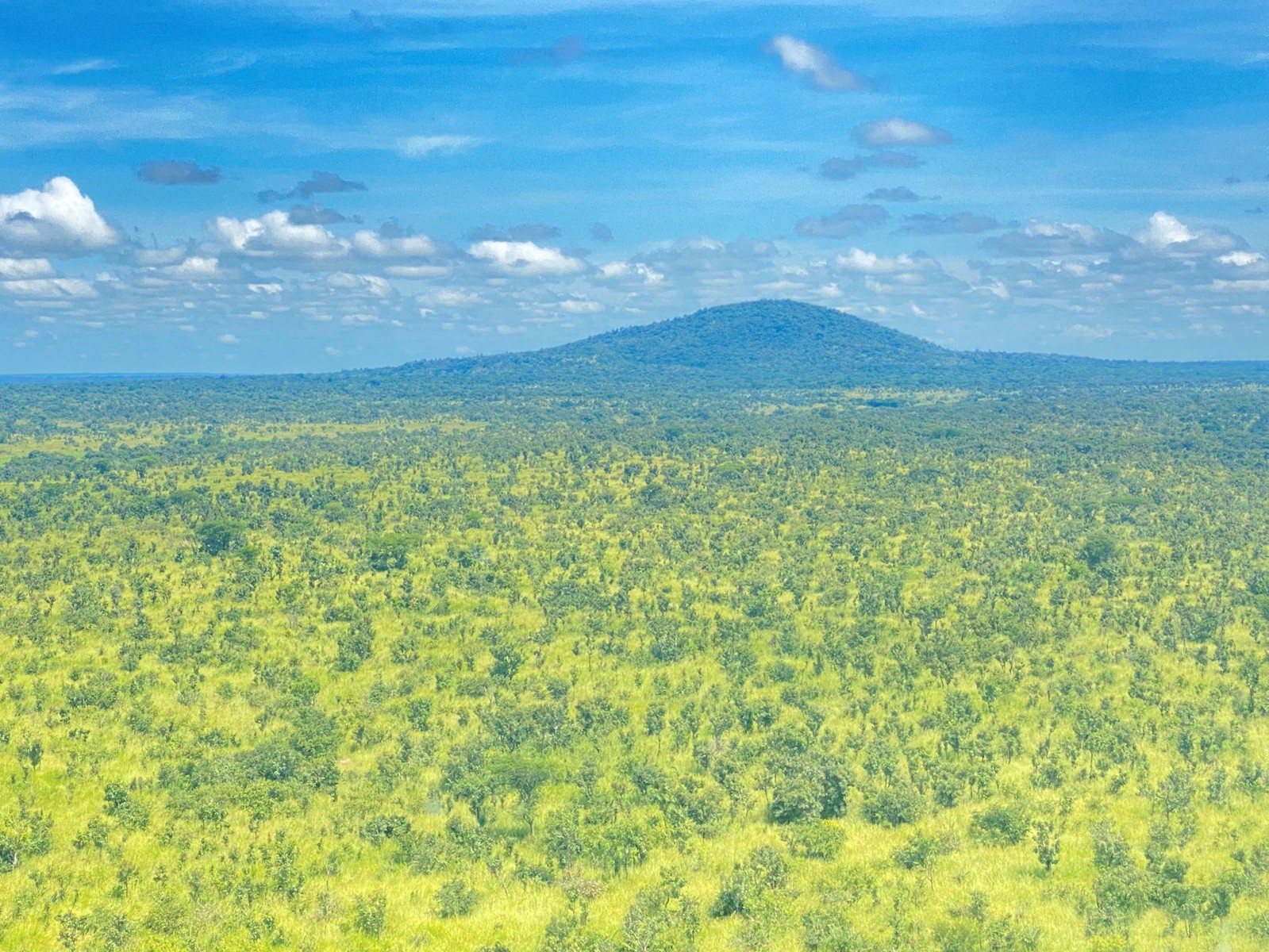
Garamba National Park
Photo: © IUCN / Paul Ngafack
The Bony Fish Fossils of the Western Limfjord
Photo: © IUCN / Dan Tormey

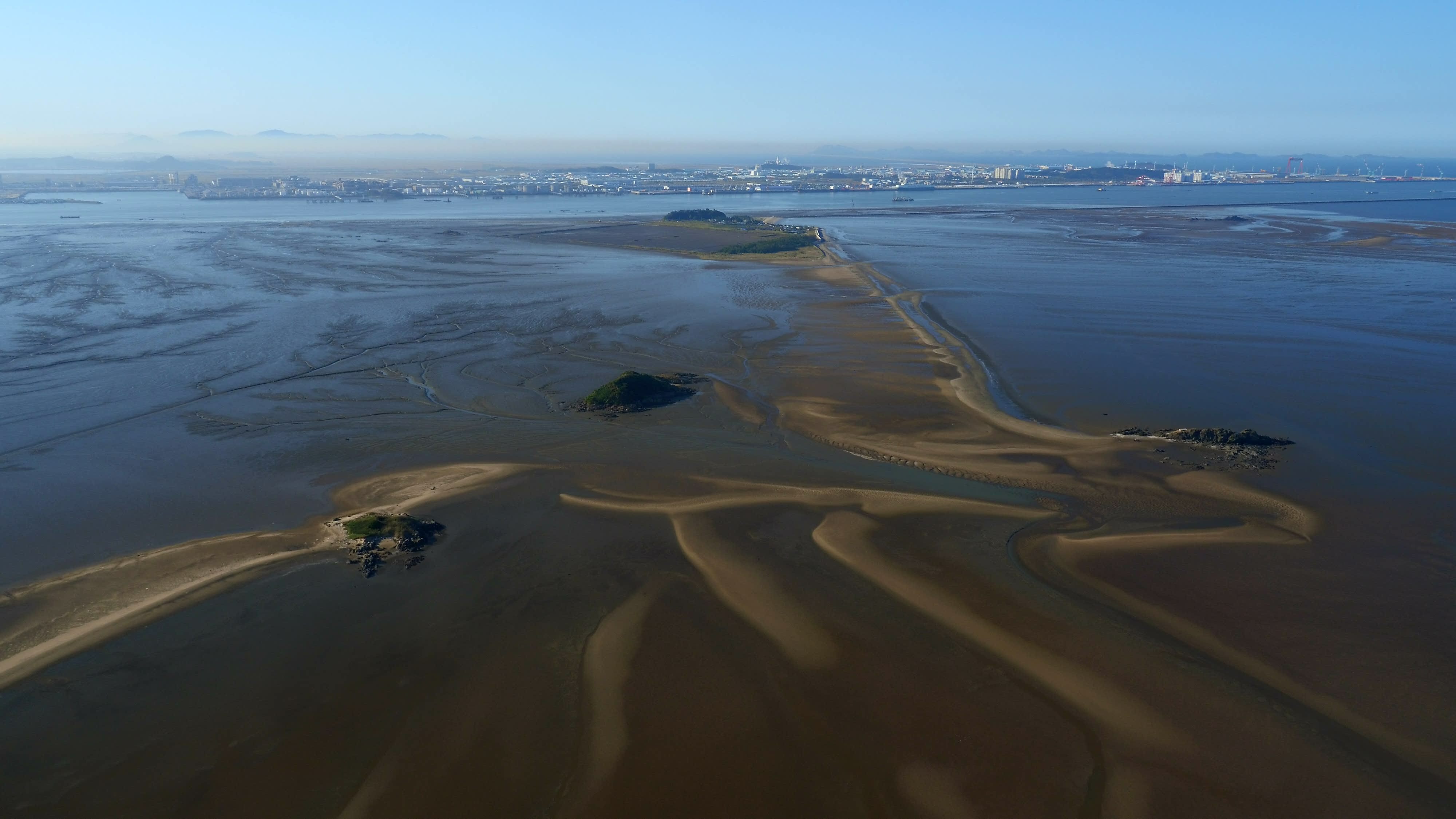
Photo: Korea Getbol World Heritage Site, Tidal Flat of Yubudo, Republic of Korea © World Heritage Promotion Team of Korean Tidal Flat
If the Committee follows IUCN’s advice, new and expanded World Heritage recognition would support the conservation of exceptional natural places in the Democratic Republic of the Congo, Denmark, Jordan, the Republic of Korea, and the United States of America. IUCN’s recommendations include three new inscriptions, one extension of an existing World Heritage property, and the approval of a renomination for a site already on the World Heritage List.
“World Heritage recognition recognises the planet’s most exceptional places,” said Tim Badman, Director of World Heritage at IUCN. “This year’s recommendations underline the extraordinary range of natural heritage that needs long-term protection; from coral reefs that may help science understand climate resilience, to tidal flats sustaining migratory birds, ancient fossil sites that illuminate life after mass extinction, and wetlands that store carbon and support rare species.”
Five areas recommended for inscription by IUCN
IUCN recommends approval of the renomination of Garamba National Park in the Democratic Republic of the Congo. Garamba was first inscribed on the World Heritage List in 1980 and remains on the List of World Heritage in Danger due to longstanding threats including poaching, insecurity and illegal resource use. The renomination recognises Garamba’s continuing global importance being embedded in one of Central Africa’s last extensive forest–savanna mosaic landscapes. The site supports threatened species, including African Forest Elephants, Kordofan Giraffes, Common Hippopotamuses, Eastern Chimpanzees, Lions and all four African pangolin species.
Jordan’s Aqaba Marine Reserve is located at the northernmost tip of the Red Sea. The site is globally significant for its thermally resilient corals, which have evolved under the Gulf of Aqaba’s unique oceanographic conditions. The reserve supports around 157 hard coral species, over 500 fish species and 1,000 mollusc species, and contains approximately 61% of all Red Sea endemic hard coral species.
IUCN recommends approval of Getbol, Korean Tidal Flats (Phase II) in the Republic of Korea to expand the existing World Heritage site. The extension would add five important tidal flat areas to the serial property, increasing its area by nearly 22%, further protecting critical habitats along the East Asian–Australasian Flyway. The Getbol tidal flats collectively support millions of waterbirds and provide feeding, breeding and stopover habitat for globally threatened migratory species.
Denmark’s Western Limfjord fossils in northern Jutland, represents the world’s leading fossil site for understanding the early evolution of modern bony fish lineages after the end-Cretaceous mass extinction. Its exceptionally preserved fossils, including more than 80 species of bony fishes, illuminate the response of life to one of the most significant rapid warming events in Earth’s history. The site also contains fossils of sea turtles, birds, insects, plants and other organisms, alongside volcanic ash layers that support precise dating and interpretation.
United States of America’s Okefenokee National Wildlife Refuge protects a vast mosaic of swamp, peatland, pine savanna, prairie and forest habitats, and likely to be the world’s largest and most intact lowland freshwater peatland in the subtropical zone. The site supports exceptional ecological processes driven by water, fire and peat formation, as well as high biodiversity. It is also home to one of the largest populations of the American Alligator and important populations of Gopher Tortoise, Florida Black Bear and Red-cockaded Woodpecker. The site has deep historical, cultural and spiritual significance for the Muscogee (Creek) Nation and other Indigenous Peoples, whose cultural heritage values require recognition and appropriate protection alongside the site’s natural values.
IUCN also evaluated nominations where it recommends that further action is needed before World Heritage inscription can be considered. These include Coral Reefs in the Gulf of Aqaba, Red Sea in the Kingdom of Saudi Arabia: Gulf of Aqaba; Wadi Wurayah in the United Arab Emirates; The Bashkir Shikhans of Toratau, Kushtau and Yuraktau in the Russian Federation; and the nomination of The Wider Area of Mount Olympus in Greece - which has been nominated for both natural and cultural values.
Existing natural World Heritage under threat
IUCN’s recommendations also include the first batch of reports on the conservation status of around 50 natural and mixed World Heritage sites facing threats and challenges to their Outstanding Universal Value, such as development pressures, unsustainable tourism, invasive alien species, conflict, and climate change.
IUCN monitors a selection of sites each year in collaboration with the UNESCO World Heritage Centre and the International Council on Monuments and Sites (ICOMOS), and provides technical recommendations to the World Heritage Committee and States Parties to support the ongoing protection and management of natural World Heritage globally. Further reports will be dispatched in the coming weeks.
For more information, see the IUCN's evaluation of site nominations here.


The Bangladesh Forest Department (BFD) and IUCN Bangladesh, with support from Agence Française de…

Each year, International Women's Day is an opportunity to recognise the women advancing change in…

On 14 January 2026, in Dhaka, the Bangladesh Forest Department and IUCN Bangladesh formally signed…