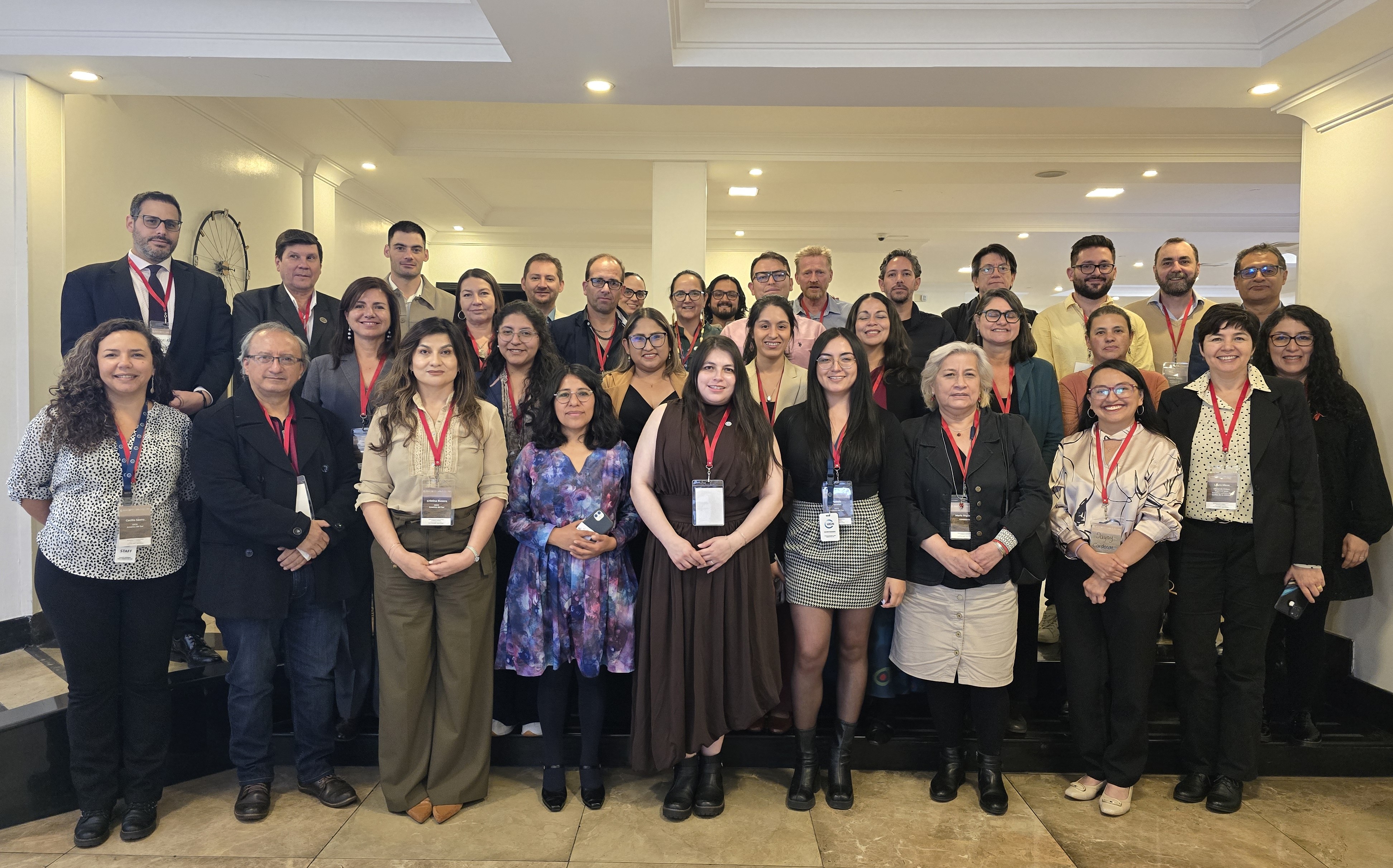
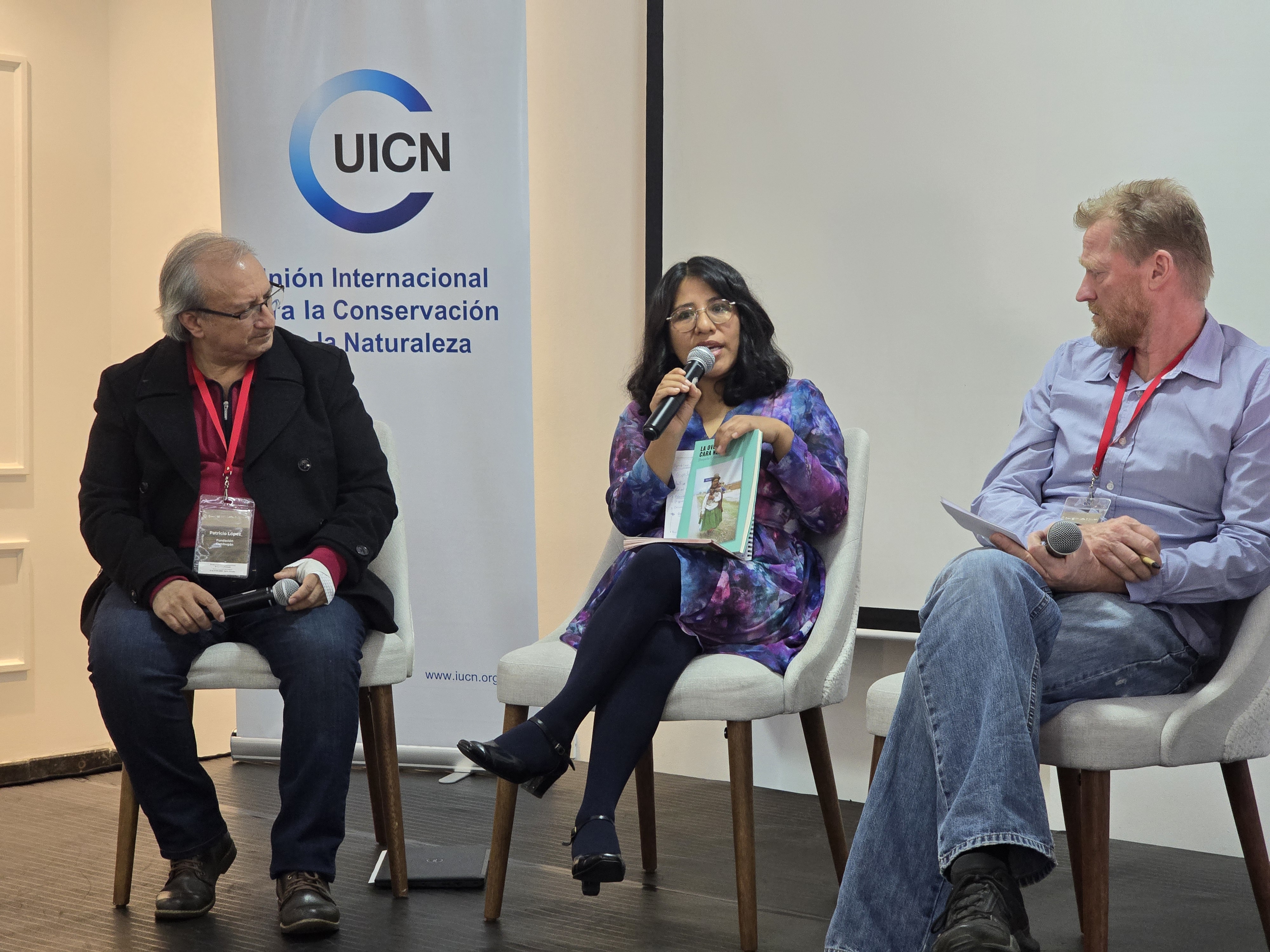
For decades, grasslands and savannas have remained some of the most underrepresented ecosystems on the global environmental agenda, despite playing a vital role in biodiversity, climate regulation, food security, and supporting the livelihoods of millions. In response, IUCN South America led a collaborative process ahead of COP17, culminating in the Regional Preparatory Meeting on Savannahs and Grasslands. This initiative brought together more than 30 representatives from 11 regional governments, the UNCCD Secretariat, civil society, and technical organizations.
Photo: @Saskia Chacón UICN SUR
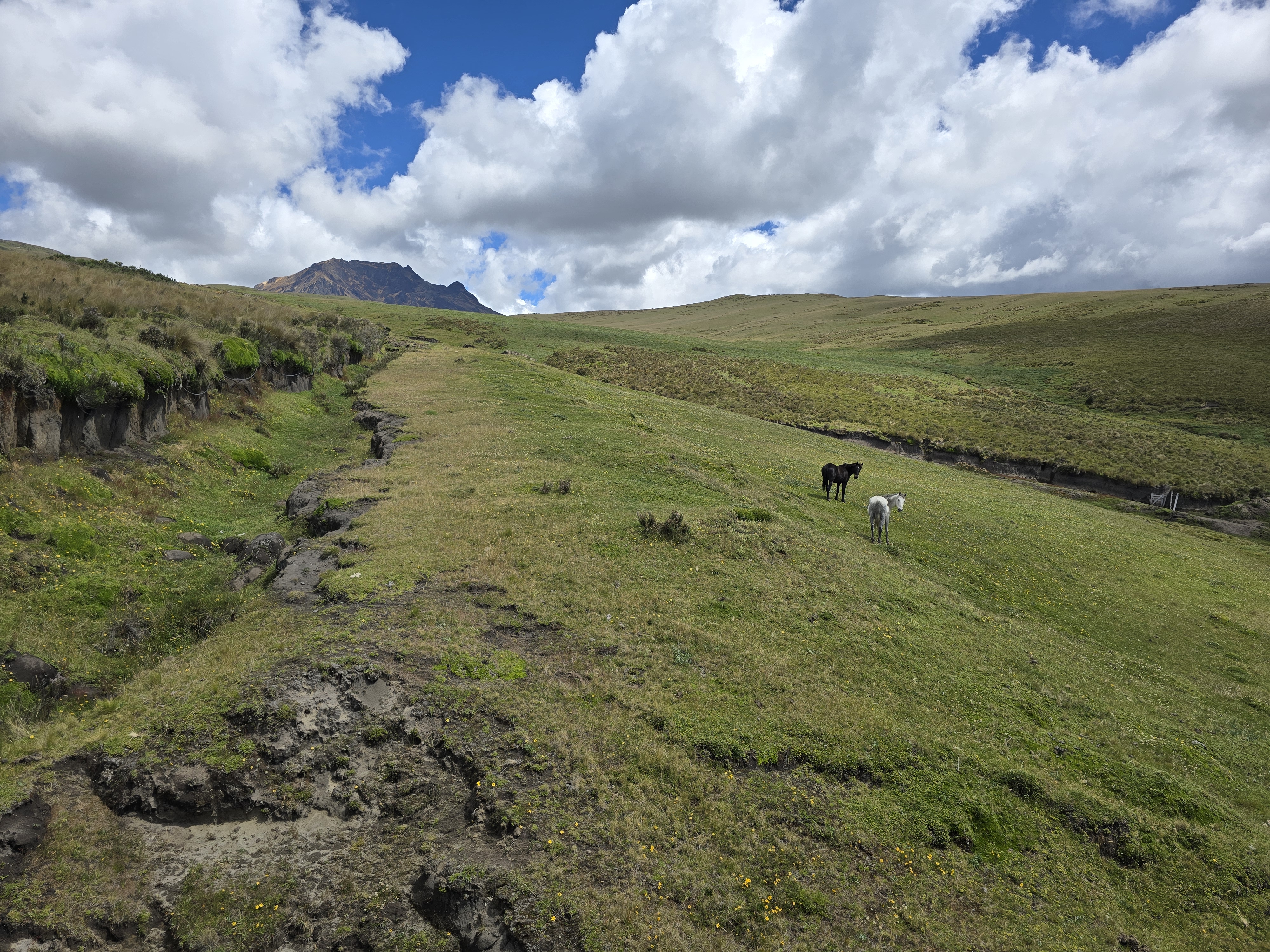
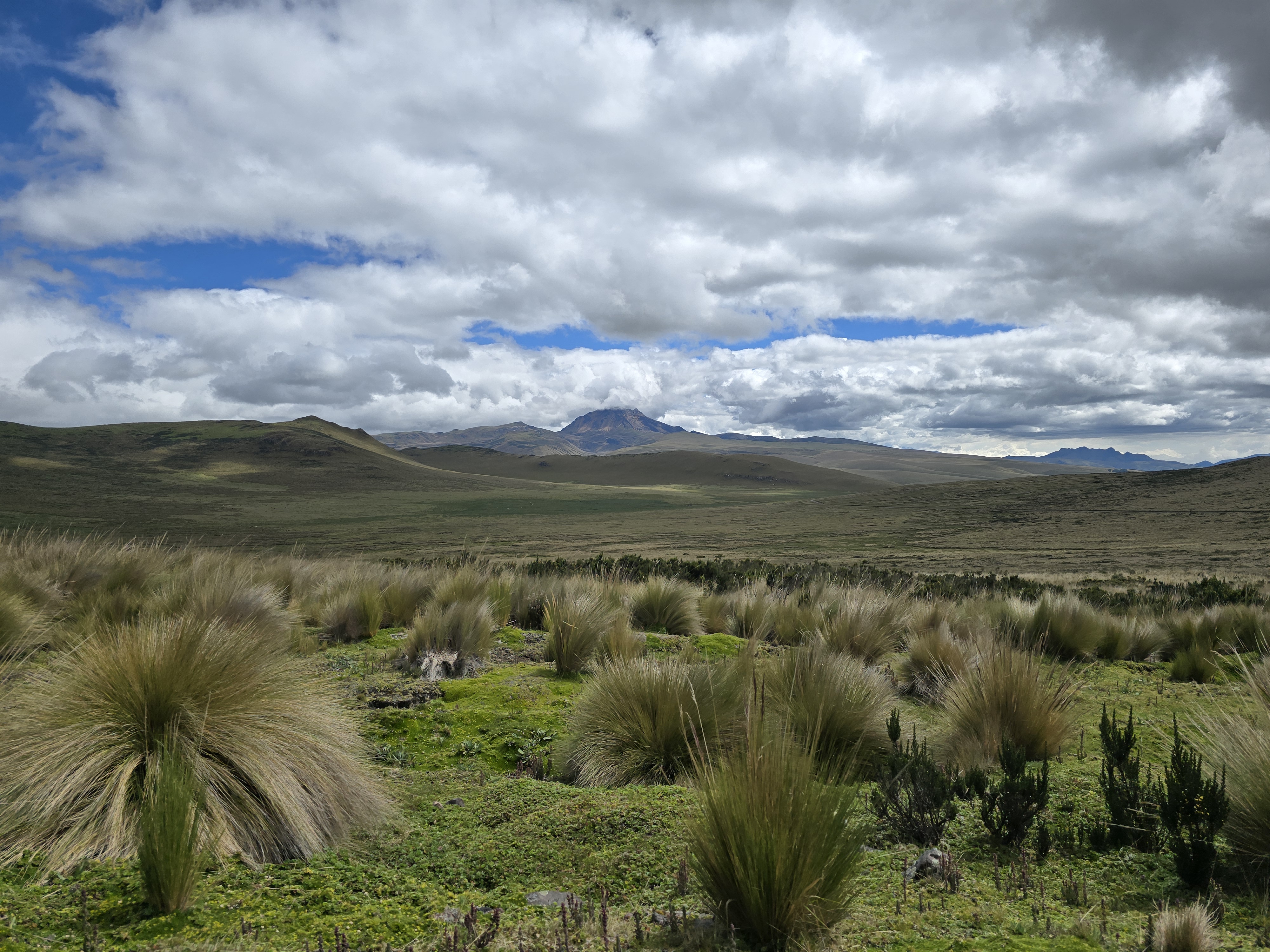
Photo: @Saskia Chacón UICN SUR
This event marked a key milestone on the preparatory path toward COP17 of the United Nations Convention to Combat Desertification (UNCCD), upcoming in Mongolia. The platform not only fostered stakeholder collaboration and the exchange of experiences, but also backed the collective creation of an advocacy document outlining the region's primary consensus points. Moving forward, regional dialogues will continue to drive results, enrich the discussion, and bolster Latin America's readiness before, during, and after the global conference.
Through these agreements, the region solidifies a unified stance with strong leverage in international negotiations. In doing so, Latin America proves that the sustainable management of its ecosystems is a vital response to combating land degradation, biodiversity loss, and climate change.
A strategic biome still underlooked
Grasslands and savannas cover more than half of the Earth’s land surface, store close to one third of global soil carbon, and provide the livelihoods of approximately 2 billion people. In South America, they occupy around one third of the territory and are represented in ecologically and culturally significant landscapes such as the Cerrado and Caatinga in Brazil, the Llanos in Venezuela, the Pampas of the Southern Cone, the Gran Chaco, and the Andean grasslands.
On the first day of the meeting's debate, the focus centered on revealing how—despite their strategic importance—these ecosystems have historically been overlooked in public policies and international funding mechanisms. Experts pointed to a persistent gap in conceptual and regulatory recognition within international frameworks, which has led to their frequent misclassification as degraded forests or land of lesser ecological value. This lack of recognition translates into limited global protection: only 4.4% of grasslands benefit from formal conservation schemes, in sharp contrast to 18% of forest ecosystems.
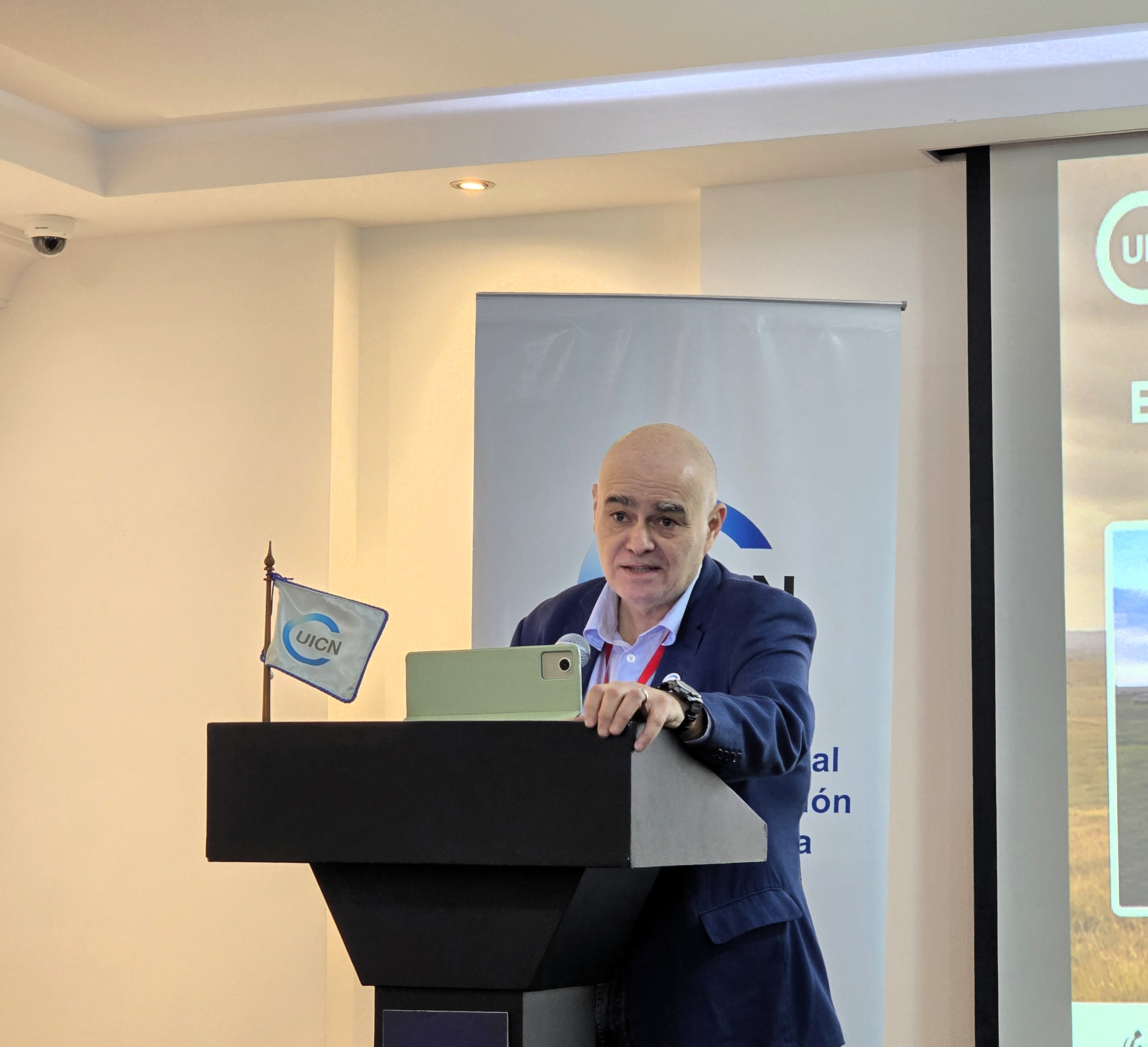 @Saskia Chacón UICN SUR
If we want to achieve global restoration goals and effectively tackle climate change, we must fully recognize their contribution. There will be no complete solutions for land degradation or climate change as long as savannahs and grasslands remain outside the center of the agenda. Latin America has a responsibility, but also a tremendous opportunity to demonstrate that it is possible to conserve these ecosystems while strengthening livelihoods," emphasized Gabriel Quijandría, IUCN Regional Director for South America.
Field experiences: solutions already underway
The regional exchange highlighted concrete experiences that are already transforming grassland and savanna management across the region.
Uruguay and Mexico showcased regenerative livestock systems based on natural grasslands, integrating biodiversity conservation and drought resilience. Brazil highlighted policy instruments for restoring degraded grasslands, restoration approaches adapted to dry ecosystems, and payment for ecosystem services schemes supporting small-scale producers. In the Andean region, Indigenous community governance systems in high-altitude grasslands were highlighted, where traditional management continues to play a central role in landscape conservation.
Across all cases, a common message emerged: the sustainability of grasslands depends on management approaches that integrate local knowledge, production, and conservation, recognizing the role of the communities that have historically stewarded these landscapes.
Finance and governance: a structural bottleneck
The discussions also underscored two of the main barriers to scaling these solutions: financing and governance.
Although grasslands and savannas generate direct benefits for the three Rio Conventions—biodiversity, climate change, and desertification—financial flows remain fragmented and disproportionately low compared to other ecosystems. This gap constrains restoration at scale and weakens incentives for sustainable landscape management.
Beyond financing, participants highlighted governance challenges as a key structural constraint, including fragmented institutional mandates, limited coordination across sectors and scales, and insufficient recognition of land tenure systems and community-based governance arrangements that are central to the stewardship of these ecosystems.
Participants emphasized the need for integrated investment approaches capable of mobilizing public and private finance through a territorial lens, ensuring that benefits reach local communities and land stewards. The economic case is also compelling: restoration actions can generate returns of between 4 and 30 dollars for every dollar invested, through ecosystem services and productivity gains.
Building a regional position toward COP17
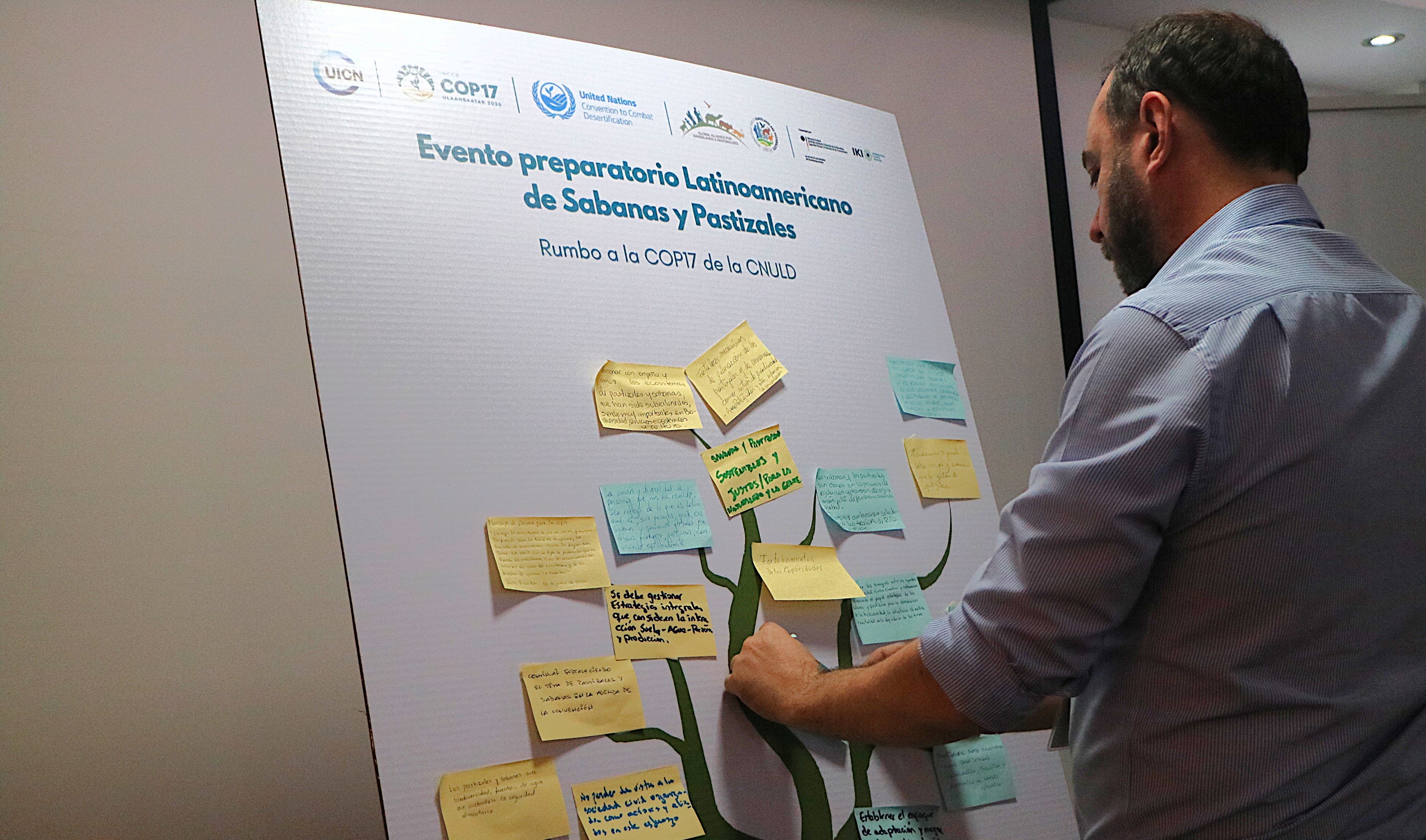
The event paved the way for a draft document designed to bolster Latin America and the Caribbean's influence at UNCCD COP17. This working document, shaped alongside representatives from participating countries, has been shared with the UNCCD Secretariat, the GRULAC Presidency, the UNCCD Civil Society Panel, and other key stakeholders to support the COP17 preparatory process. Currently being finalized, it aims to anchor strategic messages for regional positioning on the conservation, restoration, and sustainable management of grasslands and savannas, while mapping out key opportunities for upcoming negotiations.
The core priorities focus on strengthening land governance and the rights of local and indigenous communities, and improving scientific evidence and monitoring systems. They also highlight mobilizing dedicated financing for savannas and grasslands, consolidating the water-land nexus, promoting regenerative production, halting the conversion of natural ecosystems, and boosting synergies among the three Rio Conventions.
Moving forward, the IUCN Savannahs and Grasslands Platform will host a virtual regional dialogue to continue driving the discussion on these priorities and formally present the regional document before the global conference kicks off in Mongolia this August.
Beyond COP17: a sustained regional agenda
This initiative is part of a long-term agenda to strengthen regional cooperation on grasslands and savannas beyond the COP17 horizon.
The IUCN Grasslands and Savannas Platform continues to promote evidence generation, knowledge exchange, and capacity building to position these ecosystems in national and international agendas. The aim is to advance integrated solutions that recognize their strategic value for biodiversity, climate action, food security, and land degradation neutrality.
The process initiated in Quito marks a step towards a stronger regional voice on grasslands and savannas, with COP17 serving as a key milestone within a broader, sustained transformation agenda that extends beyond international negotiations.
________________________________
About the project
The project “Safeguarding overlooked Ecosystems: Protect, Manage and Restore Grasslands and Savannahs in Argenti…” is funded by the International Climate Initiative (IKI) on behalf of the German Federal Ministry for the Environment, Climate Action, Nature Conservation and Nuclear Safety (BMUKN) and implemented by WWF Germany, IUCN, WWF Colombia, WWF-Paraguay, Fundación Vida Silvestre Argentina, Agri benchmark, and the Leibniz Centre for Agricultural Landscape Research (ZALF). The event was a key milestone for the Savannahs and Grasslands Platform established under this project by IUCN SUR, IUCN FGT and partners. Grassland and savannah ecosystems in Argentina, Colombia and Paraguay harbour common social-cultural, economic and environmental values.


The Bangladesh Forest Department (BFD) and IUCN Bangladesh, with support from Agence Française de…

Each year, International Women's Day is an opportunity to recognise the women advancing change in…

On 14 January 2026, in Dhaka, the Bangladesh Forest Department and IUCN Bangladesh formally signed…