Tafraout and Tozeur: Mediterranean oases as living laboratories of agroecology, biocultural heritage, and climate resilience
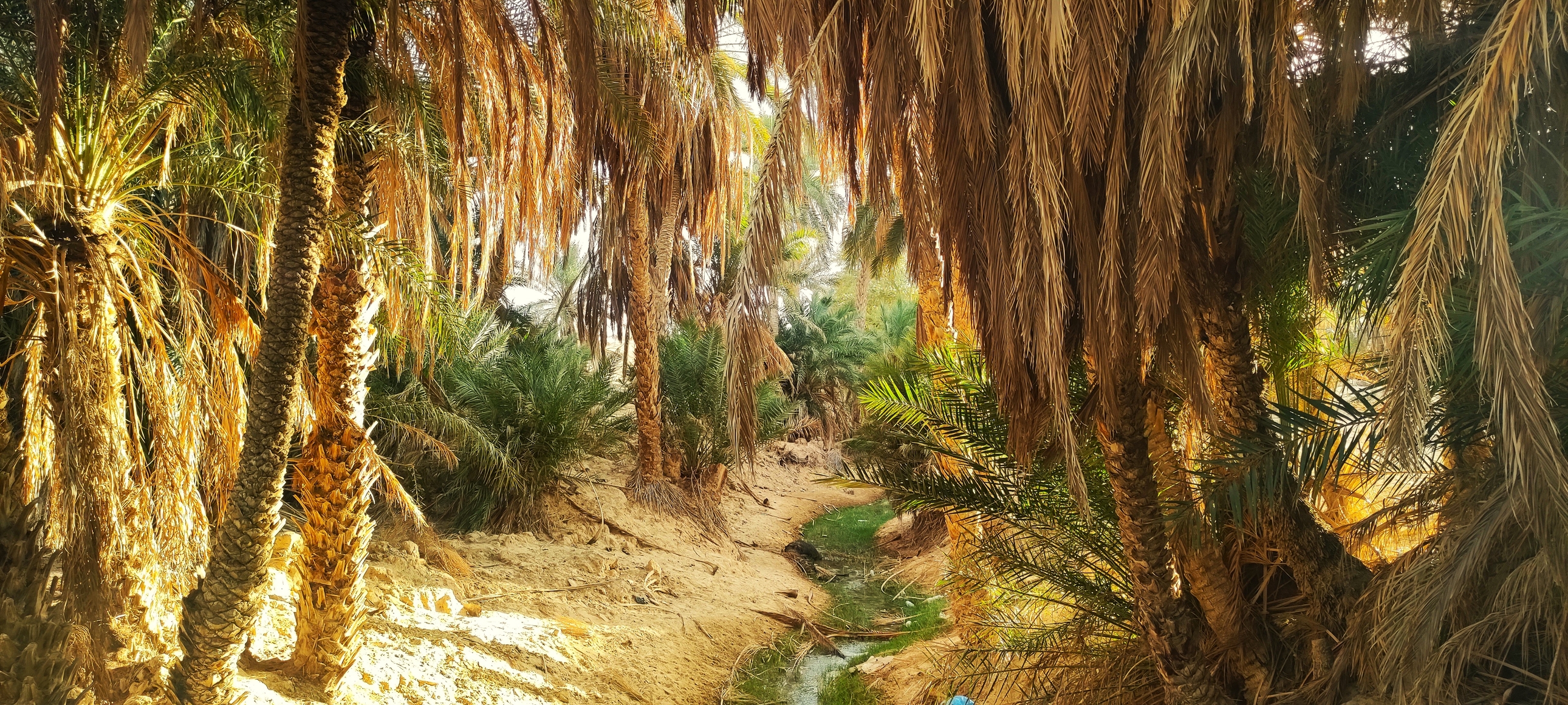
Beyond the borders of Morocco and Tunisia, two oasis territories remind the world that ancestral models exist which are capable of addressing today’s challenges of climate change, biodiversity loss, and food security. Tafraout and Tozeur embody an alternative pathway to development: one rooted in resilience and local knowledge.
Tafroute, Maroc
Photo: Grantotufo | Dreamstime.com

Tozour oasis, Tunisia
Photo: Ernest Zemtsov | Dreamstime.com
On 17 June 2026, the Alliance Ammelne Association participated in the international webinar entitled “Agriculture, Biodiversity and Climate Resilience in the Mediterranean: IUCN Initiatives and Opportunities”, organized by the Centre for Mediterranean Cooperation of the International Union for Conservation of Nature (IUCN Med).
Bringing together experts, researchers, practitioners, and members of the IUCN Mediterranean network, the event highlighted an increasingly evident reality: the future of the Mediterranean will largely depend on its ability to reconcile agriculture, nature conservation, and climate adaptation.
During the webinar, Mercedes Muñoz Cañas, Coordinator for Sustainable Agriculture and Food Systems at IUCN Med, presented the main initiatives led by IUCN in the fields of sustainable agriculture, ecosystem restoration, and climate resilience across the Mediterranean. Discussions also highlighted the growing threats facing Mediterranean territories, including recurring droughts, land degradation, water scarcity, and accelerating biodiversity loss.
Beyond diagnosing these challenges, however, the webinar provided an opportunity to showcase practical solutions emerging directly from local territories.
Tafraout: When tradition becomes a solution for the future
On this occasion, Alliance Ammelne presented the opportunities offered by the traditional oasis agroecology of Tafraout, a living heritage shaped by generations of Amazigh communities that have learned to thrive within a challenging environment.
In the oases of Tafraout, Morocco, water is more than a resource; it lies at the heart of a collective system of governance, solidarity, and ecological balance. Crop diversification, the promotion of local varieties, soil conservation, and community-based resource management form the foundations of a highly resilient agricultural model.
At a time when many regions of the world are seeking climate adaptation solutions, these ancestral practices are emerging as modern responses to global challenges.
This experience fully aligns with the philosophy of the Globally Important Agricultural Heritage Systems (GIAHS), an initiative led by the Food and Agriculture Organization of the United Nations (FAO) that recognizes territories where people and nature have, over centuries, developed exceptional agricultural systems that combine production, biodiversity conservation, and sustainability.
Tozeur: The oasis as a biocultural landscape
Participants also learned about the experience being implemented in Tozeur, Tunisia, by IRADA for the Development of Tozeur, an IUCN Member in Tunisia, which promotes sustainable territorial development and the resilience of local communities.
In this emblematic region of the Tunisian Sahara, the oasis is viewed not only as an agricultural space but as a true biocultural landscape where natural heritage, collective memory, traditional knowledge, and economic activities form an inseparable whole.
In the face of climate disruption, this approach demonstrates that preserving cultural and ecological heritage is a strategic driver of territorial resilience. It also provides an inspiring example for other regions facing desertification and ecosystem degradation.
Mediterranean oases: Sentinels of the future
Throughout the discussions, a shared conviction emerged: Mediterranean oases should no longer be seen as relics of the past or marginalized landscapes. Instead, they are living laboratories where nature-based solutions, circular economy approaches, sustainable water management, and harmonious coexistence between people and nature have been tested and refined for centuries.
Yet these systems remain vulnerable to climate pressures, rural depopulation, the erosion of traditional knowledge, and rapidly changing production models. For this reason, speakers called for stronger cooperation among oasis territories across the Mediterranean basin, greater exchange of experiences, increased support for agroecology, and broader recognition of oases as strategic biocultural heritage systems for the future.
From Tafraout to Tozeur, a common message emerged: in the face of the ecological crises of the 21st century, the most innovative solutions do not always come from laboratories or cutting-edge technologies. Sometimes, they are found in ancestral territories that have spent centuries transforming scarcity into strength and biodiversity into a source of resilience.
Coordinator Alliance Ammelen, IUCN Member in Morocco.