気候変動で北極のアザラシが危機に、世界の鳥類は減少傾向-IUCNレッドリスト
アラブ首長国連邦アブダビ、2025年10月10日(IUCN)-絶滅危惧種レッドリスト™の最新更新によると、北極のアザラシ3種が絶滅に一歩近づいた。本日の更新では、世界の鳥類の半数以上が減少傾向にあることも明らかになった。一方、世界のアオウミガメ個体数は保護活動のおかげで回復傾向にある。
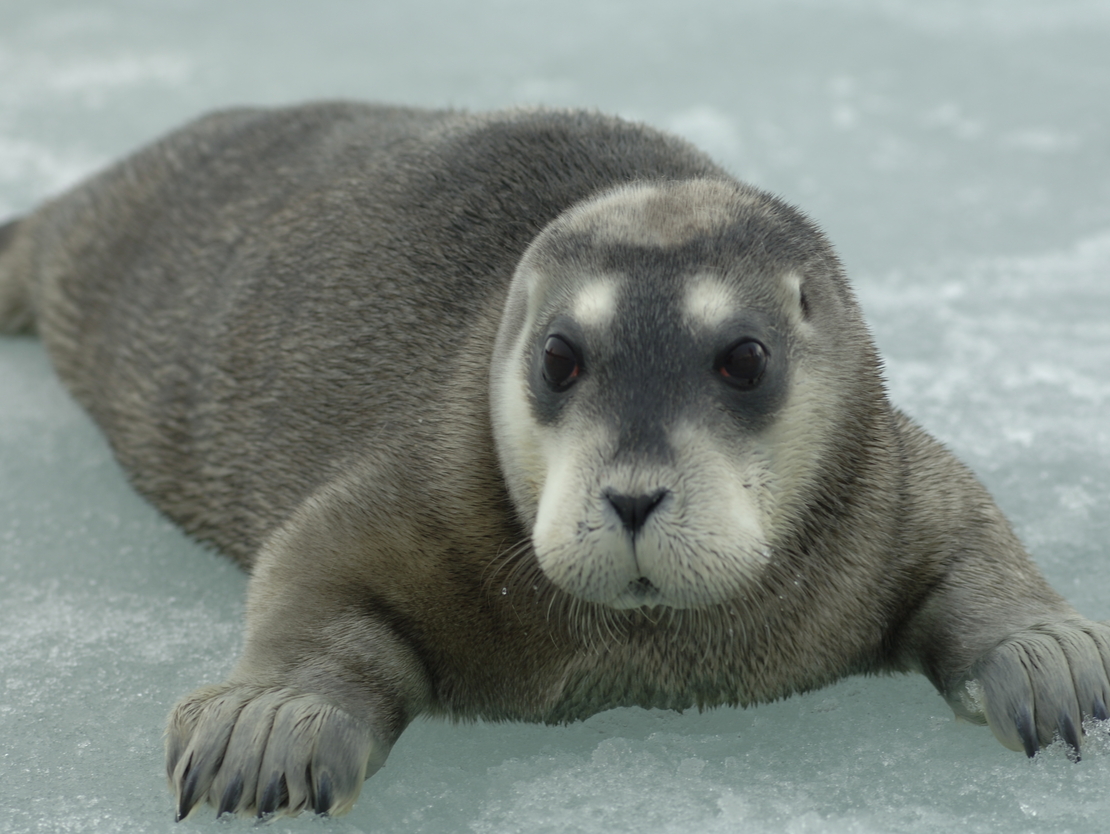
Bearded seal pup (Erignathus barbatus)
今回の改訂版は本日、アブダビで開催中のIUCN世界自然保護会議で発表された。IUCNレッドリストには現在172,620種が掲載されており、そのうち48,646種が絶滅の危機に瀕している。
「アブダビで開催されたIUCN総会で発表された本日のレッドリスト更新版は、我々の前にある差し迫った課題と力強い可能性の両方に光を当てています。北極のアザラシや多くの鳥類が脅威に直面する一方で、アオウミガメの回復は、決意と結束をもって行動すれば保全は成果を上げると我々に思い出させてくれます。ベレンで開催される気候変動枠組条約締約国会議(COP)を前に、各国政府と地域社会には、生物多様性を守り、気候を安定させ、人と自然が共に繁栄する未来を築くための行動を加速させる決定的な機会が訪れています」と、IUCN事務局長のグレーテル・アギラー博士は述べた。
気候変動が北極圏のアザラシを絶滅に追い込む
本日の更新により、ズキンアザラシ(Cystophora cristata)の絶滅危惧度が「危急」から「危機」に、アゴヒゲアザラシ(Erignathus barbatus)とタテゴトアザラシ(Pagophilus groenlandicus)が「軽度懸念」から「準絶滅危惧」にそれぞれ引き上げられた。
北極圏のアザラシにとって最大の脅威は、地球温暖化による海氷の減少である。北極圏のアザラシは、繁殖や子育、換毛、休息、餌場への移動に際して、海氷を頼って生きている。海氷の薄化と消失は、北極圏のアザラシの摂食習慣にも影響を与え、人間が北極圏にアクセスしやすくなることで、これらの種に対する全体的なリスクをさらに高めている。
北極圏における地球温暖化の進行速度は他地域と比べて4倍速く、海氷の面積と持続期間を劇的に減少させている。これは北極圏の海氷依存型アザラシ類、セイウチ(Odobenus rosmarus)、その他の海洋哺乳類、さらに南極の氷上アザラシ類、カスピカイアザラシ(Pusa caspica)など氷に依存する亜寒帯のアザラシ種すべてを脅かしている。
氷に依存するアザラシ類は他の動物にとって重要な食料源である。北極圏ではホッキョクグマや地域全域に住む先住民が含まれる。またアザラシは魚類や無脊椎動物を摂取し栄養分を循環させることで食物連鎖の中核を担っている。生態系への影響が極めて大きいことから「キーストーン種」と位置付けられ、海洋環境全体の健全性がその生存と密接に結びついている。
「スバールバルでは毎年、後退する海氷が北極のアザラシがどれほど脅威にさらされているかを明らかにしており、繁殖や休息、採餌を困難にしています。彼らの窮状は、気候変動が遠い未来の問題ではないことを痛烈に思い出させます。この問題は数十年にわたり進行し、今まさに影響を及ぼしているのです。北極のアザラシを保護することは、単なる個体種の問題を超えています。それは私たちすべてにとって不可欠な、北極圏の繊細な生態系の均衡を守ることに他なりません」と、IUCN(国際自然保護連合)種の保存委員会鰭脚類専門家グループ共同議長であり、ノルウェー極地研究所スバールバルプログラムリーダーのキット・コヴァックス博士は述べた。
北極圏のアザラシが直面する追加的な脅威には、船舶航行、騒音、石油・鉱物資源開発、狩猟、漁業における混獲が含まれる。主要生息地を人間活動から保護し、混獲を減らし、持続可能な狩猟を実施し、騒音の影響を最小限に抑えることが、北極圏のアザラシ減少を食い止めるための重要な対策である。
森林破壊が世界の鳥類減少を加速させている
今回のIUCNレッドリストの更新では、1,360種の鳥類の再評価が行われ、バードライフ・インターナショナルによる全世界の鳥類全種を対象とした第8回となる包括的評価が完了した。9年間にわたり数千人の専門家が関与した結果、評価対象11,185種のうち1,256種(11.5%)が世界的に絶滅の危機に瀕している。全体として、鳥類の61%が個体数減少傾向にあり、この推定値は2016年の44%から増加しています。
鳥類個体数減少の最も一般的な原因は生息地の喪失と劣化であり、特に農業の拡大・集約化と森林伐採が主要な要因となっています。これらは絶滅の危機に瀕する鳥類にとって最大の脅威です。
今回の更新では、熱帯林の喪失が鳥類への脅威を増大させている地域としてマダガスカル、西アフリカ、中央アメリカが指摘されている。マダガスカルでは、14種の固有の森林鳥類が準絶滅危惧(NT)に、3種が危機(EN)に格上げされた。これには鮮やかな青と緑の顔の肉垂を持つオスが特徴のキイロマミヤイロチョウ(Philepitta schlegeli)も含まれる。西アフリカでは、狩猟や取引の対象にもなっているクロコブサイチョウ(Ceratogymna atrata)を含む5種が準絶滅危惧(NT)となった。中央アメリカでは、森林減少により尾を振る習性を持つキタナキミソサザイ(Microcerculus philomela)が準絶滅危惧(NT)に追い込まれた。
「世界の鳥類の5種に3種が個体数減少傾向にある事実は、生物多様性の危機がいかに深刻化し、各国政府が複数の条約や合意で約束した行動をいかに緊急に講じる必要があるかを示している」と、バードライフのグローバルサイエンス調整官兼鳥類レッドリストオーソリティであるイアン・バーフィールド博士は述べた。
「ロドリゲス島における原生林生息地の回復は、固有種であるロドリゲスヤブセンニュウ(Acrocephalus rodericanus)が1996年の『深刻な危機(CR)』から現在の『軽度懸念(LC)』へと回復する成功を導き、協力と粘り強さによって何が可能かを示しています」
鳥類は生態系と人間にとって重要な役割を担っており、花粉媒介、種子散布、害虫駆除、腐肉食など、生態系エンジニアとして機能している。例えば、サイチョウは1日・1平方キロメートルあたり最大12,700個の大型の種子を散布し、熱帯林の生態系機能と炭素貯蔵を支えている。しかし、農業、伐採、外来種、狩猟・捕獲、気候変動は、世界的に鳥類にとって重大な脅威であり続けている。
世界的な保護活動の成果でアオウミガメ個体数回復へ
アオウミガメ(Chelonia mydas)は、数十年にわたる継続な保護活動により、絶滅危惧種から軽度懸念種へと保護状況が改善された。熱帯・亜熱帯海域に生息するアオウミガメの全世界個体数は、一部の亜集団が脅威にさらされ続けているにもかかわらず、1970年代以降約28%増加している。
アオウミガメは海草藻場やサンゴ礁などの熱帯海洋生態系におけるキーストーン種であり、数千年にわたり世界中の人々にとって文化的・食文化的・精神的・娯楽的価値を保持してきた。
保護活動は、産卵する雌と砂浜の卵の保護、人間による消費目的の持続不可能な捕獲・採卵を減らす地域主導の取り組みの拡大、取引の抑制、漁具による偶発的な捕獲を減らすためのウミガメ排除装置(TED)などの対策に重点が置かれてきた。アセンション島、ブラジル、メキシコ、ハワイでの取り組みは特に成功しており、一部の集団は商業的搾取以前の水準に近い回復を見せている。
こうした世界的な改善にもかかわらず、アオウミガメはヨーロッパによる植民地化以前の個体数や、世界各地域で広く行われている持続不可能な利用・取引と比較すれば、依然として著しく減少した状態にある。直接的な商業目的・非自給目的の捕獲や卵の採取、漁業混獲は依然として主要な死亡要因であり、持続不可能な沿岸・海洋開発は重要な生息地を破壊している。気候変動もアオウミガメの生息地、特に産卵ビーチに悪影響を及ぼす可能性があり、その影響はすでに南西太平洋の個体群で明らかになっている。この個体群はオーストラリアのレイン島に世界最大の産卵コロニーを有しているが、ここ数年の孵化個体数の減少は深刻な懸念材料となっている。
「アオウミガメの継続的な世界的な回復は、数十年にわたる協調的な世界的な保全活動が、長寿命の海洋生物の個体群を安定させ、さらには回復させるために達成し得る成果の強力な例です。こうした取り組みは、カメ自体だけでなく、生息地の健全性と生態学的機能を維持することに焦点を当てなければなりません。ウミガメは健全な海洋と海岸なしには生き残れず、人間も同様です。この回復を持続させるには、継続的な保全活動が鍵となります」と、IUCN種の保存委員会ウミガメ専門家グループの共同議長、ロデリック・マスト氏は述べた。
絶滅種
今回のレッドリスト更新では、6種が絶滅(EX)カテゴリーに移行した。これにはクリスマス島に生息するトガリネズミの仲間(Crocidura trichura)とイモガイ科の一種(Conus lugubris)が含まれ、いずれも1980年代後半以降に絶滅した。渡り鳥の仲間での海岸を利用するシロハラチュウシャクシギ(Numenius tenuirostris)は、1995年にモロッコで最後に確認された。また、黒檀と同じ属のディオスピロス・アングラータ(Diospyros angulata)は1850年代初頭に最後に記録されている。
オーストラリアの哺乳類3種、マール(英名・和名不明)(Perameles myosuros)、南東縞バンディクート(Perameles notina)、バンディクート科の一種(Perameles papillon)、ならびにハワイ諸島原産の植物デリスア・シヌアタ(Delissea sinuata)が初めて評価され、絶滅種としてレッドリストに掲載された。
日本語版仮訳 国際自然保護連合日本委員会(IUCN-Japan Committee)
ENDS
Supporting quotes
“The fates of birds and trees are intertwined: trees depend on birds for regeneration, and birds depend on trees for survival. In this update, the Costa Rican tree Ocotea monteverdensis is assessed as Critically Endangered – not only a canopy species, but a vital food source for iconic threatened birds like resplendent quetzal and three-wattled bellbird, which in turn disperse its seeds. Tracking their extinction risks together provides a clearer picture of biodiversity loss and highlights solutions that can safeguard species as well as ecosystems,” said Dr Malin Rivers, Head of Conservation Prioritisation, Botanic Gardens Conservation International (BGCI).
“Habitat loss, especially deforestation, is not only a major driver of climate change but also of biodiversity loss. The survival of more than a thousand species of threatened birds depends on many of the same forests that must remain standing in order to help deter rising temperatures. This IUCN Red List update helps underscore how deeply these two global crises are intertwined,” said Trond Larsen, Conservation International’s Senior Director of Biodiversity and Ecosystem Science.
"This update underscores how intertwined the climate and biodiversity crises are, but it also highlights the solution – thriving wildlife. The health of ocean, freshwater and terrestrial ecosystems depend on the wildlife species that together make them function. These ecosystems stabilise the climate, provide water and oxygen, and support communities across the world. Conserving and recovering species, as the building blocks of ecosystems, is therefore critical to human wellbeing," said Barney Long, senior director of conservation strategies at Re:wild.
“The latest Red List update underscores what we see every day in NatureServe’s data: climate change, habitat loss, and invasive species are accelerating biodiversity declines at an alarming pace. Yet the recovery of the green sea turtle shows that when science, policy, and communities work together, conservation can succeed,” said Anne Bowser, CEO of NatureServe.
“Deforestation is one of many threats impacting Madagascar’s unique landscapes, such as the Central Highlands where the Kew-managed Itremo Massif Protected Area hosts 749 plant species, including the Evolutionarily Distinct and Globally Endangered tree, Podocarpus capuronii. Kew's Madagascar team are assessing the extinction risk of Itremo’s plants, with over 40 published in today’s update,” said Dr Nivohenintsoa Rakotonirina, Madagascar Biodiversity Team Leader at Royal Botanical Gardens Kew. “Extinction risk assessments are crucial to guide conservation actions, including mitigation of deforestation, through our community-based Protected Area management.”
“Today’s update shows the scale of the challenge, but it’s also a moment for celebration – and a timely reminder of exactly why we must keep going. After years perched on the edge of extinction, the green sea turtle is no longer considered at risk. That’s a huge win, and testament to decades of dedicated work alongside local communities. We work every day to ensure other species have the same chance of recovery, regardless of how close they are to potentially vanishing forever. Every species is a vital part of the complex, interlinked web of life that we all depend on, and each of us has a role to play in shrinking the threats that put this web – and life as we know it – at risk. Reversing deforestation and restoring healthy ecosystems globally aren’t optional; they’re essential to protecting this incredible planet we call home. We urge world leaders at next month’s Climate Conference to seize their opportunity to secure a more stable, healthier future for us all,” said Mike Hoffmann, Head of Wildlife Recovery at ZSL.
“This Red List update includes collaborative efforts led by Texas A&M PhD candidate Maria A. Hurtado-Materon with the IUCN Species Survival Commission Small Mammal Specialist Group and partners across the Americas. Five species were updated following joint workshops with Mexican and Chilean colleagues and by using more accessible software, developed by Maria, which is helping us improve the efficiency and quality of Red List reassessments,” said Katherine Gonder, Department Head, Ecology and Conservation Biology, Texas A&M University.
Notes to editors
The IUCN World Conservation Congress 2025 in Abu Dhabi marks the 60th anniversary milestone of the IUCN Red List of Threatened Species™. A year-long social media campaign to raise awareness and funds to accelerate species assessments and reassessments will culminate at the Congress. The IUCN Red List Report: 60 Years of Success is available here.


2021年12月9日,スイス,グラン発(IUCN) – 湿地の破壊により,世界中でトンボ類の減少が起きている.本日の『IUCN絶滅危惧種レッドリスト™』…
2021年9月4日,フランス,マルセイユ発 (IUCN) – 商業的に漁獲されるマグロ類4種は,この10年間にわたる地域漁獲枠の執行の成果として,回復に向かっていることが『…
2021年3月25日,スイス・グラン発 (IUCN) – 象牙目当ての密猟と生息環境の消失が原因でここ何十年間にわたり個体数が減少したことにより,『 IUCN絶滅危惧種レッドリスト™』…