Together for Sustainable Tourism in the Mediterranean
We are glad to be part of the Med Blue Tourism Flagship Initiative formally approved by the United Nations Environment Programme / Mediterranean Action Plan Mediterranean Strategy for Sustainable Development (MSSD) 21st meeting and now endorsed by the 24th Meeting of the Contracting Parties to the Barcelona Convention and its Protocols (COP24), last December in Cairo, Egypt, reinforcing regional policy alignment and political anchoring for sustainable coastal and marine tourism.
This Flagship Initiative comes at a significant moment. According to our recent report, the Mediterranean’s coastal and maritime tourism sector is economically essential, valued at approximately €171 billion and generating most of the sector employment. Nevertheless, mounting environmental, climatic and social pressures underscore the need for urgent transformation. The report Towards sustainable blue tourism: trends, challenges and policy pathways calls for a shift away from growth-centric models toward regenerative, inclusive, low-impact and climate-resilient approaches to tourism development. It highlights pathways such as decarbonisation, resource efficiency, adaptive capacity, and stronger integration of biodiversity protection into tourism policies.
The initiative will be politically coordinated and supported by a coalition of Mediterranean countries under the Barcelona Convention, with shared expertise, interest, and influence in advancing blue tourism led by Eco-Union, the Institute for Sustainable Development and International Relations (IDDRI), the IUCN Centre for Mediterranean Cooperation, and
Plan Bleu / Regional Activity Centre.
Grounding sustainable actions
Across the Mediterranean and on-the-ground, IUCN is supporting actions to advance this transition in the frame of the Blue Tourism Initiative such as:
- In Al Hoceima National Park (Morocco), a Local Ecotourism Cluster has been established, with its charter signed by 22 local actors to guide coordinated ecotourism development. Ecotourism itineraries rooted in the park’s natural and cultural values are under development.
- In Ras Rmel (Tunisia), a carrying capacity study has been completed to regulate visitor flows and reduce environmental pressures.
- The Djerba Hotel College (16 hotels, led by Iberostar) in Tunisia has undergone training to improve biodiversity and environmental performance, seeding the first steps toward a destination-level eco-label.
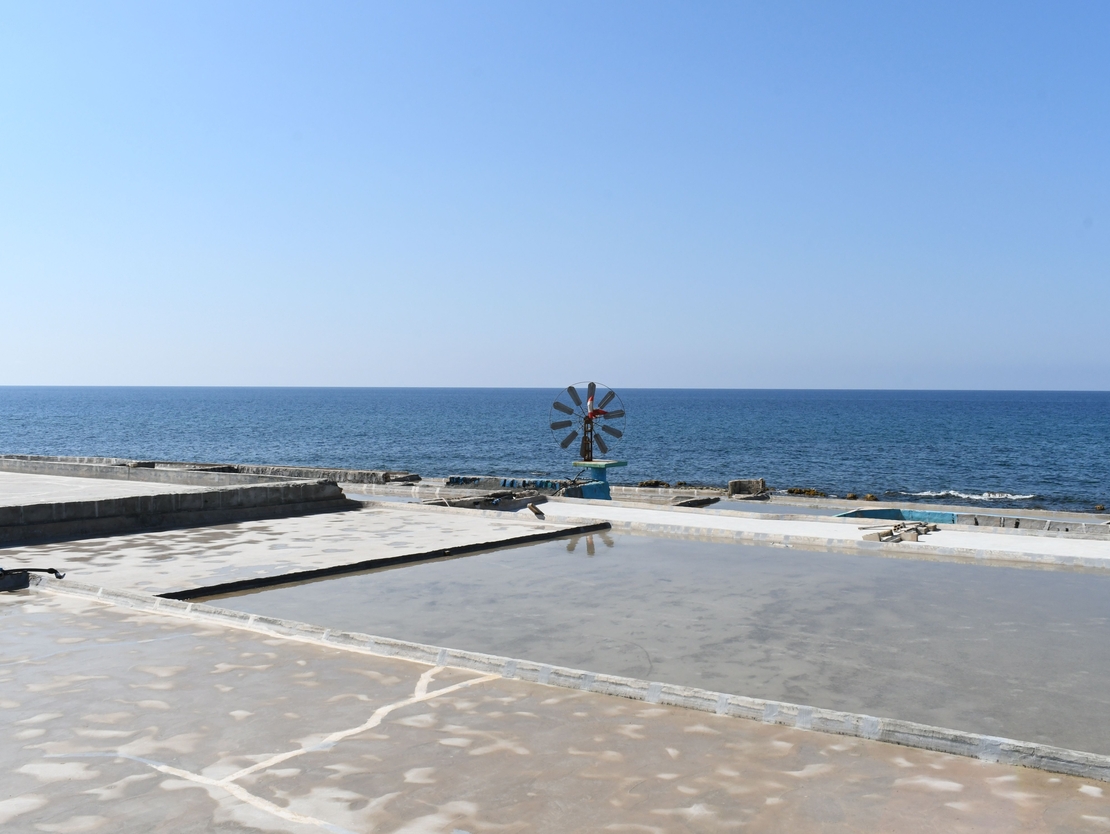
- A cultural tourism itinerary highlighting the artisanal salinas Anfeh salt pans in Lebanon has been developed with local community collaboration, along with a roadmap for sustainable tourism in the area.
- In Palm Islands Nature Reserve in Lebanon, a carrying capacity study supports strengthened visitor management, and new income-generating activities enhance financial sustainability for the protected area whereas in Tyre Coast Nature Reserve a post-war ecological assessment and socio-economic impact analysis inform recovery efforts, aligning biodiversity conservation with livelihood restoration. War-damaged infrastructure has been rehabilitated.
These developments illustrate how strategic policy initiatives and local implementation can work together to realise sustainable blue tourism that benefits ecosystems, economies, and communities.
More about our work:
New IUCN report highlights urgent need for more sustainable blue tourism in the Mediterranean
Mapping Blue Tourism: Vulnerability Assessment of Mediterranean Coastal and Marine Ecosystems

In Kashkadarya, Khorezm and the Republic of Karakalpakstan, local communities are helping turn…
The third in a five-part series, this webinar brought together speakers from across West and…

This week, the Yerevan Municipality hosted the inaugural ceremony marking the establishment of the…