Global study suggests most reptile leather trade is biologically sustainable
A new study published in Nature has found that the international trade in reptile skins for leather is, for most traded species, sustainable and not a primary driver of extinction risk.
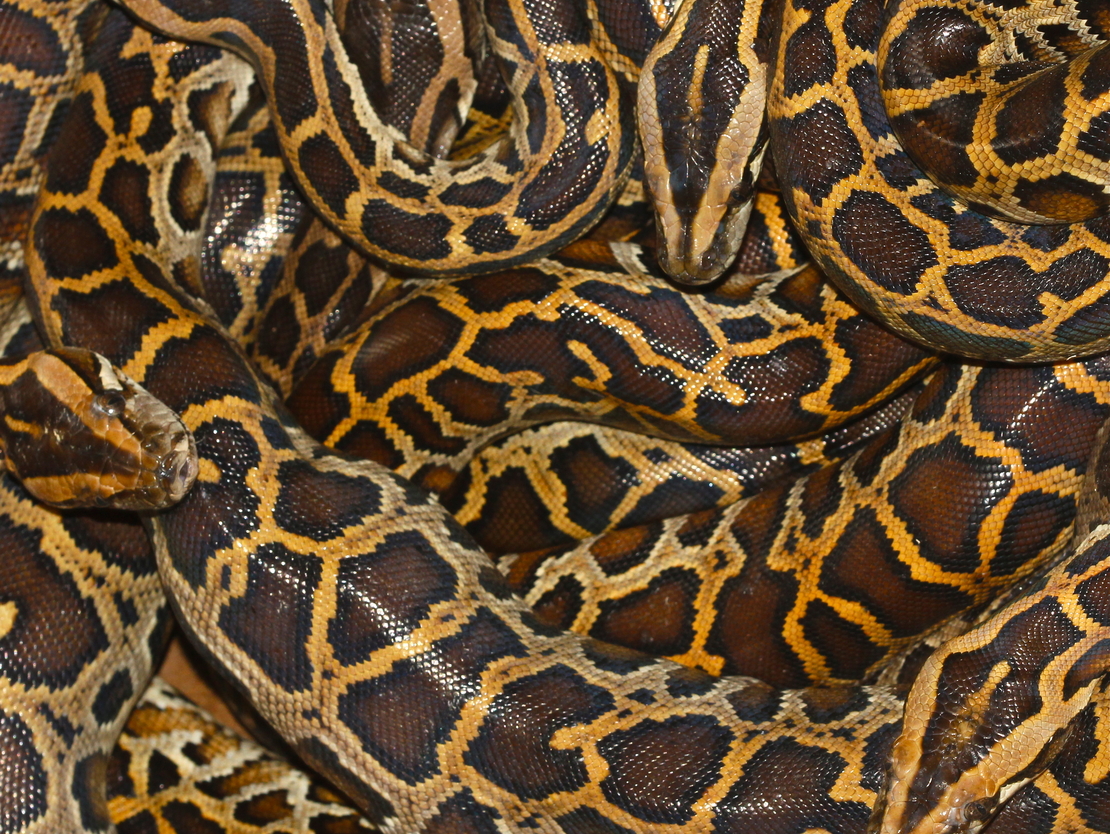
The research, led by an international team of more than 40 herpetologists and conservation scientists from over 30 institutions, analysed data on more than 70 million legally traded reptile skins between 2000 and 2020. The study combined CITES trade records, IUCN Red List of Threatened Species assessments, management information and ecological data to assess whether current levels of trade are compatible with the long-term survival of species in the wild.
The authors found that most of the 46 reptile species commonly traded for leather, including crocodiles, large snakes and lizards, are classified as Least Concern on the IUCN Red List and generally have stable or increasing populations. The findings also provide evidence that well-regulated international trade can support both conservation and commerce, helping provide benefits for the communities that the trade supports.
"The results of the analysis are encouraging for species conservation," said lead author Dr Timothy Colston, member of the IUCN SSC Snake Specialist Group. "Reptile species traded for skins are actually less threatened on average than species that are not in trade."
The authors conclude that commercial harvesting for reptile skins is not, in itself, a major threat to the species involved. They found that the trade is concentrated on a relatively small number of abundant species that are generally subject to established management and monitoring systems across much of their range.
Instead, the paper identifies habitat loss, climate change and emerging diseases as the principal threats to reptile populations globally, arguing that conservation efforts should prioritise these pressures.
"If we want to save reptiles, we need to rebalance our attention onto those taxa that are at risk, and less so on well-managed species that data shows are coping with regulated use," said Dr Daniel Natusch, Chair of the IUCN SSC Snake Specialist Group.
The authors note that the study assessed ecological sustainability only and did not examine animal welfare, environmental impacts of leather production or social issues within supply chains. They also say continued monitoring, transparent reporting and effective regulation remain essential to ensure trade remains sustainable.