Restoring East Usambara Ecosystems and Strengthening Community Resilience in Tanzania
IUCN Tanzania, in partnership with OCP Foundation, today officially launched the Ecosystem Restoration and Community Resilience in Tanzania (TUNZA) Project, a three-year initiative that will support ecosystem restoration, sustainable livelihoods and climate resilience in four villages of Muheza District, Tanga Region. The project reflects a shared commitment to empowering local communities while protecting one of Tanzania's most valuable natural landscapes.
Photo: IUCN Tanzania
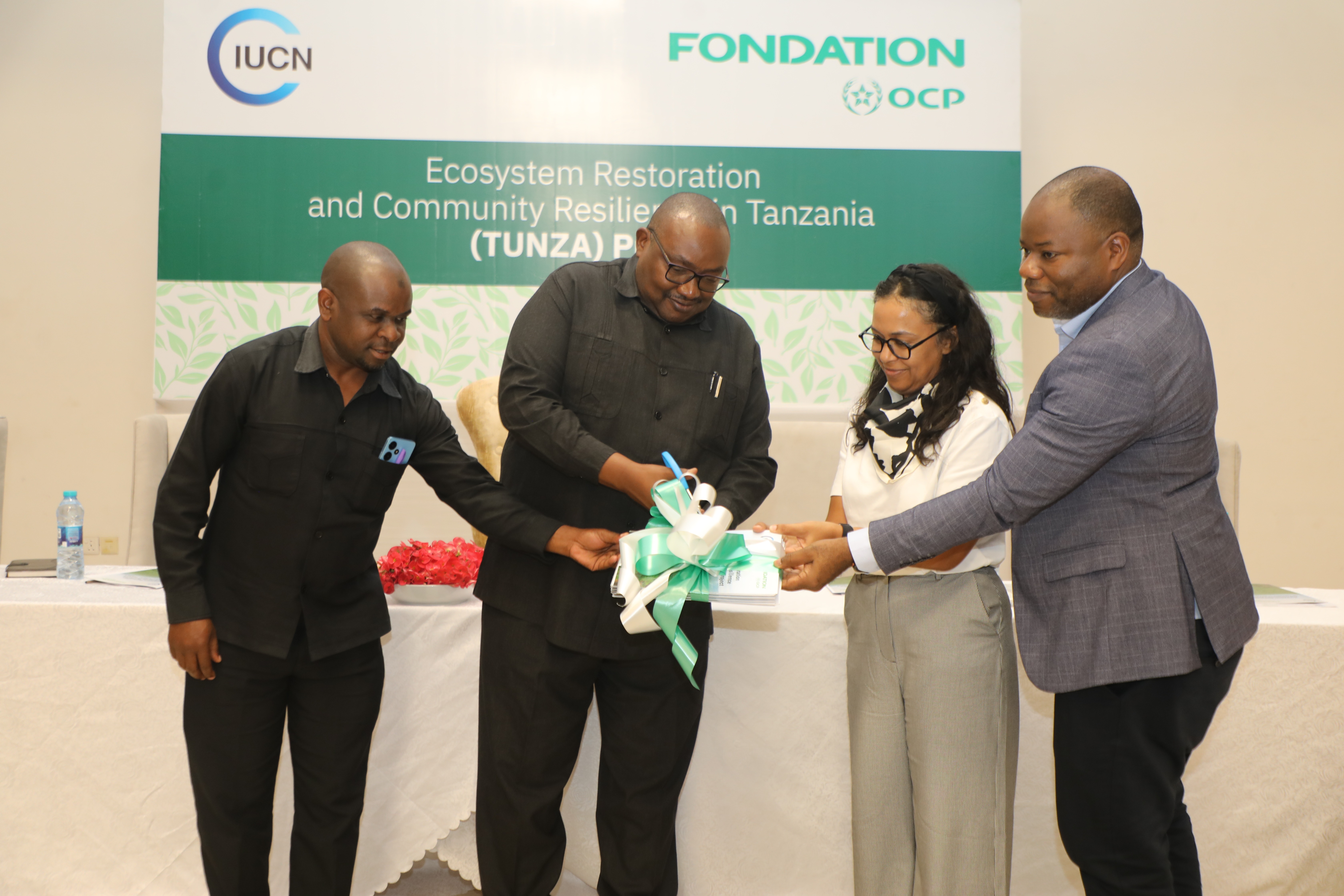
Photo: IUCN Tanzania
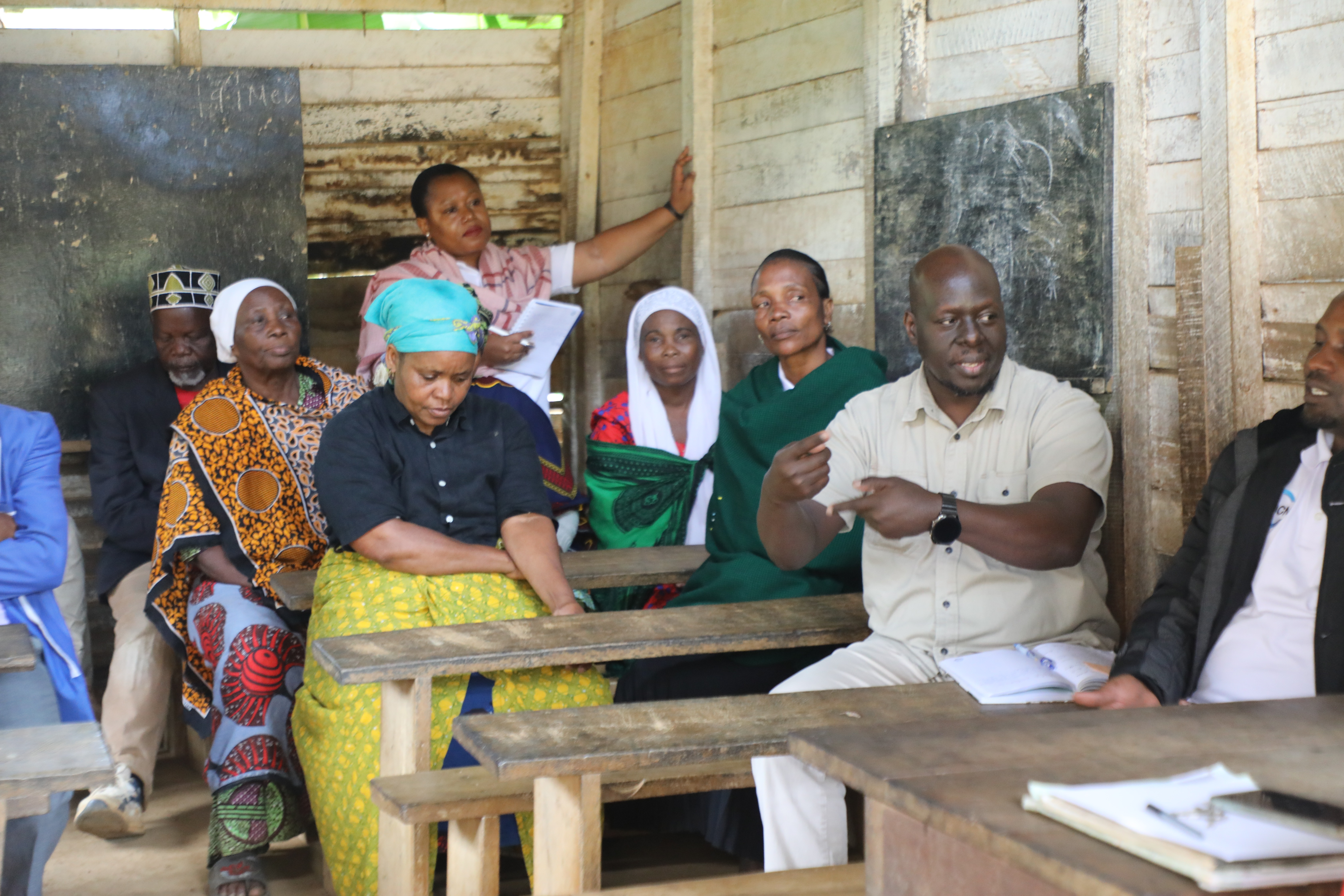
Photo: IUCN Tanzania
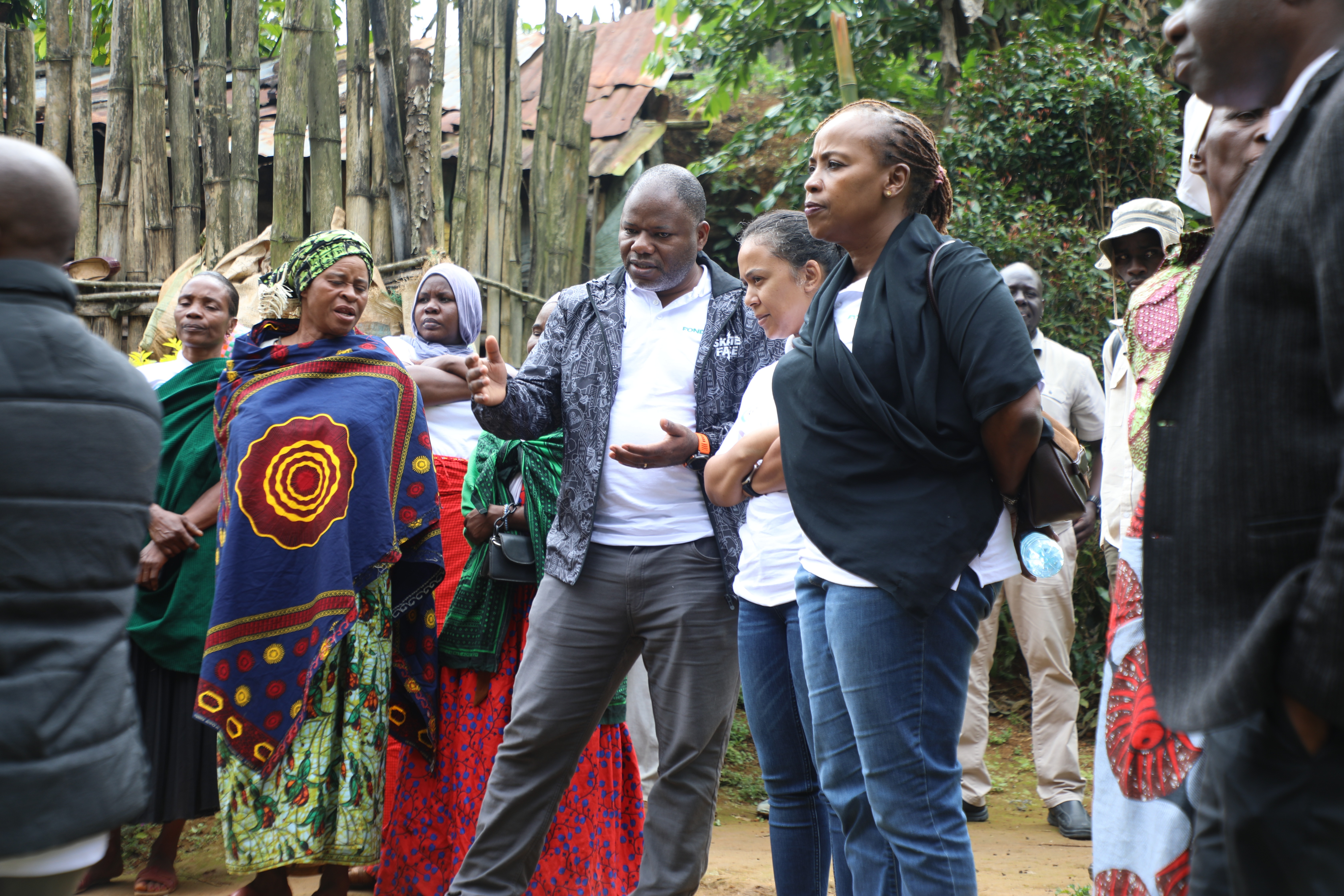
Photo: IUCN Tanzania
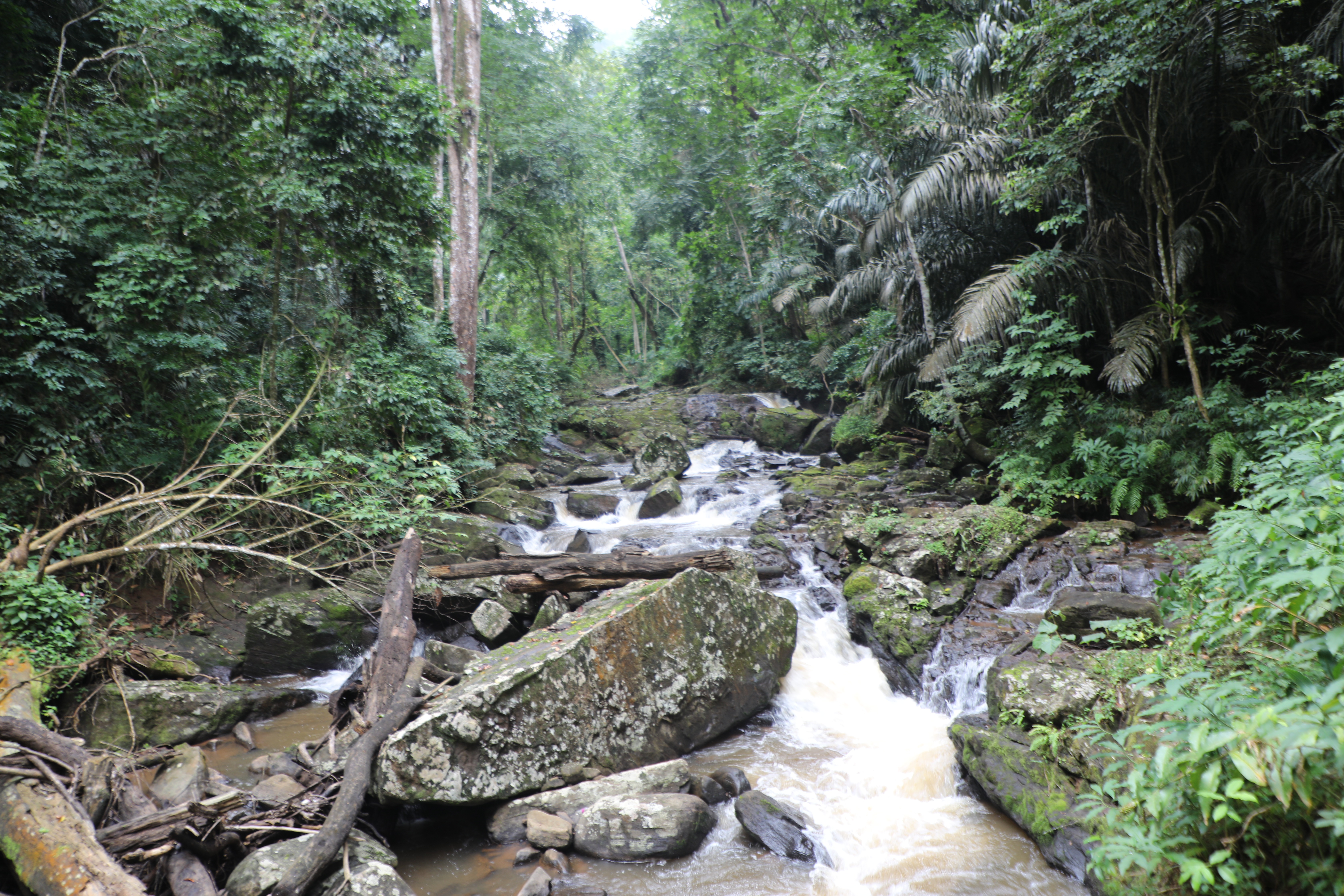
For generations, the East Usambara Mountains have sustained life in Muheza District. Their forests feed rivers such as the Zigi, protect fertile soils, regulate climate, and provide habitats for some of the world's most unique plants and wildlife. They are also the foundation of local livelihoods, supporting farming, forest products and other nature-based economic opportunities. Yet years of unsustainable land use, agricultural expansion and climate pressures have steadily degraded these ecosystems, threatening both biodiversity and the well-being of communities that depend on them.
Co-developed by IUCN Tanzania and OCP Foundation, the TUNZA Project will work closely with communities in the villages of Kiwanda, Kwasimba, Kwemdimu and Mlesa to restore degraded ecosystems while strengthening livelihoods and enhancing resilience to climate change. Speaking at the inception workshop that marked the project launch, OCP Foundation representative urged on their uttermost commitment towards the partnership in project implementation.
The Ecosystem Restoration and Community Resilience in Tanzania (TUNZA) Project marks an important milestone in advancing ecosystem restoration and strengthening community resilience in Tanzania. Through the partnership between the OCP Foundation and IUCN, the initiative brings together sustainable land management, biodiversity conservation, and community empowerment, demonstrating that environmental restoration can serve as a catalyst for inclusive and sustainable development.
Grounded in science, innovation, and local ownership, the project aims to restore degraded landscapes while strengthening the capacity of communities to sustainably manage their natural resources. By fostering collaboration and building local resilience, it seeks to generate lasting environmental, social, and economic benefits.
Today’s workshop reflects the shared commitment of all partners to exchange knowledge, deepen collaboration, and accelerate collective action toward healthier ecosystems and more resilient communities. It also underscores the strong commitment of the Tanzanian authorities to biodiversity restoration, while highlighting the OCP Group’s commitment, through the OCP Foundation, to fostering partnerships that advance sustainable, locally driven solutions. By combining the OCP Foundation’s commitment to long-term development with IUCN’s global expertise in biodiversity conservation and ecosystem restoration, this South–South partnership creates opportunities for mutual learning and the exchange of knowledge, generating benefits and lessons that extend well beyond the borders of Tanzania’’.
By equipping communities with the knowledge, skills and tools to rehabilitate degraded landscapes, adopt sustainable agricultural practices and strengthen local natural resource governance, the project seeks to address the root causes of ecosystem degradation while creating lasting opportunities for economic growth.
The project will support farmers to improve agricultural productivity without expanding into forest areas. In overseeing the sustainably managed natural resources, capacity building to Village Natural Resource Committee and Community Based Organizations will be strengthened along with prioritizing nature-based enterprises that improve household incomes while reducing the pressure of the environment.
Beyond its immediate interventions, the TUNZA Project aims at delivering lasting environmental and socio-economic benefits by promoting ecosystem restoration, strengthening community resilience, enhancing sustainable livelihoods, and supporting inclusive natural resource governance for long-term sustainable development.
About IUCN
IUCN is a membership Union uniquely composed of both government and civil society organisations. It provides public, private and non-governmental organisations with the knowledge and tools that enable human progress, economic development and nature conservation to take place together.
Created in 1948, IUCN is now the world’s largest and most diverse environmental network, harnessing the knowledge, resources and reach of more than 1,400 Member organisations and around 15,000 experts. It is a leading provider of conservation data, assessments and analysis. Its broad membership enables IUCN to fill the role of incubator and trusted repository of best practices, tools and international standards.
IUCN provides a neutral space in which diverse stakeholders including governments, NGOs, scientists, businesses, local communities, indigenous peoples organisations and others can work together to forge and implement solutions to environmental challenges and achieve sustainable development.
Working with many partners and supporters, IUCN implements a large and diverse portfolio of conservation projects worldwide. Combining the latest science with the traditional knowledge of local communities, these projects work to reverse habitat loss, restore ecosystems and improve people’s well-being.
About OCP Foundation
OCP Foundation is the development operator of OCP Group, a Morocco-based global leader in phosphate production and export. By mobilizing knowledge, innovation and cooperation, it designs and implements long-term transformation programs that serve communities and territories.
Across Morocco and the Global South, the Foundation drives high-impact initiatives spanning education, research and innovation, entrepreneurship, agriculture and climate resilience. Its work is guided by a long-term vision, aligned with OCP Group's strategic direction and broader continental and international transformation agendas.
Grounded in the belief that today's challenges demand collective responses, OCP Foundation brings together institutions, researchers, entrepreneurs and communities to build lasting solutions, strengthen local capacities and grow the knowledge base that future generations will inherit.
The Foundation also supports the Mohammed VI Polytechnic University — a world-class applied research university— and the Lycées d'Excellence of Benguerir, Rabat and Laâyoune, cornerstones of tomorrow's human capital.


In Kashkadarya, Khorezm and the Republic of Karakalpakstan, local communities are helping turn…
The third in a five-part series, this webinar brought together speakers from across West and…

This week, the Yerevan Municipality hosted the inaugural ceremony marking the establishment of the…