A 10-point Action Plan to create a circular bio-economy devoted to sustainable wellbeing
Led by the European Forest Institute, a multidisciplinary team of 25 authors worked on a 10-point Action Plan for a Circular Bioeconomy of Wellbeing; the Action Plan brings together the latest scientific insights and breakthrough technologies to offer a solution to current global challenges.
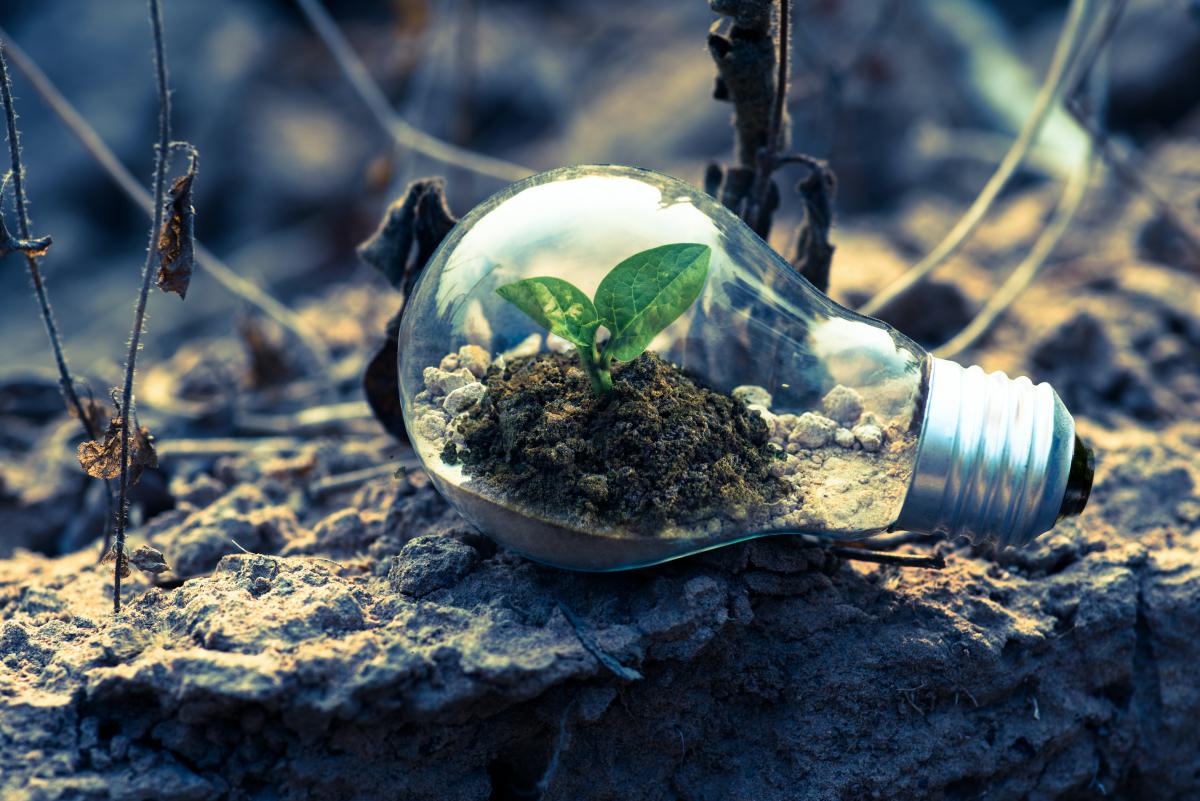
The European Forest Institute (EFI) published today the 10-point Action Plan for a Circular Bioeconomy of Wellbeing, a new study that calls for collective action to put nature at the heart of the economy and set the world on a sustainable path. IUCN European Regional Director, Luc Bas, personally contributed to the drafting of the 10-point Action Plan, which is needed to create a circular bio-economy based on a synergistic relationship between economy and ecology:
- Focus on sustainable wellbeing
- Invest in nature and biodiversity
- Generate an equitable distribution of prosperity
- Rethink land, food and health systems holistically
- Transform industrial sectors
- Reimagine cities through ecological lenses
- Create an enabling regulatory framework
- Deliver mission-oriented innovation to the investment and political agenda
- Enable access to finance and enhance risk-taking capacity
- Intensify and broaden research and education
Mr Bas will also represent IUCN in the Circular Bioeconomy Alliance, to be launched by HRH the Prince of Wales under the Sustainable Markets Initiative. This initiative calls on communities, businesses, investors and consumers to take the urgent and practical steps required to transition to more sustainable practices.
“Together with the business community, financial institutions and the environmental partners, this Alliance will have the potential to become a powerful tool and achieve some real results” said the Director of IUCN European Regional Office.
IUCN is committed to ramping up its engagement with the bio-economy sector: our participation in the Alliance can help to ensure that bio-economy is truly sustainable and overconsumption is avoided, while promoting natural capital accounting.

For national governments to better understand plastic waste and leakage, as well as solutions to…
American Humane, the US' first national humane organization and the world’s largest certifier of…
The BIODEV2030 project, launched in early 2020 supports the country's development ambition, while…