Stefano Burchi is an expert in comparative and international freshwater law. He holds law degrees from La Sapienza University of Rome and from Harvard Law School, and a M.Sc. from the University of ...
IUCN COMMISSION GROUP
IUCN WCEL Water and Wetlands Law Specialist Group
Group leadership
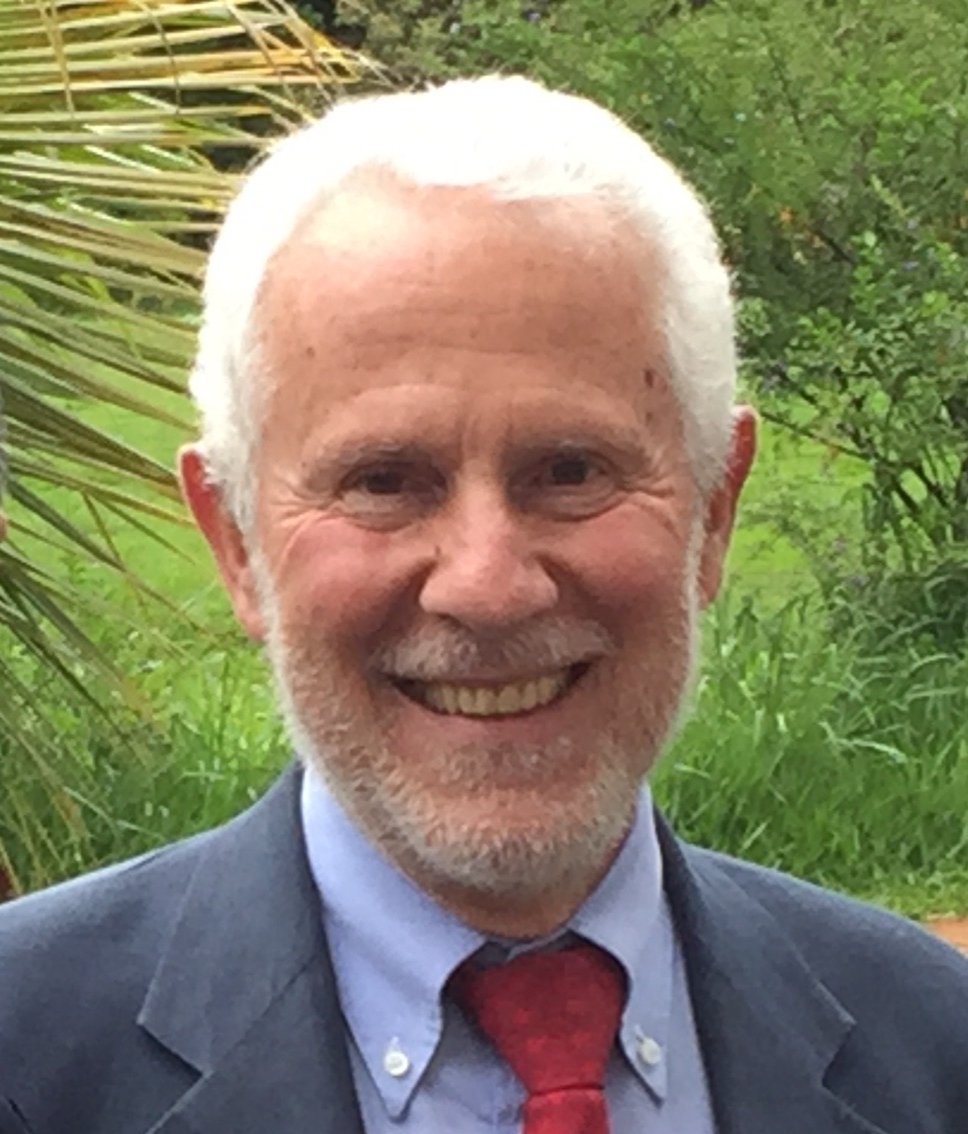
Mr Stefano BURCHI
Stefano Burchi is an expert in comparative and international freshwater law. He holds law degrees from La Sapienza University of Rome and from Harvard Law School, and a M.Sc. from the University of Michigan, USA. He has made a career as water law specialist in the Development Law Service of the U.N. Food and Agriculture Organization. Since retiring from FAO in 2008, Mr. Burchi has taken up a variety of water law consultancies, and has also chaired the International Association for Water Law (AIDA). He currently chairs the Water and Wetlands Law Specialist Group of the IUCN World Commission on Environmental Law (WCEL). He is the author of numerous published articles and publications on the law of freshwater resources, comparative and international. In addition to Italian – his mother tongue - Mr. Burchi is fluent in English, French and Spanish.
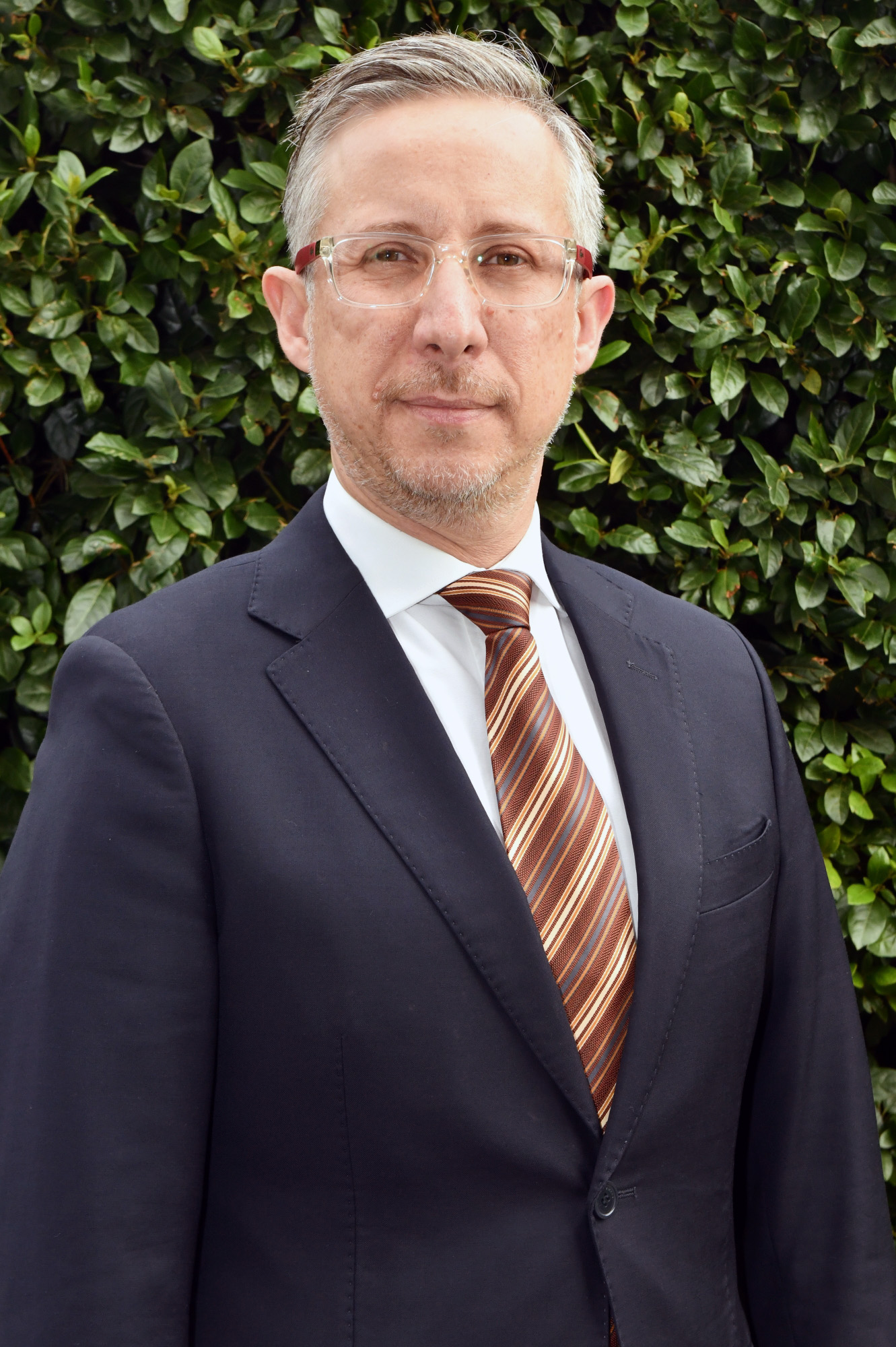
Dr Michael HANTKE-DOMAS
Commission Member
Dr. Michael Hantke Domas is an internationally recognized lawyer for his professional and academic practice in water law, natural resources law and environmental law. His experience stems from more than 25 years of experience as a judge, academic, lawyer, public servant, international official and consultant. Dr. Hantke Domas holds an LLB from Universidad Andrés Bello (Santiago, Chile), and a PhD from the ESRC Center for Competition Policy and the Norwich Business School, University of East Anglia (Norwich, United Kingdom). Dr. Hantke Domas served as Justice of the Third Environment Court (Valdivia, Chile) for 6 years (2013-2019). During this period, he was the first president of the Court, and in that capacity, he led its installation. Likewise, he has practised in two major law firms in Chile, and he has served as legal advisor for the Minitry of Public Works (Chile) and the Chilean Water Services Regulation Authority. Today he works as a lawyer and senior international consultant. He is an Associate Professor of Water Law at San Sebastián University (Valdivia, C:hile), and honorary associate of the ESRC Center for Competition Policy and the Norwich Business School, University of East Anglia (Norwich, United Kingdom). He is author of an extensive list of publications, and is constantly invited to seminars and congress around the world. Furthermore, he is a member of the International Association for Water Law, the European Environmental Law Forum, and the Chilean Association of Environmental Law.
Dr. Michael Hantke Domas is an internationally recognized lawyer for his professional and academic practice in water law, natural resources law and environmental law. His experience stems from more ...
Goals of the Specialist Group
- Research and publishing initiatives
- Providing water and wetlands-related comments and advice to a number of IUCN-based and externally organised initiatives
- Contributing to international meetings and fora, including ongoing participation in the World Water Forum
Projects of the Specialist Group
In the next programme cycle 2026-2029 the Water and Wetlands Law SG will focus its work and attention on two priority projects:
- the Manifesto for the Freshwater Rule of Law
- research of the interface between water law and environmental law
Manifesto for the Freshwater Rule of Law
(Full text of the Manifesto available here)
Lead persons:
Stefano Burchi, Michael Hantke-Domas, Jessica Troell, Zaki Shubber and Robyn Stein.
In the course of 2026, the following priority activities will be pursued:
- Finalization of the text of the Manifesto incorporating feedback from the consultation process underway
- Production of an Explanatory Memorandum to the Manifesto
- Presentation of the Manifesto at the AIDA World Water Law Conference (Oslo, 24-26 June 2026). (Click here to access the PDF version of the presentation slides)
- Engagement with the UN Water Conference process (modalities to be defined as opportunities for engagement materialize, including possible attendance at the UN Water Conference scheduled in Abu Dhabi, in December 2026)
In the course of the subsequent years, the following activities/outputs will be pursued:
- Generation of (externally funded) diagnostic toolkit for the review, assessment and conceptualization of national freshwater legislation, in implementation of the Manifesto
- Development of qualitative criteria to gauge the level of implementation and enforcement of national freshwater legislation
- Development of (externally funded) case studies/legal research guided by the Manifesto, aimed to provide evidence-based
- “good practices” in regard to the conceptualization/drafting, implementation, administration and enforcement of domestic freshwater legislation, including
- the possible structure and model provisions of such legislation
- Guided by the Manifesto, development of a curriculum framework for training in the review, assessment, conceptualization/drafting, implementation, administration and enforcement of national freshwater legislation
- Pilot dialogues with select countries with a view to providing (externally funded) technical support in the review, assessment, conceptualization/drafting, implementation, administration and enforcement of national freshwater legislation (modalities of “dialogue” to be defined as opportunities materialize)
Exploring partnership opportunities with other interested international organizations (like UNEP, FAO) to generate a Flagship Report (including actual production external funding permitting).
Research of the interface between water law and environmental law
This project addresses the critical legal fragmentation between water resources management regimes (allocation/rights) and broader environmental protection regimes (biodiversity, climate change, and pollution control). The objective is to identify legal mechanisms that successfully “bridge the silo” to ensure alignment of water law and environmental law towards the common purpose of safeguarding freshwater resources, also in the interest of future generations.
In the course of 2026 (Scoping and Definition), the following priority activities will be pursued:
- Conceptual Scoping: Publication of a concept note defining “The Water-Environment Legal Interface,” identifying the primary points of friction (e.g., rigid water rights vs. adaptive ecosystem needs; infrastructure mandates vs. biodiversity protection).
- Literature Review: A desktop review of existing international instruments and comparative domestic legislation, including jurisprudence, that successfully integrates ecosystem approaches into water allocation decision-making.
- Member Survey: Circulation of a structured questionnaire to SG members to identify “Interface Challenges” in their respective jurisdictions.
In the course of 2027 (Diagnosis and Comparative Analysis), the following activities will be pursued:
- Crowdsourced Case Studies: Compilation of short, member-contributed analyses focusing on specific legal conflicts, such as:
- The conflict between stability of tenure in water rights and the flexibility required for climate adaptation.
- The legal status of “Environmental Flows”: A water right or a pre-condition to allocation?
- Virtual Roundtable Series: Organization of quarterly webinars (low-cost) featuring members presenting their interface case studies to foster debate and consensus.
In the course of 2028 (Synthesis and Thematic Deep Dives), the following activities will be pursued:
- Drafting of “Bridging Principles”: Development of a set of legal principles and drafting guidelines intended to harmonize water legislation with national environmental frameworks (e.g., aligning EIA requirements with water licensing procedures).
- Inter-Commission Collaboration: Joint online workshop with the WCEL Biodiversity Law Specialist Group or the Climate Change Specialist Group to validate findings.
In the course of 2029 (Dissemination and Output), the following activities will be pursued:
- Publication of the “Greener Water Law” Report: A flagship digital publication summarizing the research, offering legal tools to overcome fragmentation.
- Integration with the Manifesto: Feeding the research findings back into the Manifesto for the Freshwater Rule of Law’s diagnostic toolkit, ensuring that future water law assessments consider broader environmental law integration.
Contact information
Please direct your questions, comments or suggestions to:
Chair: Stefano Burchi
E-mail: [email protected]
Deputy Chair: Michael Hantke-Domas
E-mail: [email protected]
Water and Wetlands Law SG - Terms of Reference (TORs) 2025-2029