Fabrice Stephenson is a marine ecologist at Newcastle University and a thematic Vice Chair for the WCPA Marine Thematic Group. His research has primarily focused on exploring the spatial patterns and ...
IUCN COMMISSION GROUP
IUCN WCPA Marine Thematic Group
Overview and description
Description:
IUCN WCPA Marine Theme - the world’s premier network of Marine Protected Area (MPA) expertise.
Group leadership
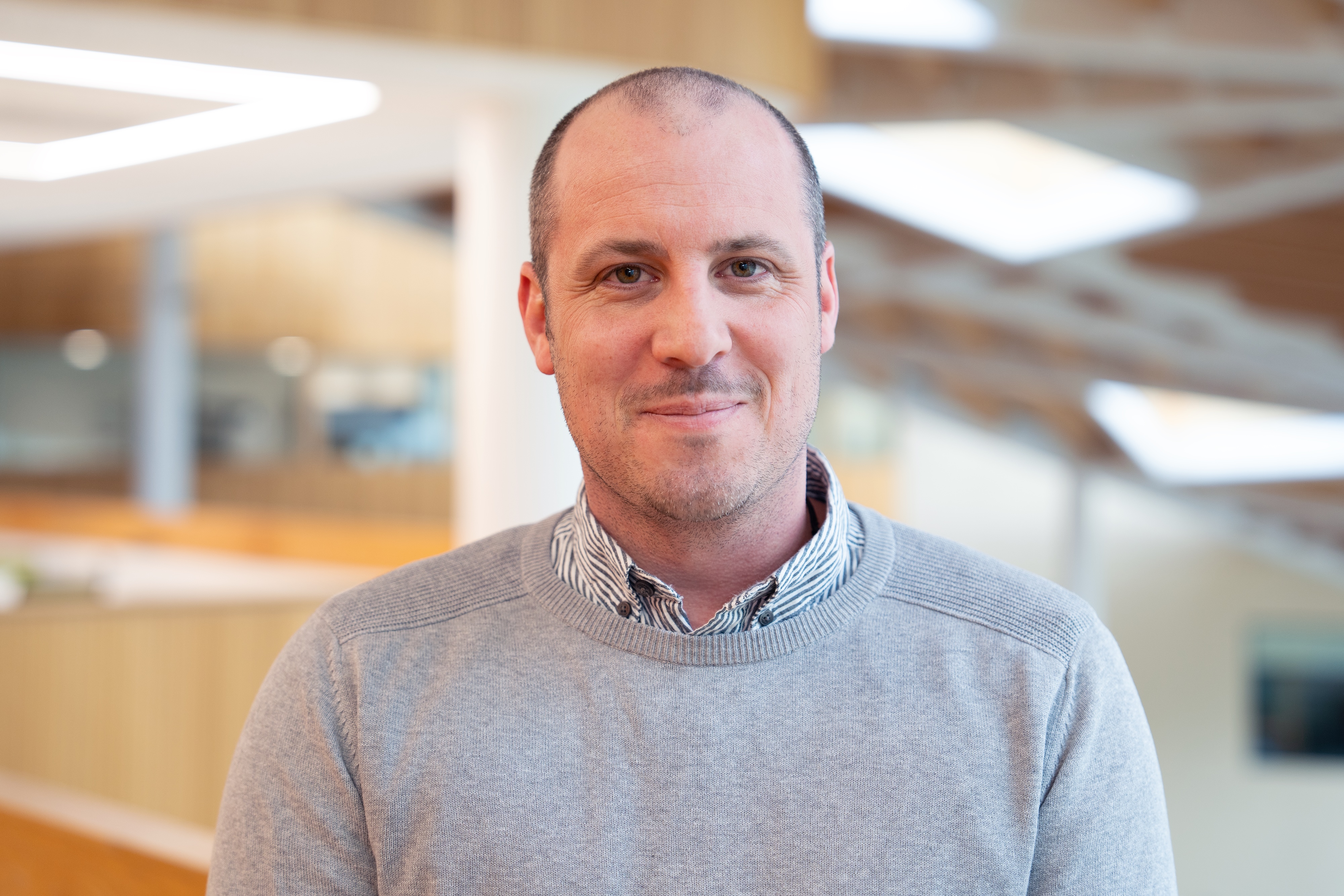
Dr Fabrice STEPHENSON
Co-Chair
Fabrice Stephenson is a marine ecologist at Newcastle University and a thematic Vice Chair for the WCPA Marine Thematic Group. His research has primarily focused on exploring the spatial patterns and underlying drivers of marine biodiversity, as well as investigating how human-induced impacts — such as the cumulative effects of stressors like fishing and climate change — might influence these patterns. Using statistical modelling approaches, he has developed science that aims to inform strategic policy approaches to managing the marine environment, in particular the development of marine spatial plans. He is currently undertaking a 5-year interdisciplinary research fellowship at Newcastle University which aims to develop improved approaches for estimating spatial distributions of ecosystem services under a changing climate and how these data can inform coherent, efficient and equitable resource management.
Marine Programme Officer
Paddy Keith is a marine ecologist with a focus on understanding the impacts of climate change and human activities on marine species distributions, communities and ecosystem structure, with the goal of supporting marine spatial planning and improving our management of marine resources.
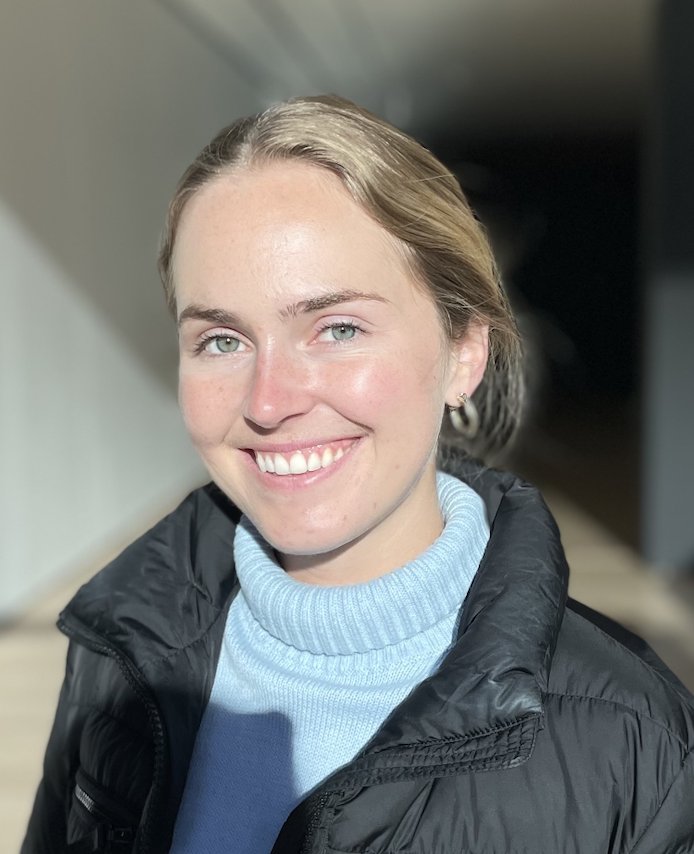
Marine Theme Programme Officer
Libby Mohn is an international marine policy specialist with a focus on marine protected areas (MPAs) on the high seas. She is on the Steering Committee of the IUCN WCPA High Seas Specialist Group, and recently researched best practices for implementing effective MPAs under the BBNJ Agreement with the Marine Conservation Institute. Previously, she worked with NOAA's Monterey Bay National Marine Sanctuary as a California Sea Grant Fellow. Libby has a Masters in International Environmental Policy from the Middlebury Institute of International Studies, and has a BA in History from Wake Forest University.
Our role
To inspire, inform and enable people to protect Planet Ocean by promoting the establishment of a global, representative system of effectively managed and lasting networks of MPAs.
Our goals
To accelerate progress in achieving the global MPA agenda through tracking progress, quality assuring information, celebrating achievements, identifying priorities and spurring action
- Encourage, develop and share solutions on MPAs through setting of data and information standards, criteria, tools, best practice guidelines, and management effectiveness
- Increase visibility, understanding and awareness of MPAs through the application of innovative ideas, partnerships, approaches and the application of new technologies
We achieve this by:
- Convening, coordinating and networking, in order to help governments, agencies, organisations and individuals to plan, develop and implement MPAs, MPA networks, and the global system, and integrate them with all other sea and coastal uses and maritime sectors;
- Ensuring better application of the best science, technical and policy advice on MPAs, MPA networks, and the global system;
- Generating, synthesising and disseminating knowledge on MPAs, often in the form of best practice advice, to a diverse range of players;
- Developing enhanced capacity at different levels to address the variety of challenges that funding and implementing effectively managed MPAs can present; and
- Fostering innovation to come up with exciting new solutions and ideas to tackle current and futures challenges.
As part of the World Commission on Protected Areas we work in partnership with IUCN’s Global Programme on Protected Areas and IUCN’s Global Marine programme, and have members in many of the countries of the world that border an ocean or sea.
Some Resources:
The Climate Change Resilience and Adaptation Planning Tool
Marine Protected Areas Building Resilience To Climate Impact