Chair
Dr Philippe Cullet, JSD (Stanford), LLM (Lond), MA (Lond), Licence en droit (Geneva) is Professor of international and environmental law at SOAS University of London and a Visiting Professor at ...

The IUCN WCEL Rights of Nature Specialist Group (RoNSG) serves as a source of legal expertise on the recognition, interpretation, and implementation of Rights of Nature across legal systems and ...
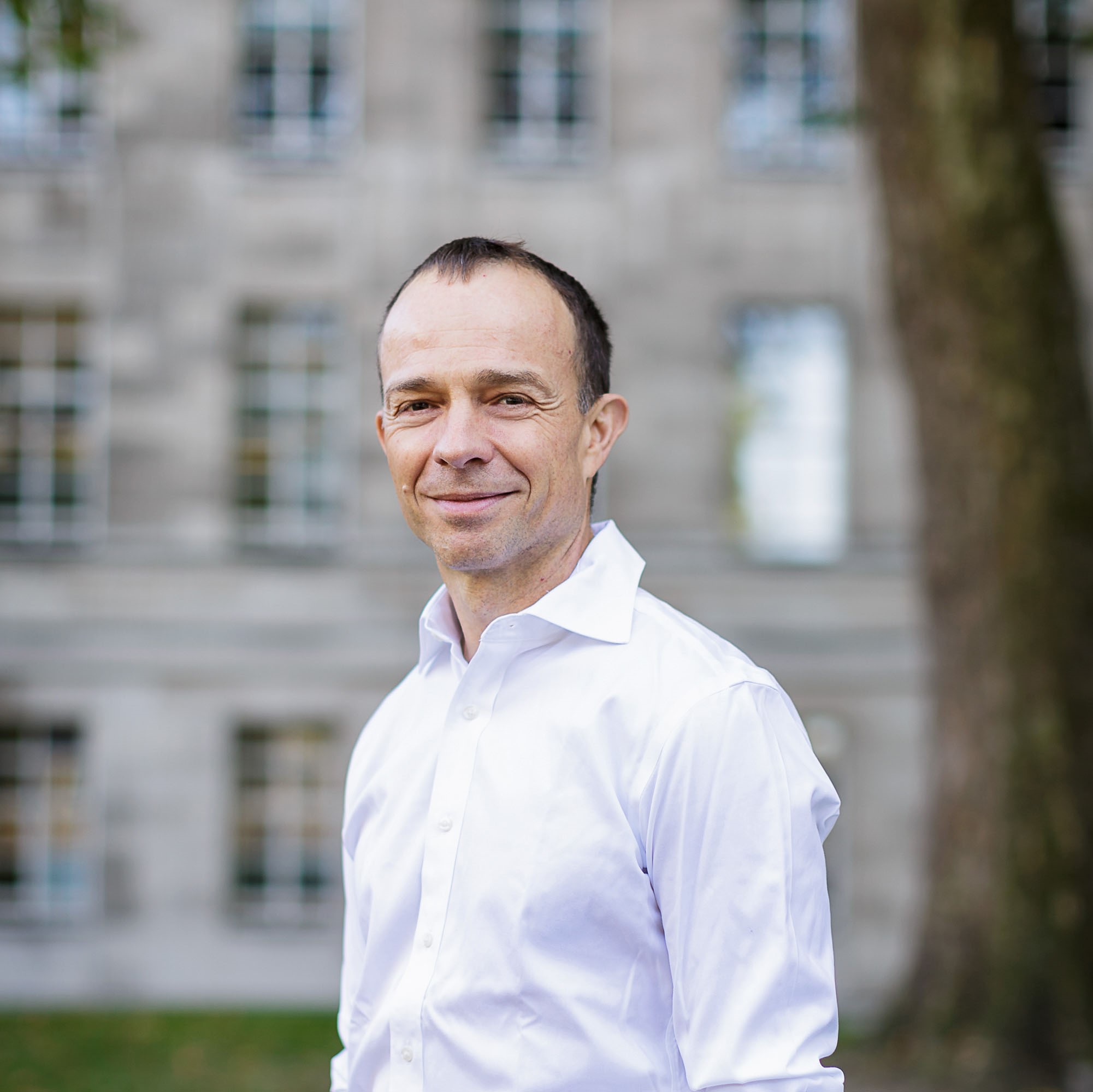
Chair
Dr Philippe Cullet, JSD (Stanford), LLM (Lond), MA (Lond), Licence en droit (Geneva) is Professor of international and environmental law at SOAS University of London and a Visiting Professor at the National Law University Delhi. He works on environmental and natural resources law, with a special focus on water, equity and indigenous environmental knowledge. He is the recipient of an ERC Advanced Grant (2025-2030) focusing on multi-scalar dimensions of sectoral water conflicts in South Asia (WATCON.org). His publications reflect his engagement with international law and policy, the global South and India. His latest edited book is River Rejuvenation and River Rights: Evolving Debates in India (Routledge, 2026) [co-edited with Ruchi Shree]. He is the Guest Editor of a Special issue on Indigenous Ecological Knowledge in South Asia – Lessons for Rights of Nature Discourses, Journal of Environmental Studies and Sciences (forthcoming 2026).
Chair
Dr Philippe Cullet, JSD (Stanford), LLM (Lond), MA (Lond), Licence en droit (Geneva) is Professor of international and environmental law at SOAS University of London and a Visiting Professor at ...
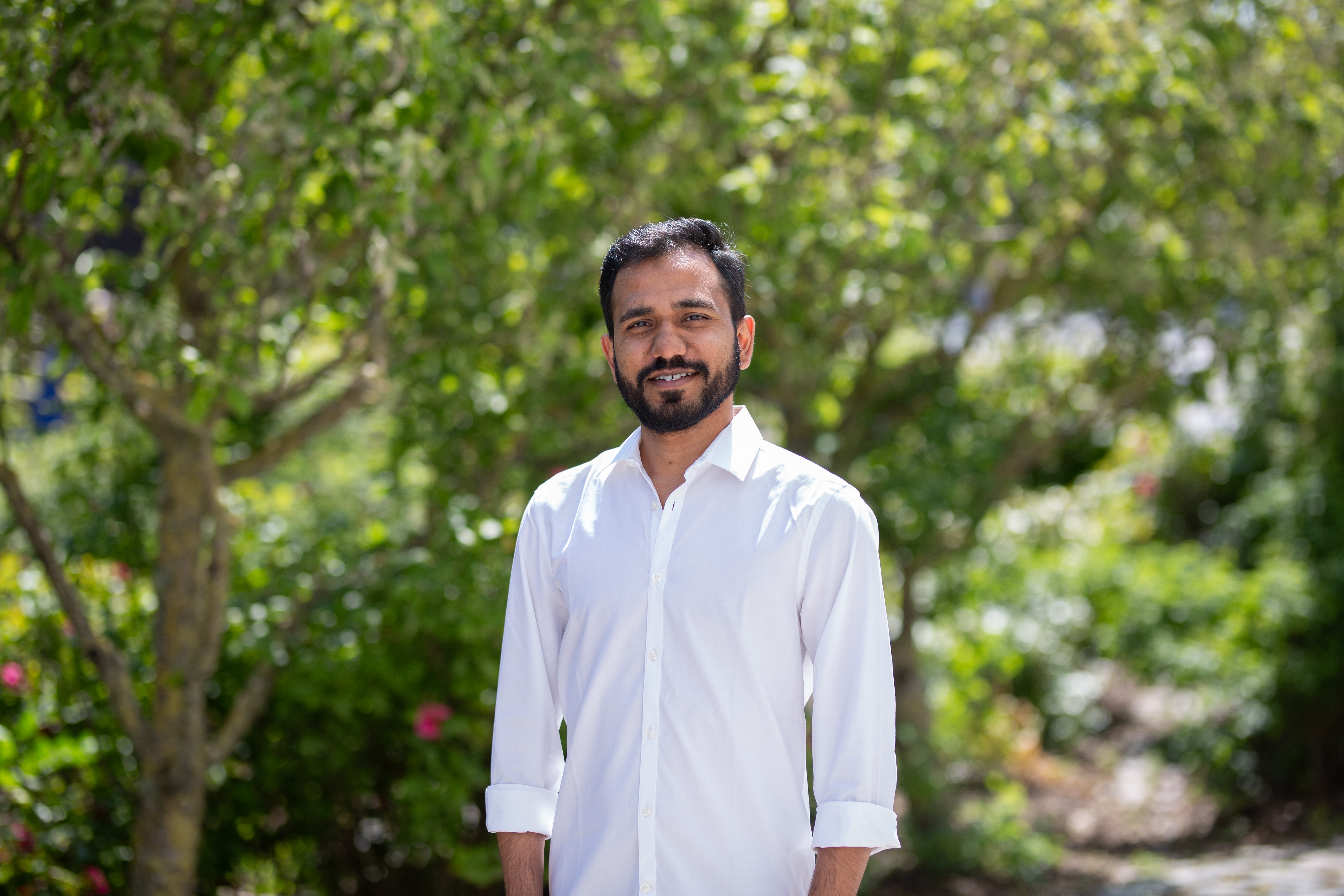
Dr. Harsh Vardhan Bhati is a lawyer, researcher, and educator specializing in environmental law, cultural heritage law, natural resources law, and energy law. He holds a doctoral degree in environmental law (Doctor of Laws/juris doktor) from Uppsala University, Sweden; an LL.M. in Environmental, Natural Resources, and Energy Law from Lewis & Clark Law School, United States, where he received the Environmental Ambassador LL.M. Award; and a law degree from Jindal Global Law School, O. P. Jindal Global University, India.
His research adopts an interdisciplinary approach to law, climate governance, and heritage conservation. His doctoral dissertation examined how international legal obligations under the UNESCO World Heritage Convention are interpreted and implemented at the national and local levels in light of international climate and energy commitments, and how these legal and institutional frameworks influence decision-making and the agency of public officials, municipal authorities, heritage professionals, and local communities seeking to balance heritage conservation with decarbonization and sustainability goals.
Harsh advises and collaborates with international, intergovernmental, and non-governmental organizations, while also supporting national governments on questions of environmental law and policy, heritage conservation, rights of nature, climate change, and sustainable development. His fieldwork has engaged Indigenous, pastoral, and urban communities across India, the Brazilian Amazon, Ecuador, and the European Union. He has teaching experience in environmental law and policy, including teaching on rights of nature and the right to a healthy environment, at Uppsala University and O. P. Jindal Global University.
He has published in leading international peer-reviewed journals, including Oxford’s Journal of Environmental Law, Journal for European Environmental and Planning Law, Environmental Policy and Law, Frontiers in Sustainable Cities, and Nordic Environmental Law Journal. Alongside his academic research, his work also engages with emerging governance models concerning ecological personhood and the rights of nature, including through international scholarly platforms such as the Research Group on Rights of Nature and Animals under the auspices of the International Association of Constitutional Law and International Law Association.
Dr. Harsh Vardhan Bhati is a lawyer, researcher, and educator specializing in environmental law, cultural heritage law, natural resources law, and energy law. He holds a doctoral degree in ...
The Rights of Nature Specialist Group aims to:
Past activities
Contact Information
We welcome new partnerships, assistance, and collaboration as we take forward our mandate. If you are interested in any aspect of the RoNSG, please contact us at [email protected].