This rock doesn't stand still
A reflection on place.
Photo: Photo: Charlie Tokeley

Photo: Photo: Charlie Tokeley
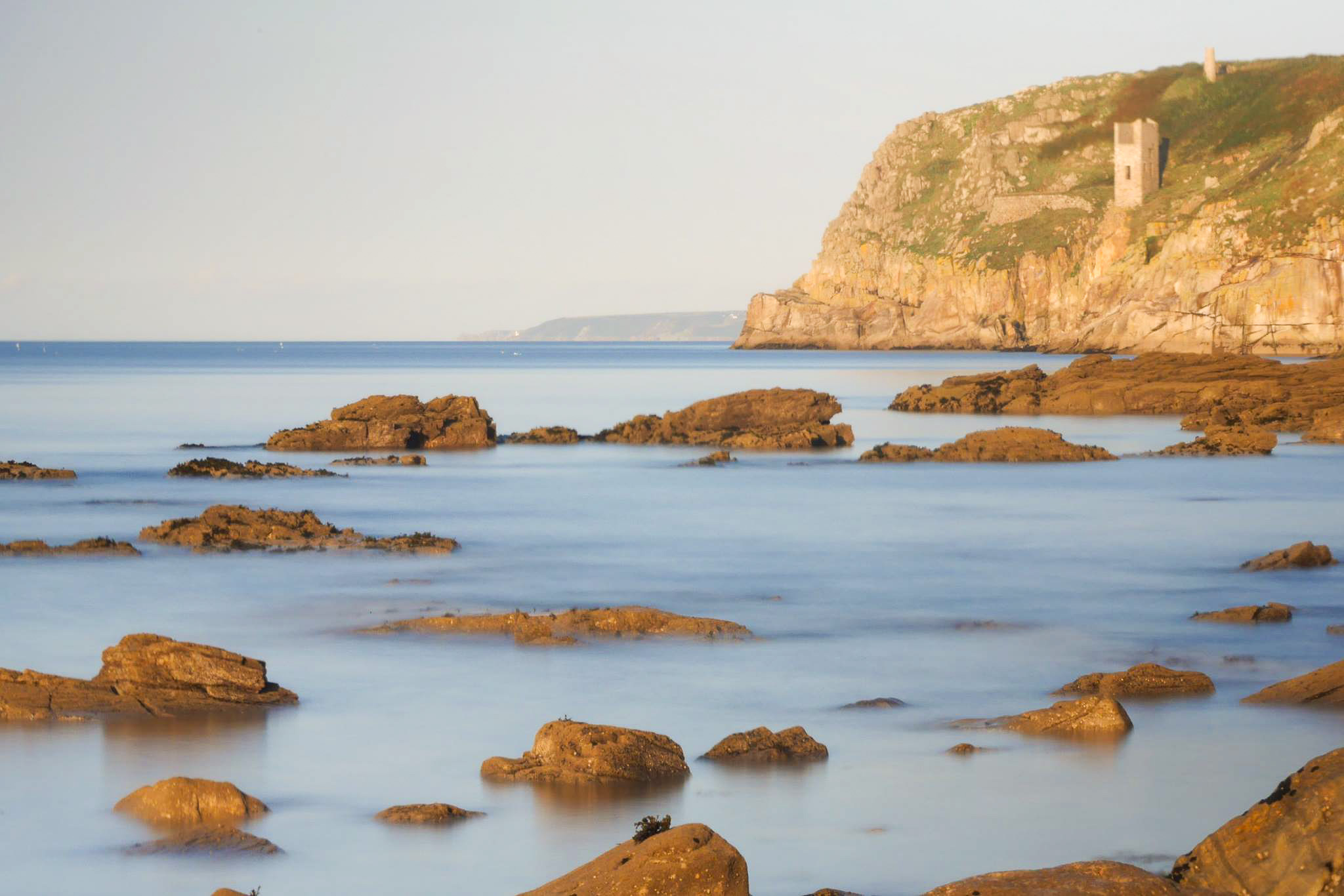
Photo: Photo: Charlie Tokeley
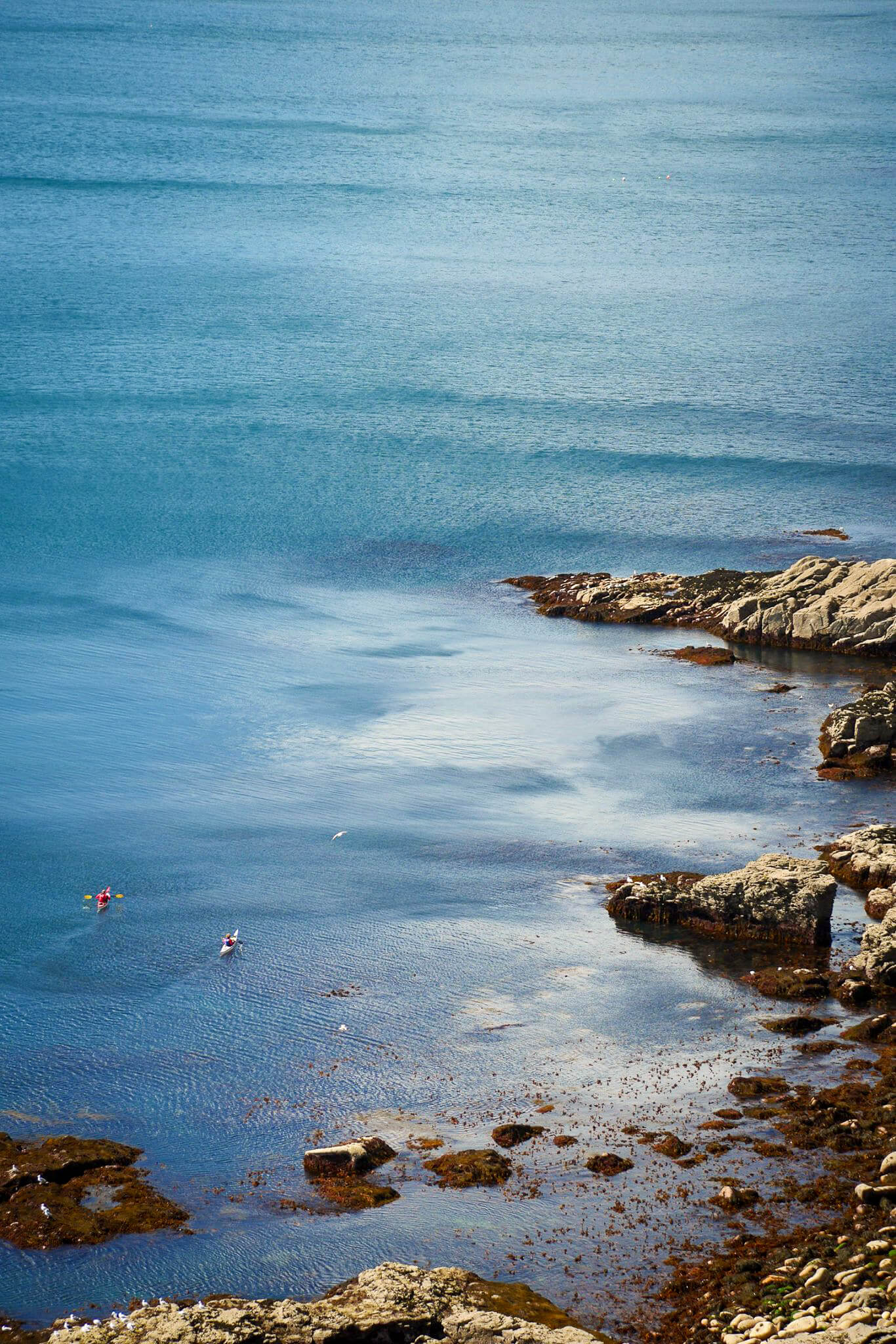
Photo: Photo: Charlie Tokeley
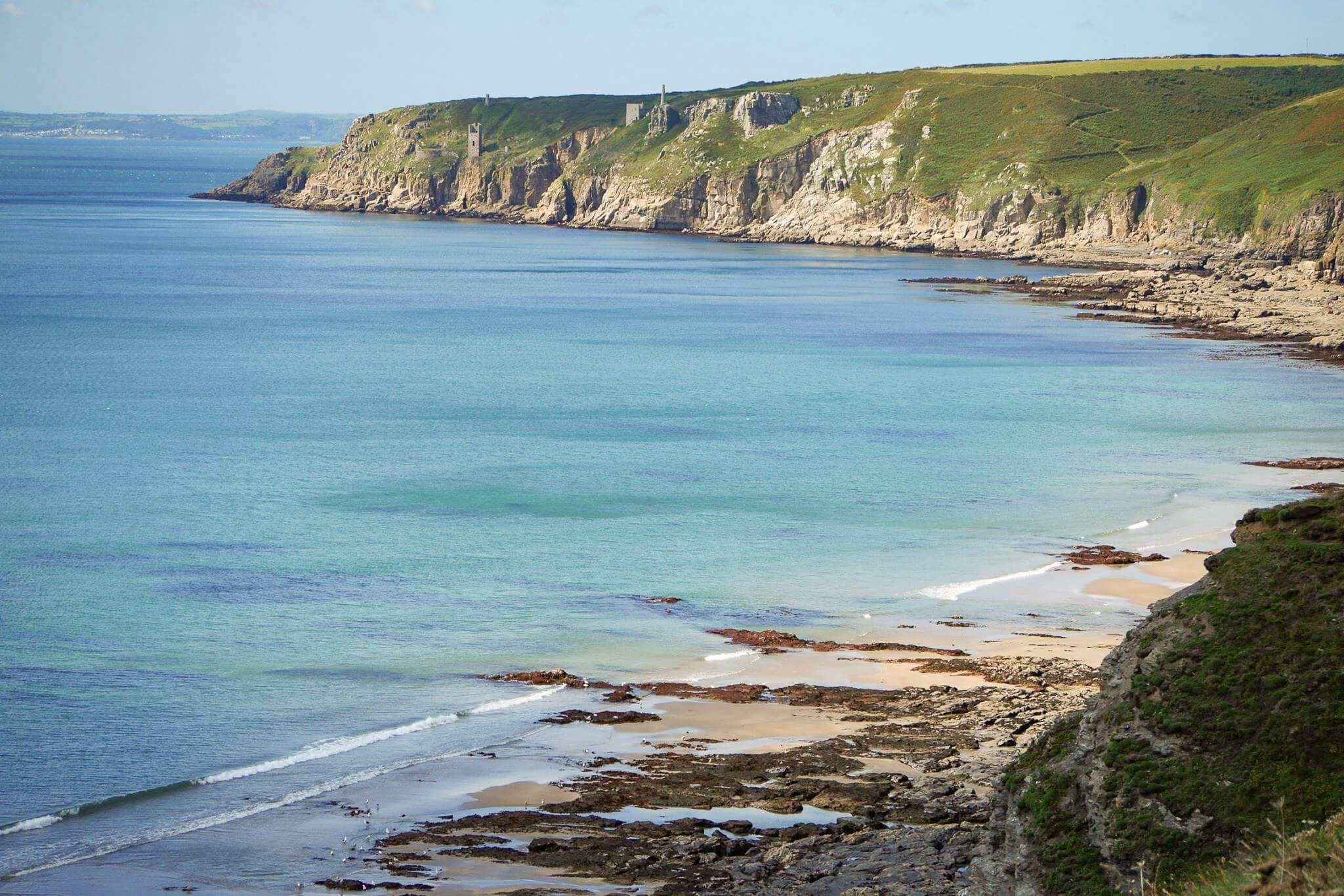
Photo: Photo: Charlie Tokeley

Photo: Photo: Charlie Tokeley
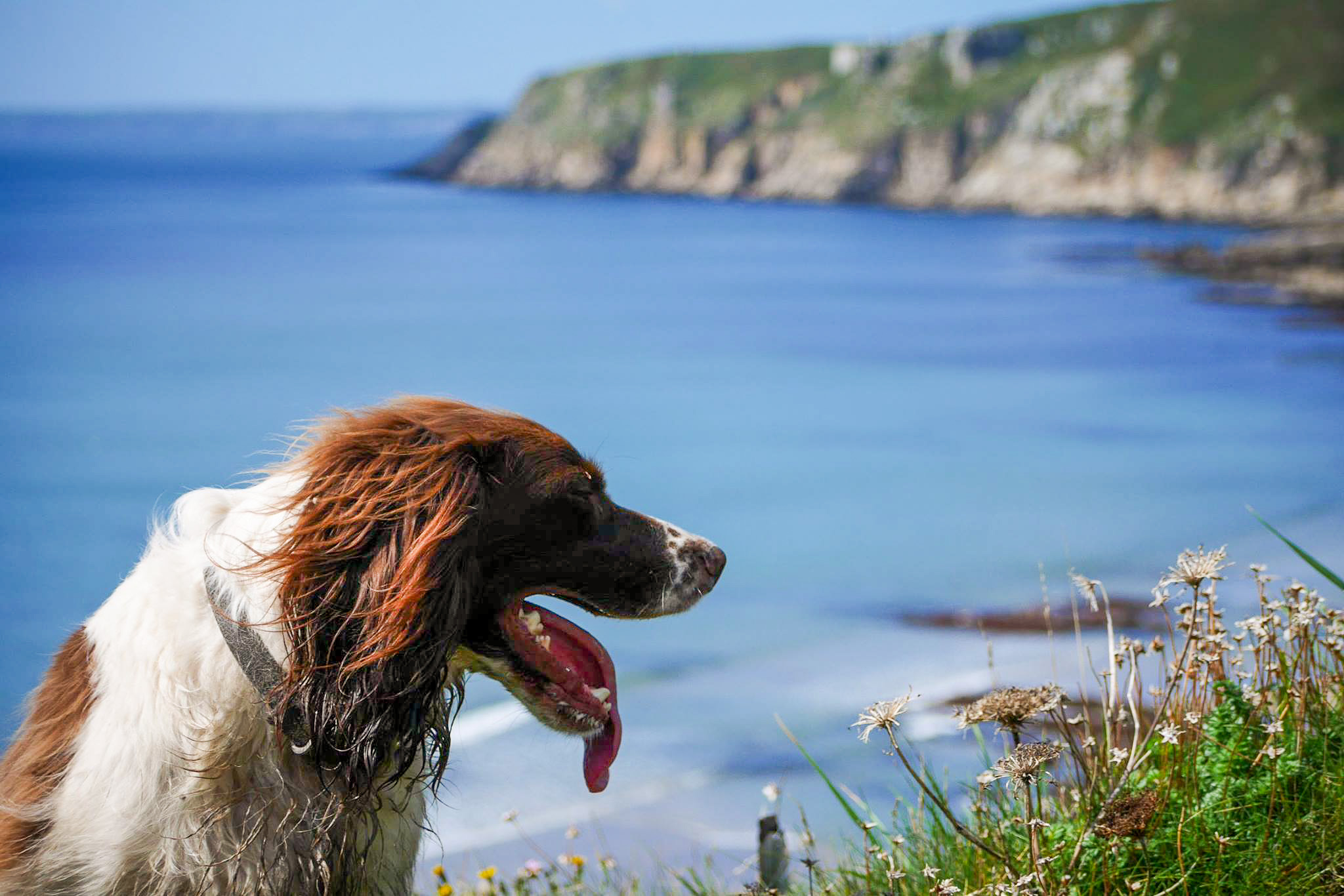
Photo: Photo: Charlie Tokeley
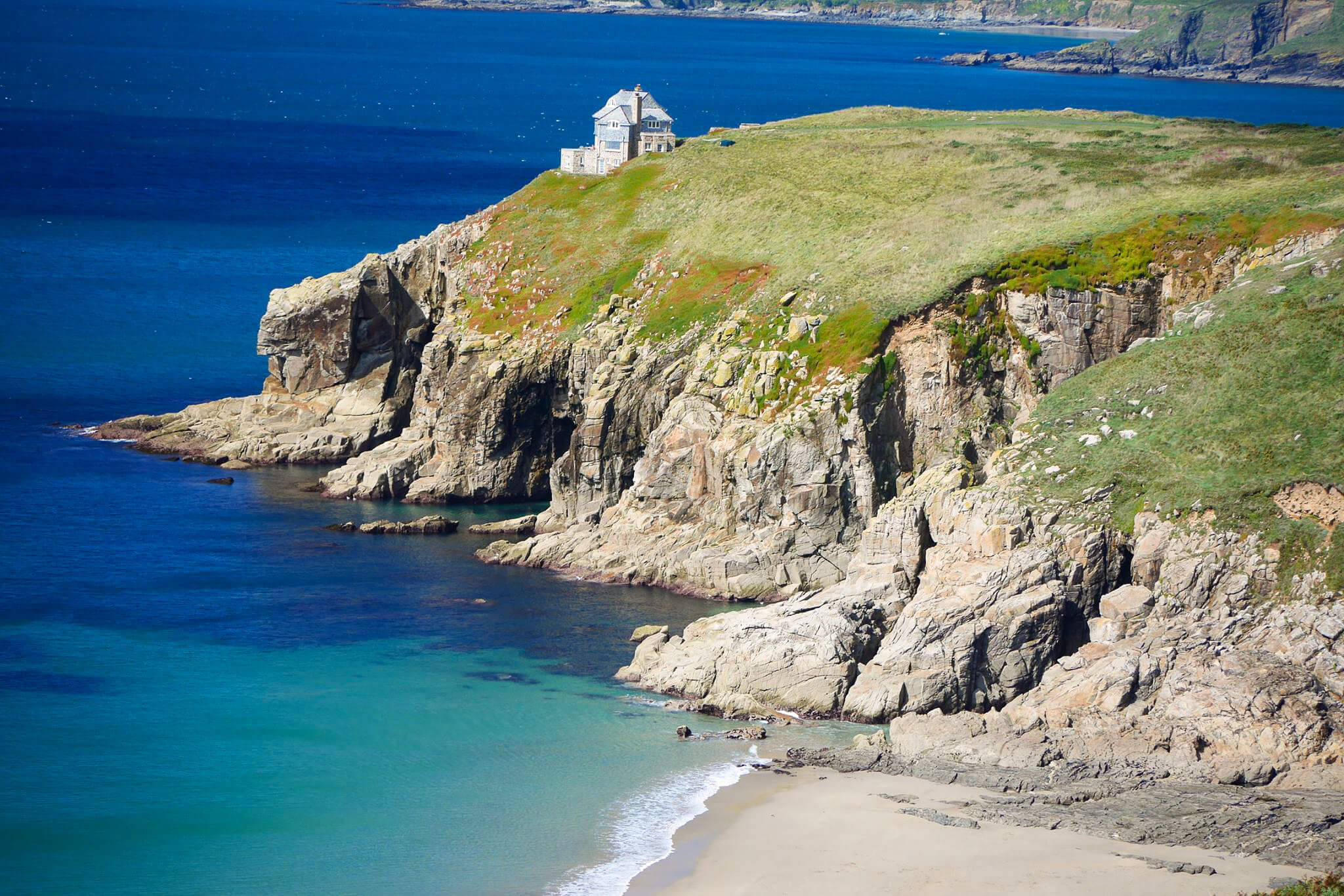
Photo: Photo: Charlie Tokeley
The most formative times of my life took place on a rock. A big mass of Cornish rock, to be precise.
The Godolphin-Tregonning granite lode cuts like a comma in a short, slight diagonal, forcing a pause on the north of Mount’s Bay before the big splash of granite further west at Land’s End. It contains the entirety of Cornwall’s history (in summarised form, of course), as well as my own.
A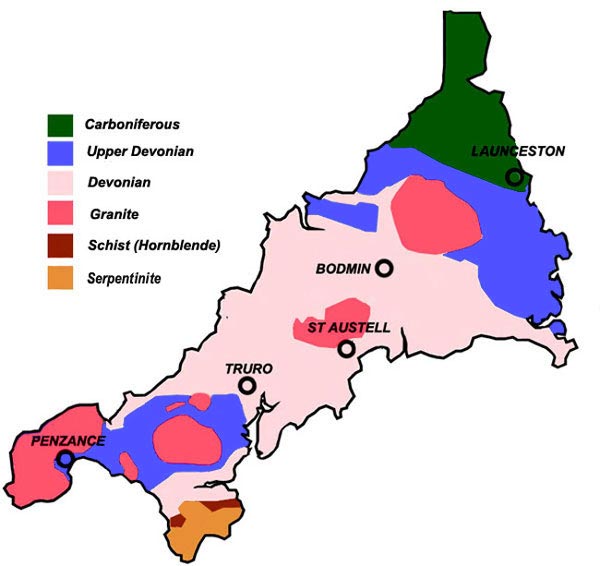 t one tip of the comma is Tregonning Hill. The hill my first cat was named after and the source of infinite wild blueberries every August, Tregonning Hill was - just as importantly - home to a Bronze Age hill fort, Castle Pencaire. 4,000 years ago, our Celtic ancestors scoured views as far as Lamorna and the Lizard - long before St Michael’s Mount was built upon and the first tin traders landed our shores, and even longer before I existed to walk every inch of the coastal paths between them in rain and sun, with dog in step. Their granite fort was rather rudely
  intersected and pillaged by the walls of later medieval farms and trampled upon by China clay miners at the heart of their industry, before being overgrown by the brambles and capped by a World War Two memorial. It is our history, layer upon layer, enshrined in a modest, moorland conserved area where we still exercise an ancient right to roam.
The lode passes beneath Ashton, where the school bus passed at 08.16, where the post office lady had horses down the road, and where I was barred from the pub as a brattish 14-year-old for calling the landlord a bad word. Generations of farm hands and miners have inhabited the granite houses that peck the village and countryside like chicken feed scattered by the passing clouds.
Our own granite house - Brodgyn - has stood alone for several hundred years, battered by eternal wind and damp (or mizzle, as we call our airborne, coastal wetness in Cornwall). The granite, albeit high in radiation, surrounds and shields us from the elements. A granite wall in the garden - hidden under innumerable edible sorrel, field plantain and nettles - aspires to do the same (although it was, admittedly, breached by some adventurous cattle recently). Despite being surrounded by farmlands, Brodgyn’s garden has been frequently visited by foxes, badgers, hedgehogs, slow worms, spotted woodpeckers, squirrels (despite us having the only trees for many hundred metres around), hummingbird moths, and many more of our elusive British wildlife.
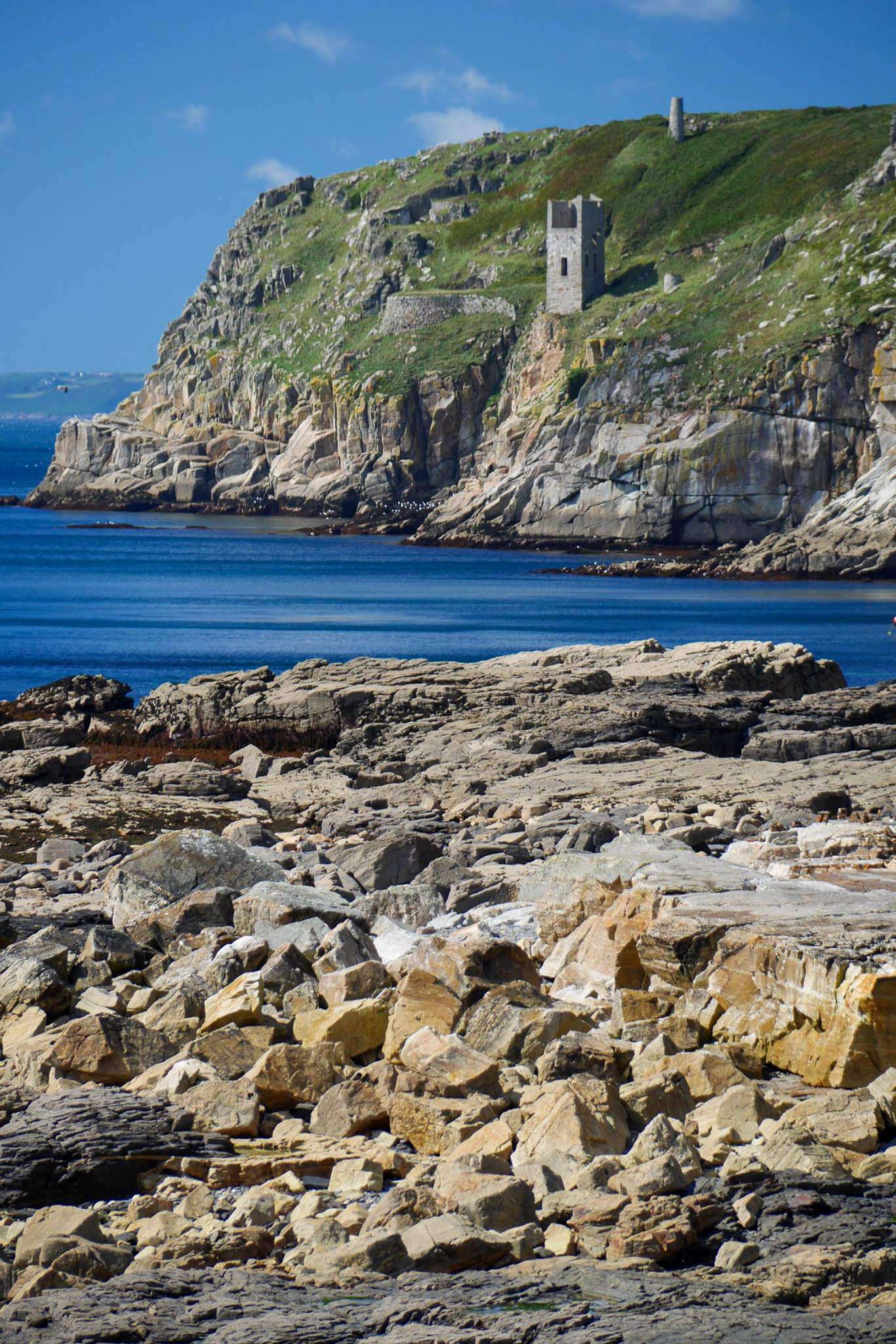
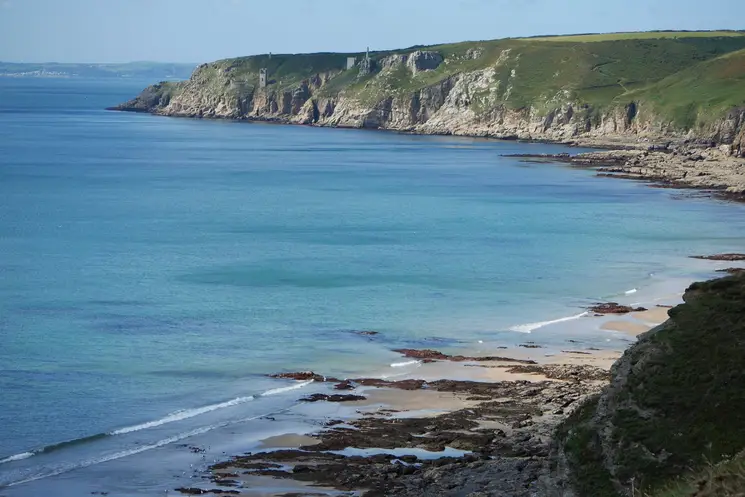 The lode ends where it reaches the pirate coast, in the National Landscape encompassing Rinsey beach. Granite is everywhere to see, with micro-worlds of lichens and insects on the larger rocks, Cornish choughs - our iconic bird that left us and came back - hopping from stone to stone, and adders basking in the sun away from walkers and circling birds of prey. On the coast around Rinsey, my sister and I built dens in the bracken as children, hunted starfish on the sands, and slept nights under the stars watching the lights of ships drift across the horizon. Here, rock climbers scale the perfect granite cliffs whilst dolphins, seals and basking sharks people the waters below fishing boats drifting west from Porthleven. Sentinels of the past, engine houses precipitate upon the cliffs in dramatic fashion, their tunnels once boring through the granite underlayers and out to sea, battered by storms and busied with local miners in centuries gone by.
This National Landscape is a history of home - for me, and of course for countless others. For the uninitiated, it is silent; only the wind and the waves, and cawing seagulls overhead, make a sound. For those of us who know it more intimately, every headland, cliff and rockpool holds a story.
The Godolphin-Tregonning Lode, in only a few short kilometres and over a span of time that pales in comparison to its own millennial existence, has been at the heart of all of Cornwall’s history and my own; we are, in some small way, this rock. The continued preservation and protection of these lands is of course vital to our heritage and identity, but also the many endemic, iconic and vulnerable species and fragile and wild ecosystems that also - in a different but equally important way - know it as ‘home’.
Sharing this place, this history, and this identity, we are inseparable. And if one thing is for sure, it is this:
This rock doesn’t stand still.


The Bangladesh Forest Department (BFD) and IUCN Bangladesh, with support from Agence Française de…

Each year, International Women's Day is an opportunity to recognise the women advancing change in…

On 14 January 2026, in Dhaka, the Bangladesh Forest Department and IUCN Bangladesh formally signed…