Story 25 Nov, 2024

Engaging our future

IUCN has long been committed to empowering young professionals within nature conservation. This year, youth leadership was a focal point of the Regional Conservation Fora that took place around the world

Youth for Mag 4
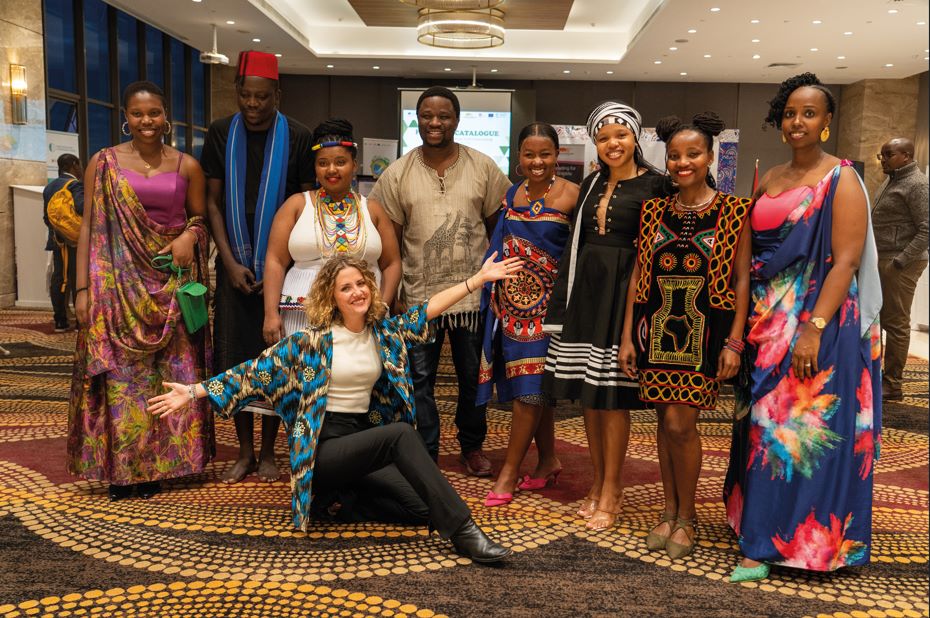
Youth representatives at the Africa Regional Conservation Forum

Following the launch in April of IUCN’s exciting new Youth Advisory Committee (YAC), this year’s Regional Conservation Fora included a strong focus on empowering youth leaders and amplifying their voices.

The IUCN Youth Strategy 2022-2030 outlines the importance of ensuring Union-wide efforts to engage young people. Since its launch, there have been a number of significant Union-wide efforts aimed at youth empowerment, meaningful engagement and leadership.

“The active participation of young people is essential to achieving sustainable development and reaching inclusive and just societies. IUCN is committed to bringing youth into conservation in an effective, respectful and optimistic way,” says Director General Dr Grethel Aguilar.

Voices of young Africa

The IUCN Africa Regional Conservation Forum (RCF) was one of nine events around the globe that brought together Members and other constituents to discuss biodiversity conservation and sustainable development.

As part of this event, the
Youth Conservation Forum for Africa saw over 120 young participants from across the continent and beyond join both physically and virtually for sessions covering topics including ecosystem restoration, Nature-based Solutions, plastic pollution, ocean conservation, and the role young people play in creating change.

The active participation of young people is essential to achieving sustainable development and reaching inclusive and just societies.

The strong turnout was thanks to extensive planning, partnerships with other organisations, targeted outreach campaigns and a hybrid format. The organisation and marketing were also youth-led. “Young people were involved in the planning and promotion of the event, which helped create content and messaging that resonated with the target audience,” says IUCN Programme Officer Faria Tarus.

The Forum amplified the voices of African youth and Indigenous peoples
in global conservation discussions, ensuring that their perspectives and knowledge contribute to shaping international policies and practices.

There were hands-on conservation activities, communications training and even an opportunity for the young participants to demonstrate their leadership by pitching their project ideas during the networking dinner. It also highlighted the work of IUCN’s Youth Advisory Committee, and why strong storytelling and science communication is imperative in conservation. Empowering these young people and tapping into their unique insights
“can lead to more sustainable and effective outcomes”, adds Tarus. It also ensures inclusivity.

“Involving youth makes sure we can address the needs and aspirations of the next generation who will inherit and shape the future of Africa’s natural resources.”

Tomorrow’s decision-makers

The success of the Youth Conservation Forum for Africa reflects a move to engage more young people around the world. At the IUCN Asia Regional. Conservation Forum in Bangkok, the Water and Wetlands Programme ran sessions on youth engagement in
water diplomacy.

Honestly, it’s so important for young people to get involved, because we’re the ones who’ll be dealing with the long-term impacts of today’s water decisions

says Brinda Kashyap, from IUCN’s Meghna Water Futures programme, which is focused on protecting and managing freshwater ecosystems such as the Meghna River Basin shared between India and Bangladesh.

By combining their fresh ideas and energy with technical skills and policy knowledge, young people can have a huge impact, she says: “We can push
for innovative, sustainable solutions
that might not have been considered before.”

Unique insights
 

Diana Garlytska is Chair of IUCN’s Youth Advisory Committee (YAC) and Regional Vice Chair for West Europe at the IUCN Commission on Education and Communication (CEC). She says that young people are “super keen on being part of the discussion, being at the table and being able to contribute to important policy development”, adding:

They bring so much value: fresh ideas, innovation and drive.

Events such as the RCFs offer young professionals the opportunity to engage with and learn from senior experts and conservation role models. Young people pursuing careers in nature conservation face so many challenges and barriers, that the benefits of this networking can’t
be understated.

“It is so valuable to extend your network by connecting with so many conservation experts,” says Garlytska. “There’s so much knowledge to be gained at the Regional Conservation Fora, which can really boost the career development of
young conservationists.”

Engaging in these discussions can give young people a huge confidence boost, giving them a glimpse of how they can lead positive change around the world. “Amplifying their voices creates a sense of ownership and responsibility,” says Tarus.

All of this year’s RCFs included young people in their programmes. Now, as
the Union looks towards World Congress in 2025, IUCN’s commitment to youth engagement continues.

The Union will continue to foster collaboration, strengthen partnerships, increase youth representation in decision-making, offer training and capacity-building, and showcase successful youth initiatives and best practices.

In particular, it will be exciting to see the input that will come from the new Youth Advisory Committee, whose young members are based in 13 countries, speak over a dozen languages, and represent the collective expertise of IUCN’s Commissions, Members, Indigenous peoples organisations and Secretariat.

Amplifying the voices of young people is important because it benefits everyone.

Having youth in the mix means we’re not just talking about ideas – we’re turning them into real, actionable plans

says Kashyap. “It’s exciting to think about the positive change we can create together.”