Smarter Ocean Action at UNOC3: Views from the Blue Zone Side Event
During the week at the Third United Nations Ocean Conference (UNOC3), I had the chance to be part of a side event in the Blue Zone. Experts, island leaders, and community voices came together to share ideas about one thing we all depend on—the ocean.
What struck me most? Protecting our seas isn’t just about rules or fancy technology. It’s about people, culture, and real action grounded in both science and tradition.
Photo: UNOC3
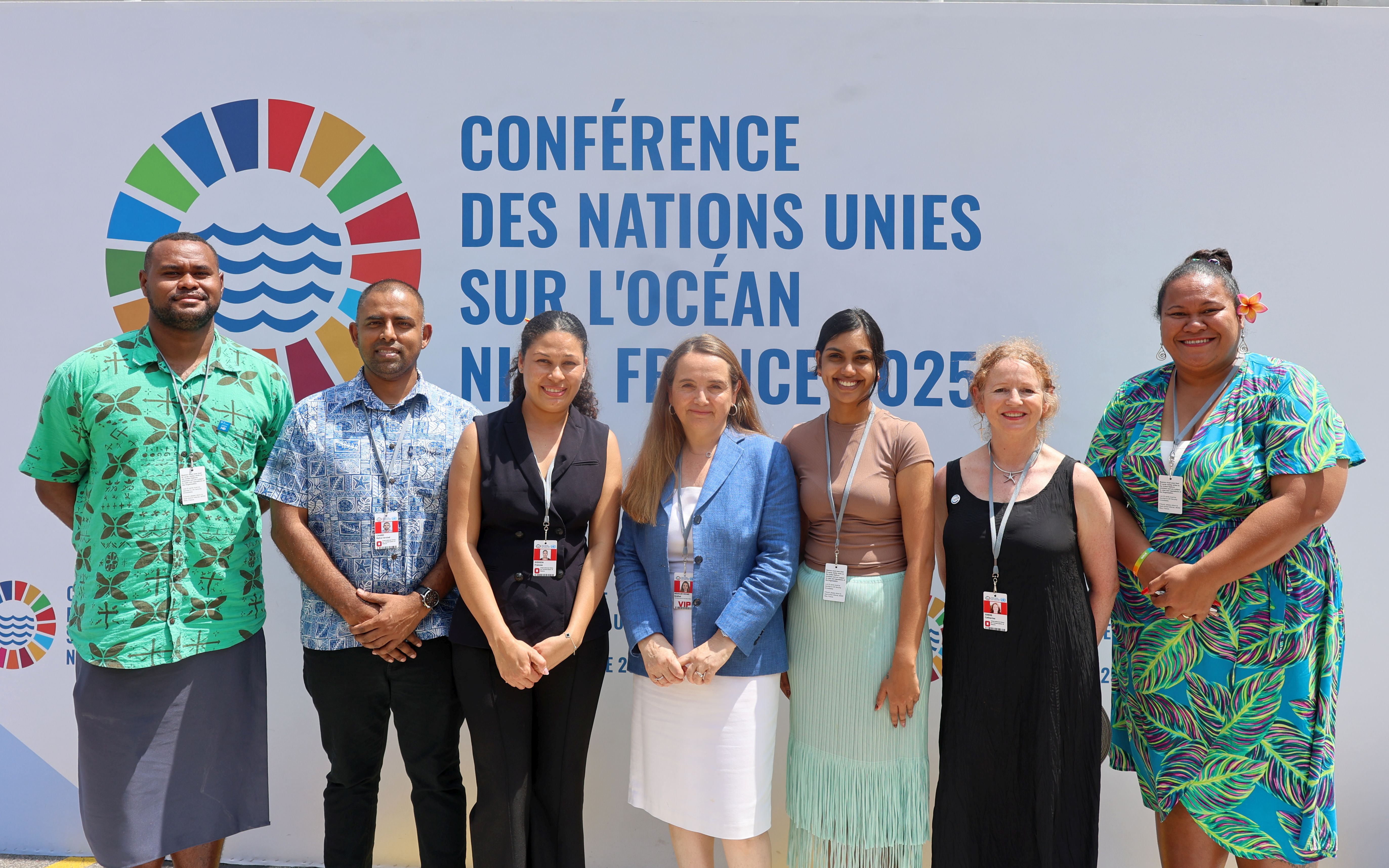
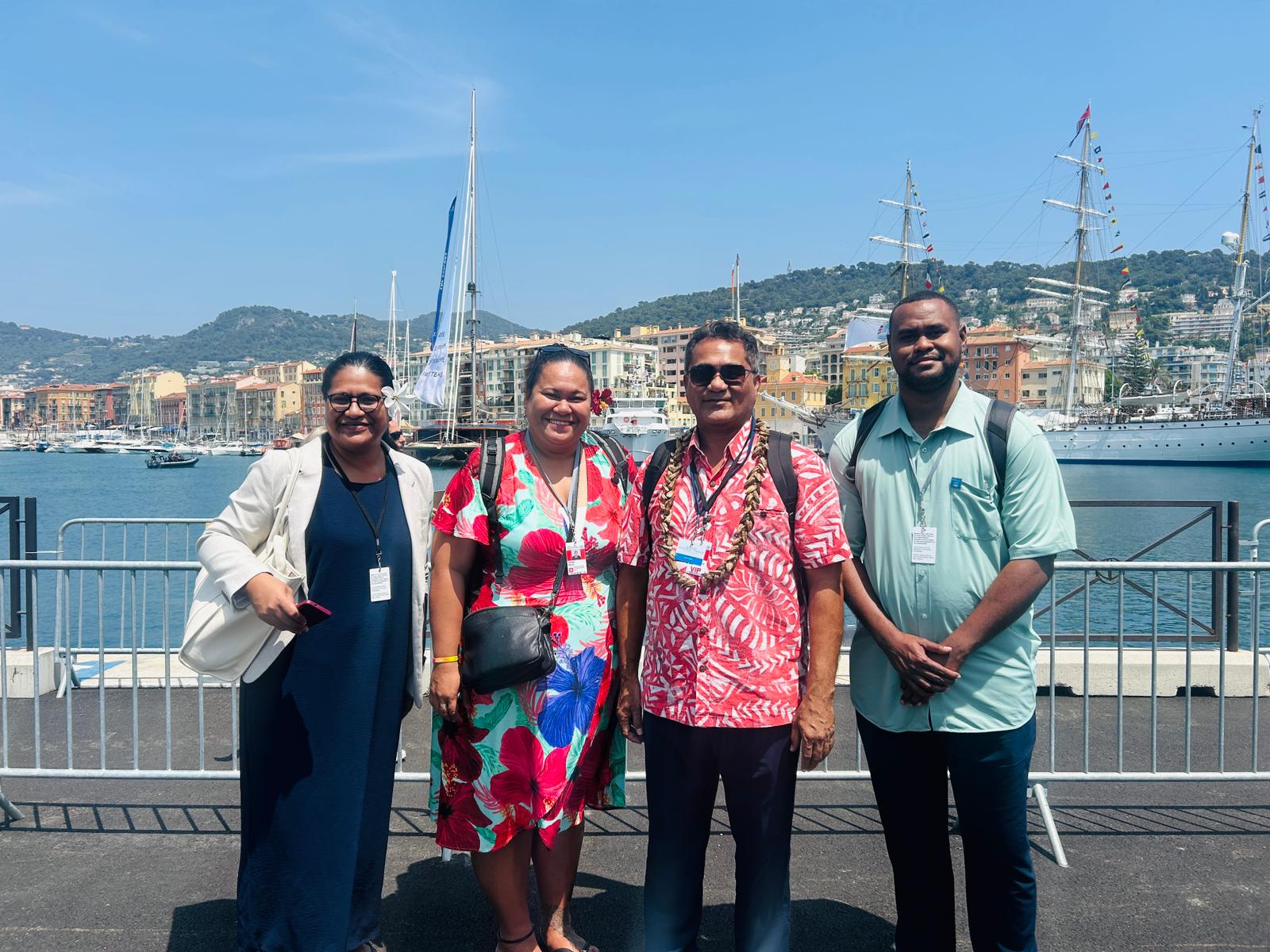
Photo: UNOC3
Tech and Data: Powerful, But Not the Whole Story
Ingvild Solvang from Global Green Growth Institute kicked off with a clear message. Yes, data and artificial intelligence can help governments make smarter choices, especially in places where resources are tight. But we need to build strong foundations first.
Too often, policies are scattered or weak because governments don’t have the tools or teamwork they need. Using data to connect different sectors and make plans clearer is a game changer. But technology isn’t magic; it must help the communities living by the ocean, not just stay locked in reports or computers.
Turning Knowledge into Action
Next up, a speaker from Green Growth Knowledge Partnership reminded us that good data means nothing if it’s complicated or hard to use. Member stated want practical, easy-to-understand info that fits their situation. Platforms like wastepolicy.com offer exactly that — straightforward solutions that make a difference on the ground.
This stuck with me: knowledge must be accessible. If not, it just becomes noise.
Island Stories: What Rapanui and Palau Are Doing
Some of the most powerful moments came from the stories shared by Rapanui (Easter Island) and Palau—two islands with deep connections to the ocean and bold visions for its future.
The Rapanui representatives reminded us that for many communities, the ocean is more than just a resource—it’s sacred. Their ocean plans reflect that deep cultural tie, and they’re doing some thoughtful things:
* Bringing together government, businesses, communities, and councils.
* Making sure local context matters—from using the right language to training local rangers.
* Finding ways to balance people’s needs with protecting the environment.
* Tackling plastic waste, which continues to wash up on their shores.
Palau’s leadership blew me away. This small island nation has set aside half its waters as no-take zones — areas where fishing is off limits to help the ocean recover. They created one of the world’s largest marine protected areas right in the middle of a global pandemic (COVID).
They’re also working hard to make domestic fisheries more accountable and better managed. The minister summed it up beautifully: We need to let the ocean heal itself.
Making 30 by 30 More Than Just a Goal
A clear theme throughout the event was that ambitious goals like 30x30 —protecting 30 per cent of the ocean by 2030—aren’t just dreams. They’re necessary. And possible.
What we need is smart science, the energy of youth, inclusive partnerships, and enough money to turn promises into reality.
From our work in Oceania, I know it won’t happen without local voices leading the way and clear plans everyone can follow.
This event reminded me that protecting the ocean is something we all must do together.
We need smart tools like data and tech, but we also need to listen to traditional knowledge that has been around for generations.
It is not just about government decisions, communities’ matter and young people have a big role to play too.
We already have the tools and the ideas. Now we just need to work together and act.

Disclaimer
Opinions expressed in posts featured on any Crossroads or other blogs are those of the authors and do not necessarily reflect the opinions of IUCN or a consensus of its Member organisations.

The Bangladesh Forest Department (BFD) and IUCN Bangladesh, with support from Agence Française de…

Each year, International Women's Day is an opportunity to recognise the women advancing change in…

On 14 January 2026, in Dhaka, the Bangladesh Forest Department and IUCN Bangladesh formally signed…