New IUCN ten-step guide: greening schoolyards to connect children with nature
A growing body of evidence shows that time spent learning and playing in nature can help children reach their full academic and social-emotional potential and inspire strong connections to the natural world. However, today, children are spending less time outdoors, disconnected from nature – a trend with far-reaching consequences for both human well-being and the planet’s health.
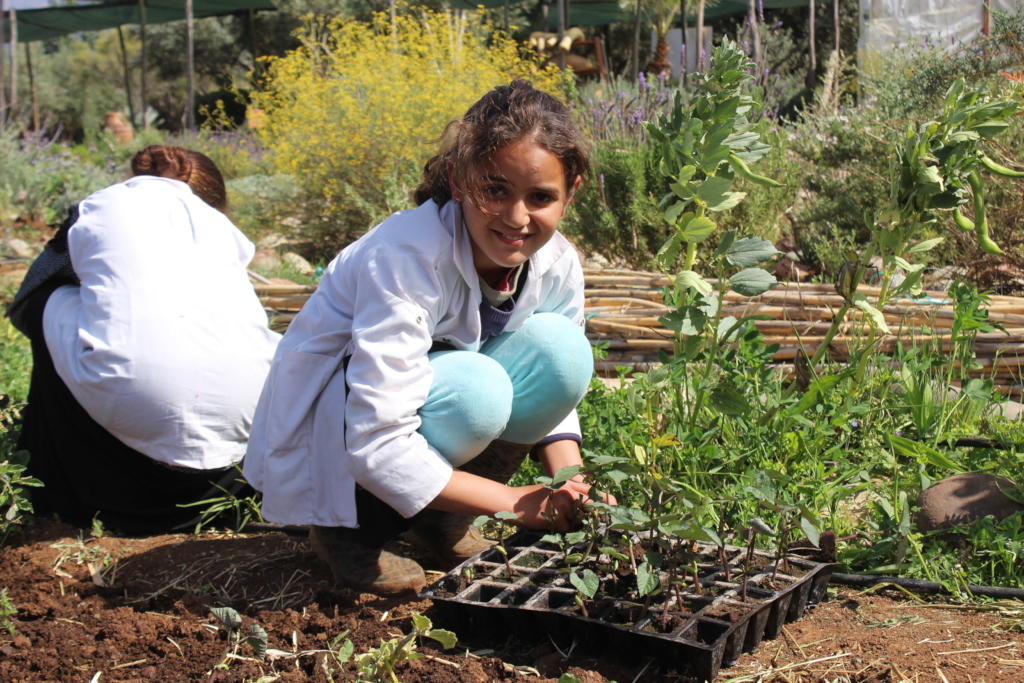
An innovative ethnobotanical garden at Dar Taliba Ourika girls’ boarding house in Morocco
Photo: Global Diversity Foundation
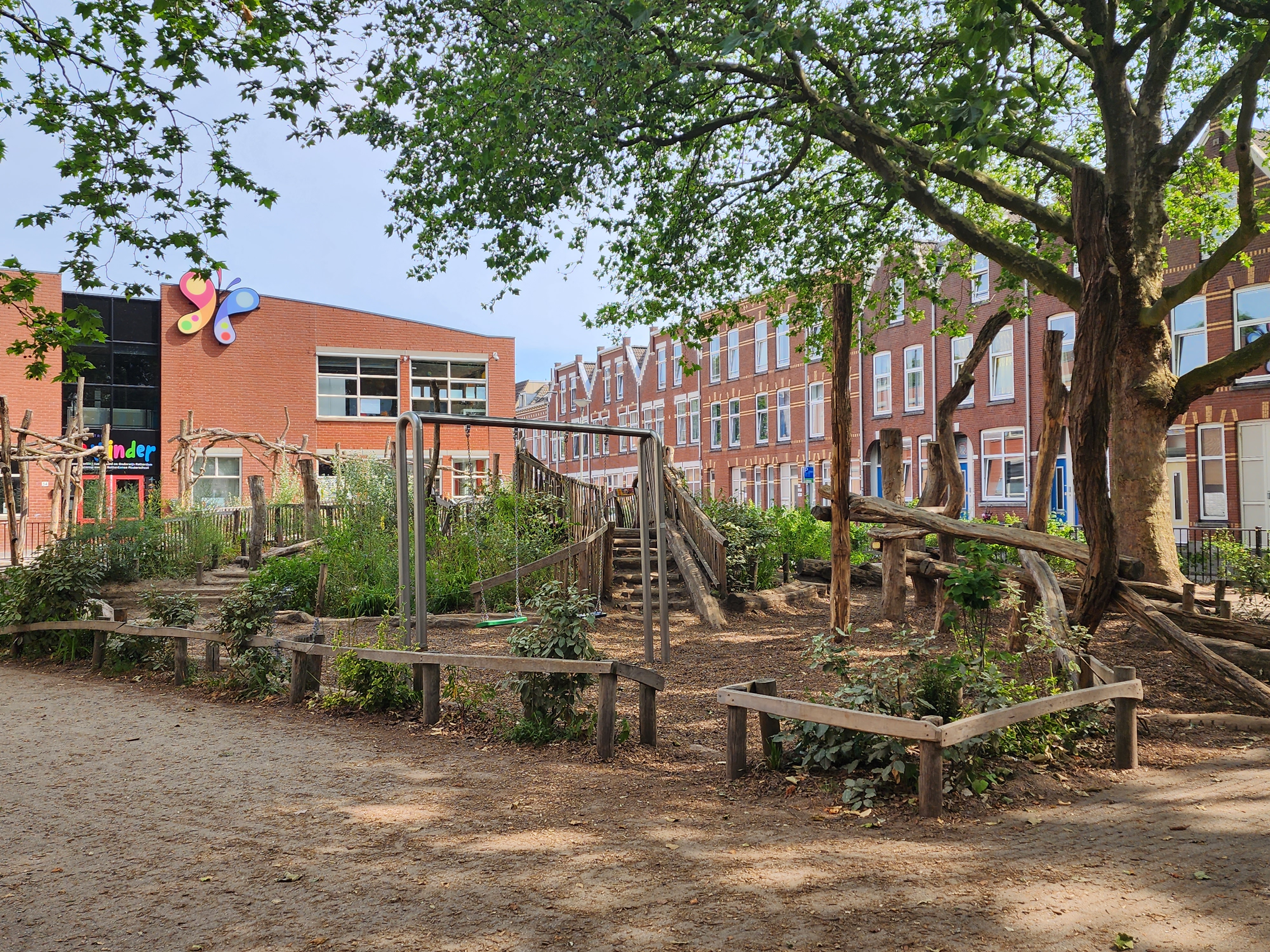
The Institute for Nature Education and Sustainability (IVN) in the Netherlands
Photo: Jaime Ehrenberg
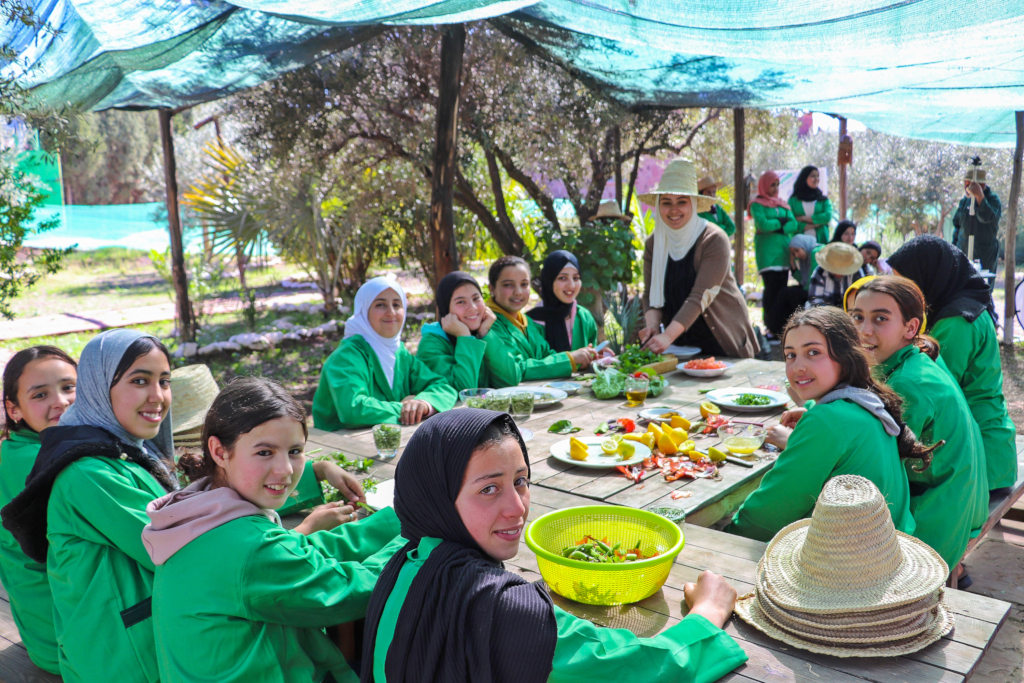
The Dar Taliba ethnobotanical school garden in Morocco
Photo: Global Diversity Foundation
A new guide by the IUCN Commission on Education and Communication and the Children & Nature Network outlines a ten-step guide to transform schoolyards into nature-filled spaces for learning, play, and community connection to strengthen the bond between children and nature.
As places where children spend a significant portion of their day, schools can foster relationships with nature through green schoolyards. The guide "Ten steps to greening school grounds and nature-based education" provides a practical, adaptable roadmap designed to help educators, foundations, NGOs and government agencies develop new green school grounds and outdoor learning programmes.
“Schoolyards are more than just places to play. They’re a solution hiding in plain sight. With a little imagination, they can become living classrooms where children spark curiosity, stretch their creativity, and build a lasting bond with the natural world,” said Brenda Kessler, lead guide writer and Project Manager at the Children & Nature Network. “This guide is both a rallying cry and a hands-on resource, giving municipal leaders the tools and inspiration to transform ordinary school grounds into vibrant green spaces that enrich children’s lives, strengthen communities and care for the planet.”
The guide is grounded in real-world experience, drawing on case studies from cities from around the world that have already blazed the trail toward citywide transformation. Each of the ten steps are illustrated with inspiring examples of communities that turned vision into action, navigating challenges, building partnerships and creating schoolyards that now teem with life.
“In my role as Chair of the IUCN Commission on Education and Communication, I have been extremely lucky to see many of the most important innovations around the world that are advancing education in formal, non-formal and informal settings. One continues to stand out for me as truly profound and transformative, and that is the opportunity for children and young adults to learn outdoors in green and living spaces. This ten-step guide is an incredibly important tool to help planners, organisers, practitioners, school boards, non-profit organisations and others to build and maintain the green and living environments our children and learners need,” said Sean Southey, CEO, Canadian Wildlife Federation and Chair, IUCN Commission on Education and Communication.
The framework’s ten steps are organised into three phases: Setting the Stage, Moving Forward, and Keeping It Going to provide cities with a structured yet flexible approach to transforming schoolyards into more than just play areas, but as dynamic, educational environments that foster a deeper connection to nature.
Promising models for scaling green school grounds are taking root across the world, but these practices are not happening equitably worldwide. Momentum is building, but more help and bold, coordinated action is needed to expand these practices to areas most in need and ultimately bring green schoolyards everywhere.
The guide can be accessed here.

The Bangladesh Forest Department (BFD) and IUCN Bangladesh, with support from Agence Française de…

Each year, International Women's Day is an opportunity to recognise the women advancing change in…

On 14 January 2026, in Dhaka, the Bangladesh Forest Department and IUCN Bangladesh formally signed…