Bridging the gap: Leveraging animal movement and mapped migration routes to inform national conservation policy
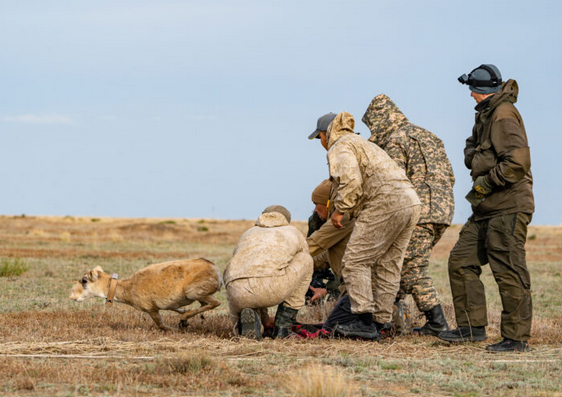
CMS Resolution 14.16 Ecological Connectivity invites Parties, other States, and relevant organizations to support long-term maintenance and application of large-scale databases for migratory species distributions, movements, and abundance. This presents an opportunity to employ tracking data to better inform polices to conserve migratory species and their habitats. Yet, while scientists are tracking species all over the world, analytical, financial, or logistical challenges constrain the ability to leverage tracking data to meaningfully inform conservation planning at national and regional levels.
Co-organized with IUCN’s World Commission on Protected Areas Connectivity Conservation Specialist Group (CCSG), this event seeks to stimulate discussion with CMS Parties, national focal points, and other participants about the utility of using tracking data, movement indicators, maps, and atlases such as the Atlas of Ungulate Migration to conserve migratory species. Participants will consider issues from multiple angles aiming to address the integration of movement data (with a focus on migration) as a standard, streamlined, and impactful process into conservation planning and policy by discussing some of the following questions:
- How can countries better use empirical tracking data from migratory species to meaningfully inform development planning and meet their conservation commitments regarding biodiversity and migratory species?
- What would it look like to legally designate a national or transboundary mapped migration corridor?
- What opportunities are there to base conservation measures on migration as a unique natural phenomenon that sustains biodiversity and population abundance, not just persistence?