Great Blue Wall report showcases five years of impact on ocean regeneration across the Western Indian Ocean
Mombasa, Kenya, 17 June 2026 — At the 11th Our Ocean Conference (OOC11) today, the Great Blue Wall unveiled its first Impact Report (2021–2025). The release comes five years after the launch of an ambitious vision to regenerate ocean ecosystems and strengthen coastal livelihoods across the Western Indian Ocean, and it offers compelling evidence that large-scale ocean regeneration is not only possible, but already underway.

The launch coincides with the first Our Ocean Conference to be held on African soil - a gathering of global leaders in Kenya that puts African‑led solutions front and centre in addressing the interconnected crises of climate change, biodiversity loss, marine pollution, and sustainable development.
Born in the Western Indian Ocean and inspired by a bold Pan-African vision for ocean regeneration, the Great Blue Wall has evolved from an idea into a growing movement connecting governments, communities, Indigenous Peoples and Local Communities (IPLCs), youth, researchers, civil society organizations, and development partners around a shared ambition of restoring ocean health while improving human well-being.
The report captures the collective achievements of this movement between 2021 and 2025 and demonstrates how investments in nature, communities, and partnerships are delivering measurable benefits for both people and ecosystems.
According to the report, Great Blue Wall partners as mentioned in the report have collectively contributed to supporting more than 83,000 km² of marine and coastal areas, strengthened over 112,000 livelihoods, mobilized more than USD 80 million for conservation and regenerative blue economy action, and supported the protection, restoration, or commitment to protect more than 175,000 hectares of coastal and marine ecosystems.
The report further highlights progress in ecosystem restoration, climate resilience, community stewardship, youth leadership, ocean literacy, sustainable livelihoods, and regional cooperation, demonstrating how ocean regeneration can serve as a catalyst for both environmental recovery and socio-economic development.
Luther Bois Anukur, Regional Director, IUCN Eastern and Southern Africa Regional Office speaking at the launch of the report said that "The Great Blue Wall is proving that conservation is not a constraint on development—it is a catalyst for it. Across the Western Indian Ocean, communities are restoring ecosystems, unlocking economic opportunities, and building resilience for future generations. As part of the broader vision of Regenerating Africa, this report demonstrates how strategic investments in nature, people, and partnerships can drive systemic change and deliver sustainable prosperity at scale."
The findings reinforce the importance of accelerating investments in regenerative approaches that support healthy ecosystems while creating opportunities for communities and future generations.
Thomas Sberna, Head of the Coastal and Ocean Resilience Programme, IUCN ESARO said: “Over the past five years, the Great Blue Wall has evolved from a bold vision into a growing movement for ocean regeneration across the Western Indian Ocean. This Impact Report goes beyond the numbers to tell the story of the communities, practitioners, youth, entrepreneurs, and partners who are restoring ecosystems, strengthening livelihoods, and building resilience along our coasts. Their experiences demonstrate that regenerative approaches can deliver lasting benefits for both people and nature. As we look ahead, the challenge is to scale these successes, deepen partnerships, and mobilize the investment needed to accelerate ocean regeneration across the region and beyond."
As global attention increasingly turns towards ocean action, the report highlights how the Western Indian Ocean is emerging as a hub of innovation, leadership, and partnership-driven solutions.
Minna Epps, IUCN Director of Global Ocean Policy Centre for Policy and Law said "Around the world, countries are searching for models that can deliver simultaneously for nature, climate, and people. The Great Blue Wall is emerging as one of those models. Its strength lies in its ability to connect local leadership with regional ambition and global priorities, demonstrating how ocean regeneration can generate transformative outcomes at scale."
At the heart of the Great Blue Wall are the communities who live alongside and depend upon marine and coastal ecosystems. The report highlights their growing role in conservation, restoration, governance, and sustainable resource management across the region.
"The Great Blue Wall has shown that when coastal communities are connected, supported and given a voice, they can become powerful agents of ocean stewardship. Through the WIO LMMA Network, communities across the Western Indian Ocean are no longer working in isolation. We are learning from one another, sharing solutions and building a collective voice for the sustainable management of our marine and coastal resources. The establishment of national LMMA networks has strengthened community leadership, fostered greater collaboration and created a stronger foundation for locally led conservation and resilience across the region." added Nuru Said Salum, Regional Coordinator, Mwambao Coastal Community Network
While celebrating achievements from the past five years, the report also recognizes the scale of the challenges that remain. Climate change, biodiversity loss, marine pollution, and increasing pressure on coastal resources continue to threaten both ecosystems and livelihoods across the region.
The report calls for strengthened partnerships, increased investment, and accelerated action to scale regenerative approaches capable of restoring ocean health while creating opportunities for present and future generations.
As Africa hosts its first Our Ocean Conference, the Great Blue Wall offers a powerful example of how regional leadership, community stewardship, scientific knowledge, and long-term partnerships can translate ambition into measurable impact. The movement continues to demonstrate that restoring ocean health and improving human well-being are not competing priorities, but mutually reinforcing goals.
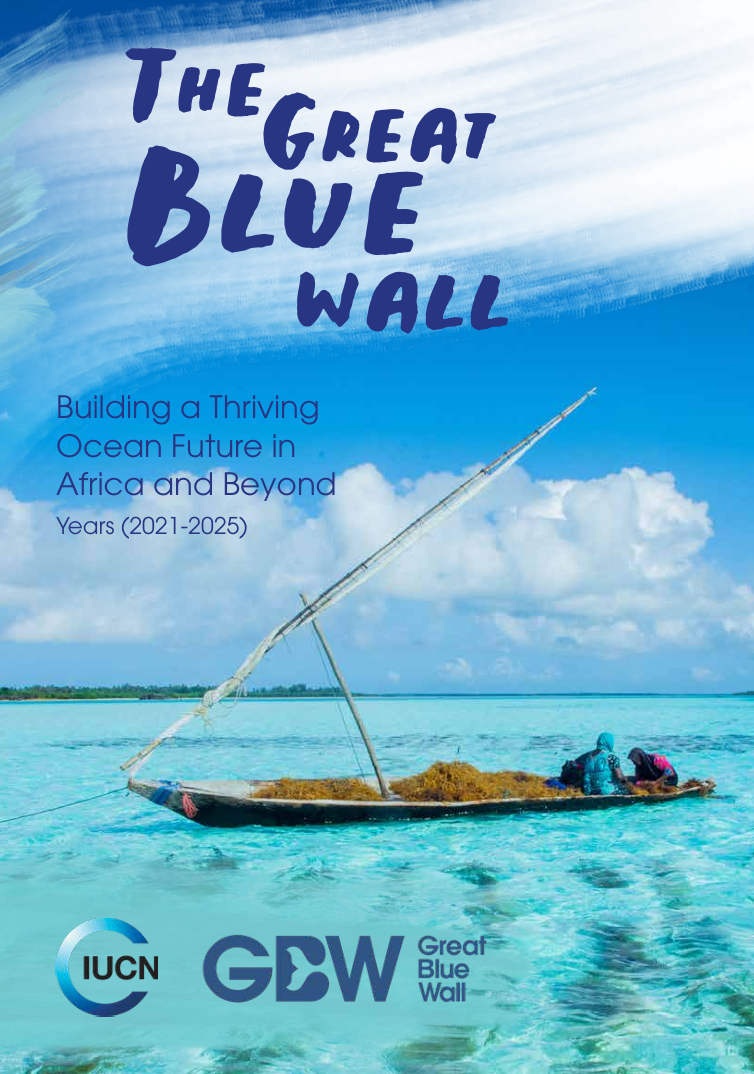
About the Great Blue Wall
The Great Blue Wall is an Africa-born movement working to conserve and regenerate ocean ecosystems while strengthening climate resilience, sustainable livelihoods, and regenerative blue economies across the Western Indian Ocean. Through a network of regenerative seascapes, the initiative brings together governments, communities, Indigenous Peoples and Local Communities, civil society organizations, researchers, youth, and development partners to accelerate action for people and nature.
About IUCN
The International Union for Conservation of Nature (IUCN) is a membership Union uniquely composed of both government and civil society organisations. Created in 1948, IUCN has grown into the world's largest and most diverse environmental network, bringing together more than 1,400 Member organisations and around 17,000 experts. IUCN works to conserve nature and ensure that any use of natural resources is equitable and ecologically sustainable through science, policy, field action, and partnerships.
Media Contact
Ghaamid Abdulbasat
Regional Ocean Communications Officer
IUCN Eastern and Southern Africa Regional Office (ESARO)
[email protected]


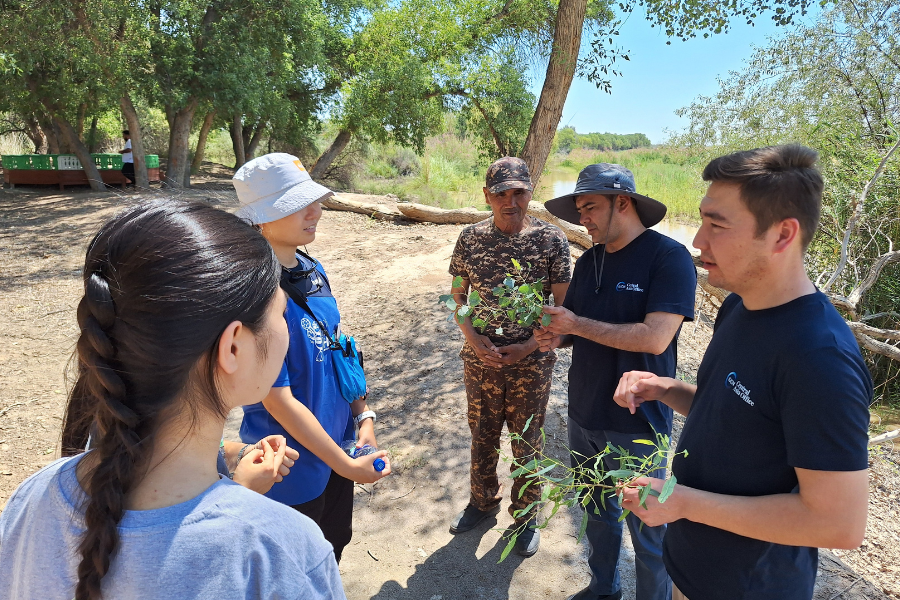
In Kashkadarya, Khorezm and the Republic of Karakalpakstan, local communities are helping turn…
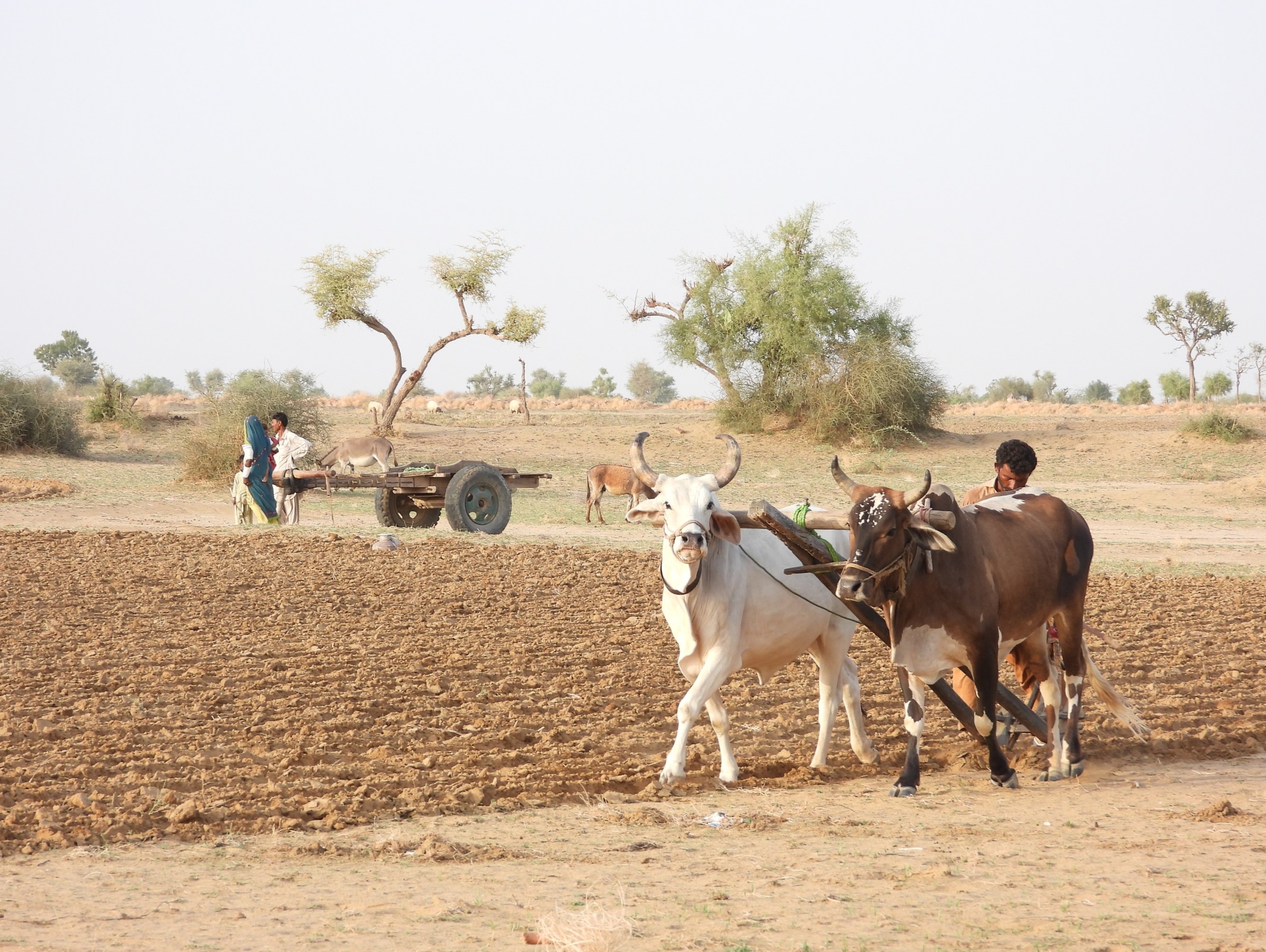
The third in a five-part series, this webinar brought together speakers from across West and…

This week, the Yerevan Municipality hosted the inaugural ceremony marking the establishment of the…