RAS technology brings climate-resilient mud crab farming to the Mekong Delta coast
In coastal communes of Ca Mau Province and Cu Lao Dung, IUCN and its partners have deployed six Recirculating Aquaculture System (RAS) units for mud crab farming, a technology that recycles water within a closed loop, cutting disease risk and freshwater demand while helping households adapt to a coastline increasingly affected by climate change. This is a part of the project “Increasing Coastal Resilience in the Mekong Delta through Mangrove Restoration and Hybrid Nature-based Solutions” implemented by IUCN and funded by The Coca-Cola Foundation (TCCF), which aims to strengthen coastal resilience in the Mekong Delta by combining mangrove restoration and sustainable livelihood using nature-based solutions.
Photo: Technical team from IUCN and Vinh Xanh Company install an RAS unit at a household site in Ca Mau Province in May 2026 © IUCN Viet Nam

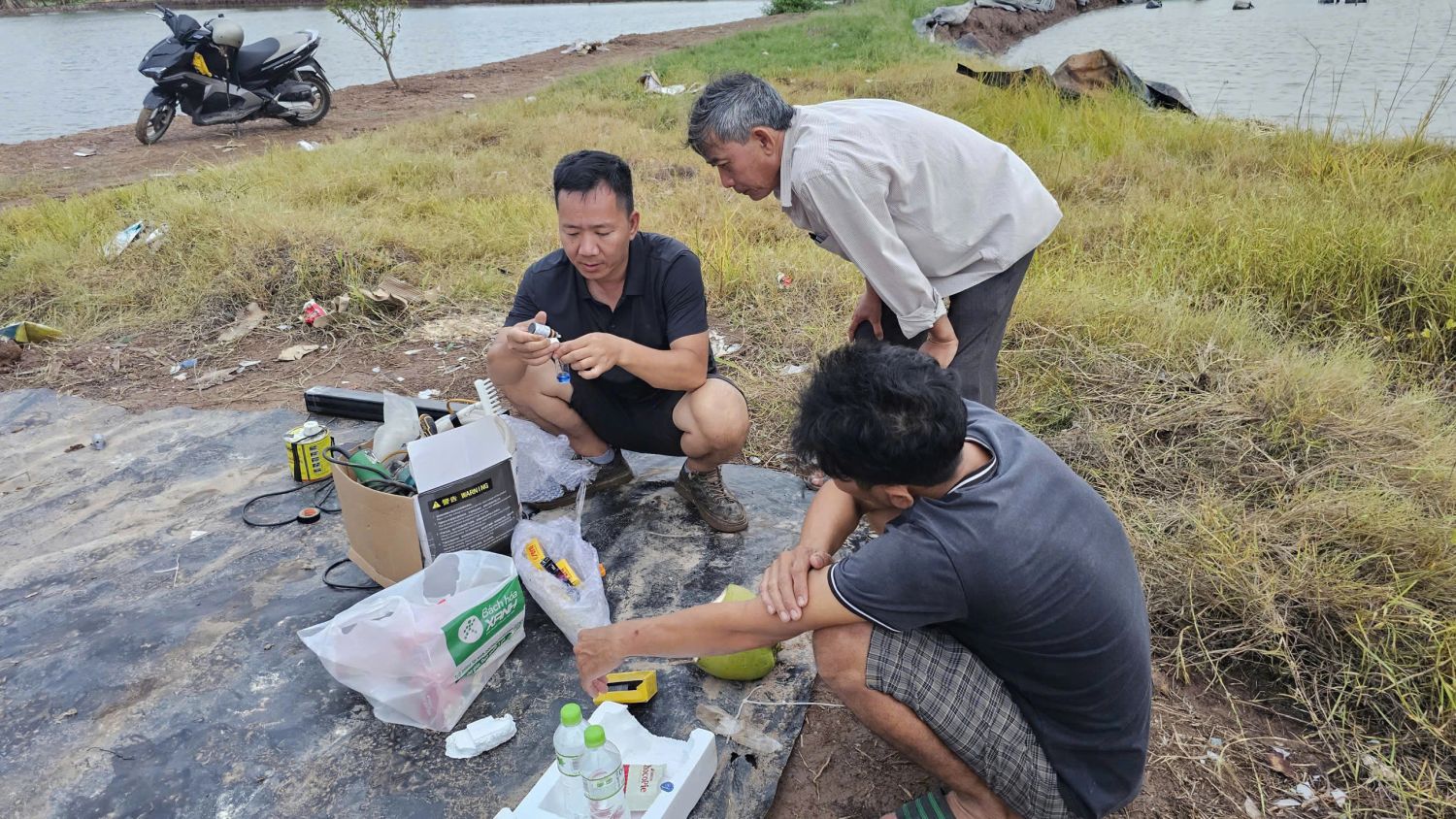
Photo: Households attend the RAS technology transfer training session © IUCN Viet Nam
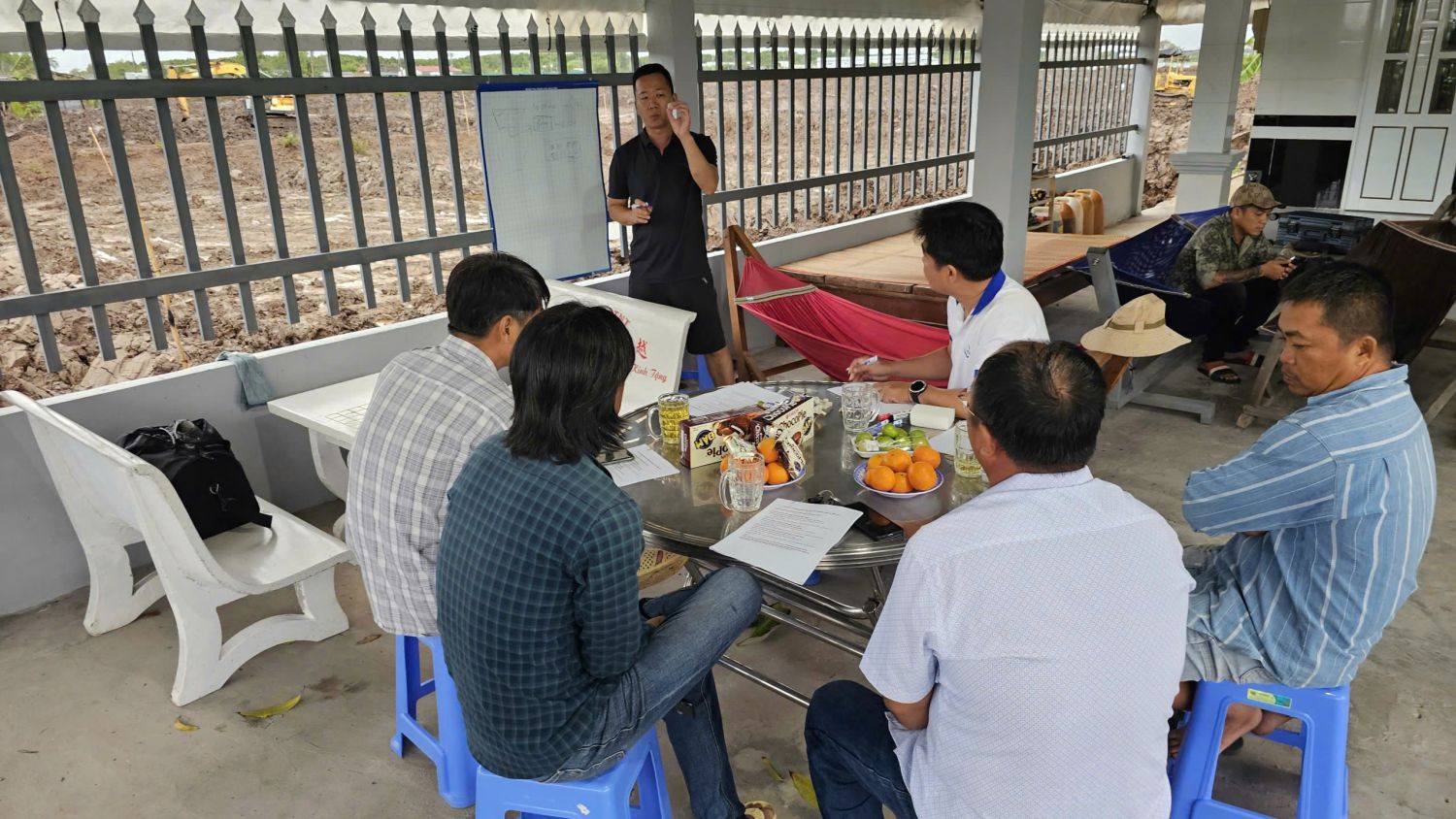
Photo: Individual crab compartments and plumbing components laid out along a pond embankment prior to assembly © IUCN Viet Nam
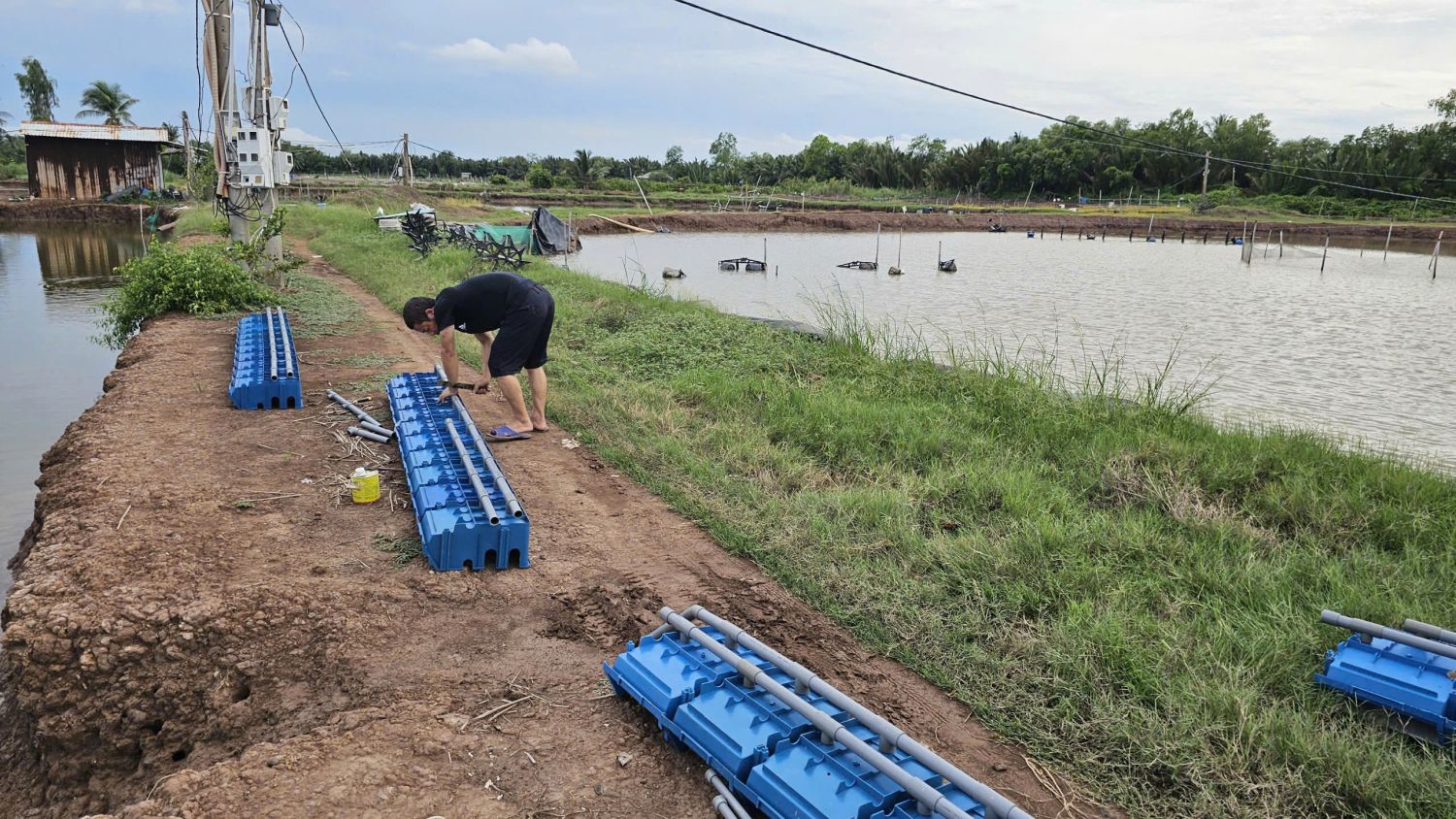
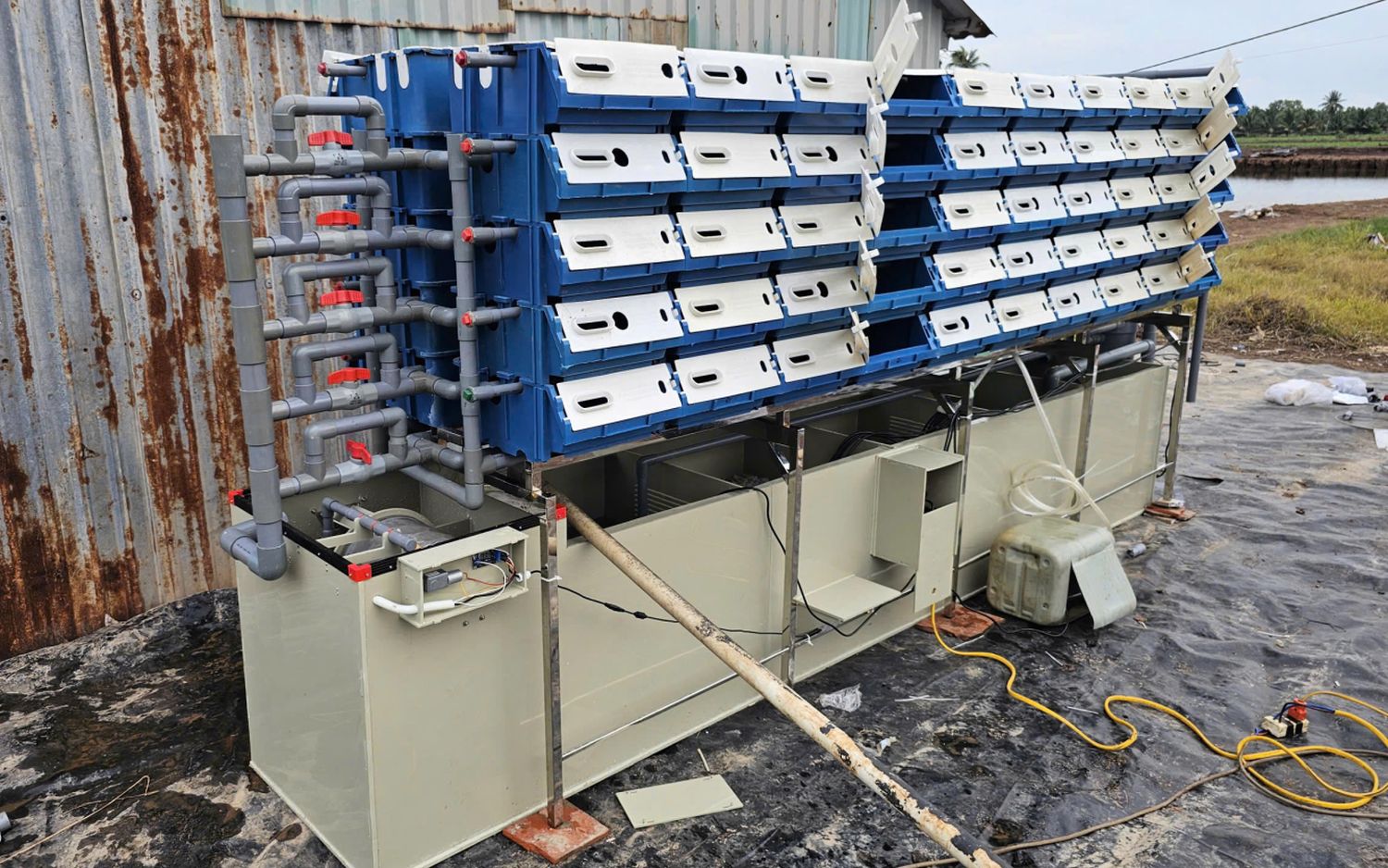
Photo: RAS unit for mud crab farming, ready for commissioning at a household in Ca Mau Province © IUCN Viet Nam
A coast under pressure
The Mekong Delta's approximately 700-km coastline supports one of Southeast Asia's most productive aquaculture sectors—and one of its most climate-exposed. Rising sea surface temperatures, increasingly erratic rainfall, and accelerating saltwater intrusion are compounding chronic pressures on coastal farming systems.
For mud crab (Scylla serrata) farms, this convergence of stressors translates increases biosecurity risk. When pond water is exchanged daily without filtration or treatment, disease outbreaks become more frequent, and the window for crab fattening cycles has narrowed as heat stress reduces feed conversion efficiency and increases mortality.
Traditional extensive and semi-intensive crab farming systems, which rely on tidal flushing as their primary water management mechanism, are ill-equipped to respond to this trajectory. Addressing it requires a different approach that reduces dependence on ambient water quality while maintaining the economic opportunities that coastal smallholders need.
The mangrove connection: RAS within a NbS framework
Through this project, IUCN and partners applied RAS technology. It is embedded within an NbS strategy that recognises the functional interdependence between productive aquaculture systems and the mangrove forests that protect them.
Selecting beneficiary households to join the RAS programme prioritises those already managing mangroves on their land, or have made formal commitments to plant, protect, and restore mangrove cover. This criterion reflects an understanding that mangrove-aquaculture integration operates in both directions: mangroves provide the water filtration, sediment stabilisation, and coastal protection services that reduce environmental stress on pond systems, while sustainably managed aquaculture operations reduce the incentive to clear or degrade mangrove areas for pond expansion.
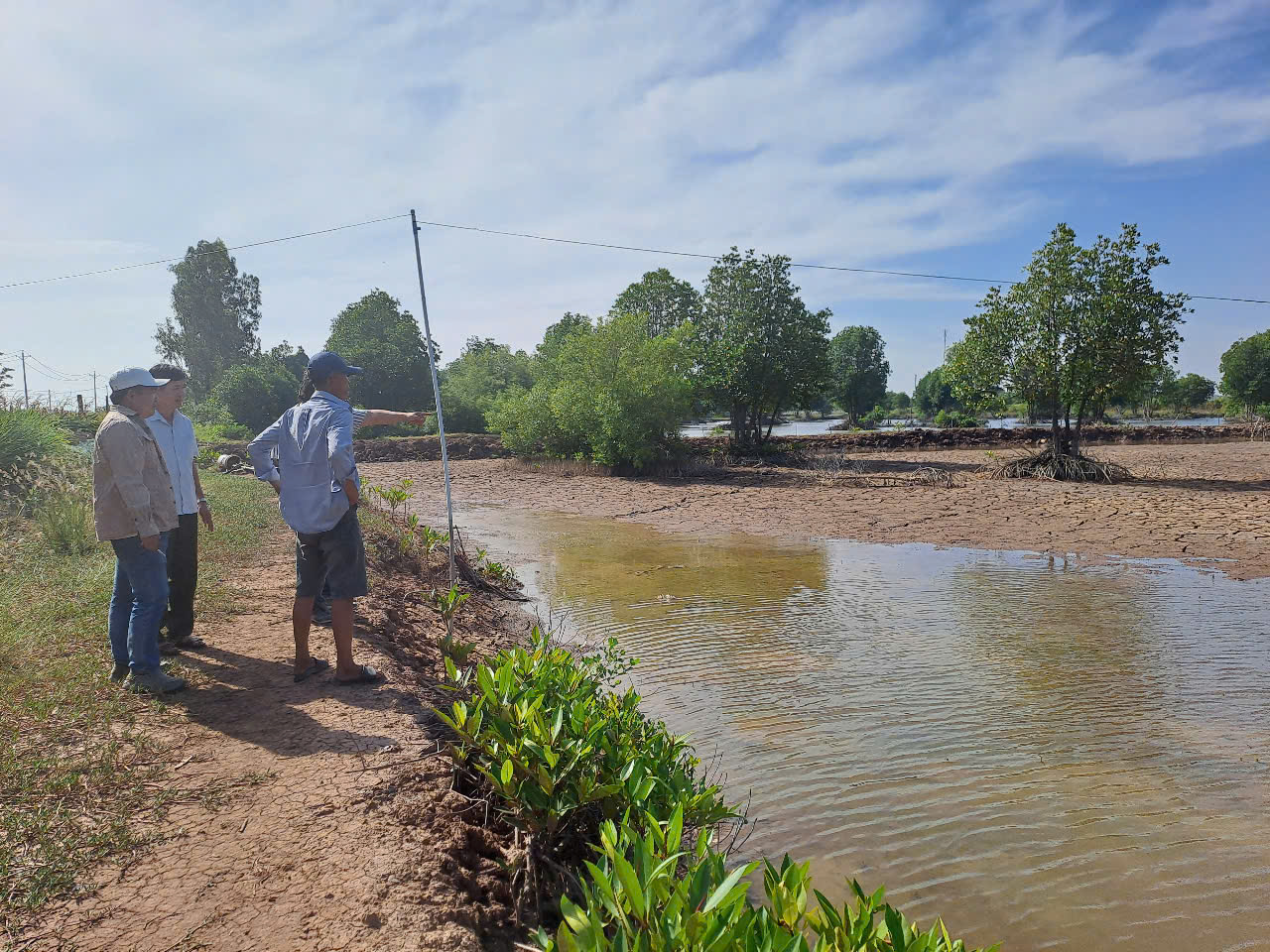
Mangrove root systems and associated microbial communities perform natural water treatment functions (nutrient uptake, organic matter decomposition, and pathogen attenuation) that complement RAS. By reducing the volume of nutrient-rich effluent discharged from crab culture, RAS reduces the organic loading pressure on mangroves and tidal flats.
The RAS model does not replace the ecosystem services that mangroves provide — it reduces the pressure on them, creating space for coastal habitats to recover and regenerate.
This integrated model represents the hybrid NbS as the heart of the TCCF-Coastal Squeeze project approach. Sustainable aquaculture and mangrove conservation are framed not as competing land uses but as mutually reinforcing components of a coherent livelihood and resilience strategy for coastal communities.
How RAS Works: Engineering a closed loop
RAS is a water treatment and reuse technology that continuously processes pond water through a series of mechanical and biological filtration stages before returning it to culture units thereby eliminating or dramatically reducing the need for external water exchange.
RAS deployed under this project have three core treatment stages. Drum filters remove suspended solids and organic particulate matter through mechanical screening. Protein skimmers eliminate dissolved organic compounds to improve water quality. Biological filtration units house nitrifying bacterial communities that convert toxic ammonia (NH₃) into nitrite (NO₂⁻) and then into the less harmful nitrate (NO₃⁻). Together, these three stages maintain stable water chemistry and reduce pathogen load without the need for water exchange.
By eliminating routine water exchange, the RAS model severs the direct pathway through which pathogens and poor-quality canal water enter the culture environment — the single greatest source of disease risk in coastal mud crab farming.
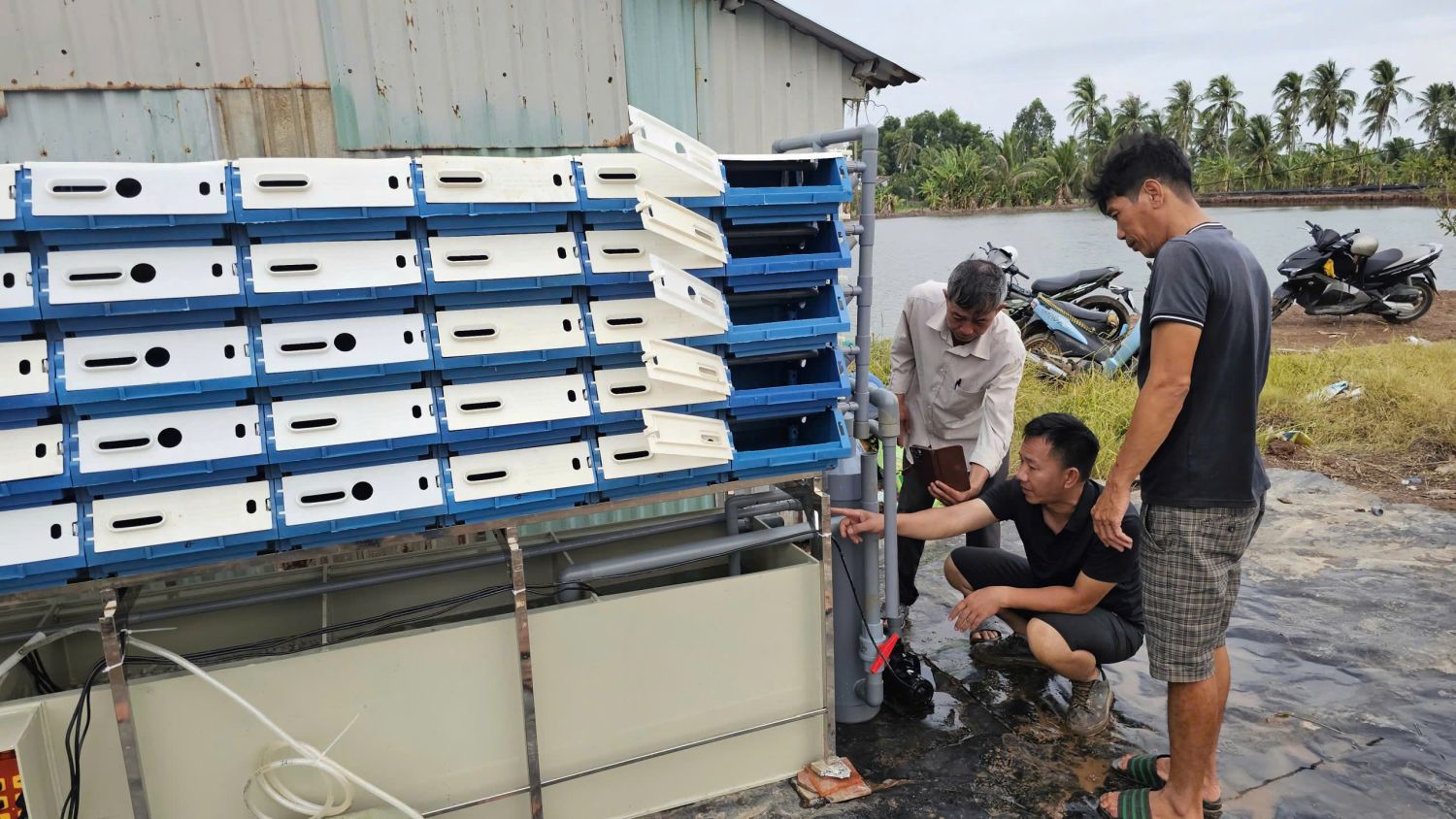
A further design feature distinguishes RAS from communal pond culture: individual compartments. Each crab is housed in a separate rearing unit, eliminating cannibalism, a major source of mortality in high-density mud crab culture, and allowing farmers to monitor individual growth, adjust feeding, and identify health issues before they escalate.
The compartmentalised structure also offers a commercial advantage: farmers can hold animals at market weight and release them selectively when price conditions are favourable, rather than accepting prevailing prices at the end of a fixed fattening cycle. In a market characterised by seasonal price volatility, this flexibility can meaningfully improve profits per cycle.
Installation, technology transfer, and capacity building
On 27-30 May 2026, a team from IUCN and Vinh Xanh Company installed six RAS units in three locations: Vinh Hau and Long Dien Communes in Ca Mau Province, and Cu Lao Dung Commune in Can Tho City. Working directly with households, the team assembled and pressure-tested each system, verified hydraulic connectivity between treatment stages, and ran initial start-up cycles to confirm system stability before handover.
Installation was immediately followed by a 1-day hands-on technology transfer session for participating farmers. The training was designed around operational competency: farmers worked with the equipment directly, learning to operate and adjust each system component while trainers guided them through normal operating conditions and common fault scenarios.
The training covered the operating principles of the three filtration stages; interpretation of water quality test results for pH, total alkalinity, total hardness, and NH₃ concentration; recognition of early warning indicators and the corresponding corrective actions; and routine maintenance procedures including filter cleaning cycles, media inspection, and pump maintenance.
Water quality monitoring was focused. Participants conducted hands-on test kit reading during the session and read results against target parameters for mud crab culture. The ability to monitor and respond to water chemistry independently was identified as a core competency for sustainable system operation at the household level.
The installation in May 2026 represents the first full deployment cycle of RAS technology under the project. IUCN and Vinh Xanh Company will provide ongoing technical support to households, monitor system performance and water quality parameters, and document production outcomes including crab survival rates, growth performance, and fattening cycle economics.
Lessons learned from this pilot including system design adaptation for smallholder conditions, training methodology, and the integration of RAS with mangrove management will inform the development of scalable, replicable livelihood models for coastal communities in the Mekong Delta. The project shows that technology-enabled aquaculture intensification and coastal ecosystem conservation are not only compatible but can be mutually reinforcing pathways toward long-term community resilience in the coastal landscape.
Project at a Glance • Project: Increasing Coastal Resilience in the Mekong Delta through Mangrove Restoration and Hybrid Nature-based Solutions (TCCF-Coastal) • Funder: The Coca-Cola Foundation (TCCF) • Implementing organisation: IUCN Vietnam • Technology partner: Vinh Xanh Company • Activity period: 27–30 May 2026 • Locations: Vinh Hau Commune and Long Dien Commune (Ca Mau Province); Cu Lao Dung Commune (Can Tho City) • RAS units deployed: 6 • Beneficiary households: 6 |

The Bangladesh Forest Department (BFD) and IUCN Bangladesh, with support from Agence Française de…

Each year, International Women's Day is an opportunity to recognise the women advancing change in…

On 14 January 2026, in Dhaka, the Bangladesh Forest Department and IUCN Bangladesh formally signed…