Adaptive and Inclusive Pathways to Strengthen Water Cooperation
Cooperation is a key principle to ensure the effective governance and conservation of the world´s shared freshwater ecosystems. These include nearly 313 river and lake basins, more than 400 aquifers and almost 300 wetlands. These ecosystems are inherently complex and dynamic. Thus, dialogue, consensus building and agreements between States are required to ensure peaceful relations and mutual benefits.
Considering that shared water ecosystems are affected by a range of pressures including climate change, pollution, biodiversity loss, population growth and unsustainable economic development, their management and governance cannot be tackled by States only.
Moreover, decision making over shared freshwater resources needs to consider the interests, needs and priorities of key stakeholders including States, international organisations, NGOs, private sector, academia, local communities and indigenous peoples. Effective management and governance of these ecosystems require cooperation mechanisms that introduce holistic, inclusive, informed and innovative approaches that can ensure the integrity of nature, the protection of human rights, the achievement of sustainable development and the promotion of peace and regional integration.
Despite the widespread recognition of water cooperation’s importance, a critical question remains:
Are water agreements and other arrangements advancing at a sufficient pace to effectively address the complex and dynamic challenges affecting shared freshwater ecosystems?
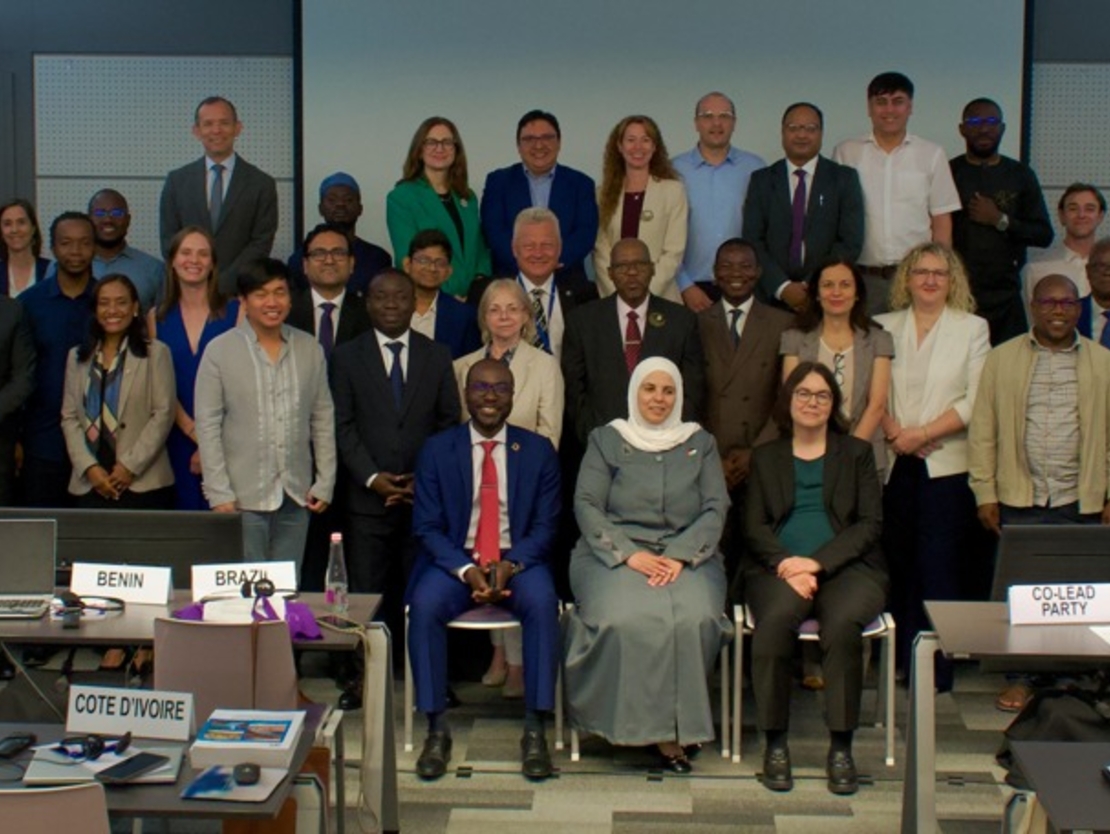
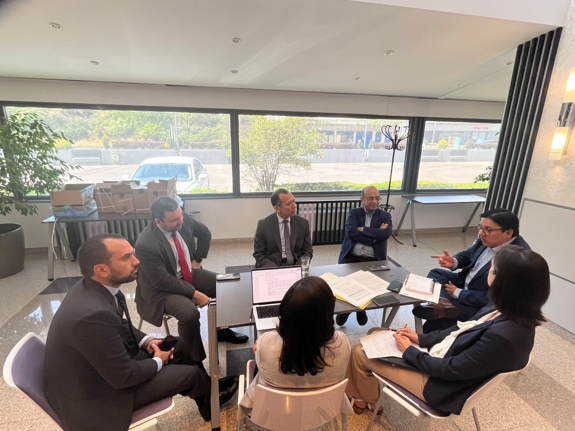
This is one of the key questions that emerged from the Global Workshop on Developing, Revising and Revitalising Agreements or Other Arrangements for Transboundary Water Cooperation held from 22 to 23 June in Budapest Hungary, convened under the auspices of Hungary and Germany with the support of the Secretariat of the UNECE Water Convention and partners including GEF IW-LEARN, Geneva Water Hub/University of Geneva, Global Water Partnership (GWP), International Water Management Institute (IWMI), Northumbria University, IHE-Delft, World Bank (WB) and IUCN.
An attempt to answer this question lies on the need to strengthen water cooperation for a changing world, efforts to do so include the negotiation of more flexible and inclusive agreements, the establishment of solid and coordinated institutions as well as strengthening data and information exchange on the status of shared freshwater ecosystems to secure multiple benefits for both nature and people.
IUCN through BRIDGE is proud of having supported key recent negotiation processes including the 2023 Ecuador – Peru Binational Commission Regulation and the 2023 Zimbabwe – Mozambique BuPuSa Commission.
We continue assisting States, NGOs, local governments, communities, and indigenous peoples to strengthen their water governance capacities to effectively protect shared freshwater ecosystems.
For more info: Practical Guide for the Development of Agreements or Other Arrangements for Transboundary Water Cooperation, UNECE, 2021: https://unece.org/sites/default/files/2021-11/ece_mp.wat_68_eng.pdf


The Bangladesh Forest Department (BFD) and IUCN Bangladesh, with support from Agence Française de…

Each year, International Women's Day is an opportunity to recognise the women advancing change in…

On 14 January 2026, in Dhaka, the Bangladesh Forest Department and IUCN Bangladesh formally signed…