News 21 Jul, 2026

North East Unguja Seascape multi-stakeholders forum launched to support coastal and ocean resilience in Zanzibar

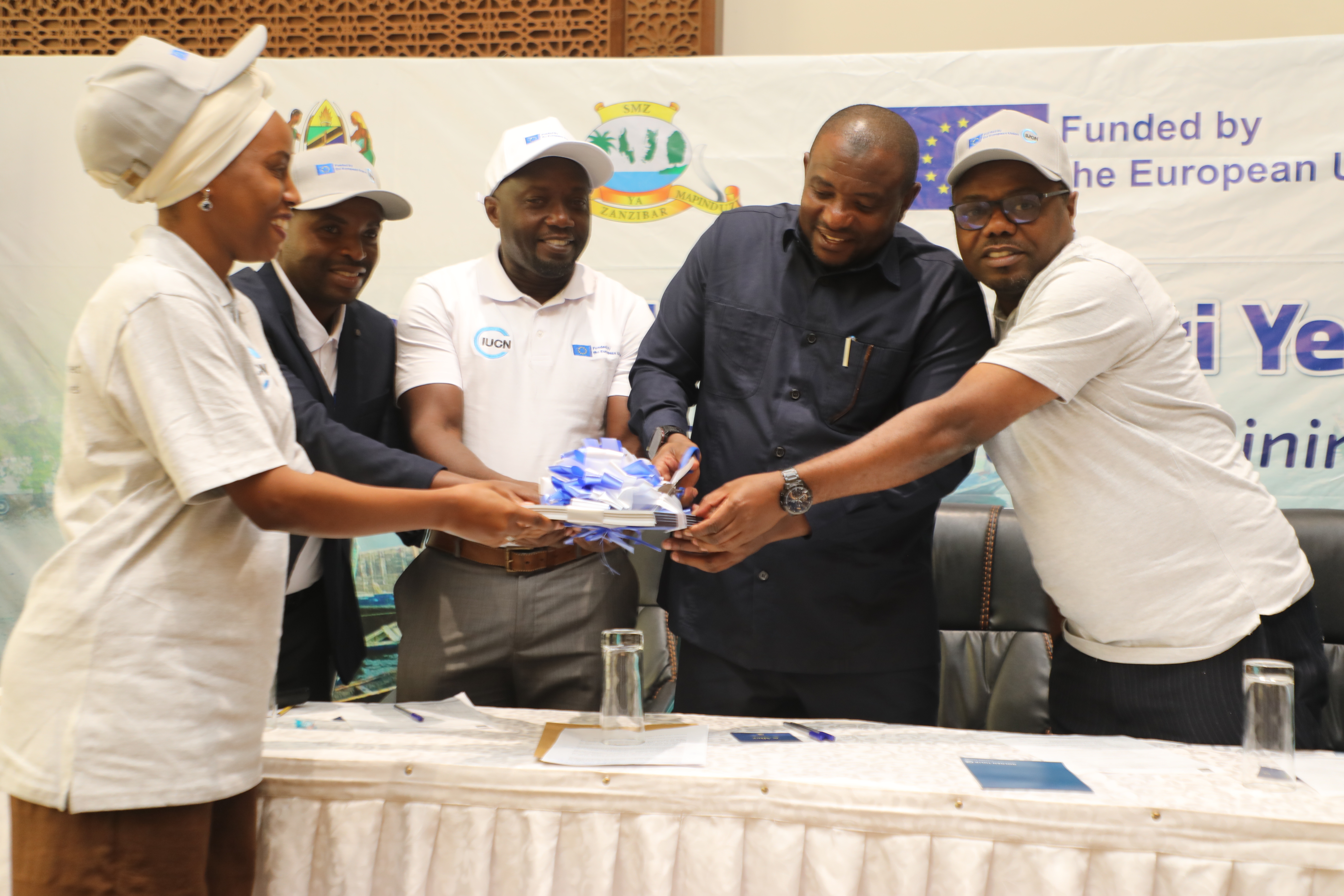
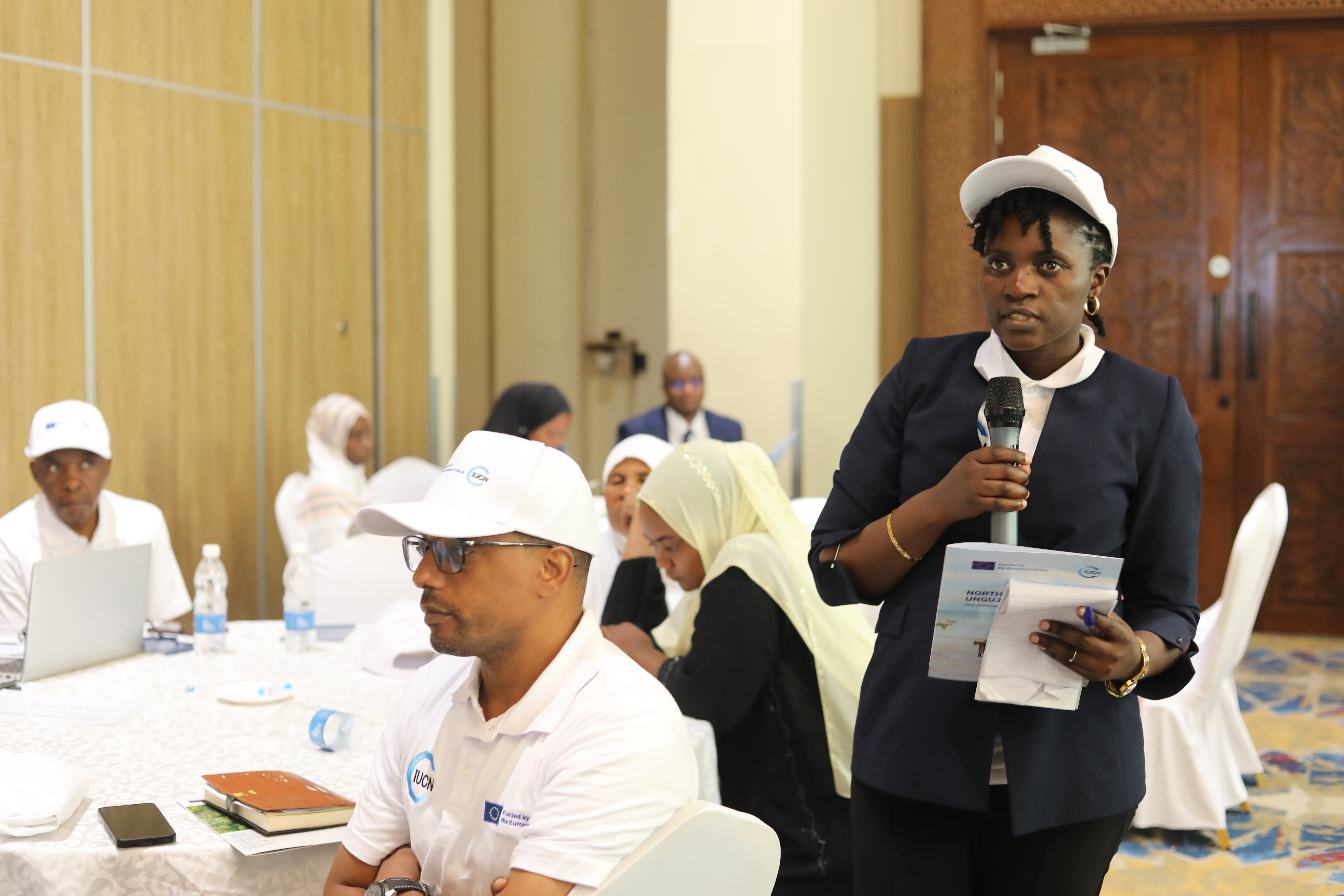
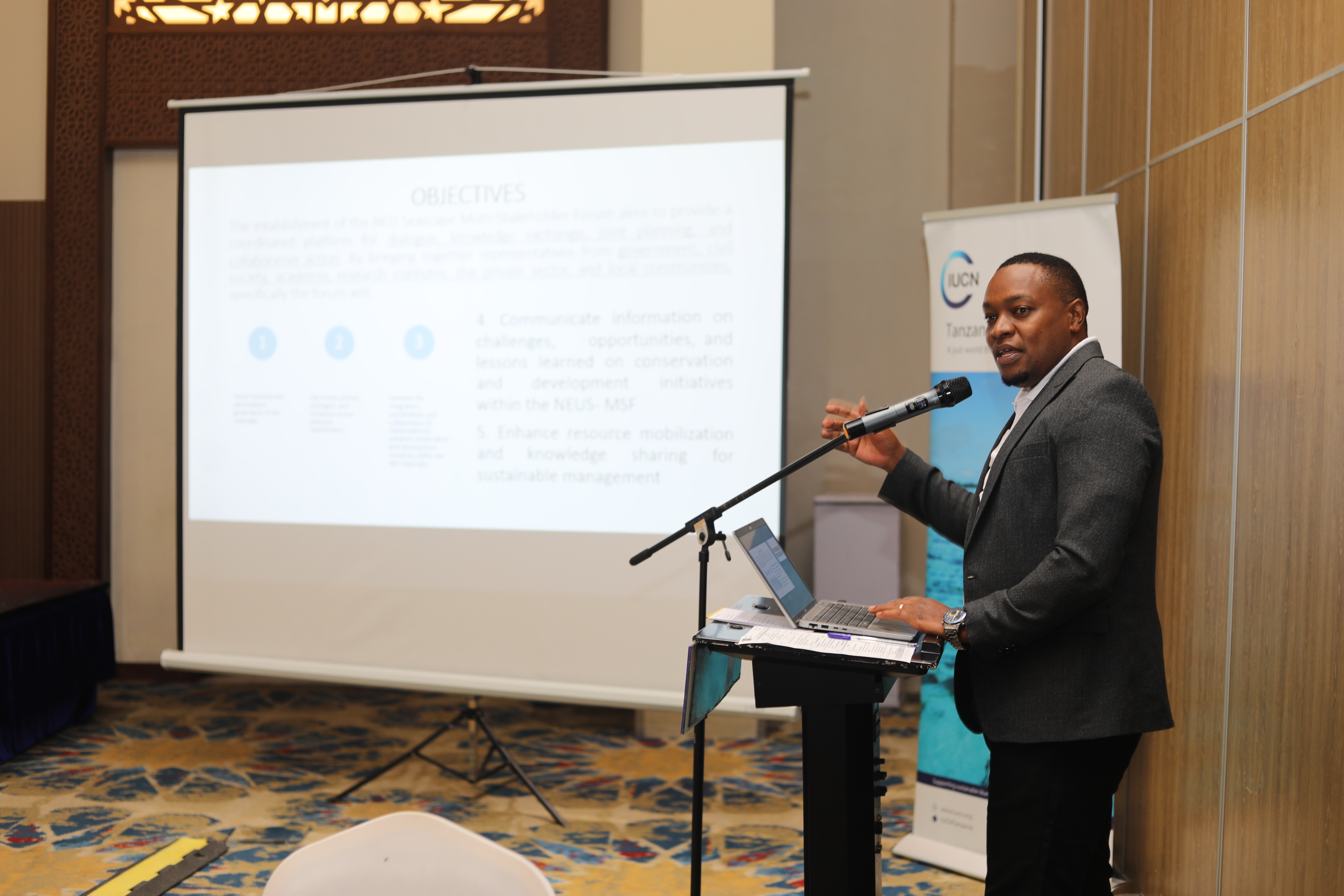
Unguja, Zanzibar, 16 July 2026 – Stakeholders from government, coastal communities, civil society, academia, the private sector and development partners have launched the Northeast Unguja Seascape Multi-Stakeholder Forum (NEUS-MSF), establishing a coordinated platform to strengthen the governance of one of Zanzibar's most ecologically and economically significant marine landscapes.

The forum was officially launched by the Ministry of Blue Economy and Fisheries through the Deputy Permanent Secretary who was represented by the officer in charge for Pemba. The launch marks a major milestone in advancing collaborative marine conservation and sustainable blue economy development under the European Union-funded Bahari Yetu Project, implemented by IUCN and partners.

The Northeast Unguja Seascape encompasses an interconnected network of coral reefs, mangrove forests, seagrass meadows, lagoons and coastal habitats that support rich marine biodiversity, fisheries, tourism and the livelihoods of thousands of coastal residents. The seascape links the Tumbatu Marine Conservation Area (TUMCA), the Mnemba Island Marine Conservation Area (MIMCA), Jozani-Chwaka Bay National Park, Kiwengwa Controlled Area and locally managed marine areas, where ecological processes, marine species, tourism and fishing activities transcend administrative boundaries and require coordinated management.

Despite its ecological importance, the seascape faces increasing pressure from habitat degradation, destructive and unsustainable fishing practices, climate change, coral bleaching, competing resource uses and fragmented management approaches. The establishment of the Multi-Stakeholder Forum responds to these challenges by creating a permanent platform for dialogue, joint planning, knowledge sharing and coordinated action among the institutions and communities responsible for conserving and sustainably managing the seascape.

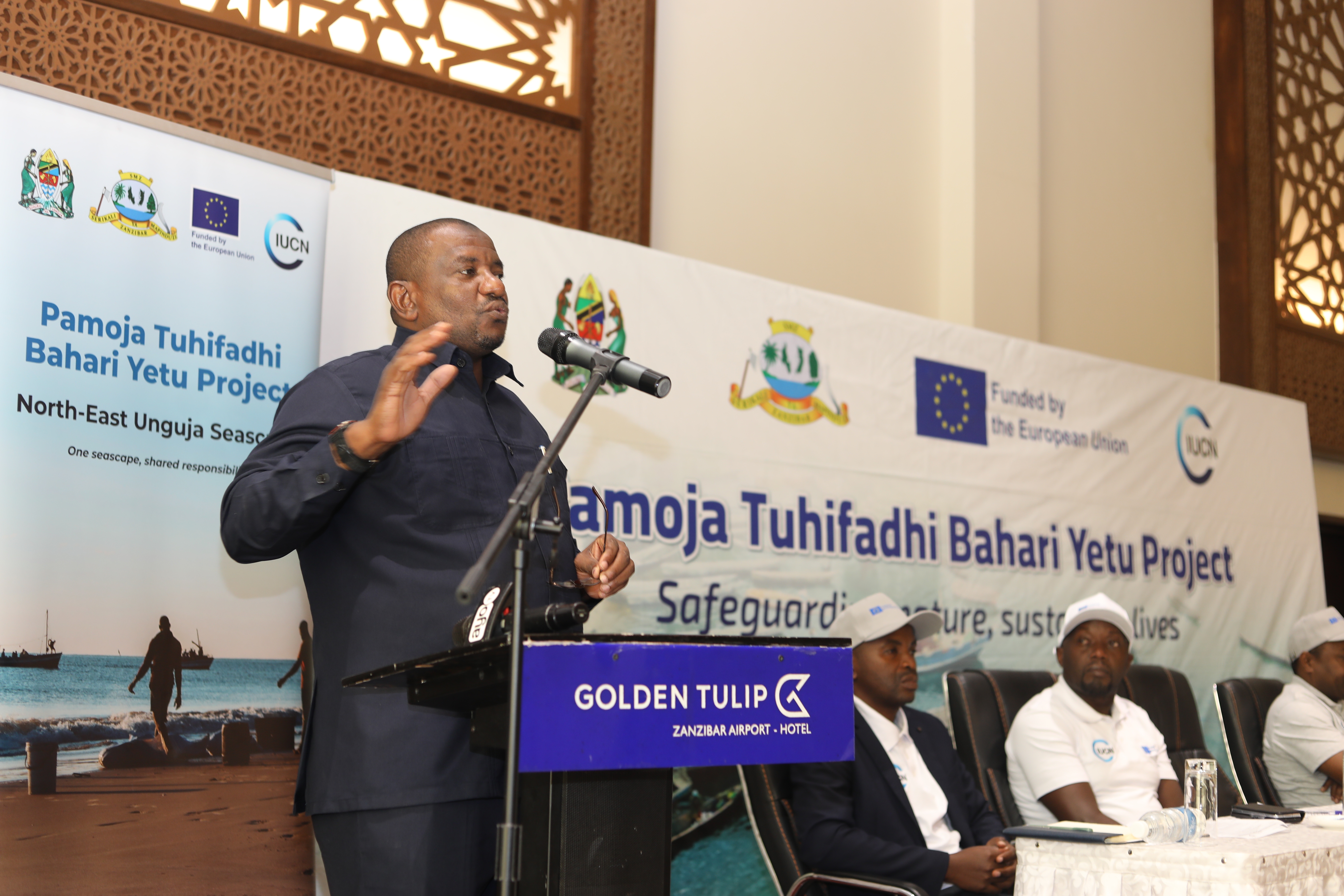
Speaking during the launch, Dr. Hamza Salim, Officer in Charge for Pemba in the Ministry of Blue Economy and Fisheries, said the Forum reflects Zanzibar's commitment to strengthening partnerships for sustainable ocean governance.

"The launch of this forum demonstrates our commitment to strengthening collaboration by bringing together the knowledge, resources and expertise of all stakeholders within one coordinated framework. Working together, Zanzibar can become a model for sustainable marine governance and blue economy development in Tanzania and across the Western Indian Ocean."

He noted that the Forum will improve coordination among institutions while complementing, rather than replacing, existing governance structures responsible for marine conservation and fisheries management.

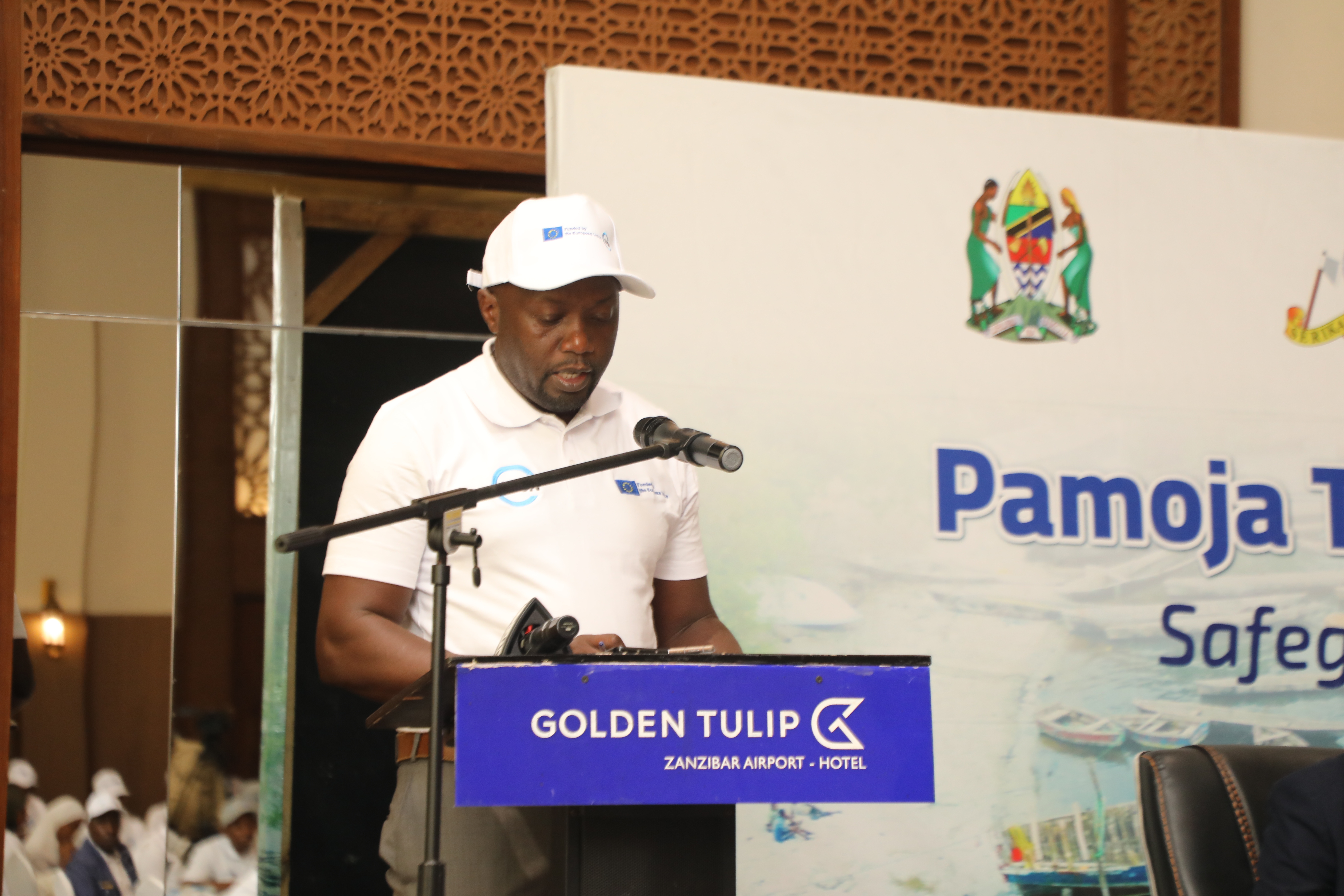
Representing Bahari Yetu Project from IUCN, Dr Mathias Igulu, the project's Chief of Party, said the Forum is the culmination of an extensive participatory process involving government institutions, marine conservation authorities, research institutions, civil society organisations, community representatives and the private sector.

"Today is not simply about launching a forum. It is about launching a new partnership to protect Zanzibar's shared marine heritage while ensuring that its benefits contribute to sustainable development for present and future generations."

He explained that the initiative was informed by a shared recognition that while many organisations were working towards common conservation objectives, stronger coordination was needed to maximise collective impact.

"The question guiding this process was simple," he said. "How can we bring together the efforts of different stakeholders to ensure that Zanzibar's marine and coastal ecosystems are protected while continuing to support the people whose livelihoods depend on them? The Forum is our answer to that question."

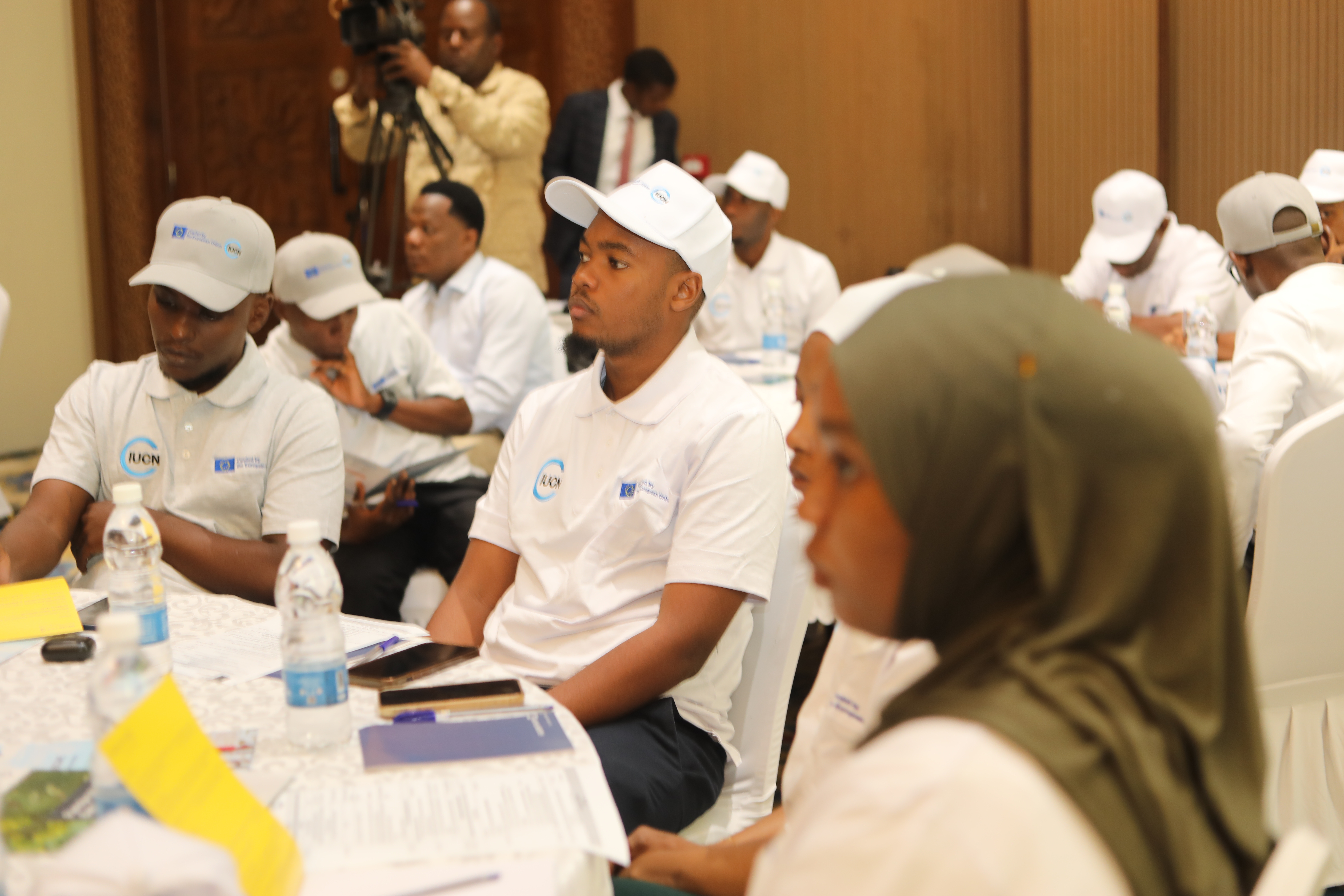
The Northeast Unguja Seascape Multi-Stakeholder Forum brings together government agencies, local communities, civil society organisations, research institutions, academia, tourism operators and development partners to strengthen ecosystem-based management, improve stakeholder coordination and support evidence-based decision-making. The platform is expected to enhance conservation of coral reefs, mangrove forests and seagrass ecosystems while promoting sustainable fisheries, resilient livelihoods and responsible tourism across the seascape.

Speaking on behalf of the Interim Committee, Dr Makame Omar, Director of the Department of Marine Conservation, described the Forum as an important step towards strengthening collective stewardship of Zanzibar's shared marine resources.

"No institution, sector or community can address these challenges alone. Successful conservation and sustainable use of marine resources require genuine collaboration, a shared vision and collective responsibility."

He added that the Forum provides an inclusive mechanism through which all stakeholders can contribute to shaping the future of the Northeast Unguja Seascape while ensuring that conservation efforts generate lasting social, economic and environmental benefits.

The launch of the Forum builds on months of stakeholder consultations and collaborative planning undertaken through the Bahari Yetu Project. As the Forum begins its work, it is expected to strengthen partnerships, harmonise conservation efforts and support a resilient blue economy that safeguards the Northeast Unguja Seascape for current and future generations.


About the Bahari Yetu Project

The Pamoja Tuhifadhi Bahari Yetu (Bahari Yetu) Project is funded by the European Union and implemented by IUCN as the lead implementing agency together with partners The Nature Conservancy(TNC), WWF, FORUM CC and WCS. Implemented in The project supports improved marine governance, conservation of coastal forests, reduction of marine plastic pollution, strengthened environmental research and data systems, and enhanced resilience of coastal communities across Tanzania.


For more information please contact:

Catherine Kayombo, 
Communication and Membership Officer, IUCN Tanzania
[email protected]


Remmy Lema, 
Senior Program Officer – Bahari Yetu Project, IUCN Tanzania
[email protected]


Dr. Mathias Igulu, 
Chief of Party Bahari Yetu Project, IUCN Tanzania
[email protected]


About IUCN

IUCN is a membership Union uniquely composed of both government and civil society organisations. It provides public, private and non-governmental organisations with the knowledge and tools that enable human progress, economic development and nature conservation to take place together.

Created in 1948, IUCN is now the world’s largest and most diverse environmental network, harnessing the knowledge, resources and reach of more than 1,400 Member organisations and around 15,000 experts. It is a leading provider of conservation data, assessments and analysis. Its broad membership enables IUCN to fill the role of incubator and trusted repository of best practices, tools and international standards.

IUCN provides a neutral space in which diverse stakeholders including governments, NGOs, scientists, businesses, local communities, indigenous peoples organisations and others can work together to forge and implement solutions to environmental challenges and achieve sustainable development.

Working with many partners and supporters, IUCN implements a large and diverse portfolio of conservation projects worldwide. Combining the latest science with the traditional knowledge of local communities, these projects work to reverse habitat loss, restore ecosystems and improve people’s well-being.

www.iucn.org https://x.com/iucntanzania https://instagram.com/iucntanzania