Novel partnerships to advance rights-based conservation: IUCN, Yale University and Indigenous Peoples’ organizations launch Intercultural Training Programme
Supported by Sweden and the European Union, the initiative aims at strengthening the capacities of Indigenous leaders in territorial governance and rights-based conservation across Latin America.
Photo: ELTI
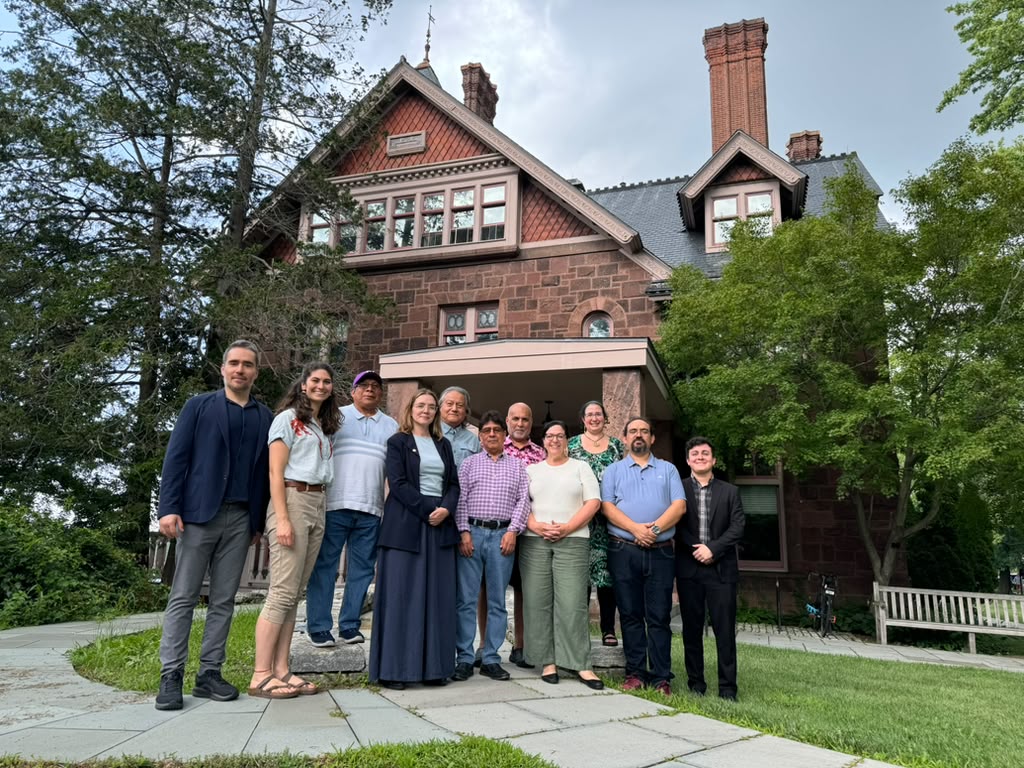
Photo: @Martin Kingman/IUCN
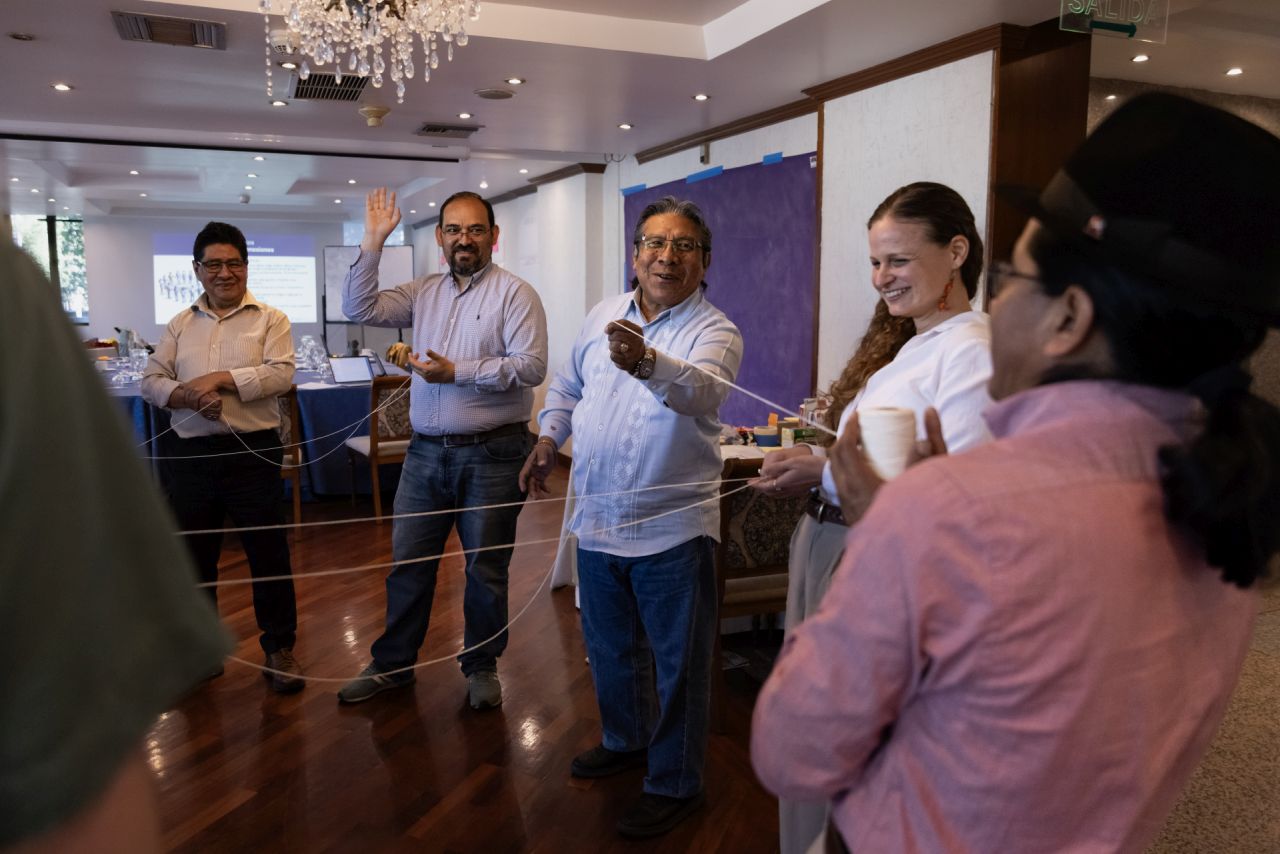
Photo: @Martin Kingman/IUCN
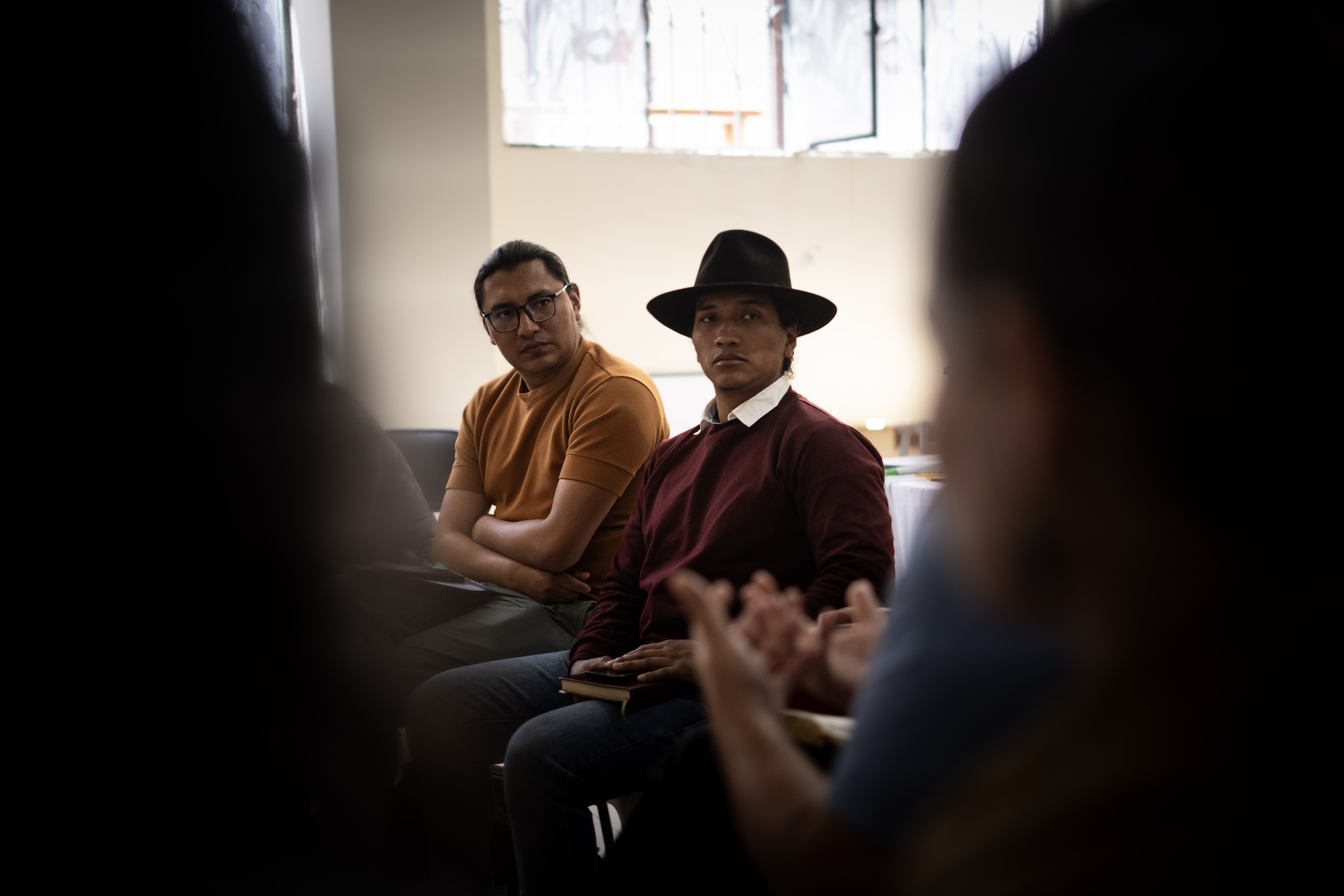
Photo: @Martin Kingman/IUCN
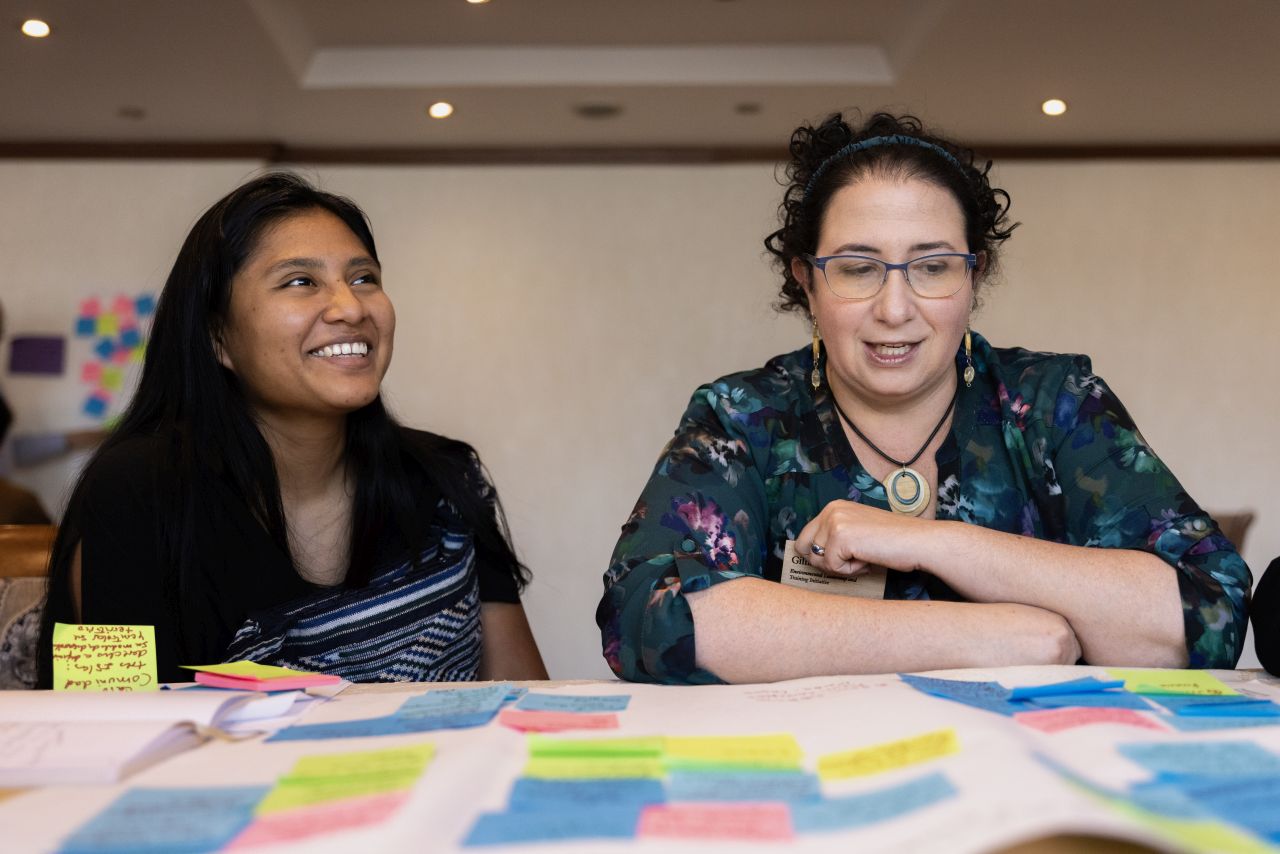
Photo: @Martin Kingman/IUCN
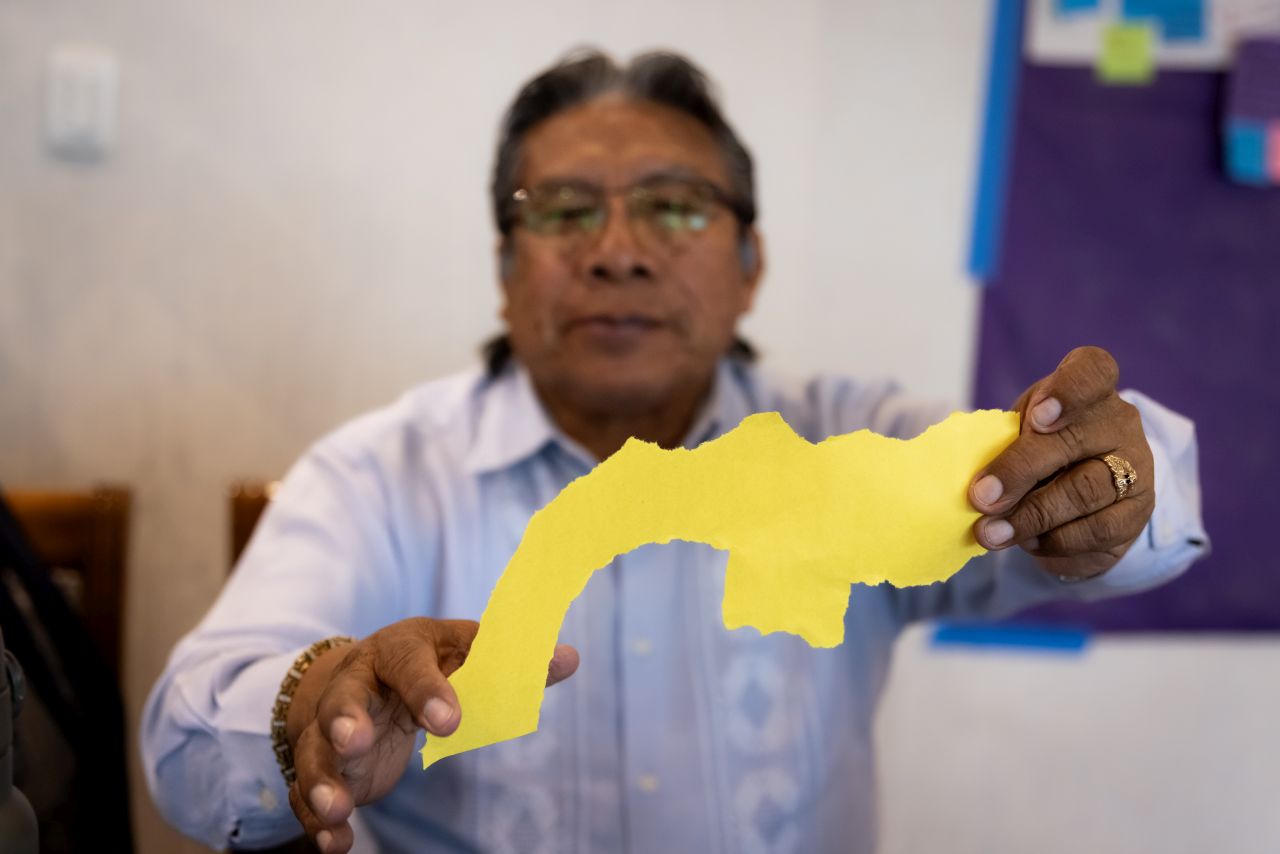
Photo: @Martin Kingman/IUCN
New Haven, Connecticut, United States, 22 July 2026. Yale University, the International Union for Conservation of Nature (IUCN), and representatives of Indigenous Peoples' organizations from Latin America have officially launched the Intercultural Training Programme on Rights-Based Conservation, an innovative initiative designed to strengthen Indigenous leadership and advance territorial governance and rights-based conservation across the region.
The programme is developed by Yale University through its Environmental Leadership & Training Initiative (ELTI) and the Yale Center for Environmental Justice (YCEJ), in partnership with IUCN and representatives of Indigenous organizations from Latin America. It is financially supported by the Swedish International Development Cooperation Agency (Sida) and the European Union.
A programme built through partnership and dialogue
As biodiversity loss accelerates, climate change impacts intensify, and the need for environmental justice grows, addressing the planet’s complex environmental challenges requires bringing together diverse knowledge systems and forms of expertise, while ensuring that solutions are grounded in science, rights, and the lived experiences of those who have long protected and governed their territories.
“For IUCN, this is what rights-based conservation means. It is not simply a technical approach; it is a way of working that recognizes science and Indigenous knowledge as complementary, values territorial governance alongside innovation, and understands that environmental justice is fundamental to conservation that is both effective and enduring”, stated Úrsula Parrilla, IUCN Director for Mexico, Central America and the Caribbean.
Guided by this shared vision, the programme was developed through a comprehensive co-design process that included a regional needs assessment, the establishment of an Advisory Committee composed of Indigenous leaders and academic experts, and a Co-Creation Workshop held in Quito, Ecuador, to validate the curriculum, methodology and overall programme structure.
Through the collaboration between Yale University, IUCN and Indigenous organizations, the programme creates a space for mutual learning, where academic excellence, scientific knowledge and Indigenous perspectives come together to shape new models for rights-based conservation.
A learning model grounded in practice, peer exchange and collaboration
Built on a peer-to-peer learning approach and a case study-based methodology, the programme will enable participants to exchange experiences and explore practical solutions to shared challenges related to territorial governance, the exercise of Indigenous Peoples' rights, and biodiversity conservation.
By combining academic excellence with place-based learning, the programme will equip participants with practical knowledge and tools that can be applied directly within their territories and communities.
Beyond its academic objectives, the programme seeks to establish a regional network of Indigenous leaders committed to territorial stewardship and rights-based conservation, while laying the foundations for the creation of an Intercultural Training Centre that will serve as a long-term platform for collaboration and knowledge exchange across Latin America.
"There are many programmes directed at Indigenous Peoples, but they're designed from the outside. This programme is different because it will strengthen the rights of Indigenous Peoples by providing legal, academic and political knowledge grounded in our rights and our territories", stated Onel Masardule, IUCN Indigenous Councillor.
Programme rollout: the first two cohorts
The first cohort will bring together 25 Indigenous women and men leaders from Bolivia, Colombia, Ecuador, Guatemala, Honduras, Panama and Peru. Participants will complete a hybrid learning programme that will combine an immersive in-person experience with virtual learning and applied community-based work.
The in-person component will take place from 5 to 12 August 2026 in Quito and in the territory of the Kichwa People of Sarayaku, Ecuador. Through an immersive learning experience, participants will explore key topics including territorial governance, rights-based conservation, Free, Prior and Informed Consent (FPIC), and Indigenous diplomacy.
The virtual component, taking place from September to December 2026, will include ten specialized modules covering topics such as territorial rights and jurisprudence, Indigenous territorial management practices, territorial monitoring and governance, restoration, resilience, and the contributions of Indigenous Peoples to climate action, among others.
The programme will culminate with the development and implementation of an applied project carried out in collaboration with each participant's community or organization.
A second cohort is planned for January to June 2027, providing virtual training for 80 Indigenous participants from across Latin America.
All participants will receive a certificate of completion for the 120-hour programme, endorsed by the Yale School of the Environment.

In Kashkadarya, Khorezm and the Republic of Karakalpakstan, local communities are helping turn…
The third in a five-part series, this webinar brought together speakers from across West and…

This week, the Yerevan Municipality hosted the inaugural ceremony marking the establishment of the…