Dr. Juli Caujapé-Castells is the director of the Jardín Botánico “Viera y Clavijo”-Unidad Asociada al CSIC, a research division of the Cabildo de Gran Canaria devoted to the conservation of the ...
IUCN COMMISSION GROUP
IUCN SSC Macaronesian Islands Plant Specialist Group
Group leadership
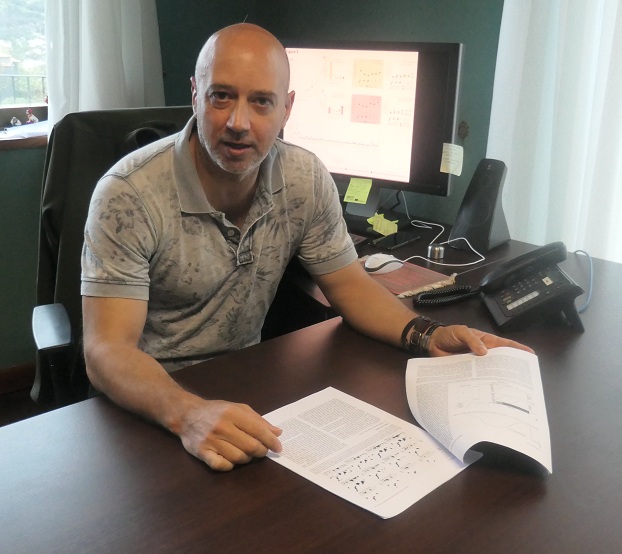
Dr Juli CAUJAPÉ-CASTELLS
Co-Chair
Dr. Juli Caujapé-Castells is the director of the Jardín Botánico “Viera y Clavijo”-Unidad Asociada al CSIC, a research division of the Cabildo de Gran Canaria devoted to the conservation of the Canarian and Macaronesian terrestrial floras through the knwoledge furnished by multi-disciplinary science. With a strong background in conservation genetics and molecular phylogenetics, he is also the Scientific Head of the Department of Molcular Biodiversity and DNA Bank at this institution. His research group uses the information contained in the molecule of DNA in an inter-disciplinary and creative context to investigate problems related to the floras from Macaronesia and other insular enclaves. Throughout his scientific career, he has published numerous papers on plant conservation genetics, phylogeny, phylogeography, and bioinformatics, he directed 5 PhD theses, he collaborates actively with more than 20 international research institutions, and he has led 21 research projects focused on insular floras, most of them international. The problems of his utmost interest are: 1. To better understand the origins, relationships, post-colonizing evolution, diversity, bio-geographic links and conservation of the current Canarian flora. 2. To integrate DNA banking and molecular data in multi-disciplinary approaches to taxonomy. 3. To help formulate conservation objectives for insular plant endemics worldwide, fostering pattern generalization beyond single cases. 4. To promote public awareness of biodiversity research & education developed in Botanic Gardens. 5. To facilitate the storage, analysis and meta-analysis of any kind of genetic diversity data.
Dr Carlos LOBO
Co-Chair
More about the Specialist Group
Due to the Macaronesians' two main weaknesses, the region lacks laws and enforcement and there is a lack of education and awareness. Our goal is to promote public outreach activities and meetings with political actors. This will enable us to apply scientific findings to improve and enforce existing laws relating to natural resources.
As a result, we intend to have completed assessments for all Azorean endemic species in order to provide stakeholders with a tool ...

Specialist Group work
We envision having accomplished several public outreach activities. We also aim to have completed assessments for all Azorean endemic species, in order to provide environmental government stakeholders with a tool to implement conservation actions in the archipelago.
MIPSG on the IUCN Red List

Complete and publish new Red List assessments of Macaronesian plants on the IUCN Red List of Threatened Species website.
MIPSG Annual Report
Learn about MIPSG’s work and results in 2023.
Previous reports:
MIPSG Annual Report 2022
MIPSG Annual Report 2021
MIPSG Annual Report 2018
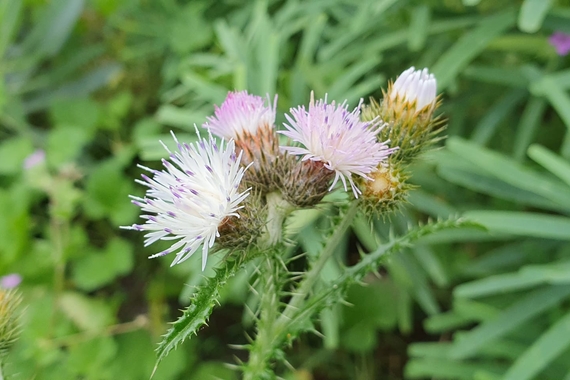
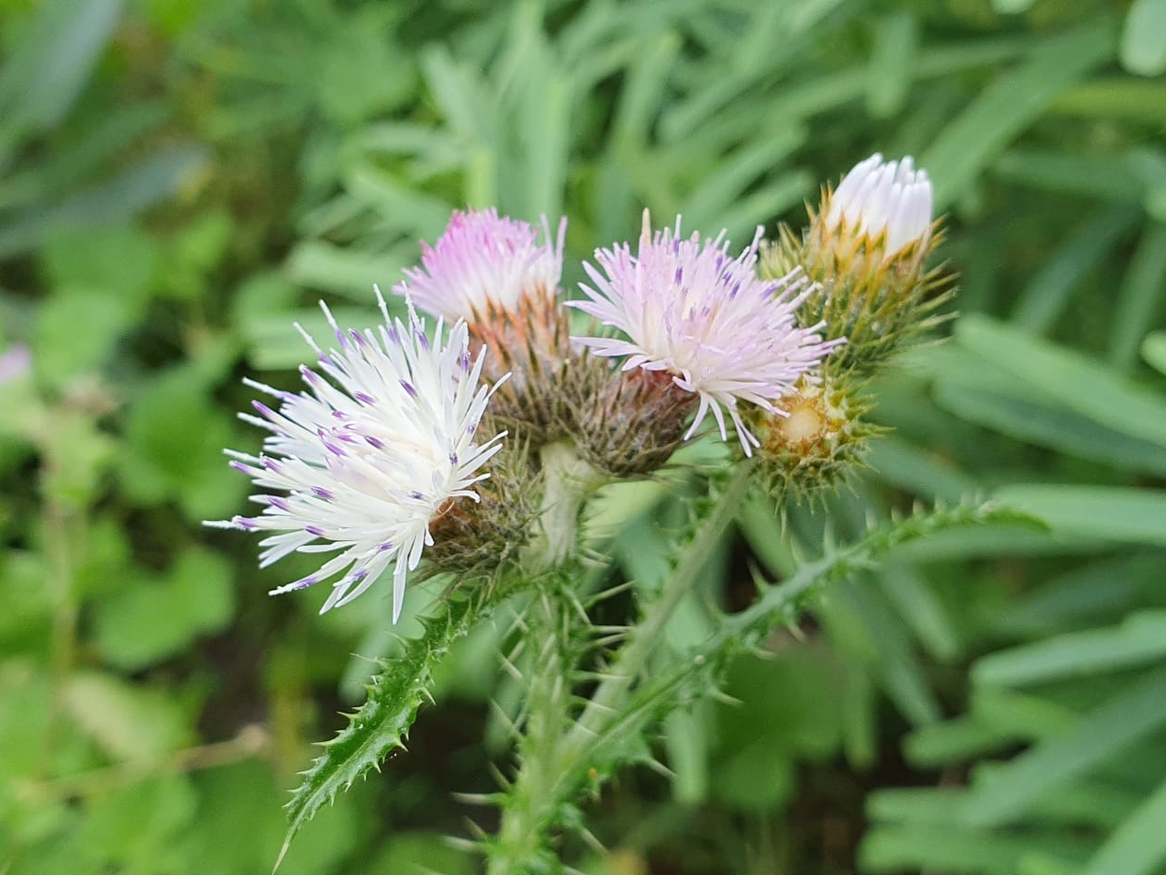
Carduus baeocephalus (Asteraceae). Credit: Marco Díaz-Bertrana.
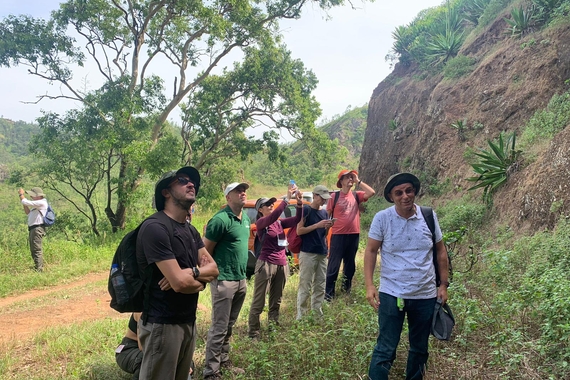
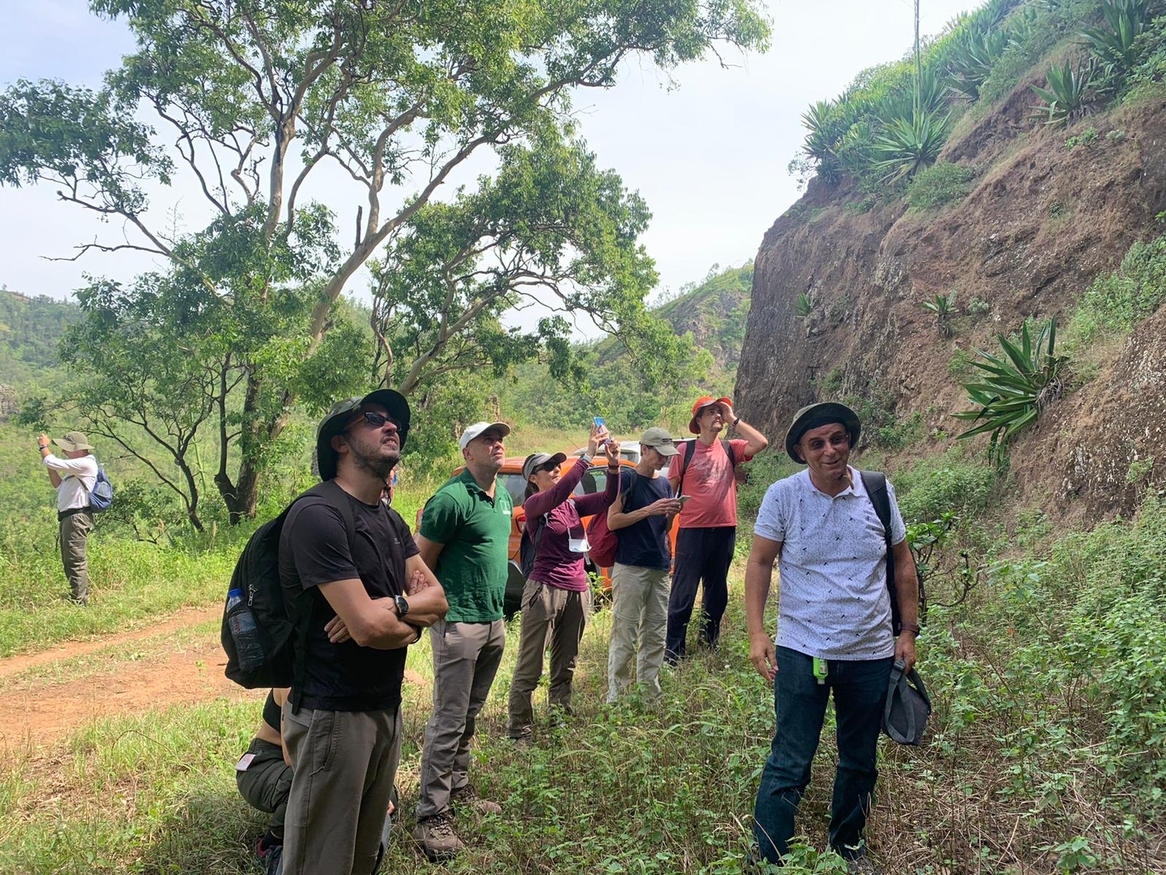
Part of the teams of the JBCVC-UACSIC and the INIDA in Santiago Island, Cape Verde. Credit: Gustavo Viera Ruiz.
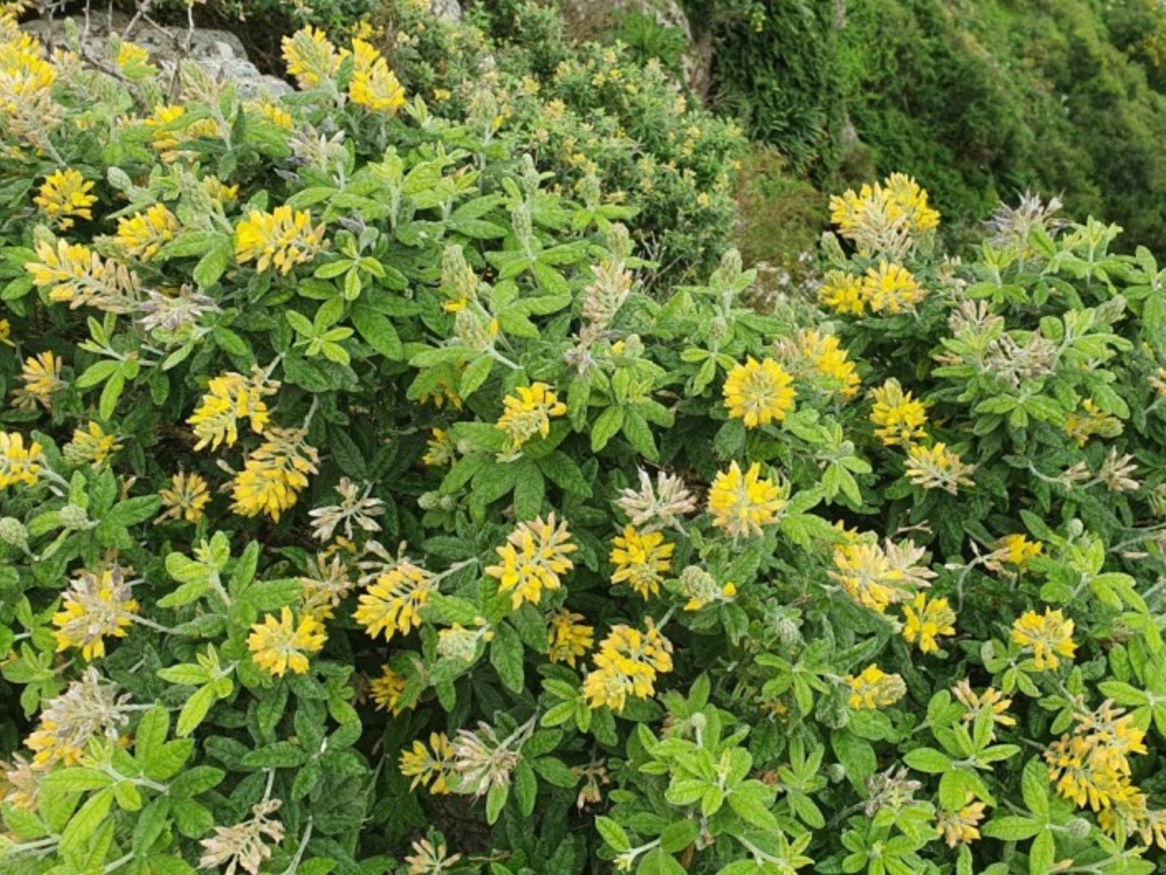
Teline nervosa (Fabaceae). Credit: Marco Díaz-Bertrana.