Professor Jack A Gilbert earned his Ph.D. from Unilever and Nottingham University, UK in 2002 and received his postdoctoral training at Queens University, Canada. From 2005-2010 he was a senior ...
IUCN COMMISSION GROUP
IUCN SSC Microbial Conservation Specialist Group

Group leadership

Prof Jack GILBERT
Co-Chair
Professor Jack A Gilbert earned his Ph.D. from Unilever and Nottingham University, UK in 2002 and received his postdoctoral training at Queens University, Canada. From 2005-2010 he was a senior scientist at Plymouth Marine Laboratory, UK; and from 2010-2018 he was Group Leader for Microbial Ecology at Argonne National Laboratory, a Professor of Surgery, and Director of The Microbiome Center at University of Chicago. In 2019 he moved to University of California San Diego, where he is a Professor in Pediatrics and the Scripps Institution of Oceanography, Associate Vice Chancellor for Marine Science, and Director of both the Microbiome and Metagenomics Center and the Center for Soil Health.
Dr. Gilbert uses molecular analysis to test fundamental hypotheses in microbial ecology. He cofounded the Earth Microbiome Project and American Gut Project, as well as is the founding Editor in Chief of mSystems journal. He has authored more than 450 peer reviewed publications and book chapters on microbial ecology. In 2017 he co-authored “Dirt is Good”, a popular science guide to the microbiome and children’s health. Dr. Gilbert founded BiomeSense Inc in 2018 to produce automated microbiome sensors. In 2021 he became the UCSD PI and Consortium Chair for the National Institute of Health’s $175M Nutrition for Precision Medicine program. In 2023 he became President of Applied Microbiology International and won the IFF Microbiome Science Prize, and in 2025 was elected to the American Academy of Microbiology.
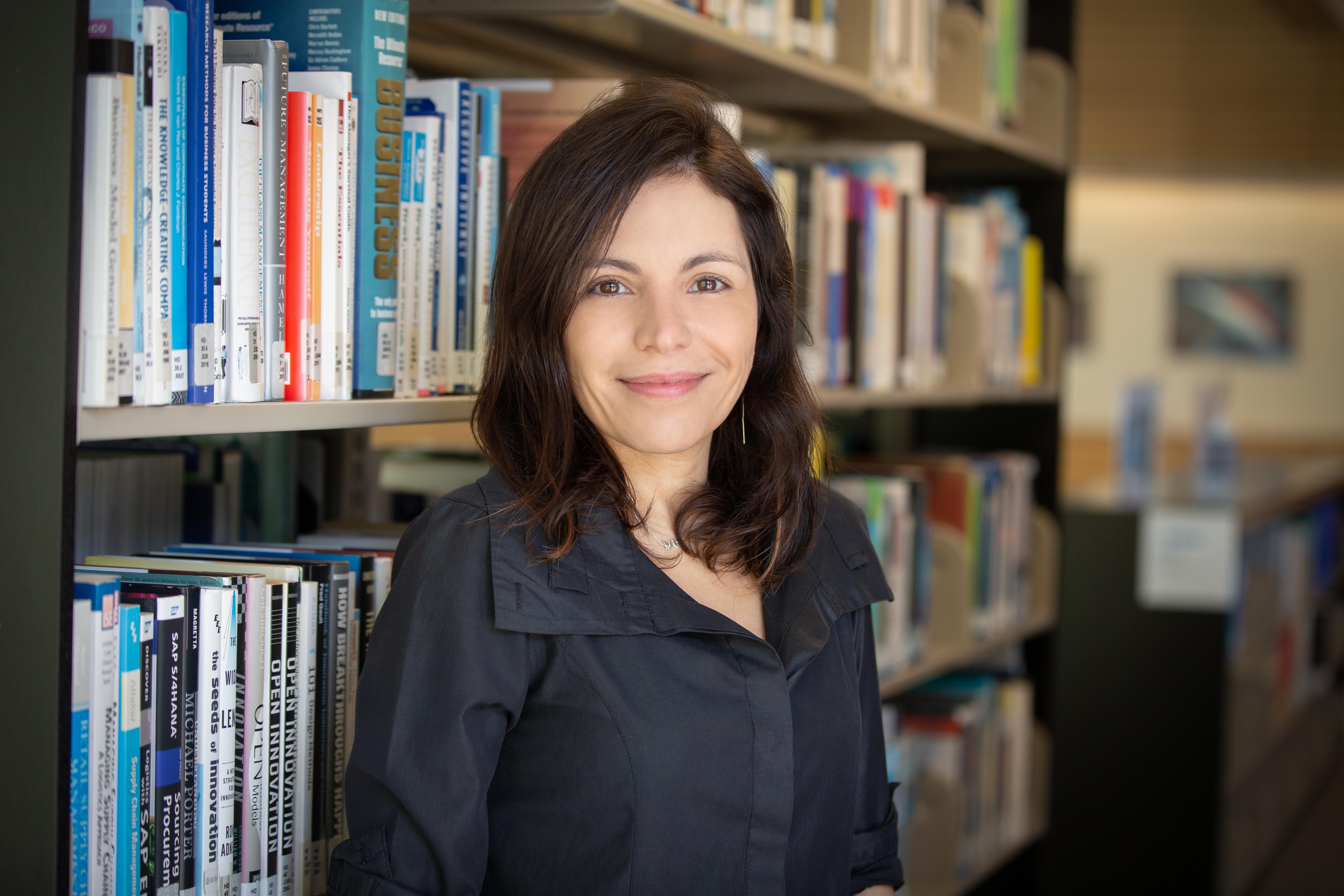
Prof Raquel Peixoto
Co-Chair
Prof. Peixoto is a pioneering researcher who played a central role in establishing the field of coral probiotics, a transformative and rapidly growing area of study that has catalyzed broader research into probiotics for wildlife. Her groundbreaking experiments proved the concept and demonstrated that probiotics not only mitigate coral bleaching but also prevent coral mortality, establishing a solid foundation for their application in coral reef conservation and restoration efforts. Her work emphasizes the practical application and real-world impact of science, bridging the gap between research and action through innovative solutions for environmental challenges. Prof. Peixoto has received numerous prestigious awards for her work, including the recent 2023 Rachel Carson Award in Applied Microbiology (SDG 14) and the 2024 Frontiers Planet Prize as Saudi Arabia’s National Champion. She currently serves as Chair of the Marine Science Program at KAUST, President of the International Society for Microbial Ecology (ISME), and Co-Chair of the Conservation Committee at the International Coral Reef Society (ICRS), where she also leads ICRS’s climate delegations to the UN COP conferences. In addition to her leadership roles, Prof. Peixoto is a member of prominent scientific advisory boards, including those for CORDAP, ASM, and the ISME Climate Change Committee. Through initiatives such as the Coral Probiotics Village, the development of scalable probiotic delivery systems, and groundbreaking field trials, her work has set a benchmark for the translation of microbial research into actionable solutions, influencing global policies and strategies for climate change resilience and biodiversity conservation.
Prof. Peixoto is a pioneering researcher who played a central role in establishing the field of coral probiotics, a transformative and rapidly growing area of study that has catalyzed broader research ...
About our work
Microbes are the invisible foundation of life on Earth, yet their diversity and vital functions remain largely absent from global conservation strategies. The IUCN’s Microbial Conservation Specialist Group (MCSG) was created to change that. As the first group within IUCN dedicated to all microbial life, the MCSG integrates microbial biodiversity into mainstream conservation frameworks by developing new tools for assessment, advancing policy inclusion, and coordinating action across ecosystems.
Our guiding principle is simple: conservation cannot succeed without microbes. From soil fertility and coral reef health to climate regulation and disease resistance, microbial communities are central to the planet’s resilience. By mapping threats, building ethical and inclusive partnerships, and developing Red List-compatible criteria for microbial ecosystems, the MCSG is helping ensure that microbes are recognized, protected, and restored as part of a thriving biosphere.
Backed by global experts and IUCN support, the MCSG delivers credible, high-impact projects with transparency and scientific rigor.
Our mission
To safeguard and foster microbiomes and their functions across Earth’s ecosystems, recognising microbes as the foundation of life and a cornerstone of planetary, macroorganismal, and human health.

Supporting the Species Conservation Cycle
1
Microbial Red List Development
The MCSG will develop Red List-compatible criteria for microbial communities, focusing on community integrity, functional collapse, and habitat specificity. This work fills a critical gap in conservation biology by enabling formal risk assessments for vulnerable microbial ecosystems.
2
Global Microbial Biobanking Network
Map the worlds biobanks and culture collections and assess methods and technologies to advance baseline studies and time series of microbial communities, especially in under sampled areas, such as for example deep ocean, deserts, mountains, and aquifers.
3
Global Microbial Hotspots Map
Map microbial conservation hotspots and their threats, including unique and vulnerable microbial ecosystems such as Antarctic cryptoendoliths, hypersaline mats, cryosphere, and animal and plant-associated microbiomes; and define and identify endangered microbial populations (individual species) and communities (assemblages of different species), especially those most consequential for sustaining critical ecosystem services
4
Create microbial community integrity indices for conservation monitoring
Construct Community Integrity Indices to monitor the health and resilience of microbial ecosystems using metrics such as taxonomic and functional diversity, functional redundancy, and sensitivity to disturbance.
Resources