Dr. Irene Lucia Heuser
Since July 2018 Dr. Heuser is Chair of the Specialist Group on “Soil and Sustainable Agriculture Law“ of the IUCN World Commission on Environmental Law. Dr. Irene Heuser is ...
Dr. Irene Lucia Heuser
Since July 2018 Dr. Heuser is Chair of the Specialist Group on “Soil and Sustainable Agriculture Law“ of the IUCN World Commission on Environmental Law. Dr. Irene Heuser is active in the field of environmental policy and law since more than 30 years. She received a “summa cum laude” in Law for her PhD thesis on European Soil Protection Law in 2005 from the University of Trier, Germany (with a scholarship of the German Research Council). Irene currently lives near Berlin and works as Head of the Unit “EU Policy, EU Law, Development Policy” as well as Deputy Head of the International Department of the Ministry for Europe in Potsdam. She previously worked as Head of the Minister’s Office or Senior Legal Officer in the State Chancellery of Brandenburg, the Ministry of Environment and the Directorate-General Environment of the European Commission. She has written several articles on soil protection, agriculture and sustainability law and is co-editor of the International Yearbook on Soil Law and Policy (IYSLP). She spoke at major conferences around the world on topics related to soil protection and environmental law (FAO, UNCCD, Global Soil Week etc.). She speaks English, French and German.
Dr. Irene Lucia Heuser
Since July 2018 Dr. Heuser is Chair of the Specialist Group on “Soil and Sustainable Agriculture Law“ of the IUCN World Commission on Environmental Law. Dr. Irene Heuser is ...
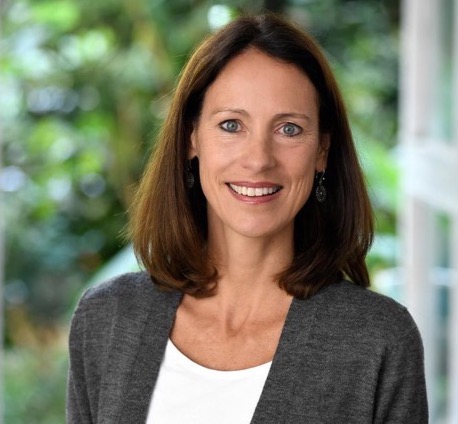
Edwin Alblas is an Assistant Professor in Environmental Law at the Law Group of Wageningen University & Research (tenure track). He completed his PhD in environmental law and regulation at the Sutherland School of Law, University College Dublin (UCD) and pursued a postdoc in environmental democracy at the University of Groningen. He is a graduate of Tilburg University (BA, LLM) and KU Leuven (LLM).
His fields of interest include biodiversity, agriculture, soil health and nature conservation. Using a variety of legal and social science methodologies, the underlying research theme concerns how law can help drive positive environmental action and how to best include various societal groups in this exercise ('environmental democracy').
Edwin has teaching experience in various fields including environmental law & policy, environmental politics, and regulatory governance. He has published in international peer-reviewed journals, including Land Use Policy, International Environmental Agreements, Regulation & Governance, European Union Politics and Review of European, Comparative and International Environmental Law. Alongside his research, Edwin has wide volunteering experience, among others for agri-environmental organizations in the Netherlands and as spokesperson for the successful climate litigation action Climate Case Ireland.
Edwin Alblas is an Assistant Professor in Environmental Law at the Law Group of Wageningen University & Research (tenure track). He completed his PhD in environmental law and regulation at the ...
The IUCN WCEL Soil and Sustainable Agriculture Law Specialist Group focuses expertise around the world on the development of legal guidelines and explanatory material with special attention to multiple functions of soils, their ecosystem services and contributions to people, the prevention of desertification, and the role of sustainable agriculture for the conservation of biodiversity, soil security, the human right to food, and the maintenance of human life in general.
The SoilSAL SG scope is broadly interpreted to include the international and national law and governance aspects of protecting, conserving, restoring, sustainably using and securing soils. The focus is on the system of controls and supports that direct decision making and practical action regarding natural resources towards sustainable use and management of soil, especially sustainable agriculture. The perspective of the global South is explicitly included.
As of 1 January 2026, the SoilSAL membership is composed of scholars and practitioners across the IUCN Statutory Regions. Members include environmental law scholars working in universities, civil servants, and other legal professionals. The SoilSAL SG leverages this wide academic and practical expertise to develop innovative legal solutions to promote soil security, including soil health, as well as sustainable agriculture.
The SoilSAL leadership for 2026-2029 is composed of Dr. Irene Heuser as Chair and Dr. Edwin Alblas as Deputy Chair and includes the Chairs Emeriti of this Specialist Group. The Chair and Deputy-Chair are responsible for the overall coordination of activities and act as a liaison between the SoilSAL and other WCEL and IUCN specialist groups and entities. Members meet approximately 5-6 times per year, during bi-monthly virtual meetings. In addition, real life meet ups are organized during relevant international conferences.
The core projects of the SoilSAL SG include:
SoilSAL members may propose new projects to the SoilSAL SG Chair at any given time, and specific SoilSAL internal working groups can be created in specific situations for certain activities.
The SoilSAL SG will support the implementation of motions adopted by the Members’ Assembly of the IUCN World Conservation Congress (WCC), held in Abu Dhabi, United Arab Emirates, from 9 to 15 October 2025. As IUCN’s highest decision-making body, the Members’ Assembly (13–15 October 2025) adopted several motions directly relevant to soil governance and sustainable agriculture.
2.1 Resolution 8.007 on Soil Security Law
Resolution 8.007, designed by the SoilSAL SG itself and introduced via the proponent at Pace University, requested the Director General to collaborate with WCEL as well as other relevant Commissions and interested members:
a. to develop concepts and parameters for an international convention or a global legal instrument on soil security;
b. to evaluate and propose national or regional laws and policies to protect, restore and rehabilitate soil ecosystems, with a focus on sustainable agriculture; and
c. to encourage States and regions to adopt appropriate measures and legal frameworks, addressing threats to soil and promoting soil security across all sectors (including but not limited to agriculture, mining and infrastructure), with attention to vulnerable communities, and aligned with the United Nations Convention to Combat Desertification and Land Degradation Neutrality targets.
Resolution 007 provides a clear and comprehensive mandate for the work of the SoilSAL SG over the coming four-year period and the SG has the lead for it. To ensure effective implementation, the leadership team will develop an internal working group, divide tasks, and develop a concrete workplan.
In implementing Resolution 007, the SoilSAL SG will also coordinate and align its activities with other resolutions adopted at the Abu Dhabi Congress that are relevant to soil, agriculture, and food systems, including:
2.2 Resolution 8.002 “Accelerating actions for nature-positive, sustainable agriculture and food systems” which requests to, inter alia:
a. expand IUCN’s membership base and partnerships with agri-food sector actors;
b. mobilise funding and co-develop cross-Commission and cross-regional projects on sustainable agri-food systems;
c. establish a cross-Commission IUCN Working Group on “Agriculture and Food Systems and Biodiversity”; and
d. establish a Commission Expert Group on Soil Biodiversity and soils as a component of geodiversity.
The SoilSAL SG already contributed with legal expertise to these processes, e.g. at the WCC, and will continue to do so in the IUCN Working/Commission Expert Groups, particularly with respect to regulatory frameworks, governance models, and rights-based approaches underpinning nature-positive agriculture, soil biodiversity protection, and food systems transformation.
According to the current scenarios, we will have around 8.5 billion people on our planet by 2030 and between nine and twelve billion people by 2050. The food crisis has put the issue of soil on the international agenda, not for the first time, but in a different way than we have responded to hunger in the world over the last fifty years. About 1 billion people do not have sufficient food. Humans will need healthy soil in order to survive, but soil will require increased legal protection at all levels in order to ensure long term food security.
(The first follow-up meeting on the new Resolution 002 (after the Abu Dhabi WCC) will take place on 4th February 2026 from 2pm CET and will already include a discussion on governance, definitions and strategies as well as on a roadmap.)
2.3 Other WCC Resolutions
Other relevant resolutions include mainly:
Resolution 003 on “Developing a unified global definition of ‘peatland and peat’”:
This Resolution offers opportunities for collaboration on the legal implications of definitions related to peatlands and peat soils, including their treatment under environmental, land-use, and climate-related laws.
Resolution 010 on “Preserving forest soils and their biodiversity”:
Paragraph 3 of this motion calls on CEM, in coordination with relevant Commissions, to develop a practical strategy and toolkit for forest soil conservation and restoration, incorporating technical guidance, legal instruments, inclusive governance models, and investment approaches. The SoilSAL SG can contribute legal analysis and tools relevant to forest soil protection and restoration.
Resolution 091 on “Strengthening conservation efforts for fungi and invertebrates”:
Paragraph 7 urges national authorities to consider policy measures and best practices to enhance ecosystem health, including soils, fungi, and invertebrates, both inside and outside protected areas, notably through sustainable agriculture and land management. This motion reinforces the need for legal frameworks that address soil biodiversity beyond protected area boundaries.
The SoilSAL SG will further continue to build on the long-standing soil law mandate within IUCN and WCEL, originating with the first soil-related resolution adopted at the World Conservation Congress in Amman, Jordan (2000). That resolution requested the IUCN Environmental Law Programme, in developing legal guidelines and investigating a global legal instrument on soils, to pay particular attention to the ecological needs and functions of soils for biodiversity conservation and human life.
Subsequent soil-related resolutions adopted at World Conservation Congresses in Bangkok, Thailand (2004), Barcelona, Spain (2008), and Marseille, France (2021) further strengthened this mandate, including through resolutions on sustainable land management, combatting soil degradation and artificialisation, integrated climate and biodiversity solutions, and food sovereignty and security. Motion 007 adopted in Abu Dhabi in 2025 represents the consolidation and evolution of this important body of work.
2.4 Planned activities
01/2026 till end of 2027: Develop and publish legal papers and recommendations outlining core principles, scope, and parameters for a potential international convention or another global legal instrument on soil security (see 4.1.).
2026-2029: Conduct comparative analyses of national and regional legal and policy frameworks on soil security, protection, restoration, and sustainable use, especially sustainable agriculture, identifying good practices, gaps, and transferable legal approaches. The focus is on advancing on the regional level: Model Law on Sustainable Soil Management for Africa and EU Soil Monitoring Directive (publications in 2026; see 4.2.)
2028-2029: Prepare legal guidance materials, policy briefs, or model provisions to support states, regions and international organisations in adopting or strengthening soil security laws across sectors.
2026-2029: Organize webinars, expert workshops, or other types of events to disseminate findings, support capacity building, and foster dialogue on soil security law.
05/2026-2027: Contribute legal expertise to cross-Commission initiatives arising from Resolution 002 and other relevant resolutions, including working groups, toolkits, and collaborative projects on agriculture, food systems, soil biodiversity, peatlands, and forest soils.
2.5 Outputs
End of 2027/beginning of 2028: Legal concept or discussion paper on the Global Legal Instrument for Soil Security (GLISS)/potential international legal instruments.
2026-2029: Presenting at specialised conferences and practical legal guidance materials or model provisions supporting soil security, protection, restoration, and sustainable soil management. Especially: Presentation at Global Soil Biodiversity Conference about Strengthening Soil Biodiversity Protection through Law (13th-15th of April 2026) in Canada.
2026-2029: Webinars, workshops, or other types of COP events organized over the four-year period including under the umbrella of IUCN WCEL and in cooperation with other IUCN Commissions (especially together with the IUCN Food and Agricultural Systems Team or UN entities (like FAO) or other partners (e.g. British Society for Soil Science or Isha Foundation). Ideal would be: Activities at the UNCCD COP 17 on 17th-28th August 2026 in Mongolia (together with Food and Agricultural Systems Team).
March 2026: Sustainable Agriculture Law publication. IUCN Webinar with SoilSAL SG on the occasion of the launch of the report “Policy and Legal Enabling Conditions for Sustainable Agriculture: A Multilevel Comparative Approach” on 4 May 2026
2028-2029: Contributions to cross-Commission motions, for instance in the form of collaborative publications related to sustainable agriculture, food systems, soil biodiversity, peatlands, or forest soils.
2.6 Project leads
All Members of the SoilSAL SG are welcome to contribute to implementing the relevant IUCN resolutions. In the quadrennium 2026-2029, the focus will be on implementing Resolution 007. The SoilSAL SG Chair and Deputy Chair will lead the SoilSAL Working Group on a Global Legal Instrument for Soil Security (GLISS WG), divide tasks, and develop a concrete workplan; the WG started to organize their work in January 2026 and the first official meeting was on 5th of March 2026.
The SoilSAL SG will also contribute to the implementation of Resolution 002 (Irene Heuser and Julie Itey).
The members of the SoilSAL SG share the conviction that soil degradation deserves the same legal and political attention and should be treated on the same level as the loss of biodiversity and the adverse effects of climate change. Soil must be fully protected against all threats and harm and managed and used in a sustainable way, for the benefit of all. In order to deal with specific levels of action or with the different threats to soil, the following actions are proposed to lead the work of the SoilSAL SG for the quadrennium 2026-2029.
3.1 Conceptualization of a global legal instrument for soil security
Concerning binding legal instruments at the international level, all three Rio conventions have a role in the use of soils, but there is no specific or comprehensive soil protection or soil security convention yet. Various publications by SoilSAL SG members since 2000 outline how the three Rio conventions are insufficient as a framework to meet the objective of the prevention of threats to soil and the long-term sustainable use of soil. However, there is a view that their programmatic synergies can be better coordinated to be more effective in the sustainable use of soil. In the context of the demands and tasks of Resolution 007 on soil security law, the SoilSAL SG will develop concepts and parameters for an international convention or another global legal instrument on soil security.
The Centennial Conference of the International Union for Soil Science (IUSS) in May 2024 as well as the activities of the Aroura Think Tank on Soil Security at the University of Sydney show(ed) that there is currently a momentum to advocate for soil security and for putting it on the same legal level as climate change and biodiversity loss. Concerning a global legal instrument on soil security, there are a number of potential options (like a separate soil security convention, protocols to existing conventions or thematic annexes) that should be considered. For example, the SoilSAL SG recognizes that the role of the UNCCD process, especially in relation to the objective of land degradation neutrality, could be pursued as an effective process to fill various legal gaps on soil protection and soil security. SG members will also continue to prepare informative publications (e.g. in the several volumes of the International Yearbook on Soil Law and Policy) which canvass various legal options and elements suitable to secure, protect and manage soil in a sustainable way.
Working Group on a Global Legal Instrument for Soil Security (GLISS WG):
Lead: Dr. Irene Heuser/Prof. Edwin Alblas
Members: Prof. Ben Boer, Prof. Ian Hannam, Prof. Matteo Fermeglia, Cairo Robb, Rahel Zimmermann, Dr. Marko Perisic, Prof. Oliver Ruppel, Dr. Harald Ginzky, Antonia Moure Richards, Hanna Zwienenberg, Dr. Enrico Mezzacapo.
Preparation Meeting: 15 January 2026 (SoilSAL SG)
1st Meeting: 5 March 2026
2nd Meeting: 7 May 2026
This will be the topic of a panel at the IUCN Academy of Environmental Law Colloquium (7th-11th of December 2026 in South Africa). Maybe at the end of the GLISS work, there will be a special SoilSAL GLISS Workshop.
3.2 National and regional legal protection for soils
The members of the SoilSAL SG will continue to assist countries and regions with soil legislation reform, policy development, and implementation and will follow the development of/in all regions. Earlier work focused on Iceland, China, Mongolia, and Central Asian countries, and more recently expanded to Africa, India, South-East Asia and South America. Proposing national or regional laws and standards to protect, restore and rehabilitate soil ecosystems is an important objective of the SoilSAL SG. Comparative soil law work might also be included, with regard to the IUCN AEL activities in this field.
This work follows on from regional workshops held in Africa and India in 2018 and 2019 on soil governance and Land Degradation Neutrality (LDN) implementation, organised by the German Environment Agency in cooperation with local universities and partner organisations. In 2025, a new pinnacle was reached when the Pan-African Parliament (PAP) adopted the Continent’s first model law on Sustainable Soil Management in Africa. Developed by a team led by SoilSAL SG members Dr. Harald Ginzky of the German Environment Agency and Prof. Oliver Ruppel of the Development and Rule of Law Programme at Stellenbosch University, the Model Law provides a comprehensive framework for soil governance. The core drafting team, consisting of African experts, collaborated closely with the PAP Committee on Agriculture, Natural Resources and Environment to ensure the framework reflects African realities while incorporating international best practices.
Another relevant legal development is the implementation of the EU Soil Monitoring & Resilience Directive, which will have to be transposed into national law by Member States and for which the SoilSAL SG can provide crucial assistance, maybe also under the EU’s Research Programme. Prof. Matteo Fermeglia and Prof. Heloisa Olivera are preparing a Special Issue.
Furthermore, the next steps to support the development of soil protection and soil security law in Asia, especially South-East Asia, and other regions of the world must be determined. The SoilSAL SG has previously contributed to the development of the Chinese Soil Protection Act.
3.2.1 Planned activities
2026: publications on the EU Soil Monitoring Directive and the Model Law for Africa.
2026-2028: Further conduct comparative legal analyses of soil protection, sustainable land management, and agricultural soil governance frameworks in selected countries and regions.
TBD: Provide targeted legal support, advice, and expert input to national and regional processes on soil legislation reform, implementation, or policy development.
2026-2028: Organize and participate in regional and sub-regional workshops, webinars, or expert dialogues on soil governance, land degradation neutrality, and sustainable agriculture law, in cooperation with regional partners and institutions.
3.2.2. Outputs
Comparative legal analysis reports or briefing papers on soil protection and sustainable soil management laws at relevant regional and/or national scales.
Regional or thematic webinars and workshops on soil governance and soil protection law, organised periodically during the work-plan period.
3.2.3 Project Lead(s)
The lead(s) will be determined according to region/country.
3.3 Legal Input concerning specific threats to soil
Soil is exposed to a variety of threats which vary from region to region, namely soil contamination, soil biodiversity loss, organic matter decline, soil erosion, soil compaction, soil sealing (in some countries: artificialization), soil acidification, salinization, waterlogging and floods and landslides. Historically, in many countries the focus of soil legislation was on the prevention of soil contamination and sometimes soil rehabilitation. In recent times, the focus of science and practice has increasingly been placed on individual threats. Three examples (and other considerations regarding other soil threats may follow):
Soil organic matter (SOM) plays a fundamental role in supporting soil fertility, retaining water, sustaining biodiversity and regulating the global carbon cycle – and so SOM decline has gained attention.
Lead: TBD
Soil pollution and contamination, including salinisation: The task will be to develop and promote legal frameworks for the prevention, control and remediation of soils, including legal challenges due to new contaminants such as PFAS that are already ubiquitous in soils, water bodies etc. In this context, a co-operation with the Plastics Specialist Group is of importance and this focus might also include nature-based solutions for soil remediation more broadly, like the in the Phy2Climate project funded by the EU’s Horizon 2020 Research and Innovation programme, aiming at combining clean biofuel production and phytoremediation solutions from contaminated lands worldwide. It offers the chance for recovery of arable land through improved phytoremediation coupled with other new approaches, like advanced liquid biofuel production.
Lead: Prof. Dr. Matteo Fermeglia with Rahel Zimmermann and Dr. Marko Perisic
Another example is given in the WCC Marseille Resolution No. 70 on “Combatting soil degradation and artificialisation” where States and governments at all levels are asked, among other aspects, to develop policies for the renaturation and de-artificialisation of soils/the reduction of soil sealing and to propose economic incentives. This links also to the threat arising from lack of consideration of soils in planning processes, which impacts urban, peri-urban and rural soils.
Lead: TBD
The critical role of soil biodiversity as the foundation for terrestrial life, underlying soil functions and the provision of soil ecosystem services, is also increasingly being acknowledged in science and within the context of the Convention on Biological Diversity (CBD). Mechanisms are required to mainstream soil biodiversity into decision making to address and reverse soil biodiversity loss, including by implementing the International Initiative for the Conservation and Sustainable Use of Soil Biodiversity Draft Action Plan 2020-2030. This was discussed at NETSOB meetings (next one on 15 April 2026 live in Victoria, Canada) and will be an important topic at the Global Soil Biodiversity Conference in 2026 (Presentation on “Strengthening soil biodiversity protection through law” by Irene Heuser). Activities in the context of the CBD COP in Yerevan, Armenia (19th-30th October), together with the FAS Team and the Isha Foundation might follow.
Lead: Cairo Robb
3.4 Further promotion of sustainable agriculture
Soil sustainability is the foundation of agriculture. Sustainable agriculture deals with farming in sustainable ways meeting society's present needs for food, fibre, energy and textiles, and to ensure food security for future generations to meet their needs. Due to the fact that agriculture is simultaneously causing environmental changes and being impacted by these changes, the role of law is to create the framework conditions for the sustainable management of land, taking into account climate change, water scarcity, water pollution, soil and land degradation, deforestation and other aspects of sustainable agriculture. Recent international reports highlight the alarming impact of food production systems on climate change, land stability and biodiversity. Sustainable agriculture can contribute to food security, water security, climate regulation and other objectives, supporting progress towards the United Nations Sustainable Development Goals (SDGs) and other international targets on climate change, biodiversity and land degradation. A new IUCN publication on Sustainable Agriculture Law with the title “Policy and Legal Enabling Conditions for Sustainable Agriculture: A Multilevel Comparative Approach”, written by Prof. Dr. Ian Hannam, supported by Enrico Mezzacapo and other authors, has recently been published (March 2026). The official launch of this new publication on Sustainable Agriculture Law in a webinar (hosted by the Food and Agricultural Systems Team of IUCN) with panellists from the SoilSAL SG will be on 4 May 2026, 12:30-14:00 h.
Agricultural production is expected to increase to meet world demand for 8.5 billion people by 2030. The 2021 IUCN WCC Resolution 7.003 on “Transforming global food systems through sustainable land management that is aligned to the UN SDGs”, the predecessor of the current Resolution 8.002, already calls on the requirement to support the improvement of food systems, to accelerate action in the field of sustainable agriculture, land degradation neutrality and landscape restoration as well as, among other aspects, to promote land health and soil biodiversity in relevant policy fora. Topics canvassed are food sustainability and food security, plant-based biofuels, invasive species and biosecurity, climate change and agriculture, rural biodiversity, agricultural technology and sustainability, the social and environmental justice of agricultural systems, implementation and effectiveness of international regimes for sustainable agriculture, agricultural trade and investment. Only if there is fundamental change in the way we manage soil and land, can we reach climate change targets, avert the dramatic loss of biodiversity and make global food systems sustainable. Law plays a fundamental role in shaping soil health and supporting the transition of the present conventional agricultural system to sustainable forms of agriculture. This shift is an essential prerequisite in order to achieve more sustainable and resilient societies.
Lead: Prof. Ian Hannam (TBC) with Dr. Enrico Mezzacapo and Dr. Marko Perisic
Effective communication, active network engagement, and strong partnerships are essential to advancing the objectives of the SoilSAL SG. Given the cross-cutting nature of soil governance, spanning environmental law, agriculture, biodiversity, climate change, ethics, and indigenous knowledge, the SoilSAL SG will place particular emphasis on fostering dialogue and collaboration across disciplines, institutions, regions, and generations.
4.1 Promoting Awareness on the Importance of Soils and their Legal Protection
Members of the SoilSAL SG share the conviction that our soil fulfills a multitude of ecological, economic and social functions, especially being the fundamental basis for terrestrial biodiversity, supplying the vast majority of world’s food, filtering and storing water and attenuating flooding, and being more broadly recognised as having an essential function in regulating the global climate. Despite advances, the role of soils and soil protection is still largely unknown in society and politics. Raising awareness of the importance of legal protection of soils therefore is essential to advancing soil security, sustainable agriculture, biodiversity conservation, and climate resilience. Legal frameworks for soil protection remain fragmented or underdeveloped in many jurisdictions, and the societal value of soils as living ecosystems is often insufficiently recognized in public discourse and decision-making.
The SoilSAL SG will therefore continue to promote awareness of soil protection law and governance through targeted communication, outreach, and knowledge-sharing activities directed at policymakers, practitioners, researchers, students, and the wider public.
4.1.1 Activities
Maintain and actively develop the SoilSAL SG LinkedIn page as a key communication and outreach platform to disseminate information on soil security and soil protection law, sustainable agriculture, and relevant other legal and political developments.
Further develop the the SoilSAL SG-related pages on the homepage of WCEL and provide links to the SoilSAL SG there with the help of the support team of IUCN
Publish regular posts on the LinkedIn page highlighting new soil-related legislation, court decisions, policy initiatives, academic publications, events, and activities of the SoilSAL SG and partner organisations.
Use the LinkedIn platform to promote webinars, workshops, side events, and publications organised or supported by the SoilSAL SG and its members, including cross-Commission and partner initiatives.
Encourage contributions from SoilSAL SG members and partners to ensure diverse geographic, disciplinary, and generational perspectives on soil protection law.
4.1.2 Outputs
The SoilSAL SG will therefore continue to promote awareness of soil protection law and governance through targeted communication, outreach, and knowledge-sharing activities directed at policymakers, practitioners, researchers, students, and the wider public.
4.1.3 Project leads
Julie Itey
4.2 Promoting networks and cooperation across disciplines
SoilSAL SG will promote and strengthen networks across disciplines, institutions, generations, and regions to advance soil governance, soil security law, and sustainable agriculture.
4.2.1 Activities
External partnerships include academic institutions and university networks, scientific organisations, and international and regional bodies working on soil and land governance. Particular attention will be given to developing and continued cooperation with the FAO and its Global Soil Partnership (GSP), the UNCCD, the CBD, research organisations, and regional and youth-led initiatives engaged in soil governance.
University collaboration and academic networks
Strengthen and expand collaboration with universities and academic networks working on environmental law, soil governance, ethics, and indigenous and local knowledge systems, including through joint research, teaching initiatives, and knowledge exchange.
Facilitate seminars, workshops, or joint publications exploring the role of legal frameworks in supporting soil protection and sustainable agriculture
Maintain regular cooperation with the scientific community and research organisations to support mutual exchange between legal scholarship and soil science.
The partnership of the SoilSAL SG will be continued in order to support interdisciplinary perspectives and approaches to soil governance. This is particularly relevant for the partner institutions who worked together to promote the IUCN Motion 007 (now Resolution 007) on soil security law for the WCC in Abu Dhabi: the Aroura Think Tank on Soil Security at the University of Sydney, Australia, and the Save Soil Movement in India.
Cooperation within IUCN and cross-Commission engagement
Continue and intensify cooperation with other WCEL Specialist Groups as well as cooperation with other IUCN World Commissions, notably those working on ecosystem management, protected areas, and cross-cutting themes relevant to soil, land, and food systems, like the IUCN World Commission on Ecosystem Management or the Global Drylands Initiative.
Engage in regular exchanges with soil-related IUCN Specialist Groups and cross-Commission initiatives to address multidisciplinary aspects of soil protection, land degradation, biodiversity conservation, climate change, and sustainable land management.
Continue the fruitful collaboration with the IUCN Agriculture Team
Develop interdisciplinary dialogues and outputs linking soil law with soil ethics, intergenerational justice, and Indigenous worldviews, in cooperation with the WCEL Ethics Specialist Group.
Youth and international engagement
Continue cooperation with the United Nations Convention to Combat Desertification (UNCCD), building on the joint IUCN-UNCCD work plan, to support policies and programmes delivering Land Degradation Neutrality (LDN) through nature-based solutions and effective legal instruments.
Support and engage with the Food and Agriculture Organization of the United Nations and its Global Soil Partnership, including the use and further development of the SoiLEX global database on national soil legislation and participation in the FAO Working Group on Soil Legislation.
Contribute legal perspectives to the development and implementation of FAO instruments, including Sustainable Land Management principles and the Voluntary Guidelines for Sustainable Soil Management.
Develop CBD links
Furthermore, the contact to soil science NGOs (like the International Union for Soil Science (IUSS) or the British Society for Soil Science with whom we had a side event at the Centennial Conference of IUSS should be intensified in order to advocate for legal solutions.
Youth and intergenerational engagement
Engagement with early-career professionals and youth networks will also be supported, including through cooperation with youth-led soil governance initiatives.
Explore options for supporting the reinstation with the Youth International Soil Governance Commission (YISGC) to strengthen intergenerational dialogue and the science-policy interface on international soil governance.
Explore mechanisms for engaging young professionals and researchers within WCEL and its SoilSAL SG, including pathways for associating YISGC members with WCEL SoilSAL SG activities.
4.2.2 Outputs
Strengthened and expanded academic and research networks linking soil law, ethics, Indigenous knowledge, and sustainability.
Contributions to cross-Commission initiatives, policy dialogues, and ecosystem-based approaches within IUCN.
Legal inputs and capacity-building contributions supporting UNCCD and FAO soil governance initiatives, including use of the SoiLEX database, supporting CBD initiatives and soil biodiversity inclusion, and contributing to effective and harmonized international and national soil-related standards and protocols.
Enhanced engagement with the scientific community through conference participation, collaborative events, and exchange of legal and scientific knowledge.
Active collaboration frameworks with youth-led soil governance initiatives and increased involvement of early-career professionals in SoilSAL SG activities.
4.2.3 Project leads
TBD
Soil and Sustainable Agriculture Law SG - Terms of Reference (TORs) 2025-2029