Megan Lafferty is a biologist with a postgraduate degree in environmental science and training in public policy. In her career she has held roles spanning many aspects of area-based conservation ...
IUCN COMMISSION GROUP
IUCN WCPA Other Effective Area-based Conservation Measures Specialist Group
Overview and description
Description:
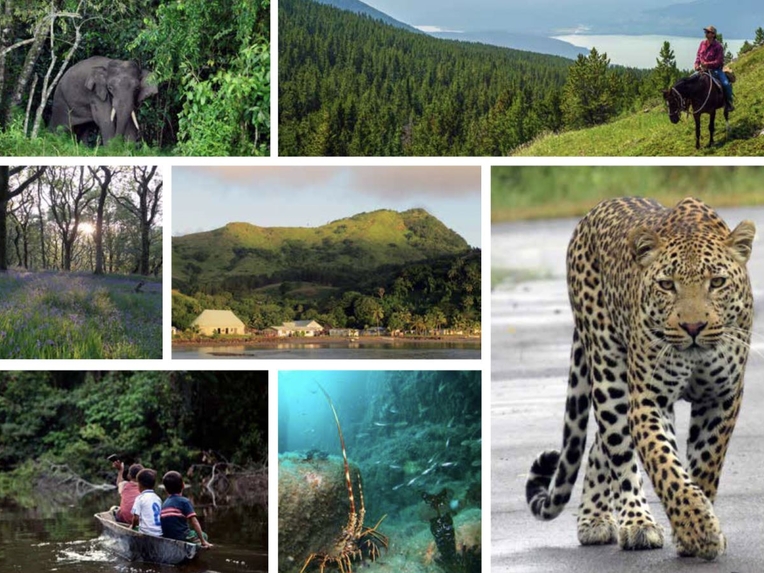
The OECM Specialist Group generates knowledge, provides direction, and supports aligned and effective implementation and decision making for other effective area-based conservation measures (OECMs) ...
Group leadership
Ms Megan LAFFERTY
Co-Chair
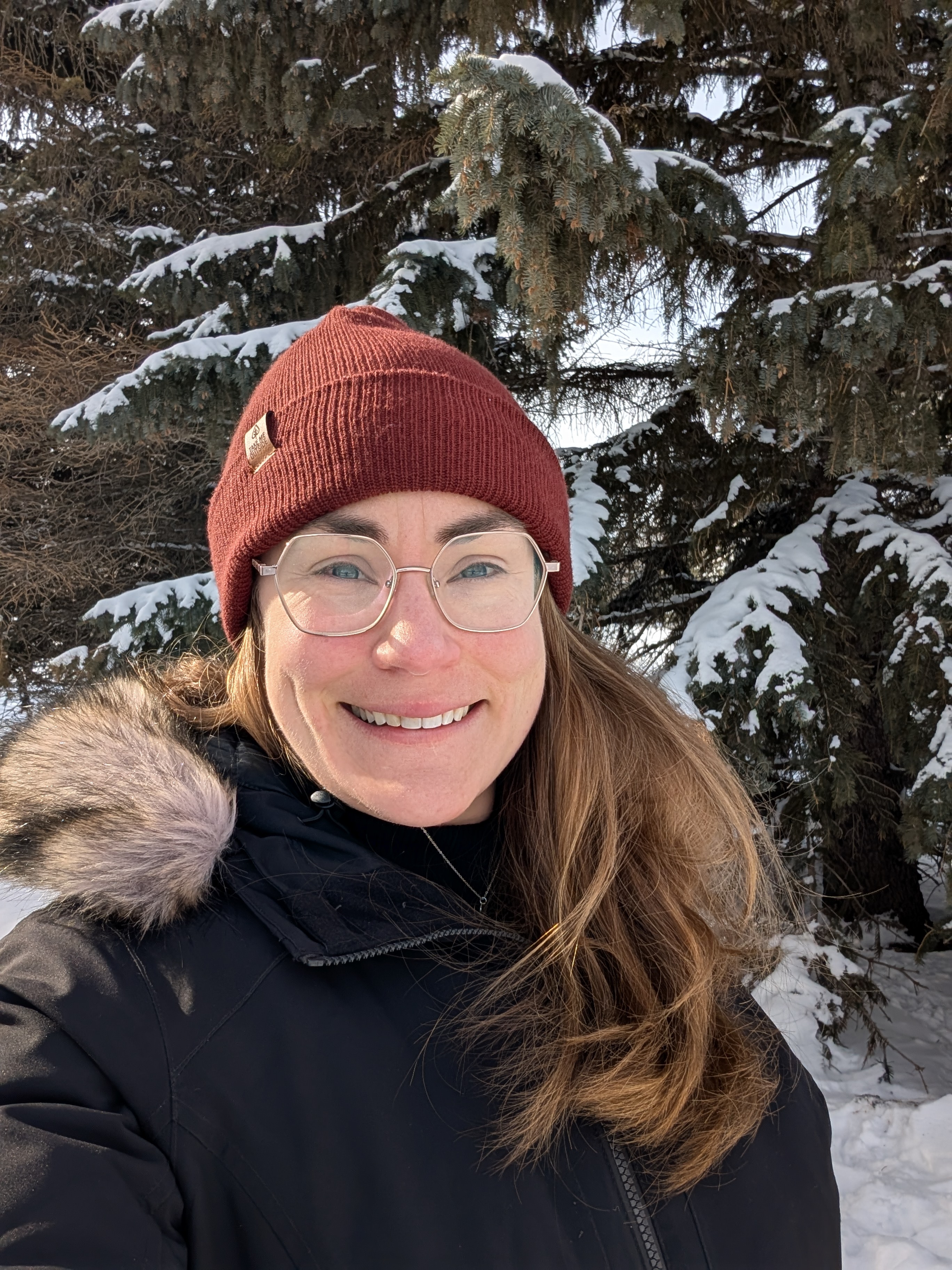
Megan Lafferty is a biologist with a postgraduate degree in environmental science and training in public policy. In her career she has held roles spanning many aspects of area-based conservation including planning, establishment, and stewardship. At present, she leads Nature Conservancy of Canada’s work on land protection measures – bridging global and national policy with the organization’s on-the-ground implementation and collaborating with colleagues and partners across the country to advance innovative area-based conservation projects. Megan is an active member of a pan-Canadian working group to support effective implementation and recognition of protected areas and OECMs across diverse contexts. She also sits on the Board of Directors of the Canadian Committee for the IUCN. Megan is a lifelong learner who enjoys working collaboratively to tackle big challenges.

Ms carolina HAZIN
Co-Chair
I'm a Brazilian biologist with postgraduate studies in ecology, public policy and international relations. I have more than 20 years of experience in marine and wetlands conservation and protection.
I'm currently the Global Senior Policy Advisor for area-based conservation measures at The Nature Conservancy (TNC), where I lead our policy advocacy efforts towards the adoption of robust protected and conserved areas guidance and regulations at international, regional and national leves. This works entails engaging in multilateral environment process as well as working alongside country teams, partner governments and other NGOs to support implementation of Target 3 of the CBD-Global Biodiversity Framework.
The focus on area-based conservation measures was always the centrepiece of my work. I have worked with government (Ministry of Env. -Brazil), international organizations (Unesco) and non-governmental organizations (BirdLife International), dedicating to protect and conserve sites important for biodiversity: from co-developing a regulatory framework for the national system of protected areas in Brazil through to leading the development of management plans for PCAs-Ramsar Sites in the country, coordinating regional partnerships for protected areas, developing capacity, advising, informing and influencing regional and global policy commitments in this area.
I was the national focal point for the Ramsar Convention, World Heritage Convention and UNESCO Man and Biosphere programmes in Brazil.
I'm a Brazilian biologist with postgraduate studies in ecology, public policy and international relations. I have more than 20 years of experience in marine and wetlands conservation and protection.
I ...
Please contact us: [email protected]
What is an ‘OECM’?
‘Other effective area-based conservation measures’ (OECMs) are areas that are achieving the long term and effective in-situ conservation of biodiversity outside of protected areas. From 2015 to 2018, IUCN provided technical advice to Parties on OECMs to the CBD through a WCPA Task Force on OECMs. In 2018, Parties to the CBD agreed guiding principles, common characteristics and criteria for the identification of OECMs (CBD Decision 14/8). An ‘other effective area-based conservation measure’ is defined by the CBD as:
A geographically defined area other than a Protected Area, which is governed and managed in ways that achieve positive and sustained long-term outcomes for the in-situ conservation of biodiversity, with associated ecosystem functions and services and where applicable, cultural, spiritual, socio–economic, and other locally relevant values (CBD, 2018).
Governments, relevant organizations, Indigenous peoples and local communities are invited to apply the voluntary guidance on OECMs to identify, recognise and support OECMs, and report data on OECMs to the World Database on OECMs.
Identification of OECMs offers a significant opportunity to increase recognition and support for de facto effective long-term conservation that is taking place outside currently designated protected areas under a range of governance and management regimes, implemented by a diverse set of actors, including by Indigenous peoples and local communities, the private sector and government agencies.
Our objectives
By enabling and enhancing the appropriate identification, recognition, support and reporting of OECMs across landscapes and seascapes, we aim to:
- Promote equitable governance, effective management and positive conservation outcomes.
- Increase coverage of ecologically representative areas of particular importance for biodiversity and ecosystem functions and services.
- Support the recovery of threatened species.
- Enhance connectivity between protected and conserved areas and across landscapes and seascapes.
- Foster engagement with a diverse range of rights-holders and stakeholders who contribute to area-based conservation outside of protected areas.
- Support sustainable livelihoods and provide a framework to help transform sectoral practices.
- Address climate change by contributing to net-zero climate targets and building resilience to the physical impacts of climate change through nature-based solutions.