Water replenishment and watershed restoration programme in priority basins in Mozambique, Tanzania, and Ethiopia.
Project Jun, 2024 - Dec, 2028

Water replenishment and watershed restoration programme in priority basins in Mozambique, Tanzania, and Ethiopia.

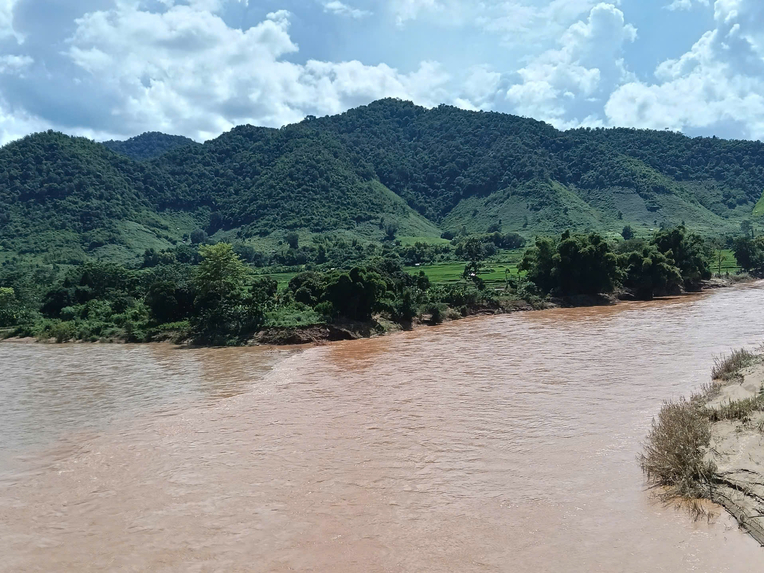
project image

Overview and objectives

This project seeks to address challenges facing river basins in Ethiopia, Mozambique and Tanzania, which include, but not limited to; unsustainable use of water, catchment encroachment and degradation, deforestation, soil erosion, and water pollution. 

Summary:
The International Union for Conservation of Nature (IUCN) is the largest and most diverse environmental network (membership union) in the world with 1400 members (state governments, peoples and non…
The International Union for Conservation of Nature (IUCN) is the largest and most diverse environmental network (membership union) in the world with 1400 members (state governments, peoples and non-governmental organizations); 170000 experts (6 scientific commissions) and at least 850 employees in 45 countries. It works towards the conservation of nature and the sustainable use of natural resources. It was founded in 1948 and has since become a global authority on the status of the natural world and the measures needed to safeguard it. IUCN’s work is based on the most up-to-date science and knowledge, which enables society, economies, and nature to thrive together. The organization provides technical and policy advice to drive conservation and sustainable development. IUCN has seven expert commissions, which are networks of scientists and experts that provide technical and policy advice to drive conservation and sustainable development. One of the commissions is on ecosystems management and promotes ecosystem-based approaches for the management of landscapes and seascapes. Another commission of interest is that on environmental, economic, and social policy, which harmonizes nature conservation and the critical social, cultural, environmental, and economic justice concerns of human societies. IUCN implements activities using The One Programme approach which leverages the respective roles, capacities, and unique features of the constituent parts of the Union –its members, commissions, national and regional committees, and secretariat in implementing its activities. 1.2 IUCN’s activities related to Coca-Cola’s 2030 Water Replenishment Program In the context of watershed management, the IUCN focuses on preserving the health and functionality.
Objective:
Goal: The goal of the proposed IUCN’s Watershed Restoration Program is to “improve watershed or landscape management for enhanced water security for climate resilient sustainable developments”. This…
Goal: The goal of the proposed IUCN’s Watershed Restoration Program is to “improve watershed or landscape management for enhanced water security for climate resilient sustainable developments”. This contributes to Coca-Cola’s Global Vision, which recognizes that all Company operations should be done in ways that create a more sustainable business and a better shared future that makes a difference in people’s lives, communities, and our planet. In the 3 countries, Ethiopia, Tanzania, and Mozambique, IUCN actions will target to lead to an annual water replenishment of 1432 million liters of water.
Objectives/outcomes: The principal objective of the proposed IUCN 2030 Watershed Restoration Program in Africa is to restore and increase the watershed health, environmental productivity, and community benefits for priority watersheds in Africa. Its main thrust is to identify and implement impactful actions on the ground that will contribute to water replenishment and watershed restoration through nature-based solutions and support local communities.

Members and partners

Wami Ruvu Basin Water Basin - Tanzania

Thank you to our donors