BRIDGE Programme Grants: Gender Mainstreaming and Women Leadership
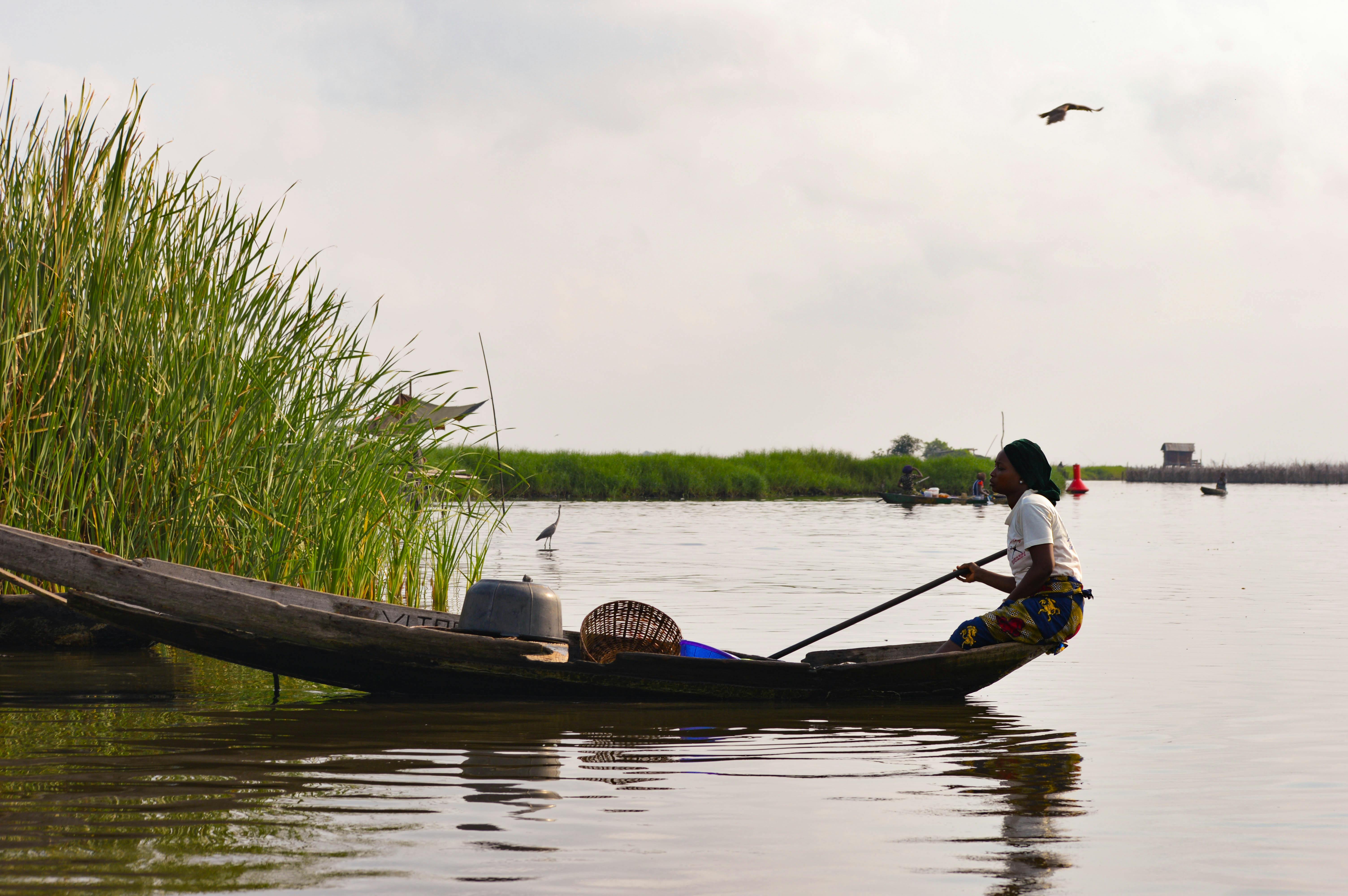
Pexels © Kenza Loussouarn
Submission of proposals are now closed.
To find out more about selected applicants click the link below.
With more than a decade of experience across over twenty transboundary river basins worldwide, the Building River Dialogue and Governance (BRIDGE) programme, led by IUCN, supports water diplomacy through strengthened governance capacities. BRIDGE aims to catalyse sustainable management and development of shared water resources, safeguard water security, conserve biodiversity, and promote peaceful cooperation across borders.
Inclusive governance is at the heart of BRIDGE’s approach. Diverse voices and perspectives — including those of women — enrich water governance, strengthen institutions, and ensure long-term sustainability of agreements and cooperation. However, persistent gender imbalances in water management institutions mean that the benefits of women’s knowledge, leadership, and perspectives often go untapped.
Empowering women and strengthening their participation and leadership in transboundary water cooperation is essential for achieving fair, resilient, and effective water governance. BRIDGE Phase 5 is therefore implementing a dedicated on-granting programme to advance gender mainstreaming and women’s leadership in transboundary basins.
Purpose of the BRIDGE Gender Grants
The BRIDGE Gender Grants aim to address barriers to gender equality and women’s empowerment in transboundary water governance. The grants will support practical actions to strengthen inclusive institutions and promote women-led solutions for managing and restoring freshwater ecosystems. Two types of small grants will be available during this phase, targeting shared basins in Africa, Asia, and South America where BRIDGE is active:
1. Gender mainstreaming grants to river basin organisations and transboundary water institutions (maximum CHF 15,000):
Objective: to enable and support River Basin Organizations (RBOs) and other transboundary water institutions to mainstream gender equality in their operations, governance frameworks, activities, and strategic plans. These grants will support:
Gender assessments, strategies, or action plans.
Direct stakeholder engagement activities targeting women’s participation.
Capacity-building initiatives to strengthen women’s leadership within institutions.
Implementation of priority gender actions under existing institutional strategies.
Expected Outcome:
Strengthened institutions and agreements that embed gender inclusion and actively promote women’s participation and leadership in decision-making processes.
2. Women leadership grants (maximum CHF 10,000):
Objective: To support women-led or women-focused initiatives that strengthen women’s leadership in freshwater governance, ecosystem management, and restoration, with a clear link to transboundary water cooperation. These grants will support:
Women’s groups or community-based organisations advancing local solutions for shared waters.
Civil society organisations and NGOs working directly with women to build their leadership capacity in water resource management.
Initiatives that demonstrate innovative, women-led approaches to conserving and restoring freshwater ecosystems that contribute to regional water security and cooperation.
Expected Outcome:
Enhanced capacity of women and their organisations to influence, lead and implement actions that benefit shared basins, contributing directly to improved governance and resilient freshwater ecosystems.
These grants fall under outcomes 1 and 3 of BRIDGE: focusing on women-led initiatives and enterprises to conserve, manage and restore freshwater ecosystems and improve livelihoods.
Eligibility criteria | |
| |
Indicative timetable | |
| Launch of the Call for Proposals | 15 August, 12:00 CEST |
| Deadline for requesting any clarifications from the IUCN Water and Wetlands team by email: [email protected] | 28 August 2025, 23:59 CEST |
| Deadline for submission of proposals | 7 September 2025, 23:59 CEST |
| Notification of applicants of the review process | Expected by 30 September 2025 |
| Signature of Grant Agreements | Expected by 1 December 2025 |
Proposal template
Applicant declaration
GRANT 1: Guidelines for Applications
Gender mainstreaming grants to river basin organisations and transboundary water institutions
GRANT 2: Guidelines for Applications
Women leadership grants
Annex 1
List of eligible countries and basins | |||
| Bangladesh | Meghna and relevant sub-basins | ||
| Bolivia | Lake Titicaca and relevant sub-basins | ||
| Cambodia | Mekong and relevant sub-basins, particularly within the 3S system | ||
| Cameroon | Lake Chad and relevant sub-basins | ||
| Chad | Lake Chad and relevant sub-basins | ||
| Côte d'Ivoire | Mano and relevant sub-basins | ||
| Ecuador | basins shared between Ecuador and Peru | ||
| Guinea | Mano and relevant sub-basins | ||
| India | Meghna and relevant sub-basins | ||
| Kenya | Sio-Malabo-Malakisi, Mara and relevant sub-basins | ||
| Lao PDR | Mekong and relevant sub-basins, particularly within the 3S system | ||
| Liberia | Mano and relevant sub-basins | ||
| Malawi | Ruvuma and relevant sub-basins | ||
| Mozambique | Buzi, Pungwe, Save and Ruvuma basins and relevant sub-basins | ||
| Myanmar | Salween and relevant sub-basins | ||
| Peru | Lake Titicaca and relevant sub-basins / basins shared between Ecuador and Peru | ||
| Sierra Leone | Mano and relevant sub-basins | ||
| Tanzania | Ruvuma and Mara and relevant sub-basins | ||
| Thailand | Mekong and relevant sub-basins, particularly within the 3S system / Salween and relevant sub-basins | ||
| Tunisia | Medjerda and relevant sub-basins | ||
| Uganda | Sio-Malabo-Malakisi and relevant sub-basins | ||
| Viet Nam | Mekong and relevant sub-basins, particularly within the 3S system | ||
| Zimbabwe | Buzi, Pungwe, Save basins and relevant sub-basins | ||