Protecting the irreplaceable: Mexico and Central America join forces to conserve critical forest biomes with a major US$65 million GEF investment
The Mesoamerica Critical Forest Biomes Integrated Program, implemented by IUCN (International Union for Conservation of Nature) with funding from the Global Environment Facility (GEF), aims to reverse forest loss in the region, strengthening regional integration, promoting sustainable value chains and fostering the participation of Indigenous peoples and local communities in forest conservation decision-making.
Photo: IUCN
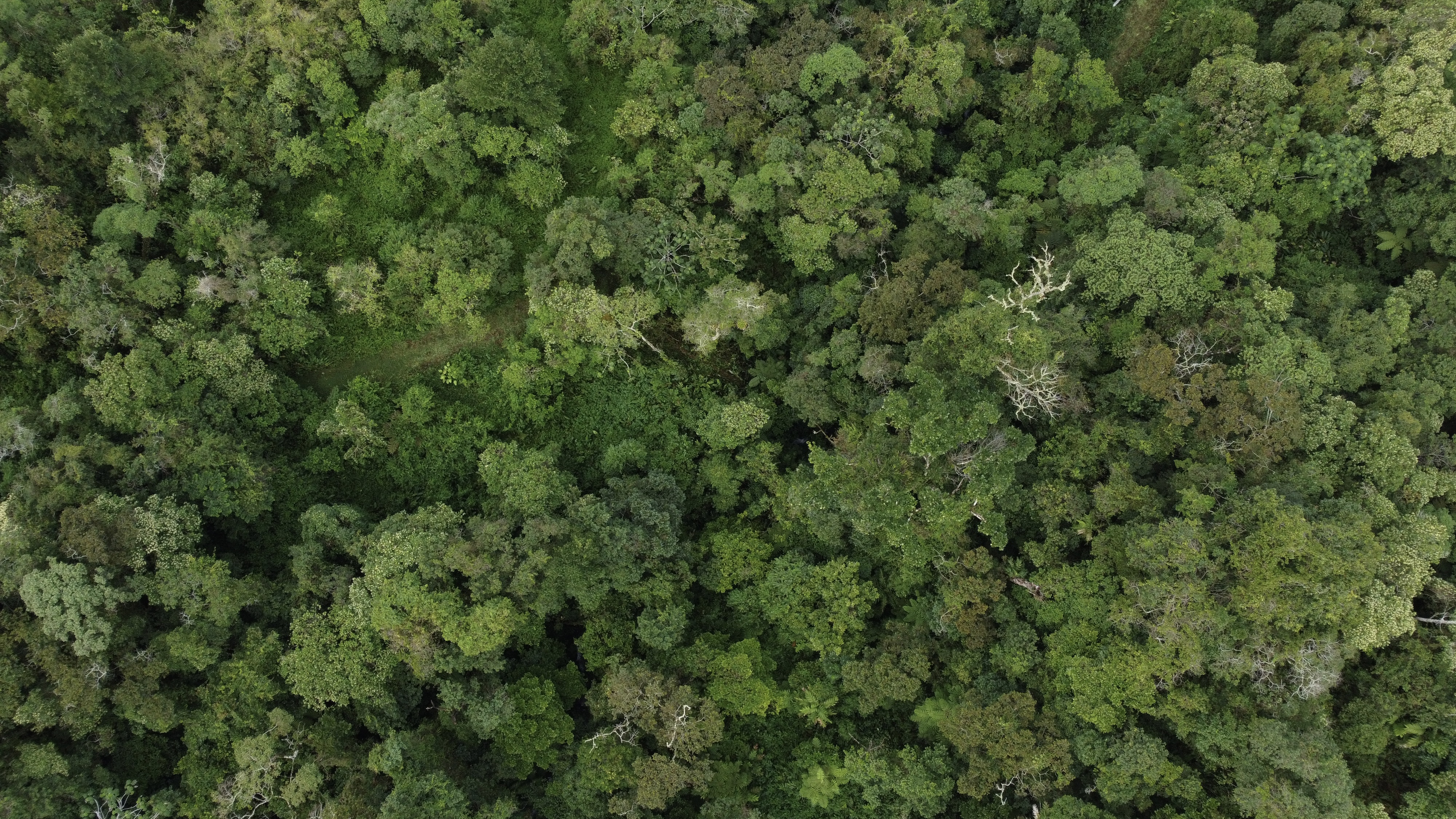
Photo: IUCN

Lucrecia Rodriguez - Executive Secretary of the Central American Agricultural Council (CAC)
Photo: IUCN

Jorge Salaverry, Viceminister of Environment of Honduras and Orlando Habet, Minister of Environment of Belize

Pedro Álvarez Icaza - National Commissioner of Protected Areas of Mexico

Photo: IUCN

Patricia Orantes - Minister of Environment of Guatemala
Photo: IUCN

Carlos Manuel Rodriguez - GEF CEO
Photo: IUCN

Ursula Parrilla - IUCN ORMACC Regional Director
Photo: IUCN

Petén, Guatemala, June 24, 2025 (IUCN/MARN) — The Ministries of Environment of Belice, El Salvador, Guatemala, Honduras and Panama, along with the Central American Commission for Environment and Development (CCAD), the Central American Agricultural Council (CAC), the Trinational Commission of the Trifinio Plan, Mexico's National Commission for Protected Areas (CONANP), the Mexican States of Yucatán, Campeche and Quintana Roo, and Mexico's National Forest Commission (CONAFOR), have launched the Mesoamerica Critical Forest Biomes Integrated Program, an initiative that seeks to generate transformational change for the conservation and sustainable management of the region's forest biomes.
Mesoamerica's primary forests house half of the region's carbon sinks and provide essential ecosystem services to millions of people. However, between 2000 and 2020, around 1.4 million hectares were lost, representing a total area reduction of 23%. This alarming rate of decline highlights the serious threats facing forest ecosystems, such as unsustainable agricultural expansion, illegal logging, urban and infrastructure development, wildfires and climate change—key drivers of deforestation and forest degradation in the region.
Through a multi-level and multi-stakeholder approach, the Program, funded under GEF's eighth replenishment cycle, offers an integrated response to these challenges. With a total grant of over US$65 million from the GEF and $270 million of co-financing, the Program is one of the largest for forest conservation in Central America. It will strengthen governance mechanisms, encourage the adoption and implementation of national and regional policies and regulatory instruments, expand the protection and restoration of priority forested areas including World Heritage sites, mobilise financing and investments, and improve regional coordination for the protection and conservation of the region's primary forests.
The Program aims to increase management effectiveness in over 5 million hectares of protected areas, improve landscape management in 1.3 million hectares through the establishment and recognition of Other Effective area-based Conservation Measures (OECMs) and restore 61,000 hectares of highly prioritised lands for primary forest connectivity, directly benefiting 176,500 people, 79,500 of whom are women, while mitigating an estimated 58 million tons of carbon dioxide equivalent (CO2e).
"Mesoamerica’s majestic forests are the foundation of its status as the world’s third-largest biodiversity hotspot—crucial for clean water, soil stability, carbon absorption and the cultural survival of Indigenous peoples and local communities. The scale of the loss and degradation of these precious forests calls for a bold, unified response. The Mesoamerica Critical Forest Biomes Integrated Program offers an unprecedented opportunity to drive transformational change, moving towards a future where people and nature thrive together and strengthening regional integration to set a global example of countries working together for a better world", stated IUCN Director General, Dr. Grethel Aguilar.
“This ambitious regional initiative embodies the GEF’s commitment and the Governments political will to address the intertwined challenges that threaten the remaining tropical primary forests of Mesoamerica. It supports a transformative and whole-of-society approach to conservation that enhances policy coherence, recognizes the vital role of Indigenous Peoples and Local Communities and creates innovative pathways for long-term financing”, said GEF CEO and Chairperson Carlos Manuel Rodríguez. “Importantly, this effort also supports participating countries to implement the Kunming-Montreal Global Biodiversity Framework.”
The Program comprises six national projects and one regional knowledge management project. The six national projects (El Salvador, Guatemala, Honduras, Mexico, Nicaragua and Panama), implemented by IUCN and FAO, will focus on forests in Trifinio, the Selva Maya, Honduras' Moskitia and Darién. The regional project, implemented by IUCN, will expand the efforts of the national projects to a regional scale, maximising their impact through the definition of regional priorities, as well as capacity development and synergies to improve the conservation of key forest ecosystems.
The executing partners of the six projects include the Central American Commission for Environment and Development (CCAD), the Central American Agricultural Council (CAC), Honduras' Secretariat of Natural Resources and Environment (SERNA) and Forest Conservation Institute (ICF), The Nature Conservancy (TNC), the Wildlife Conservation Society (WCS), Pronatura Peninsula de Yucatán and the Global Green Growth Institute (GGGI).
The Program will comprehensively address regional priorities for the conservation of these critical ecosystems, with the aim of driving transformational changes that enable more effective management of protected areas—particularly in transboundary zones; aligning sectoral agendas, especially in the environmental and agricultural sectors, to promote more coherent investments and reduce perverse incentives; fostering sustainable forest management, the development of value chains and sustainable livelihoods, as well as innovative business models that generate positive outcomes for forests. In addition, the participation of Indigenous peoples and local communities in decision-making processes will be strengthened, promoting a development model that recognises nature not merely as a resource but as the essential foundation for life and human well-being.
At the Program Inception Workshop, the region’s environmental, agricultural and forestry authorities analysed progress and strategic challenges in conserving these biomes and reaffirmed their commitment—both at national and regional levels—to forest conservation as a fundamental course of action for the sustainable development of the region.
The event featured the participation of the following speakers: Carlos Manuel Rodríguez, GEF CEO and Chairperson ; Marisol Castillo, Executive Secretary of the CCAD; Lucrecia Rodríguez, Executive Secretary of the CAC; Patricia Orantes, Minister of Environment of Guatemala; Orlando Habet, Minister of Sustainable Development, Climate Change and Solid Waste Management of Belize; Jorge Salaverri, Vice Minister of Natural Resources of Honduras; Pedro Álvarez Icaza, National Commissioner of Protected Areas of Mexico; Úrsula Parrilla, Regional Director for Mexico, Central America and the Caribbean of IUCN; Ramiro Batzin, Indigenous Councillor of IUCN, among others.


The Bangladesh Forest Department (BFD) and IUCN Bangladesh, with support from Agence Française de…

Each year, International Women's Day is an opportunity to recognise the women advancing change in…

On 14 January 2026, in Dhaka, the Bangladesh Forest Department and IUCN Bangladesh formally signed…