Lack of data and reporting gaps hamper global efforts to protect pangolins

Indian pangolin (Manis crassicaudata)
Gland, Switzerland, 27 August 2025 – All eight recognised pangolin species remain at high risk of extinction due to overexploitation and habitat loss, but the absence of updated population estimates and limited management in landscapes with pangolins mean the full scale of the situation is not yet understood, according to a new report commissioned by the Secretariat of the Convention on International Trade in Endangered Species of Wild Fauna and Flora (CITES) and prepared by the International Union for Conservation of Nature (IUCN).
The report, “Conservation Status, Trade and Enforcement Efforts for Pangolins” was prepared by experts from the IUCN Species Survival Commission’s (SSC) Pangolin Specialist Group for the CITES Secretariat, using information submitted by 32 CITES Parties, including 15 pangolin range States, through two questionnaires issued in 2024 and 2025. Previous CITES reports on pangolins, relevant scientific literature, and available trade data were also reviewed to provide an up-to-date overview of the conservation status of pangolins and the implementation of CITES measures.
While the information that fed the report provides important insights into illegal trade in pangolins and current conservation efforts, the lack of current population estimates, site- and national-scale interventions, and on-going monitoring underscore the urgent need for robust targeted conservation action in collaboration with all relevant stakeholders, particularly local communities and Indigenous peoples. More comprehensive and consistent data are sorely needed to guide evidence-based decision-making and conservation action.
“Pangolins are one of the most distinctive mammals on Earth and are among the planet’s most extraordinary creatures – ancient, gentle, and irreplaceable. Today, they are under immense pressure due to exploitation and habitat loss. Protecting them is not just about saving a species, but about safeguarding the balance of our ecosystems and the wonder of nature itself. With stronger global cooperation and a united commitment – not only by governments, but across all sectors of society – we can ensure pangolins continue to thrive for generations to come,” said Dr Grethel Aguliar, IUCN Director General.
Pangolins were transferred to CITES Appendix I in 2017, the highest level of international protection from unsustainable trade, which bans international trade in wild specimens for commercial purposes and requires CITES Parties to report on actions taken to conserve species and enforce trade restrictions. However, reporting has been inconsistent – only a small number of CITES Parties have responded to official requests for information, limiting the ability to assess population status, understand the scale of trafficking or evaluate the success of conservation measures.
Despite the sharp decline in legal trade since pangolins were transferred to Appendix I, trafficking remains extensive and highly organised. Between 2016 to 2024, seizures of pangolin products involved more than an estimated half a million pangolins across 75 countries and 178 trade routes. Pangolin scales accounted for 99% of confiscated parts. However, while seizure records provide useful indicators, they capture only a fraction of the overall trade as not all illicit consignments are detected or seized by law enforcement.
In addition to international trafficking, local demand for pangolin meat and other products persists in most range countries. Pangolins are considered integrally protected species in nearly all these countries, providing the highest legal protection, but the continued use shows that policy measures alone are insufficient to mitigate the threat to pangolins. The report highlights the need for CITES Parties and other stakeholders to engage actors across pangolin supply chains, and to collaborate more closely with local communities and Indigenous peoples as the first line of pangolin defence to identify and implement effective conservation measures.
“On-going pangolin trafficking and population declines underscore that trade bans and policy changes alone are not enough. CITES Parties must now work with relevant local and national stakeholders, especially grassroots, community and indigenous organisations, to incentivise effective pangolin conservation. Engaging communities, Indigenous peoples, and even pangolin consumers, to co-design and implement the conservation interventions are powerful bottom-up mechanisms needed to complement the top-down policy prescriptions and achieve the desired outcomes for pangolins,” said Dr Matthew Shirley, Co-Chair of the IUCN SSC Pangolin Specialist Group and one of the co-authors of the report.
The report recommends that CITES Parties strengthen implementation of Resolution Conf. 17.10 (Rev. CoP19) through national targeted pangolin action plans. This Resolution provides the framework for CITES Parties to implement, monitor and report on pangolin conservation and trade, including taking targeted measures to reduce threats from overexploitation and illegal trafficking. These measures should prioritise robust population assessments using appropriate scientific methods, evidence-based demand reduction strategies focused on consumer behaviour changes and improved illegal trade reporting. Coordinated action from forest gate to consumer markets is essential to strengthening protection and supporting effective enforcement measures.
IUCN World Conservation Congress – less than two months away
The report comes less than two months ahead of the IUCN World Conservation Congress (9-15 October) in Abu Dhabi. The Congress is one of the world's largest and most inclusive nature conservation forums. It will convene decision-makers from government, civil society, Indigenous Peoples' Organisations, academia, and business to advance and set the conservation and sustainable development agenda for decades to come.
Wildlife trade is one of the issues to be discussed at the Congress. It will also be debated as one of several motions during the Members’ Assembly. Visit the IUCN Congress website for the full list of motions.
Notes to editors
The full “Report on the conservation status of pangolins (Manis spp.) in the wild, and trade controls in place in Parties Prepared by the Secretariat pursuant to Resolution Conf. 17.10 (Rev. CoP19)” is available here.
All eight recognised pangolin species are: Manis crassicaudata, M. culionensis, M. gigantea, M. javanica, M. pentadactyla, M. temminckii, M. tetradactyla, and M. tricuspis. All eight species were transferred from CITES Appendix II to I at the 17th meeting of the Conference of the Parties (CoP17, Johannesburg, 2016).
The report in document CoP20 Doc. 79.1 will be discussed at the 20th meeting of the Conference of the Parties to CITES, in Samarkand, Uzbekistan from 24 November to 5 December 2025.
For more information or to set up interviews, please contact:
IUCN Media Relations – [email protected]; +44 7960 241862
About IUCN SSC Pangolin Specialist Group (PSG)
The PSG, re-instated in 2012, is a voluntary network of experts from around the world, including field biologists, social scientists, criminologists and lawyers, veterinarians, ecologists and geneticists, all of whom are actively involved in pangolin research and/or conservation.
PSG envisions a world where pangolins are globally celebrated and thriving in viable populations. And where conservation action for pangolins, from local to international scales, is informed by abundant research data and guided by a cohesive pangolin conservation community. Its Mission is to work within the framework of the IUCN SSC to secure a future for wild pangolins through advancing knowledge on pangolin status, threats and conservation priorities, and by catalysing action to conserve them.
https://www.facebook.com/PangolinSG/
https://uk.linkedin.com/company/iucn-ssc-pangolin-specialist-group
https://www.instagram.com/pangolinsg/
About IUCN
IUCN is a membership Union uniquely composed of both government and civil society organisations. It provides public, private and non-governmental organisations with the knowledge and tools that enable human progress, economic development and nature conservation to take place together.
Created in 1948, IUCN is now the world’s largest and most diverse environmental network, harnessing the knowledge, resources and reach of more than 1,400 Member organisations and around 17,000 experts. It is a leading provider of conservation data, assessments and analysis. Its broad membership enables IUCN to fill the role of incubator and trusted repository of best practices, tools and international standards.
IUCN provides a neutral space in which diverse stakeholders including governments, NGOs, scientists, businesses, local communities, Indigenous Peoples’ organisations and others can work together to forge and implement solutions to environmental challenges and achieve sustainable development.
Working with many partners and supporters, IUCN implements a large and diverse portfolio of conservation projects worldwide. Combining the latest science with the traditional knowledge of local communities, these projects work to reverse habitat loss, restore ecosystems and improve people’s well-being.
https://www.facebook.com/iucn.org/
https://www.instagram.com/iucn_congress

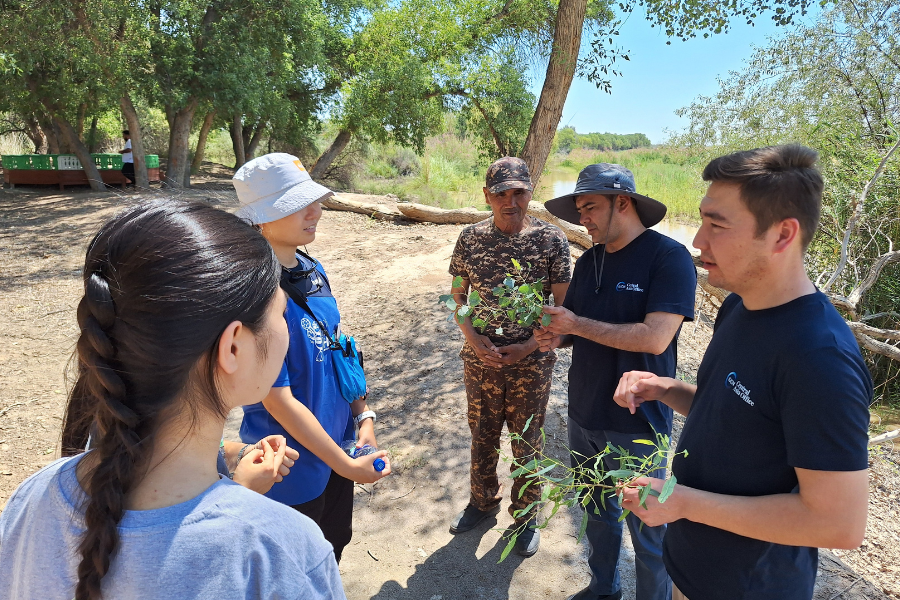
In Kashkadarya, Khorezm and the Republic of Karakalpakstan, local communities are helping turn…
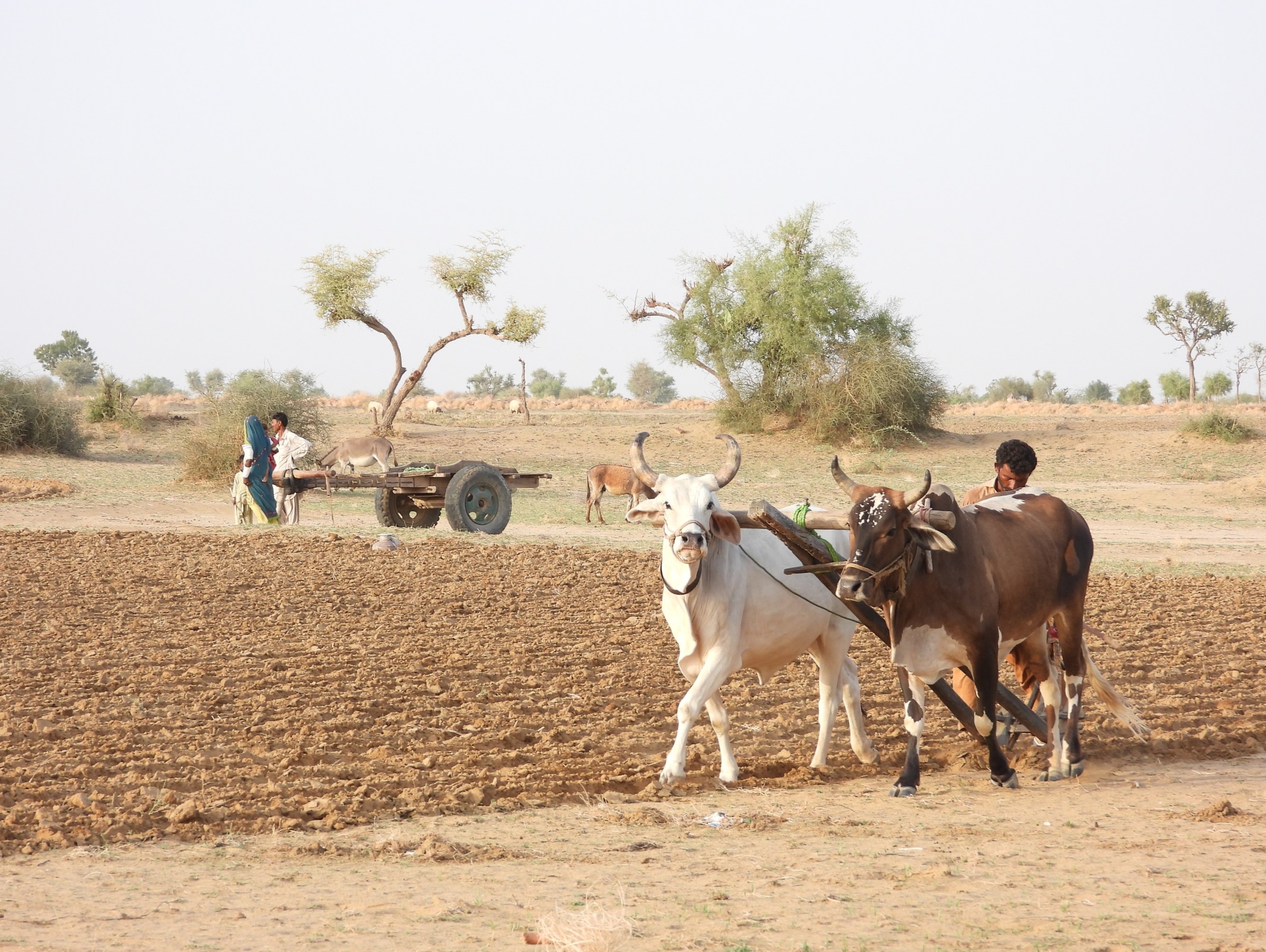
The third in a five-part series, this webinar brought together speakers from across West and…

This week, the Yerevan Municipality hosted the inaugural ceremony marking the establishment of the…