Seven IUCN-recommended Natural and Mixed sites join UNESCO World Heritage List
The UNESCO World Heritage Committee has followed advice from IUCN, as the official advisor on nature, to inscribe seven new sites on the World Heritage list, expand one existing World Heritage site and approve the renomination and change in criteria of one other existing World Heritage site.
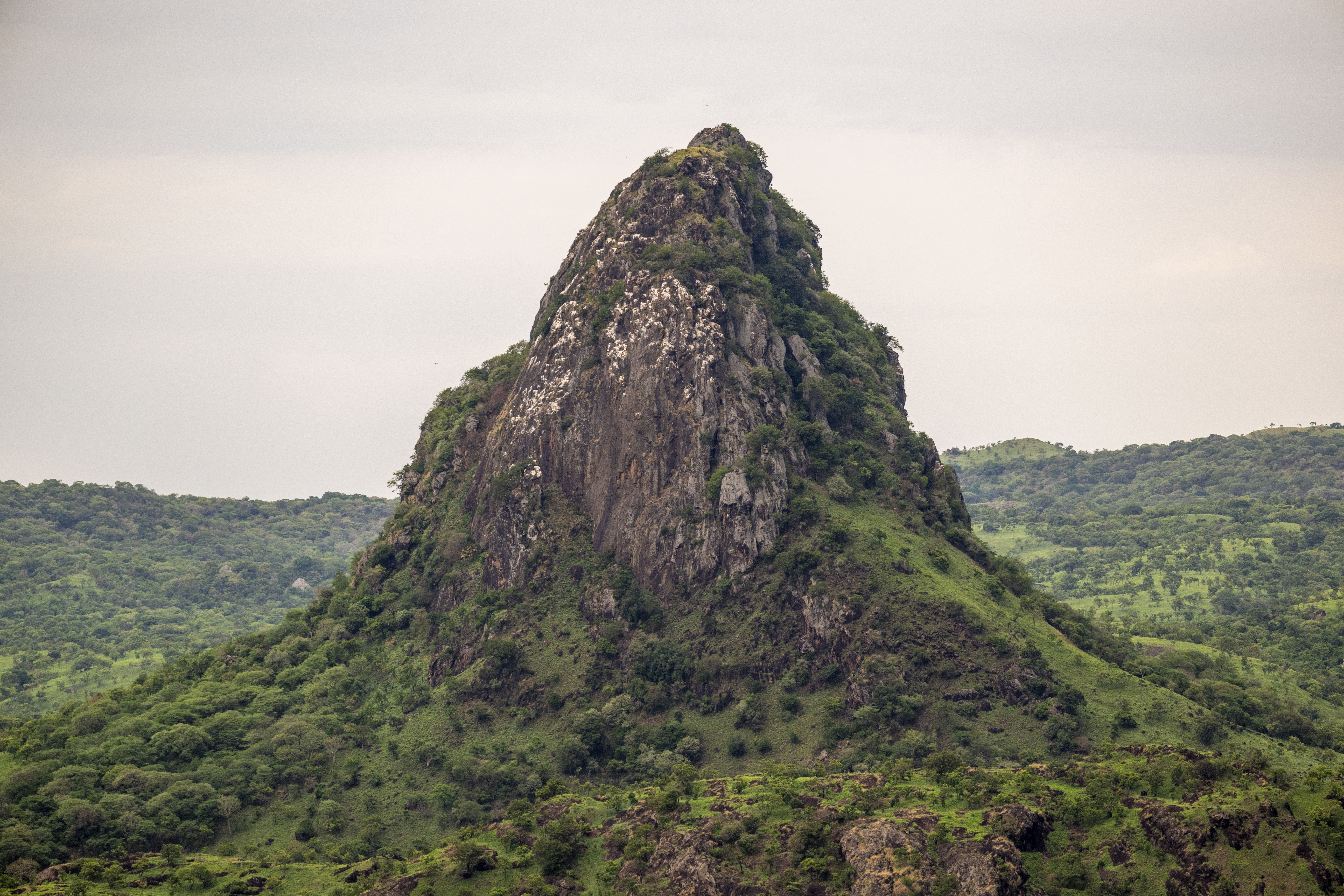
Vulture colony on inselberg near Nyat HQ, Boma National Park
Photo: G.R.Vande weghe
The Wider Area of Mount Olympus is home to Greece’s highest peak
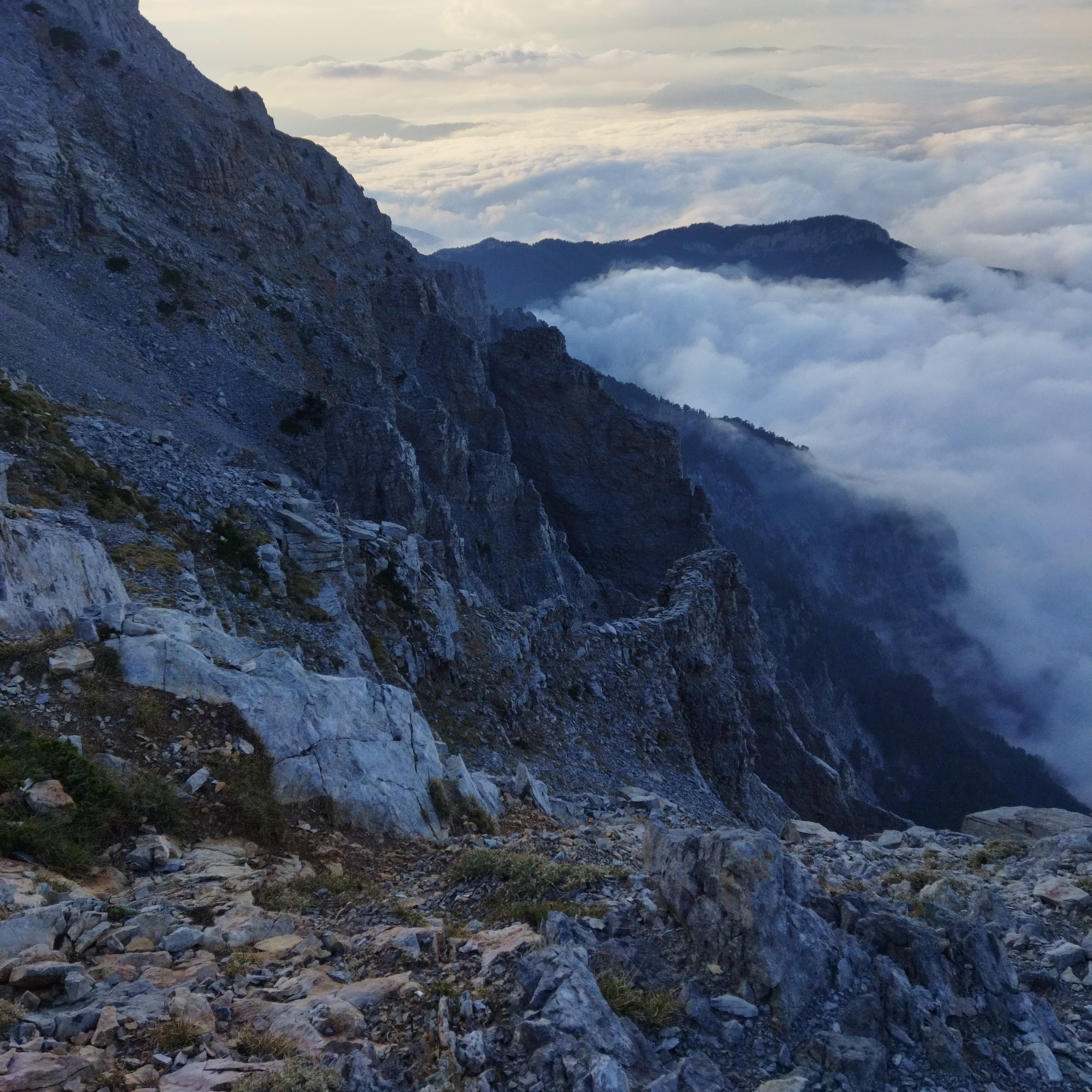
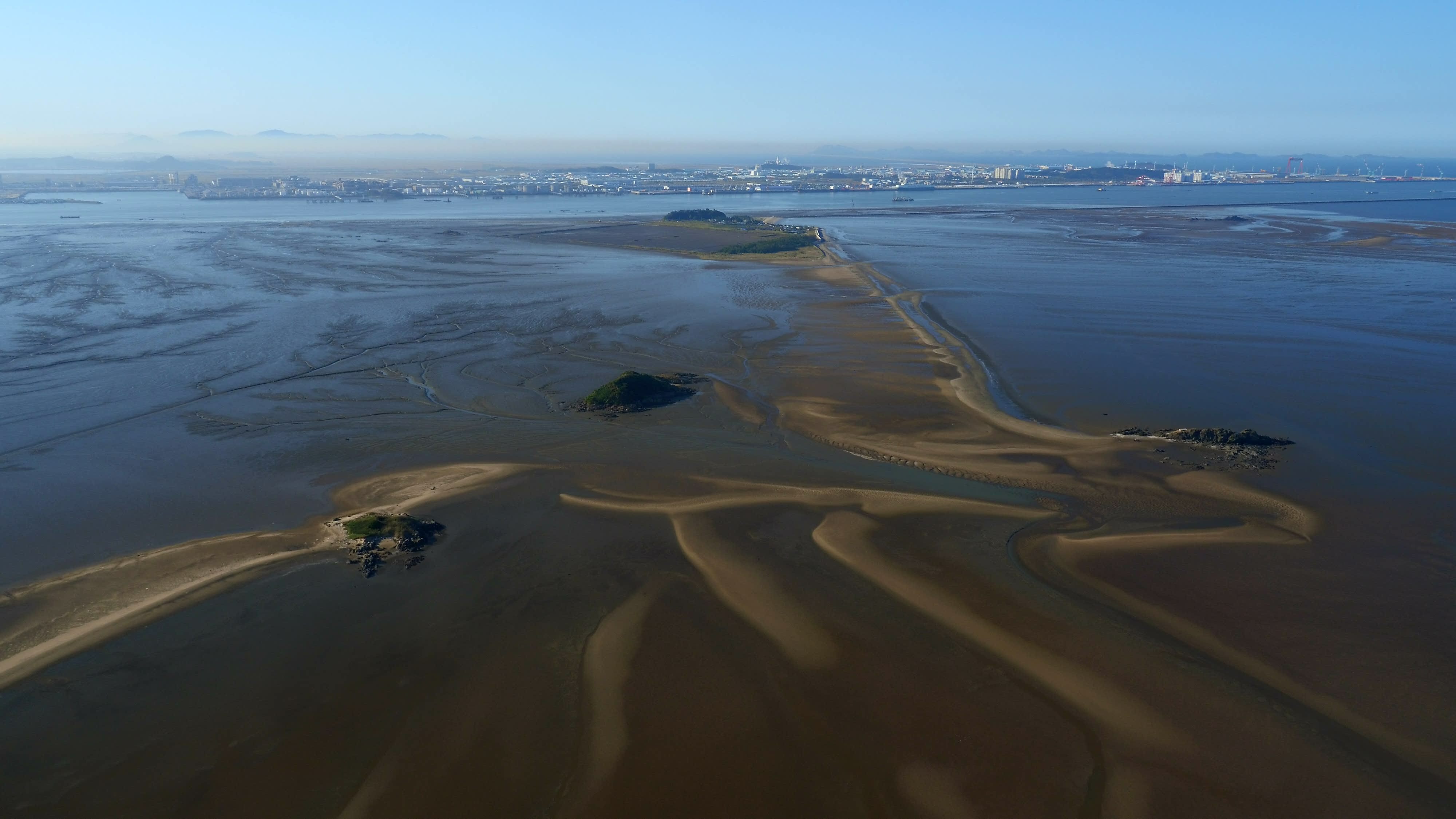
Photo: Korea Getbol World Heritage Site, Tidal Flat of Yubudo, Republic of Korea © World Heritage Promotion Team of Korean Tidal Flat
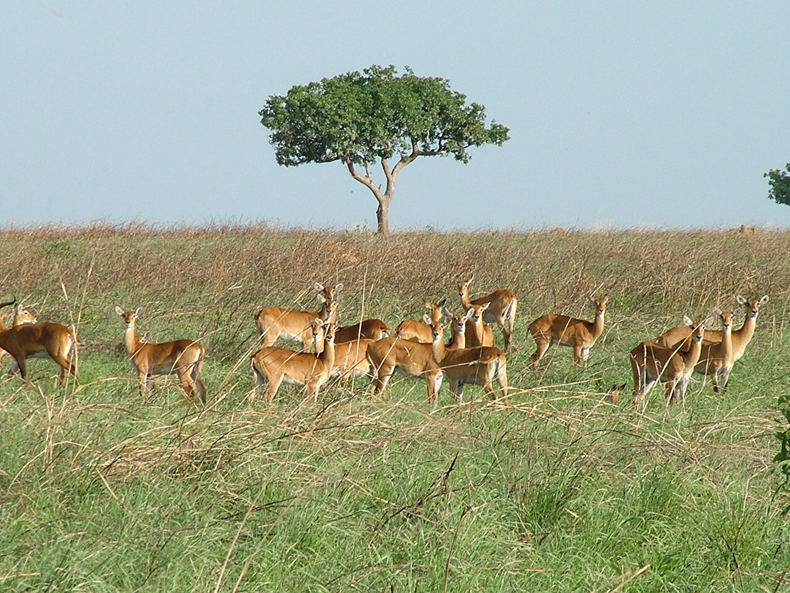
IUCN recommends approval of the renomination of Garamba National Park in the Democratic Republic of the Congo
Photo: © IUCN / David Sheppard
These decisions were taken over the last few days during the 48th Session of the UNESCO World Heritage Committee in Busan, Republic of Korea.
From the world’s largest terrestrial mammal migration, relatively unknown to the international conservation and scientific community until recently, to climate resilient corals in the Red Sea, the inscription of these World Heritage sites is a commitment to the conservation and safeguarding of these globally important areas.
“The inscription and recognition of these outstanding sites as World Heritage will offer significant additional protection for their biodiversity and geoheritage values”, said Tim Badman, Director of World Heritage at IUCN. “These inscriptions, especially the first ever World Heritage site in South Sudan is a remarkable achievement”.
The natural and mixed sites added to the List are:
Aqaba Marine Reserve, Jordan
The northernmost tropical reef system globally, this marine reserve is known for its thermally resilient corals that have evolved over the last 10,000 years to develop greater resilience to increasing oceanic salinity, temperatures and acidity. Despite its small size, over 150 species of hard corals (including more than 60% of those endemic to the Red Sea), and 1000 mollusc species can be found here.
Boma - Badingilo Migratory Landscape, South Sudan
A largely intact and unfragmented landscape of exceptional scale and connectivity, the Boma-Badingilo Migratory Landscape is transformed seasonally by flooding, and mass wildlife movement. Each year, in the world’s largest terrestrial mammal migration, an estimated six million White-Eared Kob, Tiang and Mongalla Gazelle move through this landscape.
The first natural nomination submitted under the world heritage emergency procedure, this site has also been simultaneously inscribed on the List of World Heritage in Danger, in line with IUCN’s advice, with the aim of mobilising international action in response to the escalating and severe pressures facing the site from ongoing insecurity and conflict, commercial poaching and infrastructure expansion.
IUCN looks forward to working together with the State Party of South Sudan to support the continued development of an effective protection and management of this extraordinary landscape.
Garamba National Park, Democratic Republic of the Congo
A key part of one of the last extensive and continuous forest-savanna mosaic landscapes in Central Africa, Garamba National Park represents a dynamic environmental system shaped by natural fires and herbivore grazing. Home to over 150 species of mammal, 83 species of reptiles and almost 500 species of birds – this renomination amends the World Heritage criteria from (vii) and (x), to (ix) and (x), recognising the globally significant ecological processes occurring within the site.
Garamba National Park will remain on the List of World Heritage in Danger, although considerable progress has been made to improve protection and mitigate threats facing the site.
Getbol, Korean Tidal Flats (Phase II), Republic of Korea
Upon IUCN’s recommendations, five additional areas have been added to the existing site - two entirely new component parts and three extensions to existing component parts. These additional tidal flats, together with the existing site, form vital stopover and feeding sites for migratory birds along the highly vulnerable East Asian-Australasian Flyway, including 16 of which have at times over 1% of their global population in the site.
Okefenokee National Wildlife Refuge (ONWR), United States of America
Okefenokee National Wildlife Refuge (ONWR) is a vast and dynamic site, considered the world’s largest lowland freshwater peatland in the subtropical zone. Hosting thousands of species, the site is a particular stronghold of the Endangered Longleaf Pine and American Alligator. The site is also of important cultural and spiritual significance to the Indigenous Muscogee Creek Nation.
The Bony Fish Fossils of the Western Limfjord – Evolution and Climate Adaptations in the Earliest Eocene, Denmark
An essential window into the evolution of life and ecosystems following the Earth’s fifth mass extinction and during the rapid warming of the Palaeocene-Eocene Thermal Maximum, the Western Limfjord preserves some of the world’s most important and best preserved fossils of early modern fish and other species groups.
The Wider Area of Mount Olympus, Greece
Already designated a UNESCO Biosphere Reserve, the Wider Area of Mount Olympus is home to Greece’s highest peak, standing at 2,918m tall. A glacial refuge during the last Ice age, the site hosts over 1,700 plant species including many found solely on the slopes of Mount Olympus and nowhere else. The site has also been recognised for its cultural values as the historic seat of the Ancient Greek Gods.
Inscribed on the World Heritage List, IUCN is available to support the State Party of Greece in ensuring the full protection of the buffer zone and effective management of the site.
Wadi Wurayah, United Arab Emirates
This area represents a rare and relatively intact perennial freshwater mountain wadi system nestled within the arid landscape of the Hajar Mountains.
Inscribed onto the World Heritage List, IUCN will work together with the State Party of the United Arab Emirates to implement the recommendations of the Committee to limit the impacts of existing hydrological infrastructure on the freshwater system.
The World Heritage Committee session continues until 29 July.
Since the inception of the World Heritage Convention in 1972, IUCN has played a unique role as the official advisory body under the World Heritage Convention on natural World Heritage. This involves leading the technical recommendation of all new nominations of natural and mixed World Heritage sites, monitoring the status of existing natural and mixed World Heritage sites and the newly added Preliminary Assessment process to provide direct advice on the feasibility of potential nominations to states parties.
IUCN also works independently on the Convention to support World Heritage sites globally though our extensive network of programs and policies led though our central Secretariat team, our expert commissions, and our member organisations.
The IUCN World Heritage Outlook is the most comprehensive global assessment of World Heritage sites inscribed for their nature conservation values. Based on in-depth, evidence-based site assessments (Conservation Outlook Assessments), the World Heritage Outlook provides site managers, decision-makers, and other stakeholders a basis for targeted conservation action.

In Kashkadarya, Khorezm and the Republic of Karakalpakstan, local communities are helping turn…
The third in a five-part series, this webinar brought together speakers from across West and…

This week, the Yerevan Municipality hosted the inaugural ceremony marking the establishment of the…