Impact at a glance (2014-2024)
- Contributed to an estimated 40% increase in tiger numbers globally between 2015 and 2022
- 44 protected and conserved areas supported
- 10,500+ hectares restored and 500,000+ trees planted
- 95,000+ people supported with sustainable livelihoods
- 675,000+ people reached through awareness raising activities
- 10,000+ people trained in to improve management of tiger habitats
Where we work
ITHCP supports projects across seven tiger range countries: Bangladesh, Bhutan, India, Indonesia, Myanmar, Nepal, and Thailand. Together, these countries represent some of the world’s most important remaining strongholds for wild tigers and encompass a wide diversity of ecological, social, and governance contexts.
Work focuses on critical Tiger Conservation Landscapes, including the Terai Arc, Sundarbans, Dawna Tenasserim, Sumatra, Greater Manas, among others. These landscapes span transboundary forests, riverine and mangrove ecosystems, and densely populated multiple-use areas, where long-term tiger recovery depends on habitat connectivity, coexistence with people, and strong local and national institutions.
What ITHCP supports
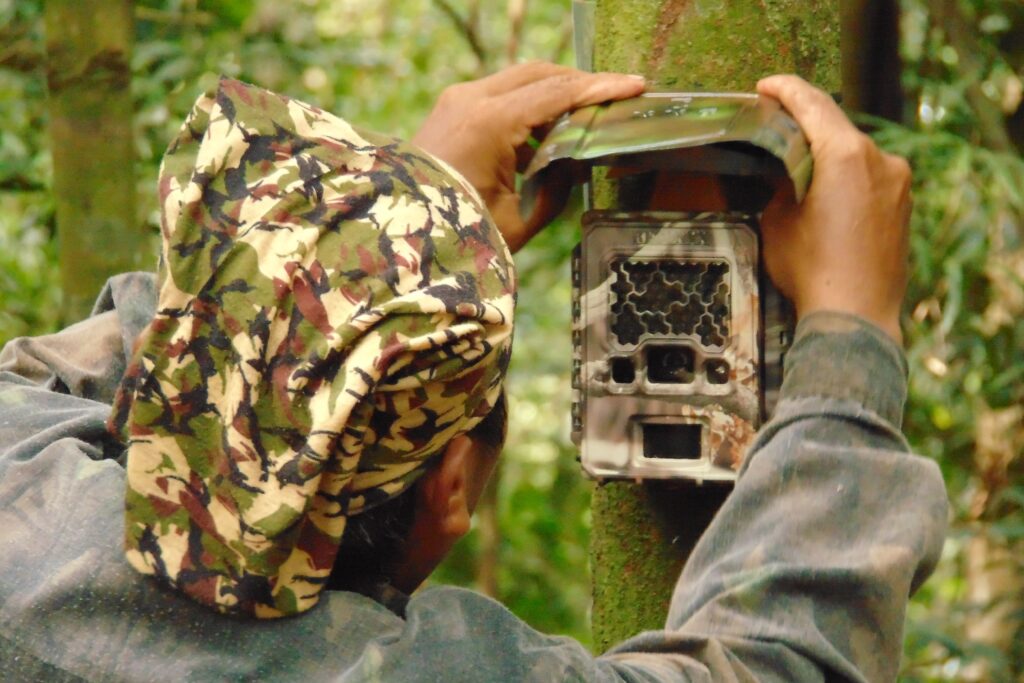
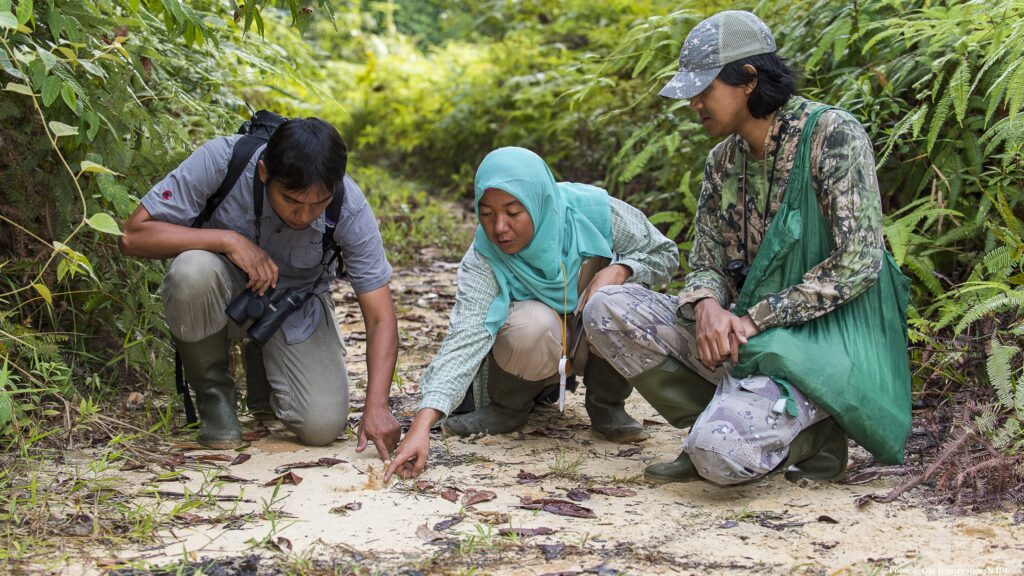
Monitoring tigers and their prey: ITHCP supports robust monitoring (e.g., camera-trap surveys, eDNA sampling and field surveys) to inform adaptive management and strengthen national and site-level decision-making.
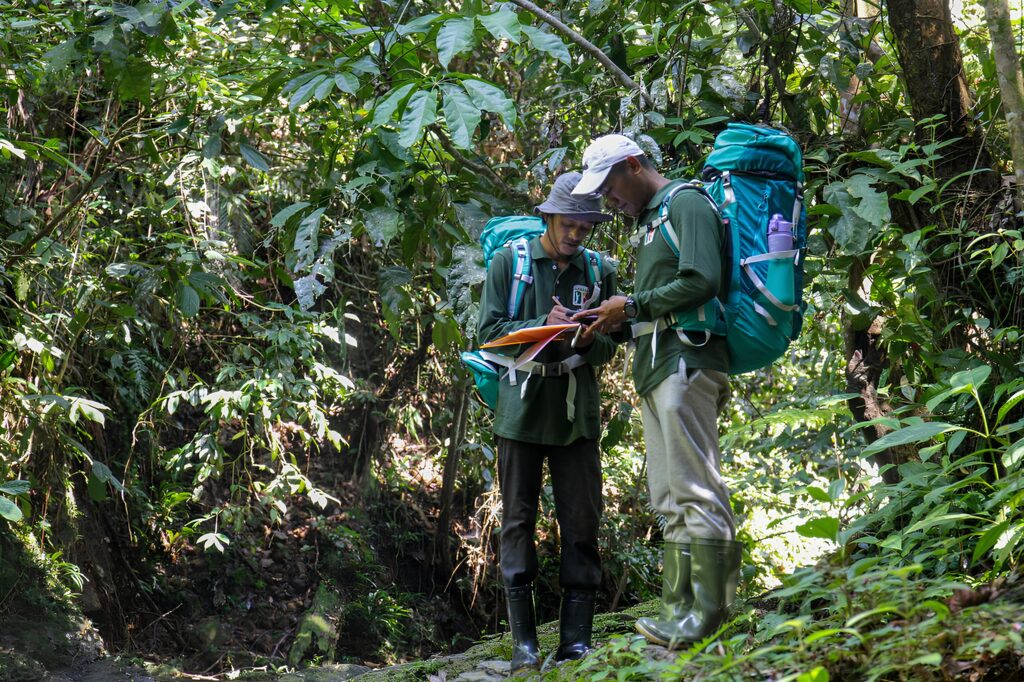
Addressing poaching and illegal trade: ITHCP strengthens ranger capacity, patrol effectiveness (including systems such as SMART and MSTrIPES), and collaboration with communities, while prioritising safeguards and safety protocols.
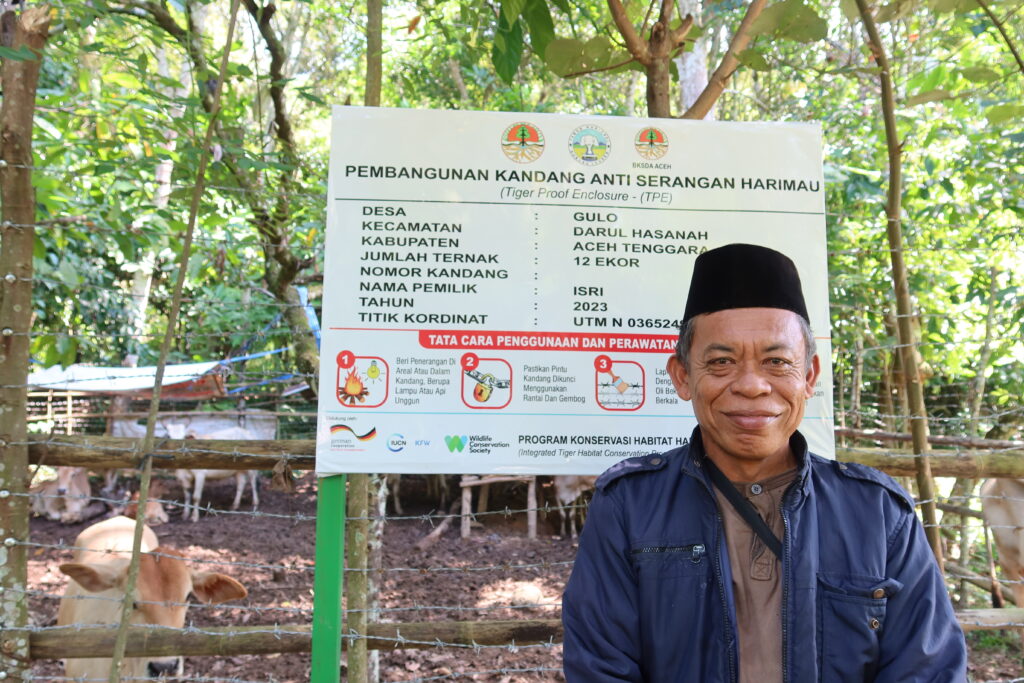
Promoting human–wildlife coexistence: Projects implement prevention and response measures (e.g., response teams, deterrents, predator-proof corrals, early warning systems) and support communities to access or operationalise compensation mechanisms.
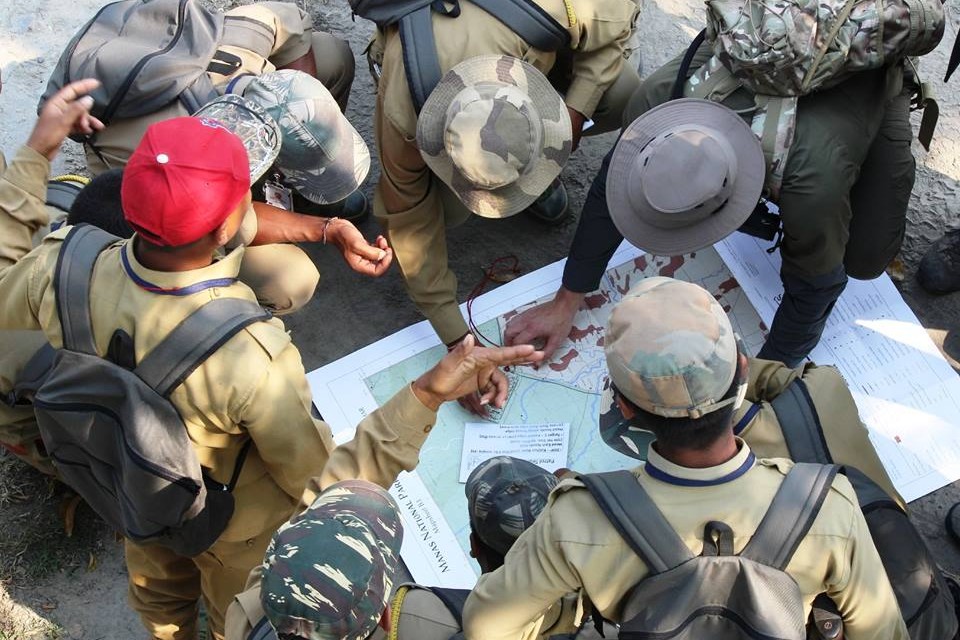
Managing protected and conserved areas effectively: ITHCP supports the development of management plans and the use of assessment tools to strengthen protected areas management effectiveness and long-term conservation outcomes.
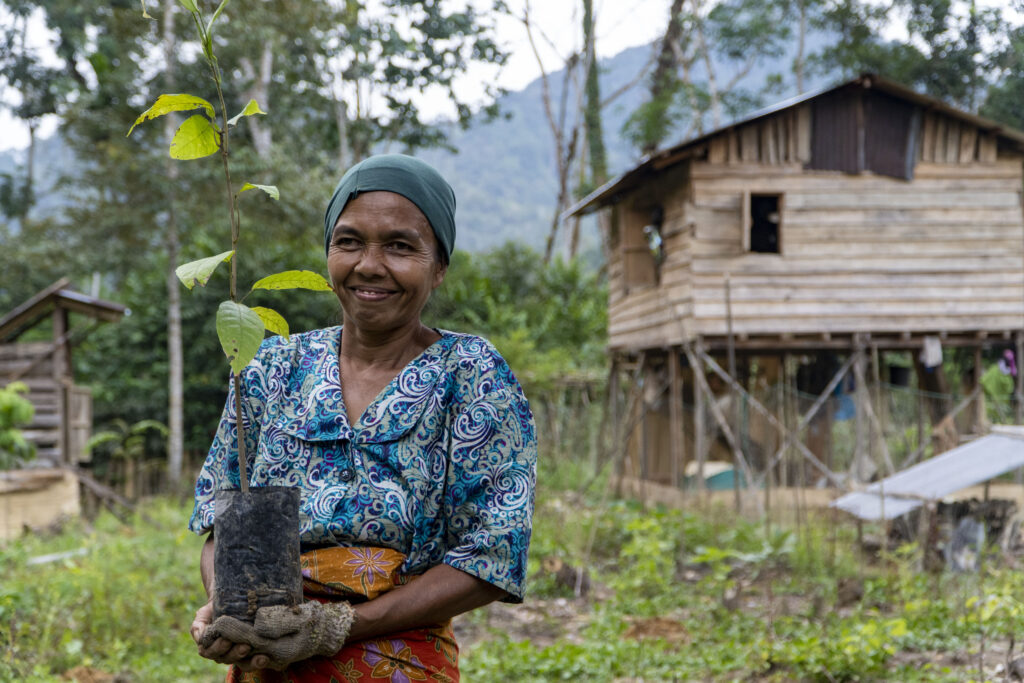
Protecting, restoring and connecting habitats: The programme invests in corridors, restoration and improved management to safeguard habitat integrity and connectivity essential for viable tiger populations.
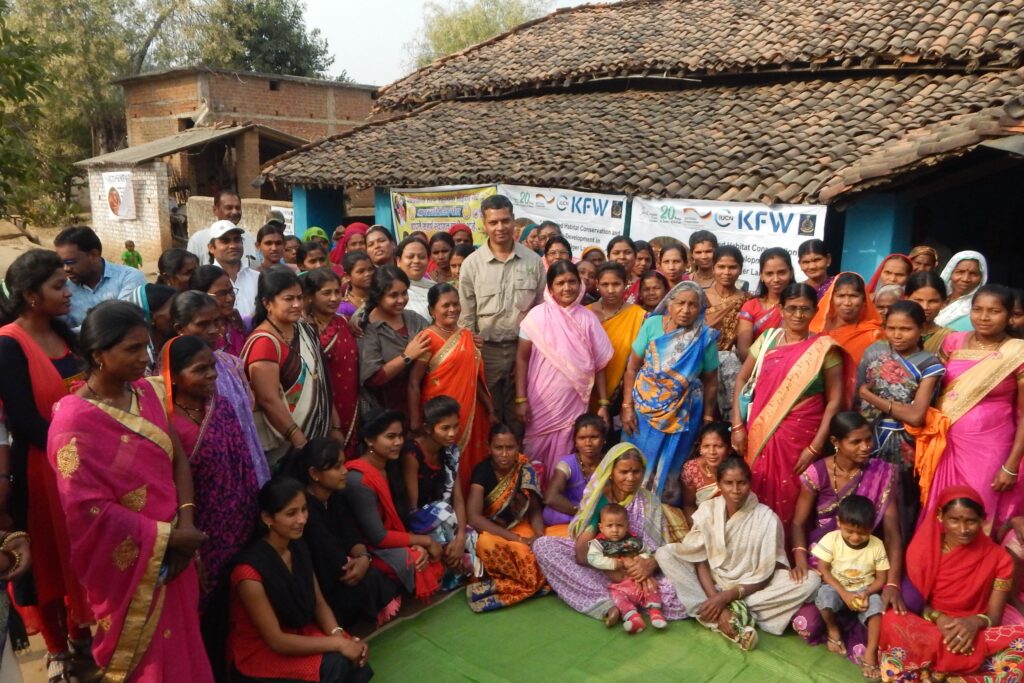
Engaging Indigenous Peoples and local communities: ITHCP supports participatory planning, locally appropriate governance approaches, and community-led initiatives that reinforce stewardship and reduce conflict risks.
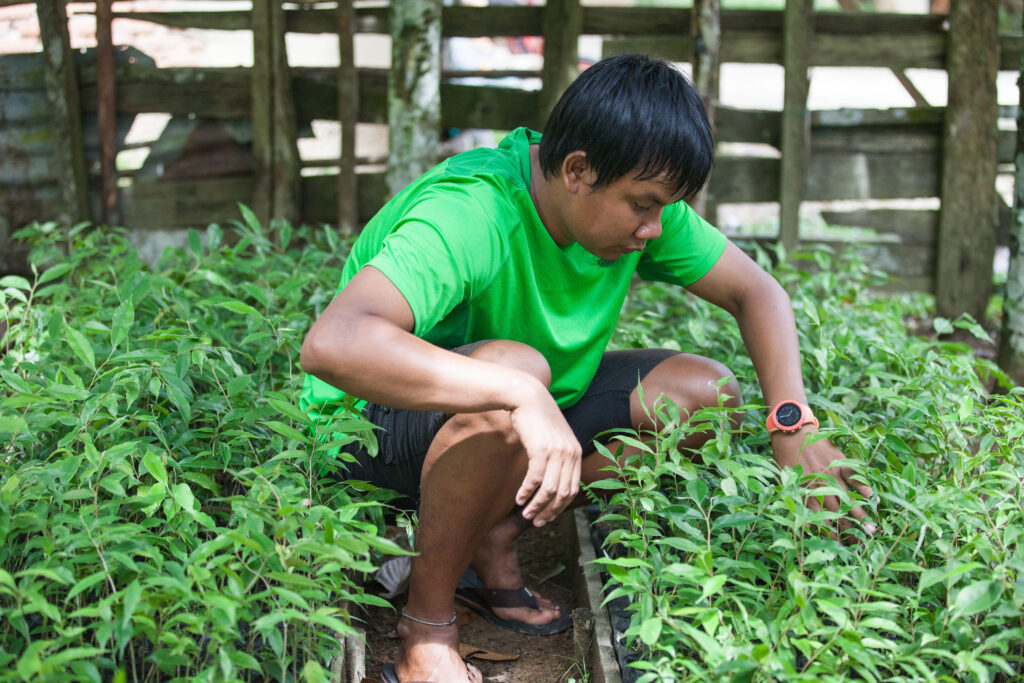
Promoting sustainable use of natural resources and alternative livelihoods: ITHCP supports sustainable livelihood approaches that reduce pressure on tiger habitats while strengthening community resilience, including through community groups, cooperatives and locally driven, nature-positive income opportunities.
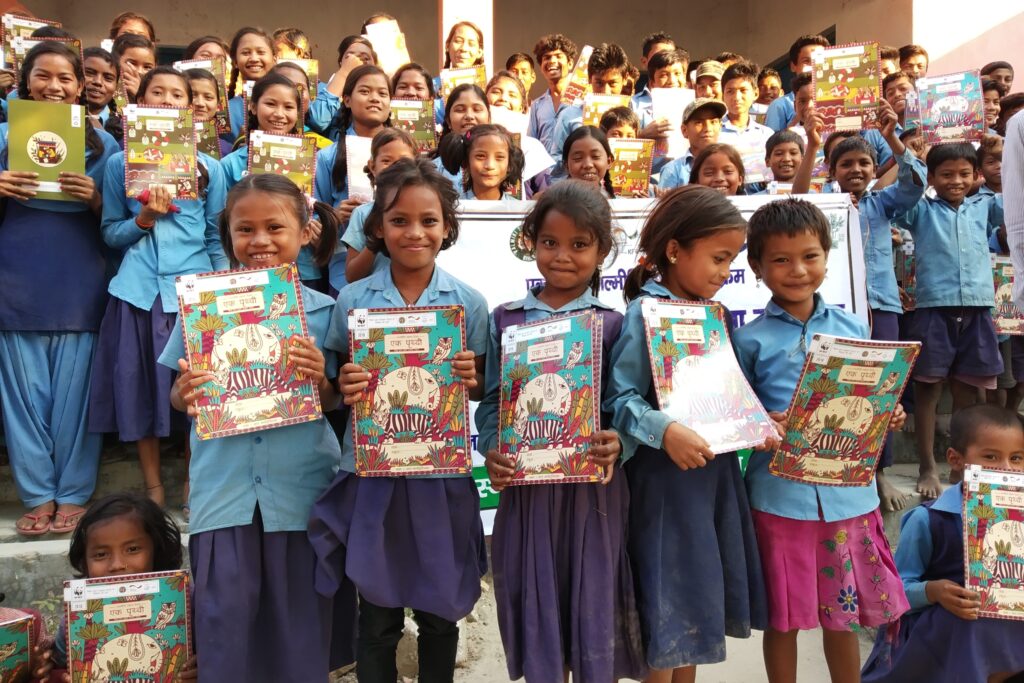
Raising awareness about tiger conservation: ITHCP reaches communities and wider audiences through targeted awareness activities to reduce threats and strengthen long-term support for tiger conservation.
Featured story: Protecting tigers, protecting futures
ITHCP is featured in Living Legacy, a global film series produced for IUCN by BBC StoryWorks.
One of the spotlight episodes follows the work of the Integrated Tiger Habitat Conservation Programme in Nepal, where science-based protection, strong partnerships and community engagement have helped drive a remarkable recovery of tiger populations in Bardiya National Park. The film illustrates how investing in habitat protection, law enforcement, monitoring and local livelihoods can deliver lasting benefits for both wildlife and people, and shows how long-term, collaborative conservation is bringing tigers back from the brink.
Safeguards and accountability
ITHCP applies a robust Environmental and Social Management System (ESMS) to identify, assess and mitigate environmental and social risks across the project cycle, aligned with the IUCN ESMS Standards and sustainability requirements, including KfW Sustainability Guidelines and other relevant international standards. Key elements include:
- Environmental & Social Screening to identify risks associated with individual ITHCP projects;
- A project-level Environmental and Social Management Plan (ESMP);
- Associated safeguard instruments, implemented and reported against through the project cycle, addressing risks such as access restrictions, human–wildlife conflict, labour conditions, and human rights considerations linked to law enforcement activities;
- Free, Prior and Informed Consent (FPIC);
- Strong emphasis on stakeholder engagement;
- Dedicated grievance mechanism at each project site.