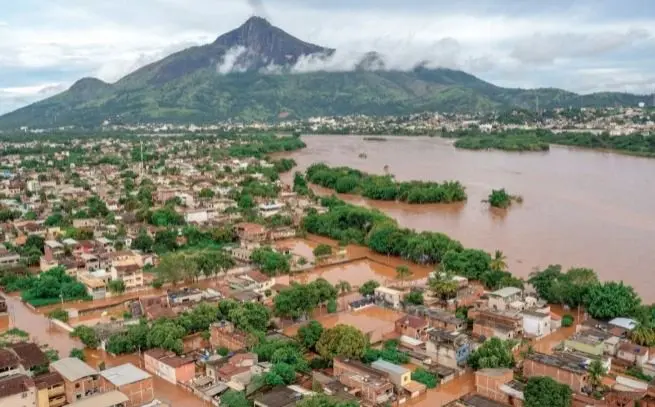
Addressing the impacts accrued over time in the Rio Doce watershed and coastal zone requires more than successfully rehabilitating them. Actions by governments, citizens and private organisations are essential to solving known problems. Furthermore, positive results must be maintained and improved beyond the Panel and after the Renova Foundation is no longer there.
Yolanda Kakabadse, Chair of the Rio Doce Panel
Visits to affected areas, the analysis of publicly available data, and the testimonials of those impacted helped the Panel gain a deeper understanding of the situation in the basin in the wake of the disaster.
In some cases, however, there are knowledge gaps about ecological conditions in the basin prior to the dam failure.
Centuries of economic activities and development in the region have caused a multitude of problems that undermine the basin's environmental health. Soil degradation and lack of adequate treatment of domestic and industrial sewage are some of the issues that affected the basin long before the disaster.
Given this context, the Rio Doce Panel recommended that restoration measures be based on the methodological principles of an environmental impact assessment, which enables the identification, description and classification of each of the effects of the Fundão dam failure.
{"preview_thumbnail":"/sites/default/files/styles/video_embed_wysiwyg_preview/public/video_thumbnails/WMdPPfPik6o.jpg?itok=jRNuDgnA","video_url":"https://youtu.be/WMdPPfPik6o","settings":{"responsive":1,"width":"854","height":"480","autoplay":0,"title_format":"@provider | @title","title_fallback":true},"settings_summary":["Embedded Video (Responsive)."]}
What is an environmental impact assessment, by Yolanda Kakabadse